

September Birth Flowers: Aster and Morning Glory
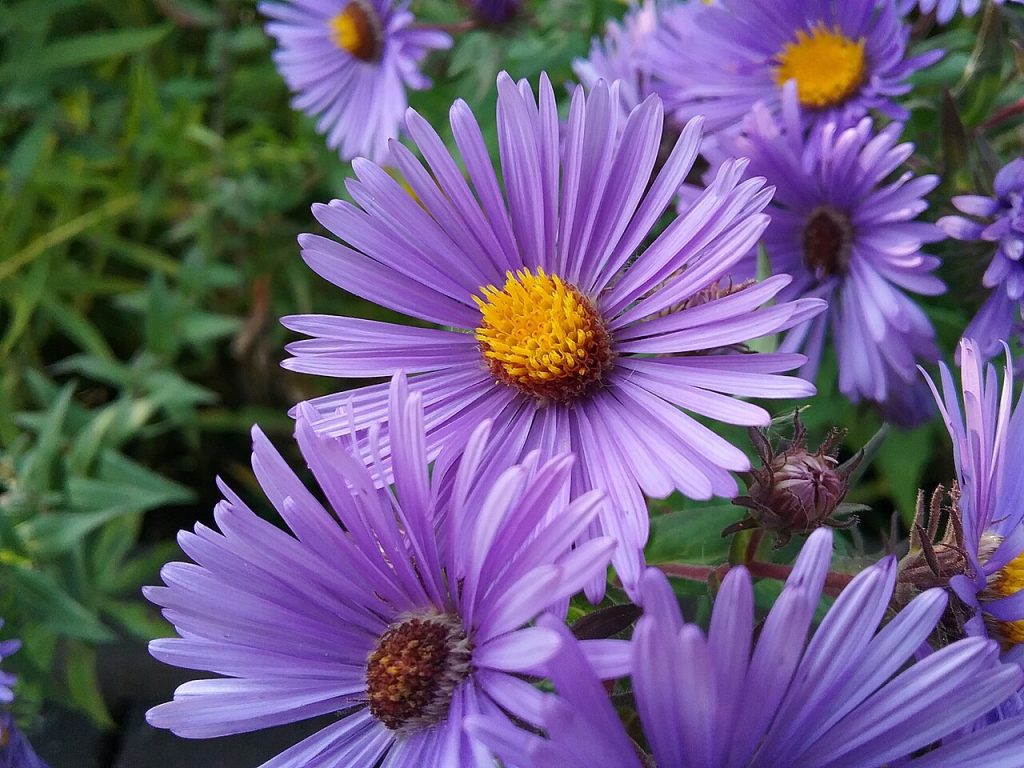
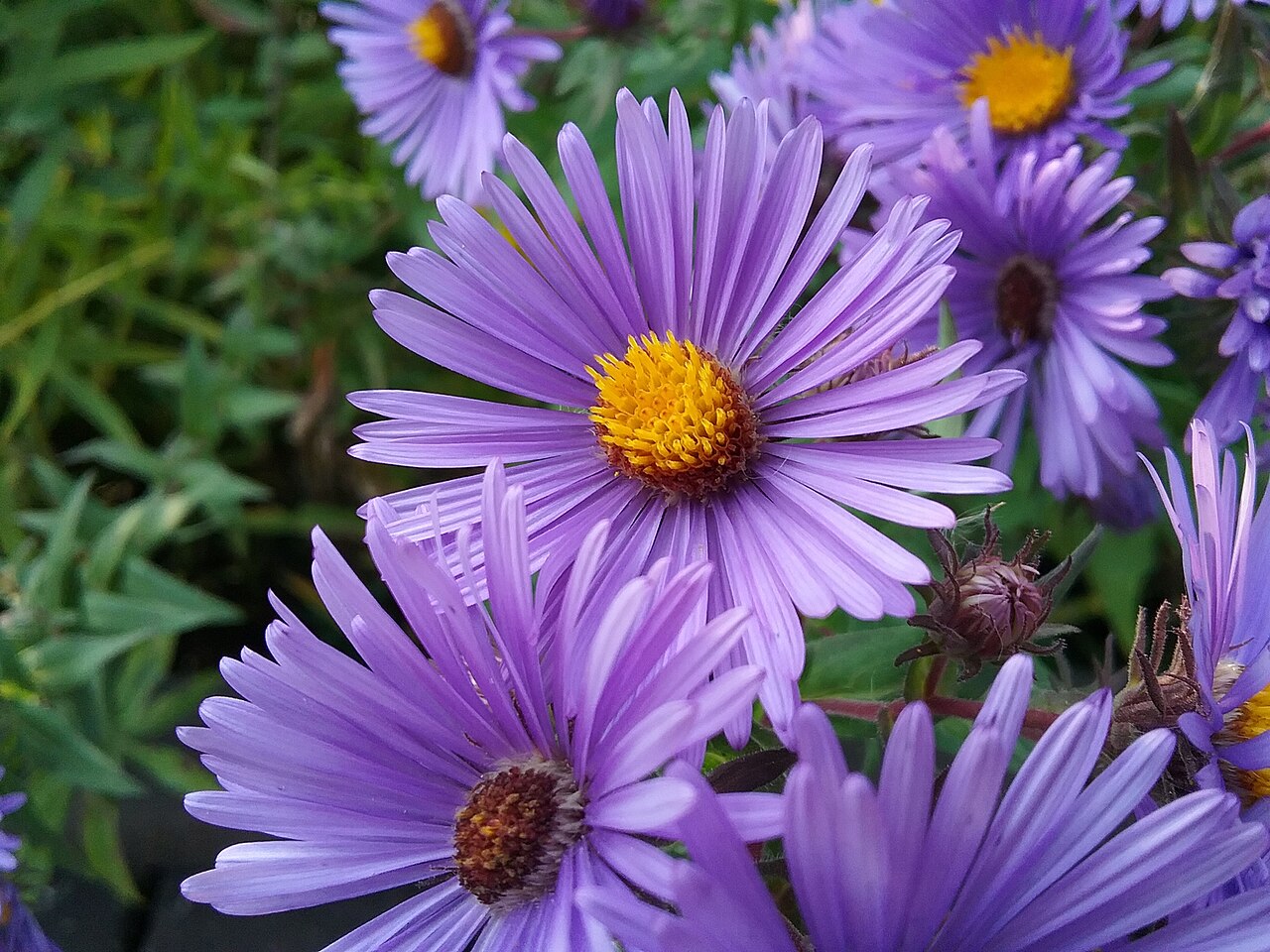

September’s birth flowers are the aster and the morning glory. Asters bring daisy-like, star-shaped flowers to the garden just as summer fades into autumn. Morning glories are fast-growing vines whose trumpet-shaped flowers open in the morning and close by the afternoon. One is a fine cut flower; the other is best enjoyed growing up a fence.
This guide explains what each one means, which colors to choose, how to give them and how to keep pets safe. For the full year, see our birth flowers by month guide.
September birth flowers at a glance
- Aster (Aster, Symphyotrichum and the China aster, Callistephus): love, wisdom, patience and faith.
- Morning glory (Ipomoea): love, both unrequited and undying.
- UK and US lists agree: Interflora and The Old Farmer’s Almanac both list the aster and the morning glory for September.
Aster meaning
The word aster comes from the Greek for “star”, a reference to the shape of the flowers. The Almanac says asters have long symbolized love, wisdom, patience and beauty, along with faith, friendship and purity. In Greek mythology, the aster was said to have sprung from the tears of the goddess Astraea.
Asters have also had a place in history. After the First World War, a revolution in Hungary became known as the Aster Revolution because its supporters wore asters in their hats. The aster is also the traditional flower for a 20th wedding anniversary.
A note on names: the Almanac explains that most common North American asters have been reclassified into the genus Symphyotrichum, such as the New England aster, while true Aster species are now almost all native to Europe and Asia. Florists also sell the China aster, Callistephus chinensis, which is a different plant again. In the UK, autumn-flowering asters are often called Michaelmas daisies.
Aster color meanings
- Purple: wisdom, and a royal color.
- White: innocence.
- Red: devotion and passion.
- Pink: love and kindness.
Morning glory meaning
Morning glories belong to the genus Ipomoea, the same genus as the sweet potato, and their large heart-shaped leaves show the family resemblance. The Almanac says that, like many vines, morning glories have long been linked with love: sometimes love that was never returned, and sometimes undying love. Their daily habit of opening in the morning and closing by the afternoon makes them a gentle reminder to enjoy the moment.
In art, Georgia O’Keeffe painted “Blue Morning Glories” in 1935. In Yellowstone National Park, Morning Glory Pool was named in the 1880s for its resemblance to the flower.
Morning glory color meanings
- Blue: enduring love.
- Purple: grace and hopefulness.
- Pink: gratitude.
- Red: passion and strength.
- White: purity and innocence.
How to give September birth flowers
- An aster bouquet: asters work beautifully on their own in a purple or mixed bunch, or as a filler in autumn arrangements with roses, chrysanthemums or sunflowers.
- Morning glory as a plant: morning glory flowers close within the day, so they are not sold as cut flowers. Seeds or a young plant for a sunny fence or trellis make a better gift.
- Potted asters: a potted Michaelmas daisy or New England aster gives late color in the garden and feeds butterflies in autumn.
- Pairings: our guide to the secret meaning of flowers can help you choose companions with matching meanings.
Season and availability
Asters bloom in late summer and early autumn, so they are in season for September birthdays. Florists sell asters, especially China asters, in a range of colors. Morning glories flower through summer into autumn, but only on the plant. Morning glory seeds are widely sold, and the Almanac suggests soaking them for 24 hours before sowing.
Care and vase life
Kansas State University Extension’s vase-life table (shared by the University of California) puts asters in the 5–10 day group. To get the most from them:
- Recut the stems and remove any leaves that would sit below the waterline, so they do not rot in the vase.
- Use a clean vase with flower food and change the water every two to three days.
- Keep the vase cool and away from direct sun.
For more tips, read our guide to keeping flowers fresh longer. In the garden, morning glories need sun and support to climb. The Almanac notes they can be invasive in some areas, so check before planting.
Are September birth flowers safe for pets?
- Aster: the ASPCA lists the China aster (Callistephus chinensis) as non-toxic to dogs, cats and horses. Other asters are not on its list, and the ASPCA notes that any plant can cause stomach upset.
- Morning glory: the ASPCA lists morning glory (Ipomoea species) as toxic to dogs, cats and horses. It can cause vomiting, and large amounts of seeds may cause hallucinations. The Almanac also warns that the seeds of some species contain a hallucinogenic substance. Keep seed packets well out of reach.
If you are worried, contact your vet or the ASPCA Animal Poison Control Center on (888) 426-4435 (a fee may apply).
Gift ideas for September birthdays
- A bunch of purple asters for wisdom, or mixed colors for a cheerful look.
- A potted New England aster or Michaelmas daisy for a pollinator garden.
- Morning glory seeds with a small trellis, for homes without curious pets.
- A print of O’Keeffe’s “Blue Morning Glories” for an art lover.
For more ideas, see our guide to 85 types of flowers.
Keep exploring
All birth flowers by month · Previous: August birth flowers · Next: October birth flowers
Go deeper with our full guide to aster meaning.
Frequently asked questions
September’s birth flowers are the aster and the morning glory. Both the US list from The Old Farmer’s Almanac and the UK list from Interflora agree.
Asters symbolize love, wisdom, patience and faith. The name comes from the Greek word for “star”, after the shape of the flowers.
Not really. Morning glory flowers open in the morning and close by the afternoon, so they are best given as seeds or a plant.
The ASPCA lists the China aster as non-toxic to dogs, cats and horses. Morning glory, September’s other birth flower, is listed as toxic.