

Flower Care Guide: How to Care for, Arrange and Identify Flowers
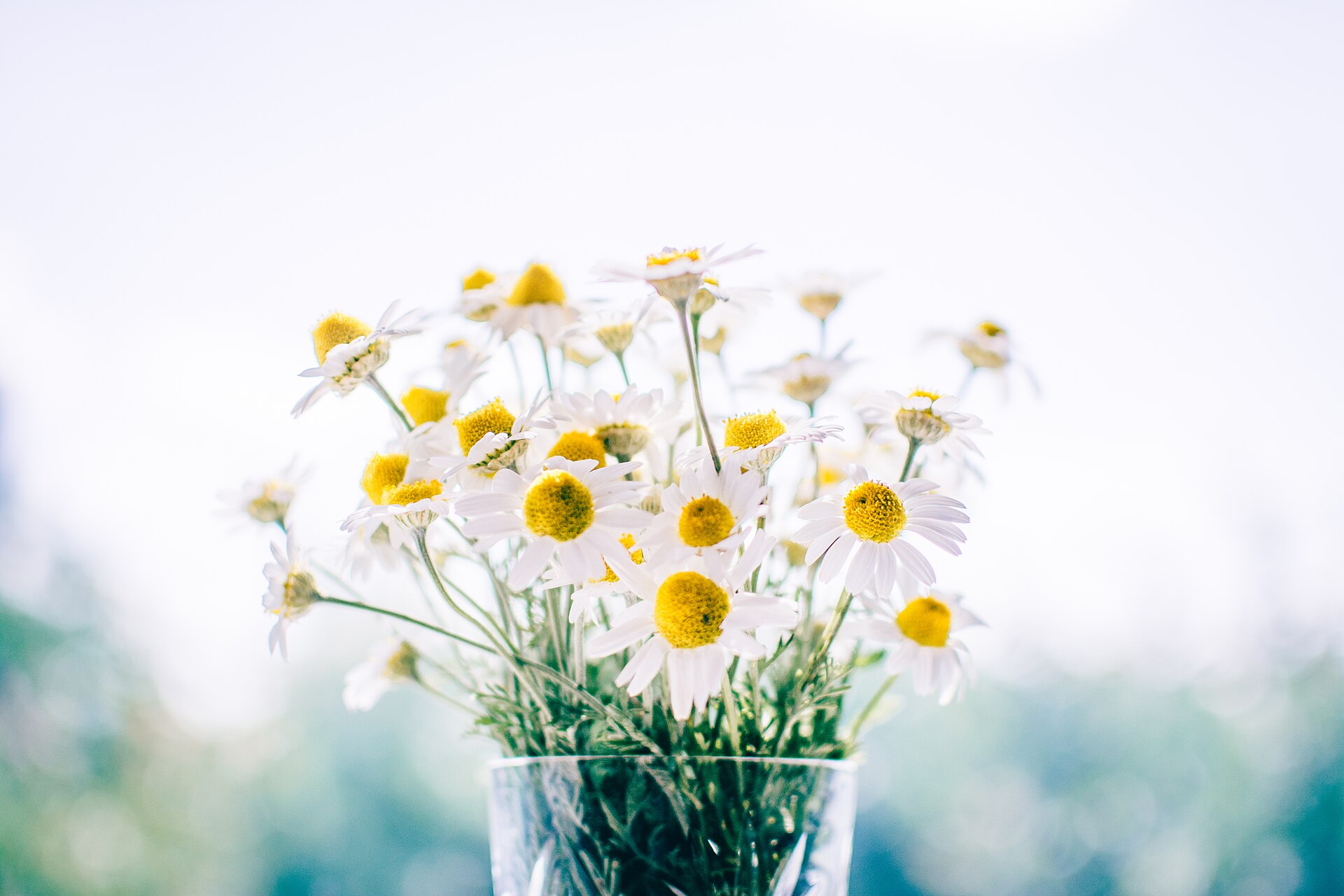

A bouquet is a small investment, and a few minutes of care can add days to it. Our Learn guides cover the practical side of flowers: how to keep them fresh, what to do when they droop, how to arrange them at home and how to work out what they are.
Every guide is based on advice from university extension services, botanic gardens and other reliable sources, which are listed at the end of each article. We stick to care advice those sources support, and we say so when a popular tip doesn’t hold up.
Flower care basics
- How to keep cut flowers fresh: the simple routine that matters most, from a clean vase and a fresh cut to the right spot in the room.
- How to revive wilted flowers: a step-by-step rescue for drooping bouquets, and how to tell when flowers are past saving.
- Homemade flower food: two recipes from university extension services, and the truth about sugar, aspirin, pennies and other vase-water tricks.
- How to dry flowers: air-drying bunches, when to use a desiccant, and how long to wait.
- How to press flowers: the book or press method for flat keepsakes and cards.
- Flowers safe for cats: ASPCA-based pet-safer bouquet choices, and why lilies are an emergency.
- Flowers safe for dogs: ASPCA-based pet-safer bouquet choices, and how lily danger differs for dogs and cats.
- Christmas plants safe for pets: which holiday plants are safe for cats and dogs, from poinsettias and mistletoe to lilies, amaryllis and the Christmas tree.
Caring for specific flowers
- How to make roses last longer: preparing cut roses, guard petals and the fix for a rose with a bent neck.
- Tulips in a vase: why tulips droop, how to keep them upright and why they shouldn’t share water with fresh daffodils.
- Peonies in a vase: the marshmallow bud stage, warm water to open, and fridge storage.
- How to keep hydrangeas fresh: stop wilting fast, strip leaves, and revive a floppy head with a tepid soak.
- Sunflowers in a vase: support heavy heads, pick greenish centers, and keep water clean.
- How to care for a poinsettia: choose a healthy plant, water without drowning it, stop leaf drop, and the darkness routine that makes it rebloom.
- How to care for amaryllis: plant the bulb in a snug pot, water without rotting it, save a waxed bulb, and the rest period that makes it bloom again.
- Christmas cactus care: light, watering, why buds drop, Thanksgiving vs Christmas cactus, and the long, cool nights it needs to flower.
- How to grow paperwhites: forcing bulbs in pebbles or soil, when to plant for Christmas, and the alcohol trick that stops floppy stems.
- Winter flowers: 19 blooms for the garden and indoors, from snowdrops, hellebores and witch hazel to amaryllis and cyclamen, with zones and pet notes.
- How to care for an orchid: watering a moth orchid in bark or moss, the right light, what to do when the flowers fall, and how to make it rebloom.
Each of our flower meaning guides also includes care tips, typical vase life and ASPCA pet-safety information for that flower.
Arranging flowers
- Flower arranging for beginners: the tools you need, how to support stems, the right height for your vase and a simple greenery, focal flower and filler method.
- How to make a Christmas flower arrangement: choosing and conditioning evergreens, long-lasting flowers, a step-by-step centerpiece and safe candles.
Identifying flowers
- How to identify flowers: what to look at first, plant family clues, and how accurate identification apps really are.
Flower care at a glance
- Wash the vase with hot, soapy water before each new bouquet.
- Recut the stems by about an inch at an angle, under water if you can.
- Remove leaves below the waterline.
- Use flower food, mixed as the packet says.
- Keep the bouquet cool, out of direct sun and away from ripening fruit.
- Top up the water daily and change it every two to three days.
- Check pet safety: lilies are dangerous for cats, and tulips, daffodils and hydrangeas are on the ASPCA’s toxic list too. See flowers safe for cats and flowers safe for dogs.
More from Flowerlyn
Choosing flowers rather than caring for them? See what flowers to send for every occasion, find the birth flower for every month, learn what popular flowers mean, or browse our 2027 flower shows and festivals calendar. For the holidays, see our Christmas flowers guide. Want flowers that never need water? See our guide to LEGO flowers. For vases, flower food, plant care gear and LEGO sets, see our Shop.
Frequently asked questions
Clean water reaching the stems. Use a clean vase, recut the stems, remove leaves below the waterline, add flower food, and change the water every two to three days.
Yes. Flower food contains a sugar to feed the flowers, an acid to help stems take up water and a biocide to slow bacteria. University extension services recommend using it, mixed as the packet says.
It depends on the flowers. University of Illinois Extension says carnations and mums may last up to two weeks, while roses and gerberas range from about 4 to 12 days.
From university extension services, botanic gardens and other reliable sources, which we list at the end of each guide.