

Birth Flowers by Month: Meanings, Colors & Gift Ideas
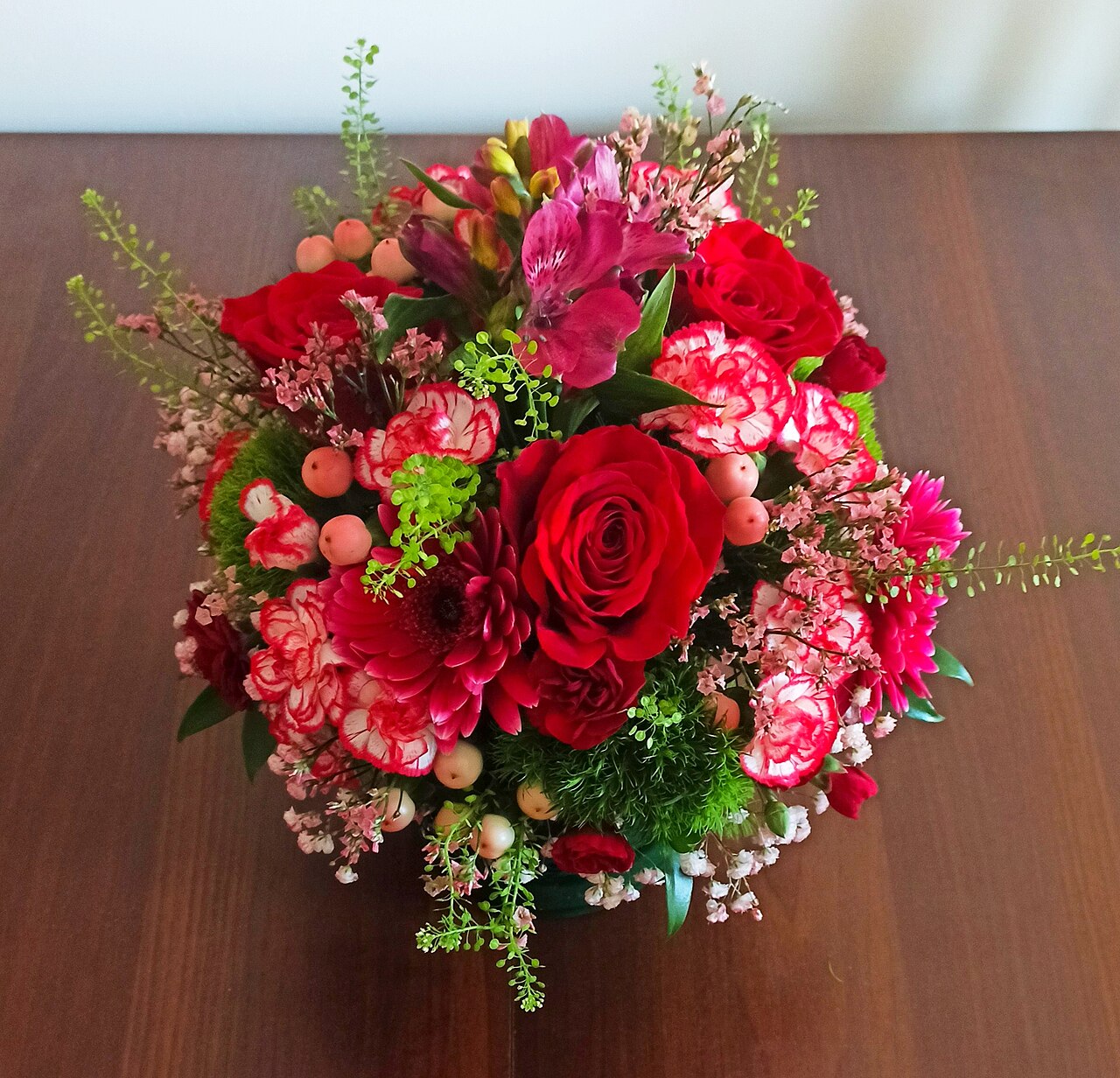

Like birthstones, every month has its own birth flower, and some months have two. Giving someone their birth flower is a simple way to make a birthday bouquet feel personal. This guide lists the birth flowers for every month, explains where the US and UK lists differ, and links to a full guide for each month with meanings, color symbolism, care tips and pet safety.
No one knows exactly where the tradition began. Interflora notes that some trace it back to Roman times, and that a 1907 book, Dame Curtsey’s Book of Novel Entertainments for Every Day in the Year, already refers to birth flowers. The lists used today come mainly from florists and almanacs, which is why they vary slightly from country to country.
Birth flowers by month
| Month | US birth flowers | UK (Interflora) |
|---|---|---|
| January | Carnation, snowdrop | Same |
| February | Violet, primrose | Violet, iris |
| March | Daffodil, jonquil | Same |
| April | Daisy, sweet pea | Same |
| May | Lily of the valley, hawthorn | Same |
| June | Rose, honeysuckle | Same |
| July | Larkspur, water lily | Delphinium, water lily |
| August | Gladiolus, poppy | Same |
| September | Aster, morning glory | Same |
| October | Marigold, cosmos | Same |
| November | Chrysanthemum | Same |
| December | Narcissus (paperwhite), holly | Holly, narcissus |
Each month’s guide covers the same ground, so you can compare months easily: what the flowers mean, what their different colors say, the folklore and history behind them, when they are in season, how long they last in a vase, whether they are safe around cats and dogs, and practical gift ideas for every budget. Where the US and UK lists disagree, the guide explains both, so you can choose the version that suits the person you are buying for. If a birth flower is hard to find as a cut flower, the guide suggests a potted plant, bulbs, seeds or a related bloom instead.
US and UK differences
Most months are the same on both sides of the Atlantic. The US list here follows The Old Farmer’s Almanac, and the UK notes follow Interflora’s month-by-month guides. The main differences are:
- February: the US list gives the violet and primrose; Interflora pairs the violet with the iris.
- July: the US list gives larkspur; UK lists usually name the delphinium, a very close relative, alongside the water lily.
- December: both lists include the paperwhite narcissus and holly, but Interflora puts holly first.
- Short lists: Interflora’s one-flower-per-month list names only the first flower for most months, such as the rose for June and the aster for September. Its full month guides include the second flower too.
How to choose a birth flower gift
- Check the season: some birth flowers, such as roses, carnations and chrysanthemums, are sold all year. Others, such as snowdrops, sweet peas and lily of the valley, are only around for a few weeks, and some, such as water lilies and morning glories, are not sold as cut flowers at all. Each month’s guide explains the best way to give them.
- Think about color: the color often changes the meaning. A red rose says “I love you”, while yellow roses mean cheer. Read our guide to the secret meaning of flowers before you choose.
- Consider a plant: bulbs, seeds and potted plants keep giving long after a bouquet fades. Snowdrops, primroses, daffodils, roses, asters and holly all make good garden gifts.
- Mix months: combining the birth flowers of several family members in one bouquet is a thoughtful idea for anniversaries or family celebrations.
Birth flower gifts that are not a bouquet
These are personalized, made-to-order items. Read the listing for how to order and whether returns are allowed. Use the month-to-flower pairing in this guide; some jewelry listings use a slightly different list. Prices are on Amazon and change often, so we do not list them here.
- TRANGEL personalized birth flower name necklace
 A made-to-order necklace in gold, rose gold or silver tones, with the birth flower for a chosen month and a short name (up to 8 letters). Personalized jewelry is often non-returnable.
- Personalized watercolor birth month flower print
 A made-to-order print of a birth month flower. You can add a name or date, and choose a poster, canvas wrap or framed version.
- Floriography, by Jessica Roux
 An illustrated hardcover about historic flower meanings, covering close to 100 flowers and herbs.
As an Amazon Associate, Flowerlyn earns from qualifying purchases.
Pet safety at a glance
Several birth flowers are toxic to pets. According to the ASPCA’s toxic and non-toxic plants list:
- Toxic to dogs and cats: carnation, primrose, daffodil and jonquil, narcissus (paperwhite), lily of the valley, larkspur, gladiolus, morning glory, chrysanthemum and holly.
- Listed as non-toxic: rose, hawthorn, China aster and pot marigold.
- Check the details: the ASPCA’s “daisy” entry (toxic) covers chrysanthemum-type daisies, not the English daisy. Its sweet pea entry covers the perennial pea, which is non-toxic to dogs and cats, while the Almanac says the annual sweet pea is toxic, so treat sweet peas with care.
- Not on the ASPCA list: snowdrop, violet, English daisy, honeysuckle, water lily, poppy, cosmos and Tagetes marigolds. The ASPCA notes its list is not complete.
True lilies (Lilium) are not birth flowers here, but they often appear in mixed bouquets and are dangerous for cats. If you think your pet has eaten something harmful, contact your vet or the ASPCA Animal Poison Control Center on (888) 426-4435 (a fee may apply).
Looking after birthday flowers
Recut stems, remove leaves below the waterline, use flower food and change the water every two to three days. Our guide to keeping flowers fresh longer covers the details, and our guide to 85 types of flowers can help you find more blooms to add. For roses, tulips and more, browse our flower care guides.
Frequently asked questions
Birth flowers are flowers linked to each month of the year, much like birthstones. Each one has traditional meanings, which makes it a personal choice for a birthday gift.
Lists developed over time and in different places, and often more than one flower is in season in a month. Most US lists give two flowers for every month except November.
Mostly. The main differences are February (primrose in the US, iris in the UK), July (larkspur in the US, delphinium in the UK) and the order of December’s flowers.
The ASPCA lists the rose, hawthorn, China aster and pot marigold as non-toxic. Many others, including carnations, daffodils, lily of the valley, chrysanthemums and holly, are toxic.