

April Birth Flowers: Daisy and Sweet Pea
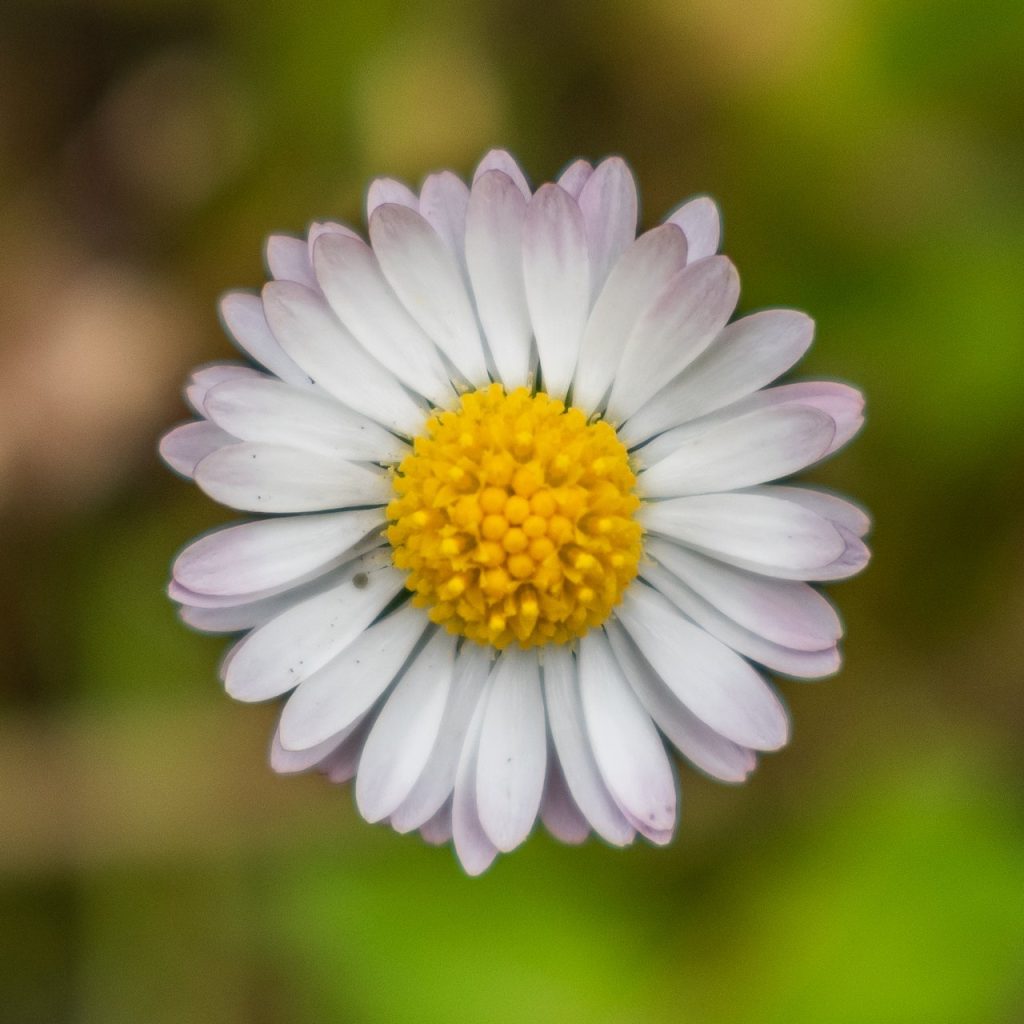
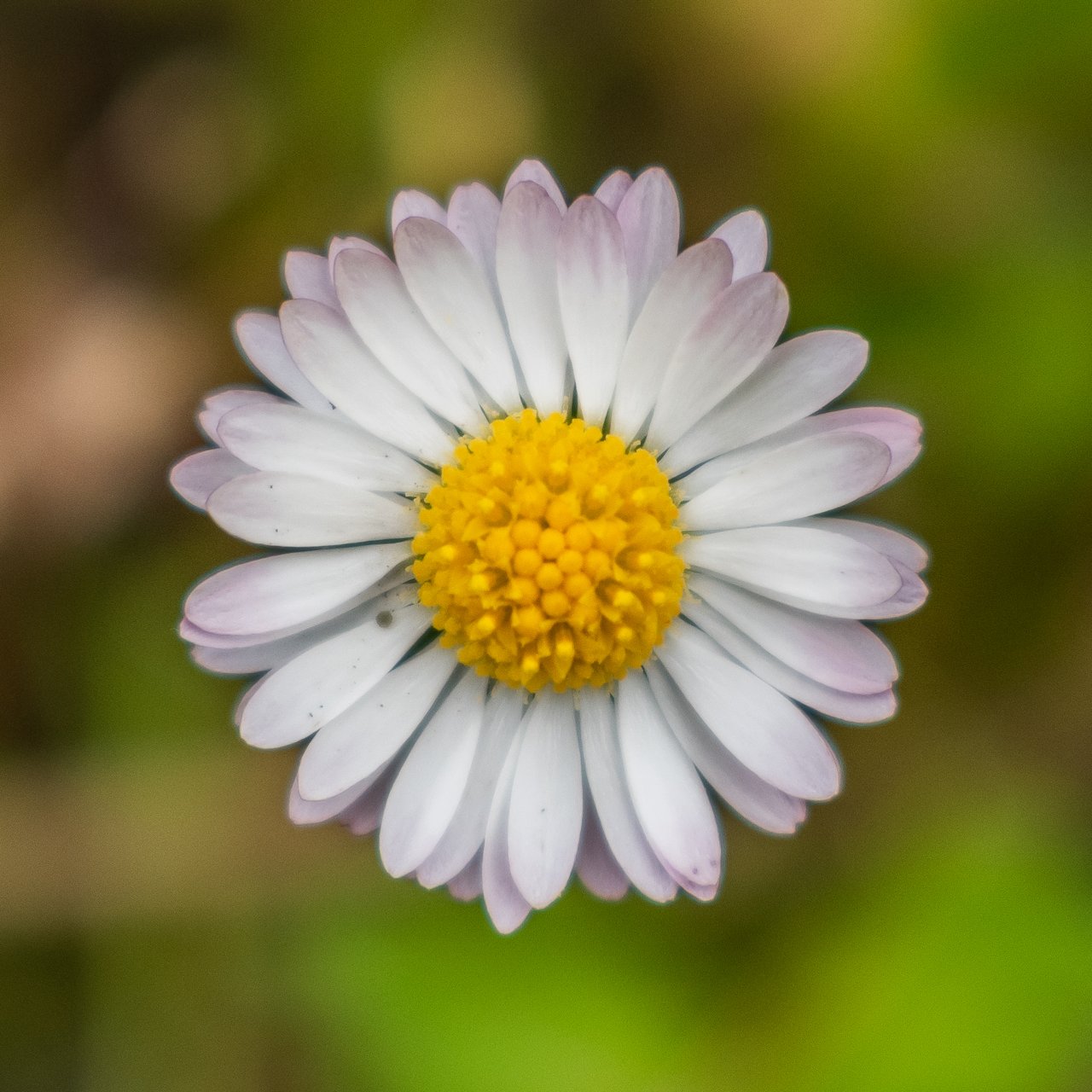

April’s birth flowers are the daisy and the sweet pea. The daisy is the simple white-and-yellow flower of lawns and meadows, and a symbol of innocence and true love. The sweet pea is a scented climber that, in the language of flowers, says “thank you for a lovely time”. They are very different, but they share a light, fresh, spring feeling that suits an April birthday.
Here is what each flower means, how to give them, how long they last, and what pet owners should know. For the rest of the year, see our birth flowers by month guide.
April birth flowers at a glance
- Daisy (usually Bellis perennis, the English daisy): innocence, purity and true love.
- Sweet pea (Lathyrus odoratus): goodbye, thank you, blissful pleasure and good wishes.
- UK and US lists agree: Interflora and The Old Farmer’s Almanac both list the daisy and sweet pea for April.
Daisy meaning
The word “daisy” comes from the Old English for “day’s eye”, because the English daisy opens its petals in the morning and closes them at night. The Almanac explains that each daisy is really two kinds of flower working together: the yellow center is made of tiny disc florets, and the white “petals” are ray florets. That partnership is one reason the daisy has long stood for true love.
The daisy belongs to the aster family, one of the largest plant families, which also includes sunflowers. In folklore, the Almanac notes that the daisy was the sacred flower of Freyja, the Norse goddess of love, beauty and fertility, which is why daisies became linked with motherhood and are a common gift for new mothers. The Latin name bellis is said to come from the nymph Belides, who, in a Roman myth, turned herself into a daisy. A daisy in a bouquet was also once read as a promise to keep a secret: “I’ll never tell”.
Daisy color meanings
- White: purity and innocence.
- Yellow: joy and friendship.
- Pink: affection.
- Red: love and romance.
Sweet pea meaning
Sweet peas are climbing annuals in the pea family, grown for their ruffled flowers and strong fragrance. In the language of flowers, a bunch of sweet peas is a way to say goodbye or thank you for a lovely time, and it can also mean blissful pleasure, kindness, gratitude and friendship. The Almanac notes that in France the sweet pea has long been a traditional gift for brides, for good luck in marriage.
Their history is well recorded. Sweet peas were found in southern Italy in the late 1600s by Francis Cupani, a Sicilian monk, who sent seeds to botanists in Amsterdam and England. In the 19th century, the Scottish nurseryman Henry Eckford bred the larger, more colorful hybrids that made sweet peas a favorite of British gardeners.
How to give April birth flowers
- A sweet pea bunch: a loose, mixed-color bunch of sweet peas in a jar is one of the loveliest scented gifts there is. Use it as a thank-you as much as a birthday present.
- Daisy-style bouquets: English daisies are too small to sell as cut flowers, so florists usually use larger daisy-like flowers such as gerberas. Interflora suggests a bouquet of colorful gerbera daisies for an April birthday.
- Pairings: daisies and sweet peas look lovely together in a cottage-garden mix, perhaps with a few sprigs of greenery. Our guide to the secret meaning of flowers can help if you want to add a third flower with a matching message.
- Potted vs cut: sweet peas are best cut, as the more you pick, the more they flower. Daisies make a cheerful potted plant or a packet of seeds for a child to grow.
Season and availability
Sweet peas flower from spring into early summer, depending on where they are grown, and they dislike heat. Cut sweet peas are seasonal and can be hard to find in April in cooler climates, so you may need to order ahead from a florist. Gerbera daisies are available from florists all year. English daisies flower in lawns from spring.
Care and vase life
Sweet peas are beautiful but short-lived. Kansas State University Extension’s vase-life table (shared by the University of California) puts sweet peas in the 2–7 day group. To make the most of them:
- Recut the stems and place them in cool, clean water as soon as possible.
- Keep them away from heat, direct sun and ripening fruit.
- Change the water every couple of days and remove faded flowers.
Gerbera daisies like shallow, clean water. For more general care tips, see our guide to keeping flowers fresh longer.
Are April birth flowers safe for pets?
- Daisy: the ASPCA lists “daisy” (under chrysanthemum species) as toxic to dogs and cats. The English daisy, Bellis perennis, is not on the ASPCA’s list. Because “daisy” is used for many plants, it is safest to keep all daisy-type flowers away from pets.
- Sweet pea: the ASPCA’s entry for sweet pea covers the perennial (everlasting) pea, Lathyrus latifolius, and lists it as non-toxic to dogs and cats but toxic to horses. The annual sweet pea, Lathyrus odoratus, is not listed separately, and The Old Farmer’s Almanac says sweet pea is considered toxic to humans and animals. Keep sweet peas, and especially their seeds, out of reach.
The ASPCA notes its list is not complete and that any plant can upset a pet’s stomach. If you are worried, contact your vet or the ASPCA Animal Poison Control Center on (888) 426-4435 (a fee may apply).
Gift ideas for April birthdays
- A jar of mixed sweet peas as a birthday thank-you.
- A bright gerbera bouquet for a cheerful, long-lasting daisy gift.
- Sweet pea seeds and a small trellis for a gardener.
- Daisy seeds or a daisy-chain kit for a child’s birthday.
Looking for more flowers to mix in? See our 85 types of flowers guide.
Keep exploring
All birth flowers by month · Previous: March birth flowers · Next: May birth flowers
Frequently asked questions
April has two birth flowers: the daisy and the sweet pea. Both the US list from The Old Farmer’s Almanac and the UK list from Interflora agree.
In the language of flowers, sweet peas say goodbye or thank you for a lovely time. They can also mean blissful pleasure, good wishes, kindness and gratitude.
English daisies are too small for most bouquets, so florists usually use gerbera daisies or other daisy-like flowers. White carries the traditional meaning of innocence; yellow means joy and friendship.
Not long. Kansas State University Extension places sweet peas in the 2–7 day vase-life group. Keep them cool and change the water often.