

January Birth Flowers: Carnation and Snowdrop
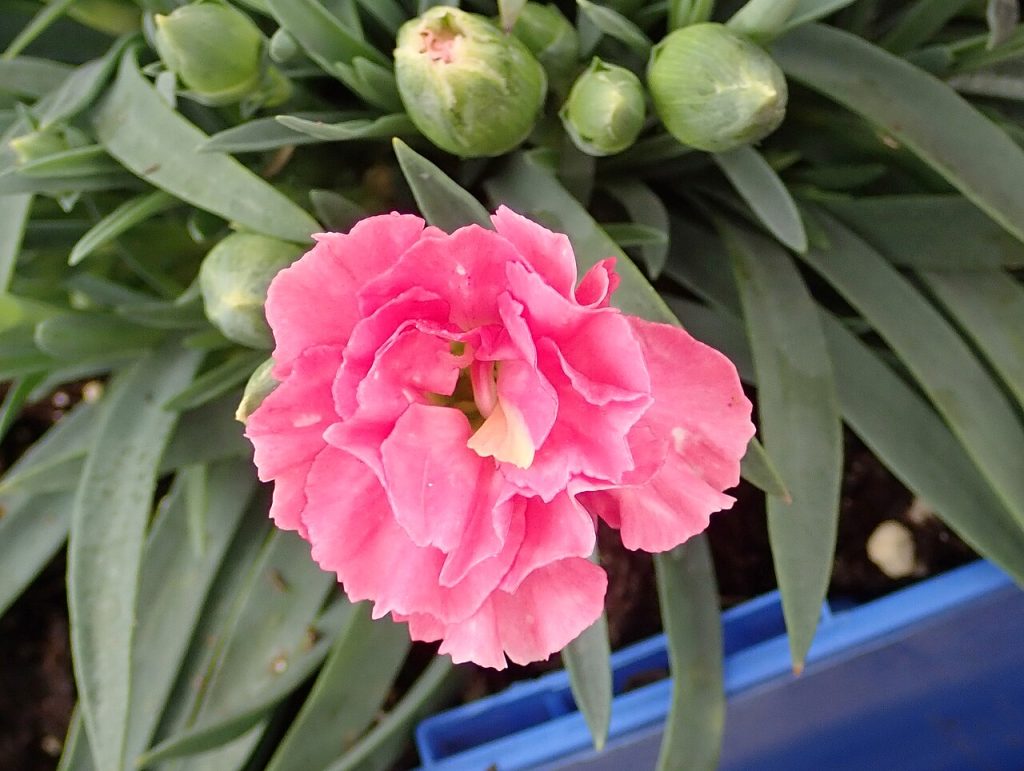
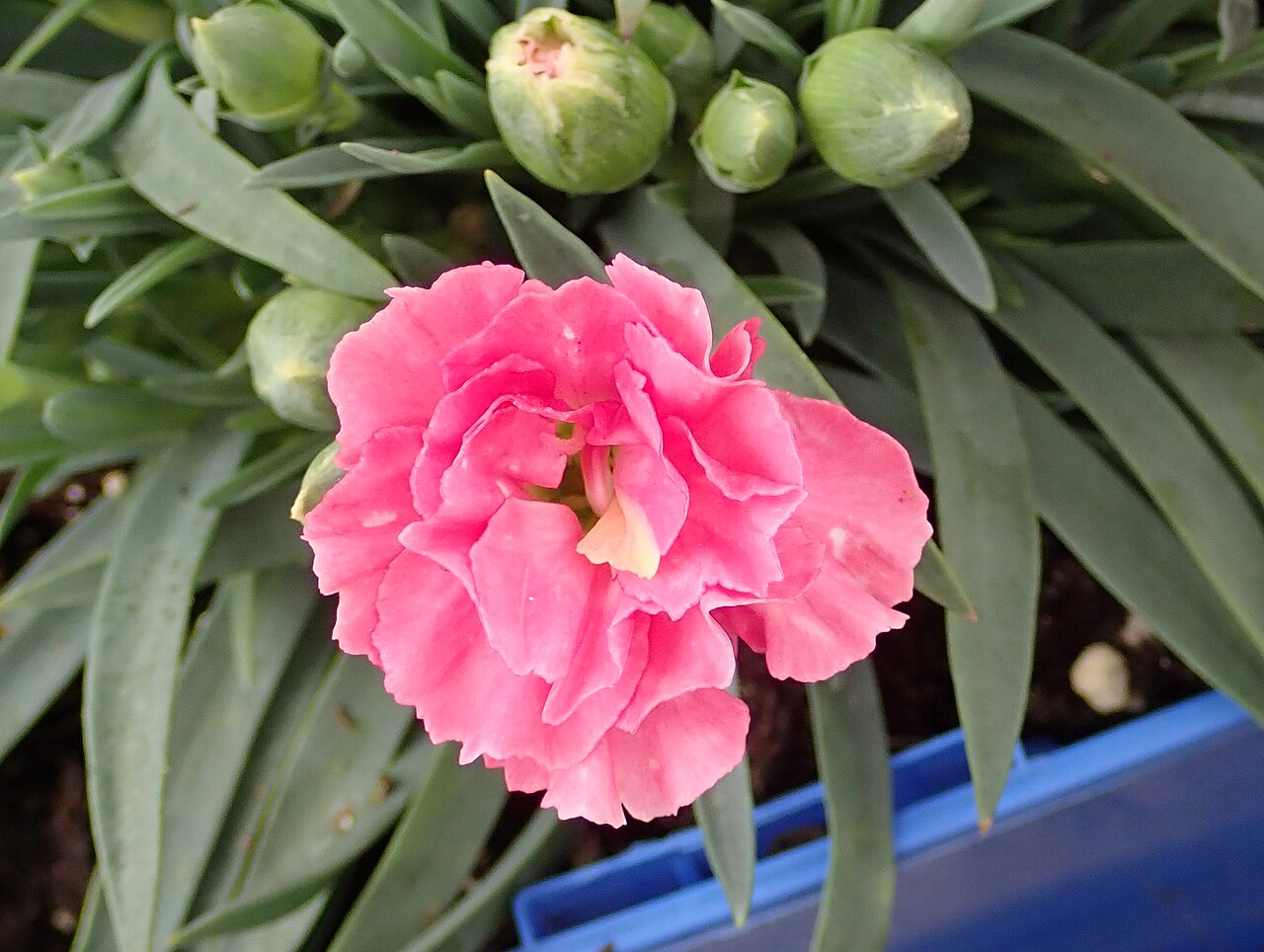

January has two birth flowers, and they suit the month well. The carnation is a florist’s flower that is easy to find in winter and lasts a long time in a vase. The snowdrop is a small wild-looking bulb that pushes through cold ground in late winter. One is a bouquet, the other is a sign that spring is on its way.
This guide covers what each flower means, what the different colors say, how to give them, how to look after them, and which ones are safe around pets. For the full list of months, see our birth flowers by month guide.
January birth flowers at a glance
- Carnation (Dianthus caryophyllus): admiration, love and a mother’s love, depending on color.
- Snowdrop (Galanthus): hope, sympathy and innocence.
- UK and US lists agree: both Interflora in the UK and The Old Farmer’s Almanac in the US give the carnation and snowdrop for January.
Carnation meaning
Carnations have been grown for centuries and are one of the most familiar cut flowers in the world. In the language of flowers, they stand for love and admiration in a general sense, but the color changes the message quite a lot. A Christian legend, retold by The Old Farmer’s Almanac and by Interflora, says the first pink carnations grew where Mary’s tears fell, which is why the flower became linked with a mother’s love.
The carnation also turns up in public life. It is the state flower of Ohio. In the Netherlands, white carnations are worn to remember veterans of the Second World War, and in Portugal the 1974 revolution that ended the dictatorship is known as the Carnation Revolution.
Carnation color meanings
The Old Farmer’s Almanac gives these traditional meanings:
- Light red: admiration.
- Dark red: deep love and affection.
- White: pure love, innocence and remembrance.
- Pink: a mother’s love and gratitude.
- Purple: capriciousness.
- Yellow: disappointment or rejection.
- Striped: regret, or a refusal.
In practice, most people today choose carnations for their color rather than these older meanings. If the message matters, pink, red and white are the safe choices, and you may want to leave out yellow and striped stems for a romantic gift.
Snowdrop meaning
The snowdrop’s botanical name, Galanthus, comes from the Greek gala (milk) and anthos (flower), a nod to its white petals. It is usually read as a symbol of hope, sympathy and innocence, which makes sense for a flower that appears when the garden is still mostly bare. The RHS describes snowdrops as a “welcome assurance” that brighter spring days are on their way.
The Almanac records a legend that an angel turned falling snowflakes into snowdrops to comfort Adam and Eve after they left Eden. It also notes an old superstition that bringing a single snowdrop bloom indoors was bad luck. Superstitions vary, so if you are giving snowdrops to someone traditional, a pot for the garden is a gentler choice than a single cut stem.
How to give January birth flowers
- A carnation bouquet: carnations look generous in a dense, single-color bunch. A mix of pink and white is classic for a mother, grandmother or close friend.
- Pairings: carnations sit well with eucalyptus, gypsophila or winter greenery. If you want a more seasonal look, add a few stems of white flowers to echo the snowdrop.
- Potted vs cut: carnations are best as cut flowers. Snowdrops are best as a living plant: a pot of snowdrops or a bag of bulbs to plant out gives the gift a life after the birthday.
- Keep it personal: a short card explaining that these are January’s birth flowers turns an ordinary bunch into a thoughtful present. Our guide to the secret meaning of flowers has more on what different blooms say.
Season and availability
Cut carnations are grown commercially all year, so they are easy to find in January at florists and supermarkets on both sides of the Atlantic. Snowdrops are a different story. They flower outdoors in late winter, and they are rarely sold as cut flowers. The RHS recommends planting snowdrops “in the green”, meaning just after flowering while the leaves are still green, because dry bulbs dry out quickly and establish less reliably. That makes a pot of flowering snowdrops a good January or February gift for a gardener.
Care and vase life
Carnations are among the longest-lasting cut flowers. University of Illinois Extension notes that carnations may last up to two weeks with good care. To get the most from them:
- Recut the stems before putting them in water, and strip any leaves that would sit below the waterline.
- Use a clean vase and fresh water with flower food, and change the water every two to three days.
- Keep the vase away from radiators, direct sun and fruit bowls.
For more detail, see our guide to keeping flowers fresh longer. Potted snowdrops prefer a cool spot. Keep them outdoors or in a cold porch, keep the compost moist, and plant them out in the garden once they finish flowering, in partial shade and soil that does not dry out in summer.
Are January birth flowers safe for pets?
- Carnation: the ASPCA lists carnation as toxic to dogs, cats and horses. Signs are usually mild stomach upset and mild skin irritation.
- Snowdrop: snowdrop is not on the ASPCA’s toxic and non-toxic plants list. The ASPCA says its list is not complete and that any plant can upset a pet’s stomach, so keep bulbs and flowers out of reach.
If you think your pet has eaten a plant, contact your vet or the ASPCA Animal Poison Control Center on (888) 426-4435 (a fee may apply).
Gift ideas for January birthdays
- A bunch of pink and white carnations with a handwritten card about their meaning.
- A pot of snowdrops, or snowdrops “in the green” for a keen gardener.
- A small winter arrangement of white carnations and evergreen foliage.
- Carnation or snowdrop seeds, prints or stationery for someone who prefers a gift that lasts.
Looking for something different? Our list of 85 types of flowers can help you find a companion bloom.
Keep exploring
All birth flowers by month · Previous: December birth flowers · Next: February birth flowers
Frequently asked questions
January has two birth flowers: the carnation and the snowdrop. Both the US list from The Old Farmer’s Almanac and the UK list from Interflora agree on these two.
Pink and red are the most popular. Traditionally, pink stands for a mother’s love and gratitude, light red for admiration and dark red for deep love. Yellow and striped carnations carry older meanings of disappointment and regret.
Rarely. Snowdrops are usually sold as potted plants or as bulbs “in the green” for planting, which the RHS recommends as one of the best ways to establish them.
The ASPCA lists carnations as toxic to dogs, cats and horses, usually causing mild stomach upset and mild skin irritation. Keep bouquets out of reach and contact your vet if your pet eats any.