

Flowers of Flowers: The Ultimate Guide to the Most Iconic Blooms on Earth
What Does “Flowers of Flowers” Mean?
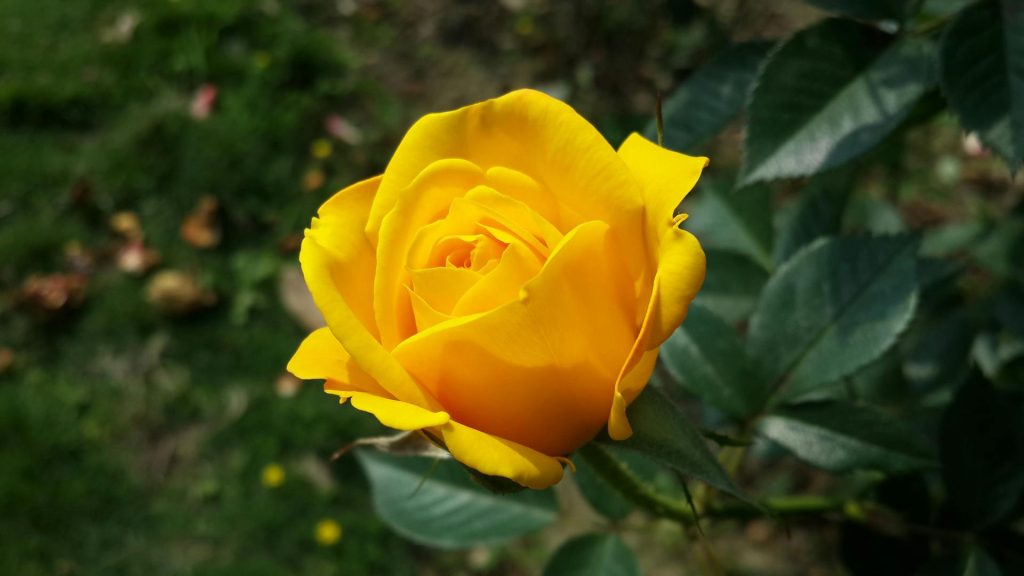
You might be wondering: What are the flowers of flowers? The phrase may sound poetic or puzzling, but it taps into a deep human instinct—to find the most special, most meaningful, and most beloved blooms in the floral world.
In this guide, we reveal the flowers that are often considered the icons among icons—the standout blooms that have earned legendary status in culture, beauty, symbolism, and popularity.
So, if you’re here searching for the best of the best, the flowers of flowers, you’ve landed in the right garden.
In fact, the term “flowers of flowers” has grown in popularity as people search for the ultimate list of blooms that define elegance, history, and meaning. Whether it’s for creating the perfect bouquet or simply learning more about floral symbolism, this guide provides everything you need to understand the most revered flowers in the world.
1. Rose – The Queen of Flowers
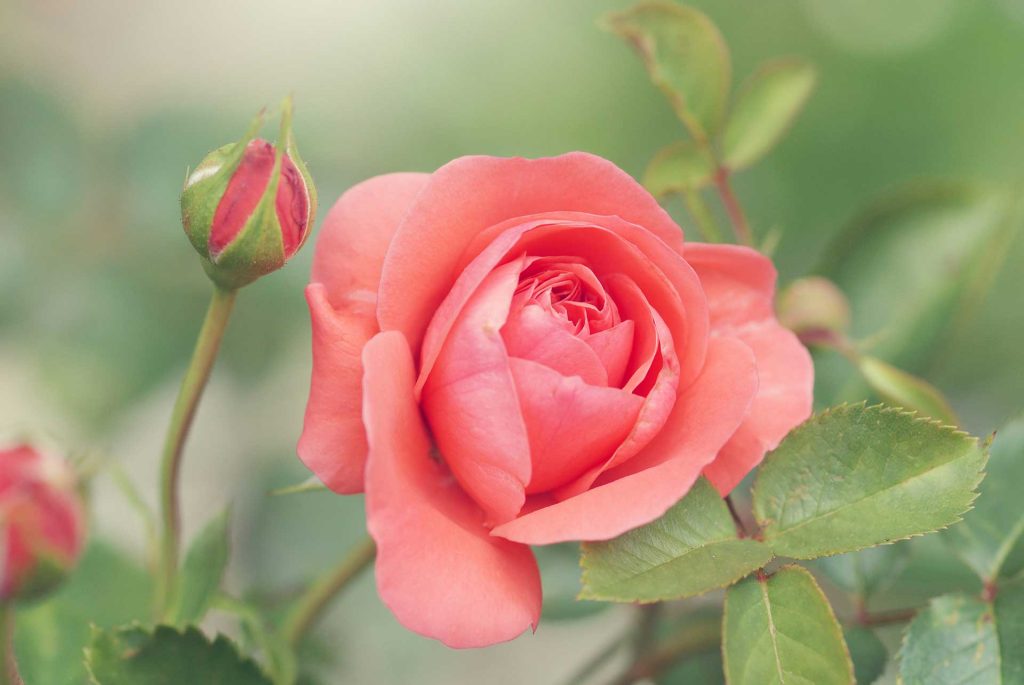
No list of iconic blooms is complete without the rose. Known as the “queen of flowers,” the rose symbolizes love, beauty, and timeless romance.
- Colors: Red, white, pink, yellow, lavender
- Meaning: Love, purity, gratitude, friendship, enchantment
- Fun Fact: There are over 150 species and thousands of hybrids.
The rose’s widespread popularity in literature, religion, and pop culture makes it the go-to flower for expressing deep emotions. From Valentine’s Day bouquets to ancient myths, the rose reigns supreme.
It’s also a botanical marvel. Roses can grow in bush, climbing, and groundcover forms. Their scent ranges from sweet to citrusy to spicy, and each color variation holds different meaning. Red roses are for love, white for peace, yellow for friendship, and so on. In this way, the rose truly is a floral language in itself.
2. Sunflower – The Happy Giant
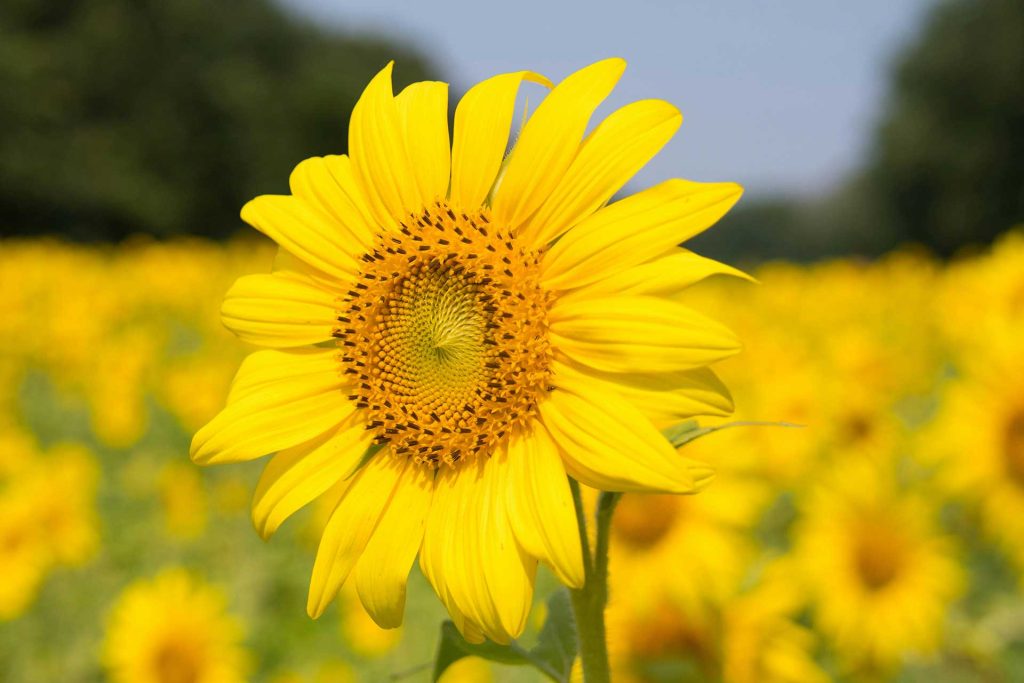
Sunflowers are tall, bright, and unmistakably cheerful. They symbolize optimism, loyalty, and a sunny disposition.
- Symbolism: Adoration, loyalty, happiness
- Fun Fact: Each sunflower is actually composed of hundreds of tiny flowers—called florets—within its central disk.
Sunflowers are heliotropic, meaning they literally follow the sun’s path across the sky. In doing so, they have come to symbolize unwavering faith and positivity.
In agriculture, sunflowers are valued not only for their aesthetics but for their seeds and oil. Their practical uses paired with symbolic warmth make them a staple in both gardens and gift bouquets.
3. Cherry Blossom – The Fleeting Beauty
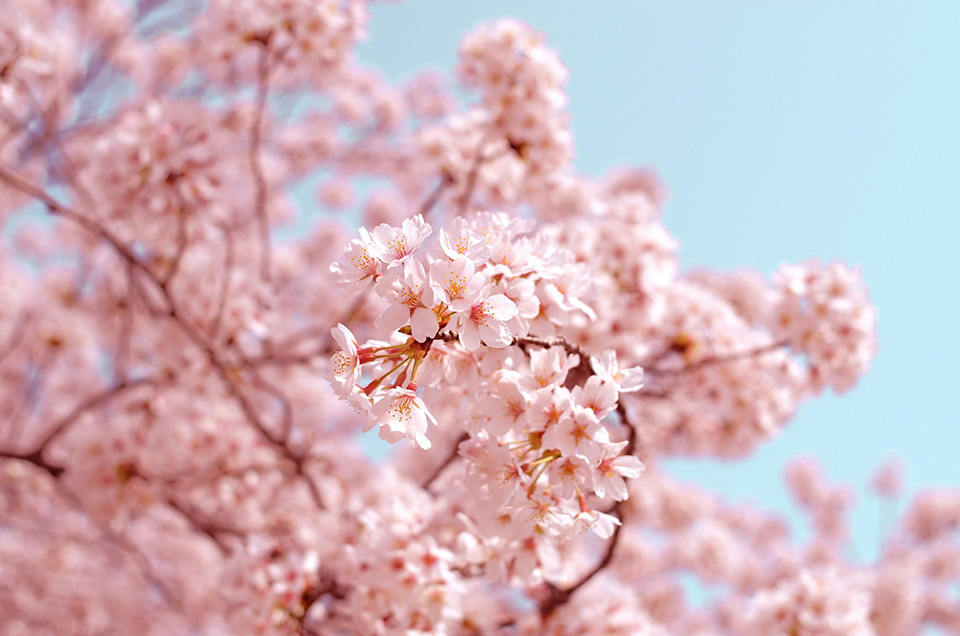
Sakura, or cherry blossoms, bloom for just a short time each year—reminding us that life is beautiful and brief.
- Symbolism: Transience, new beginnings
- Peak Bloom: Japan, South Korea, Washington D.C. in spring
In Japanese culture, cherry blossoms represent the ephemeral nature of life. They bloom in a magnificent burst and fade just as quickly, leaving behind a powerful metaphor for mortality and renewal.
These trees turn parks and cities into pink-cloud dreamscapes during springtime. Festivals around the world celebrate their brief blooming period, and people gather to appreciate them in a practice called “hanami.”
If you’re curating a list of flowers of flowers that reflect nature’s transient beauty, the cherry blossom is a must-have.
4. Hibiscus – The Exotic Muse
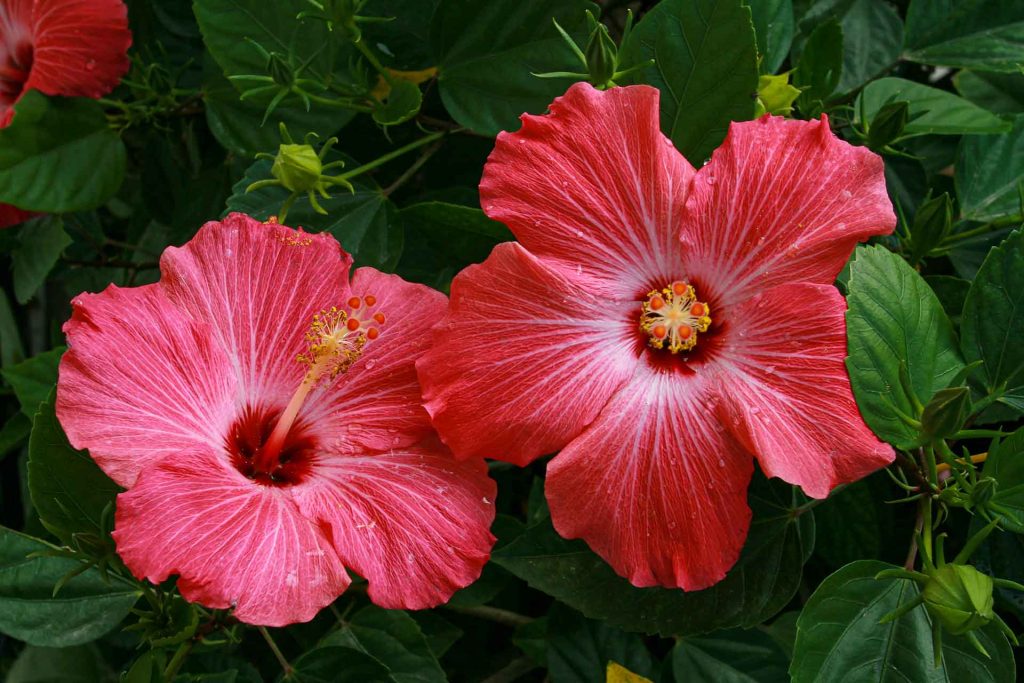
With its bold petals and tropical allure, the hibiscus is a flower of passion, power, and femininity.
- Colors: Red, yellow, pink, orange
- Used in: Teas, beauty products, cultural festivals
Hibiscus flowers are often used to make herbal tea with calming effects. In Hawaii, they are worn as symbols of respect and hospitality.
Its petals are large and striking, making it a favorite in tropical landscapes and island fashion. Many species bloom daily, each flower lasting only a day—a reminder to cherish the present.
Adding hibiscus to your list of flowers of flowers is a celebration of exotic beauty and natural strength.
5. Lotus – The Spiritual Bloom
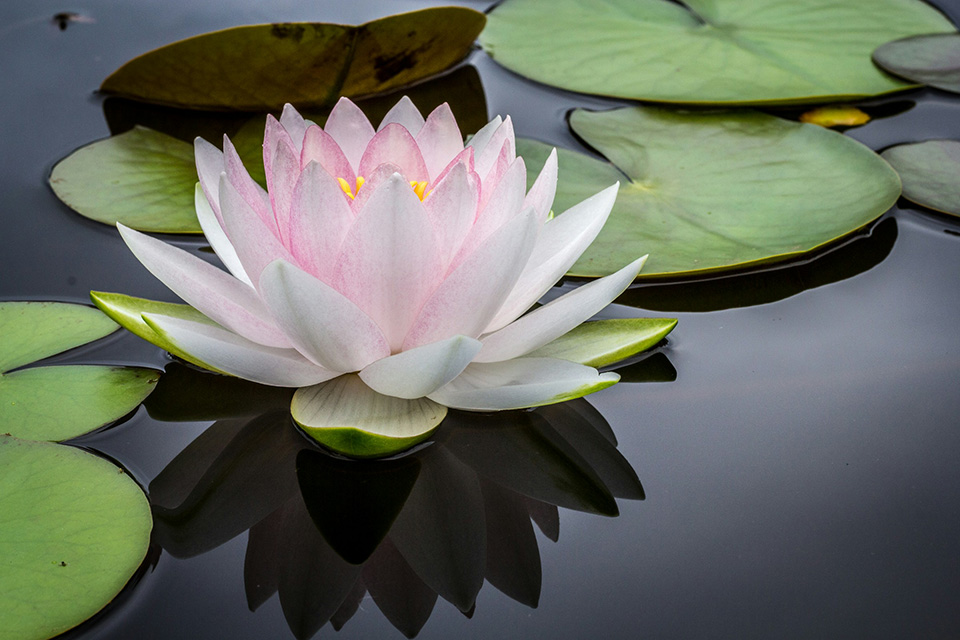
The lotus grows in muddy waters yet emerges clean and beautiful, symbolizing rebirth, enlightenment, and purity.
- Found in: Hinduism, Buddhism, Egyptian mythology
- Used in: Art, meditation, spiritual rituals
Its ability to rise above murky water makes the lotus a universal symbol of resilience and spiritual growth. It’s not just a flower; it’s a lesson in transformation.
In yoga and meditation, the lotus position and the symbolism of the flower represent spiritual awakening and focus. It’s revered not just for its beauty, but for the philosophical depth it carries.
When compiling the definitive “flowers of flowers,” few have as much sacred symbolism as the lotus.
6. Tulip – The Classic of Spring
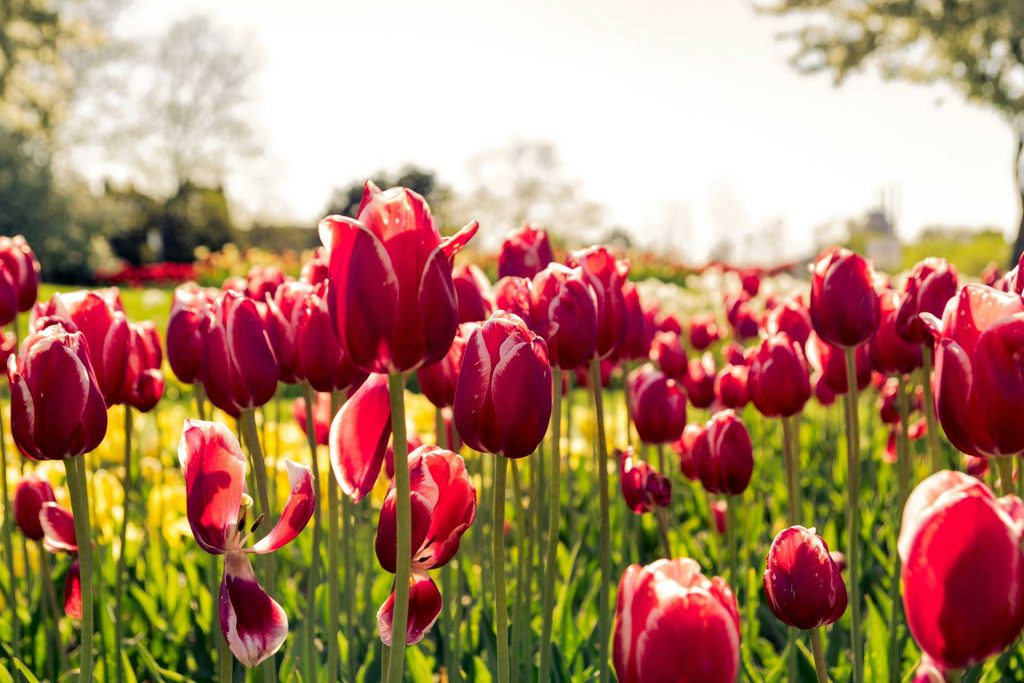
Sleek, simple, and sophisticated, tulips represent elegance and love.
- Symbolism: Perfect love, royalty, prosperity
- Most famous for: Dutch tulip fields and tulip festivals
During the 17th-century “Tulip Mania” in the Netherlands, tulip bulbs were so valuable they were traded like gold. Today, they remain symbols of spring renewal and abundance.
With over 3,000 varieties across dozens of species, tulips come in nearly every color imaginable. Their versatility makes them a top choice for florists and landscape designers alike.
Tulips belong in any modern definition of flowers of flowers for their cultural history and unmatched popularity.
7. Daisy – The Flower of Innocence
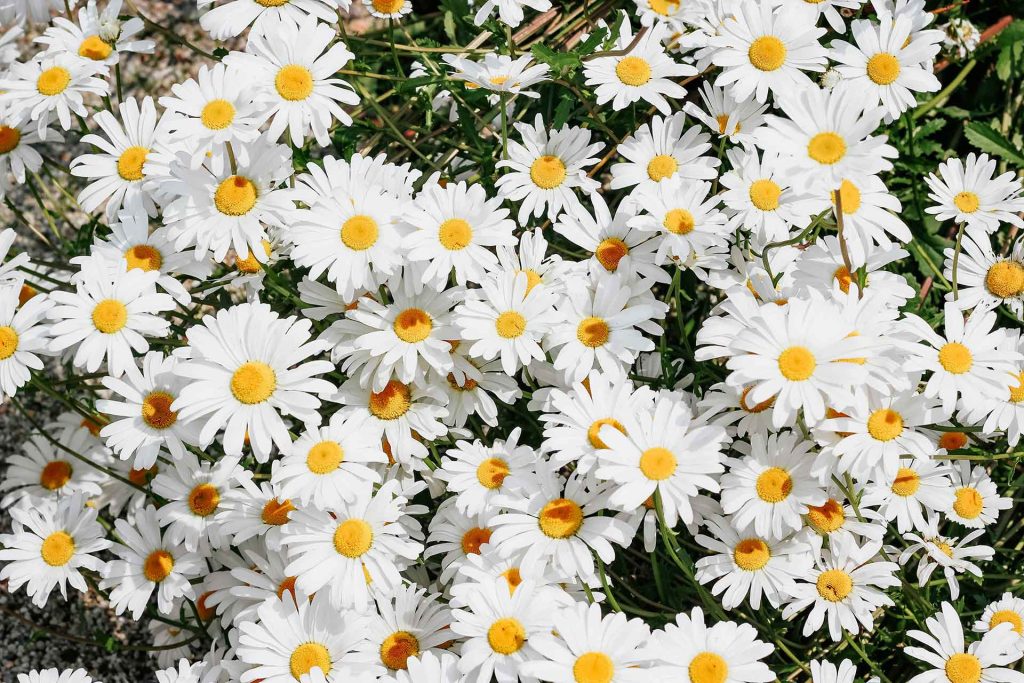
The daisy is humble yet timeless. It evokes feelings of innocence, freshness, and childhood memories.
- Meaning: Purity, new beginnings, cheerfulness
- Interesting Fact: Each daisy is a composite of two flowers—disc and ray florets.
In folklore, daisies are said to bloom where infants died, linking them to purity and innocence. They are simple, yet emotionally powerful.
The daisy is also a symbol of motherhood and childbirth, often associated with new life and transformation. It thrives in wild meadows and cottage gardens, bringing a rustic charm wherever it blooms.
This quiet elegance makes it a fitting addition to the concept of flowers of flowers.
8. Lavender – The Soothing Scent
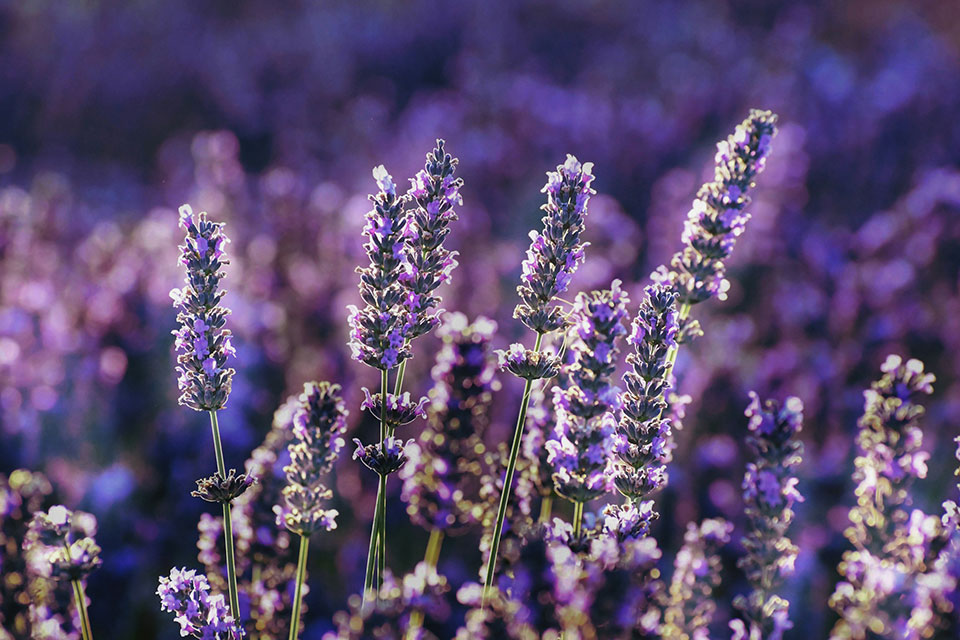
Lavender stands out not just for its beauty but for its fragrance and healing properties.
- Uses: Aromatherapy, essential oils, sleep aids
- Symbolism: Calm, serenity, grace, devotion
This purple flower has been used for centuries to calm the nervous system. It’s as therapeutic as it is visually pleasing, earning it a spot on this list.
Lavender fields are not only picturesque but also centers for eco-tourism and wellness retreats. The plant attracts bees and butterflies, making it a perfect addition to pollinator-friendly gardens.
In any list of flowers of flowers, lavender shines as a symbol of healing and tranquility.
9. Orchid – The Symbol of Rare Beauty
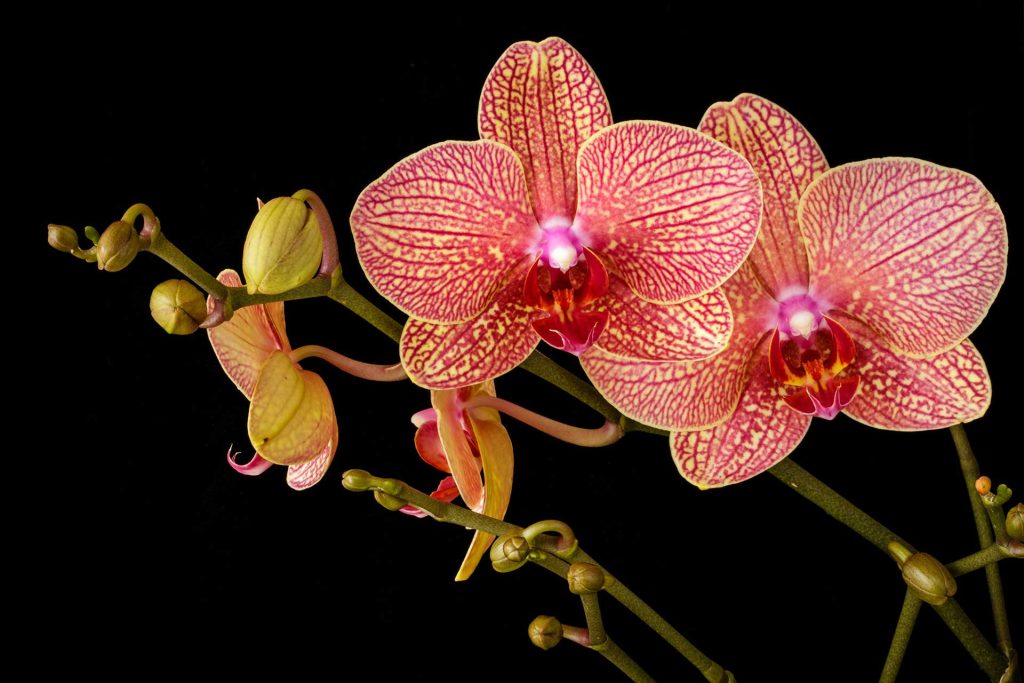
With their exotic shapes and wide variety of colors, orchids symbolize beauty, strength, and luxury.
- Varieties: Over 25,000 species and 100,000 hybrids
- Meaning: Love, refinement, thoughtfulness
Orchids are notoriously difficult to grow, which makes them a symbol of rare and delicate beauty. In ancient Greece, they were associated with virility and fertility.
Today, orchids are popular in interior design and high-end floristry. Their long-lasting blooms and unique appearance make them a symbol of modern elegance.
Their refinement easily qualifies them as flowers of flowers in any aesthetic context.
10. Lily – The Graceful Purity
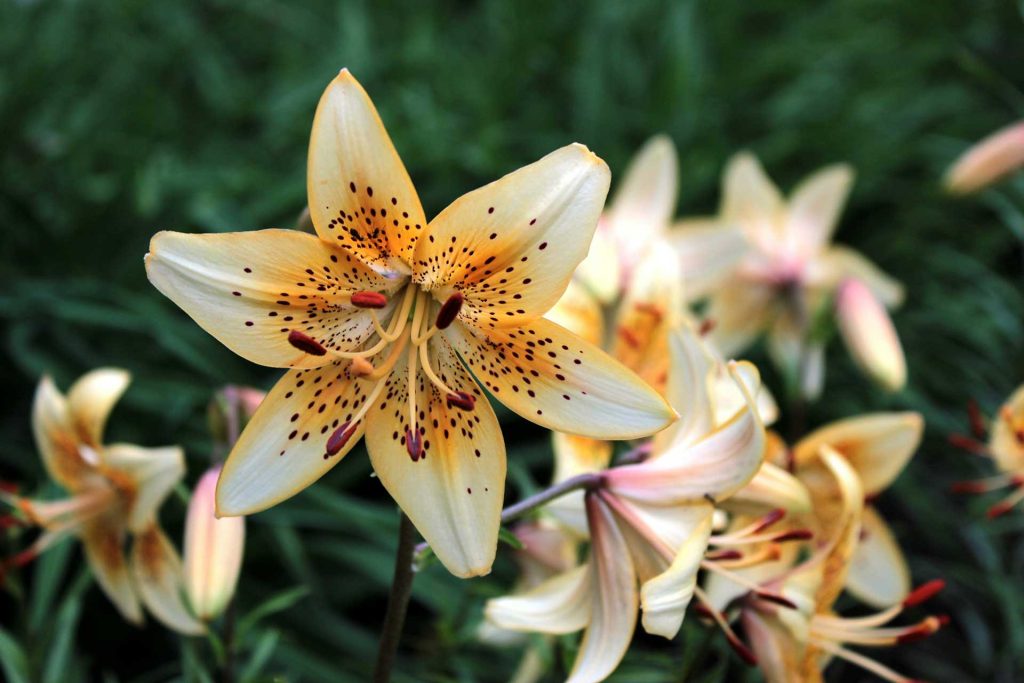
Lilies are associated with motherhood, rebirth, and devotion.
- Colors: White, orange, pink, yellow
- Symbolism: Purity, renewal, transition
Used frequently in religious and funeral ceremonies, lilies evoke a calm dignity and deep spiritual significance.
In Christianity, white lilies are linked to the Virgin Mary and the resurrection of Christ. The scent of lilies fills the room and the soul, creating a peaceful atmosphere in moments of reflection.
The lily’s spiritual and cultural depth places it firmly among the most essential flowers of flowers.
Why These Are the “Flowers of Flowers”
When people ask about the “flowers of flowers,” they’re searching for more than just pretty petals. They’re looking for flowers that:
- Transcend cultural boundaries
- Hold deep symbolic meanings
- Are instantly recognizable and emotionally evocative
Each bloom on this list holds a place in global tradition, history, and the collective human heart. These are the MVPs of the flower kingdom.
Some represent love, others healing. Some stand for beginnings, others for endings. But all are celebrated across cultures and times. They appear in poetry, medicine, folklore, fashion, food, art, and architecture.
What binds them together is their ability to express what words cannot. That is the essence of flowers of flowers—they are nature’s ultimate communicators.
Honorable Mentions: More Flower Icons Worth Knowing
Here are more blooms often considered floral royalty:
| Flower | Meaning | Region |
| Peony | Romance, prosperity | China |
| Marigold | Passion, remembrance | Mexico, India |
| Camellia | Admiration, perfection | Japan, China |
| Poppy | Peace, remembrance | Europe, USA |
| Dahlia | Elegance, creativity | Central America |
| Iris | Wisdom, valor | France, Greece |
| Gardenia | Secret love, sweetness | Southern Asia |
| Freesia | Friendship, trust | South Africa |
| Anemone | Protection, anticipation | Mediterranean |
| Zinnia | Endurance, daily remembrance | Mexico |
| Snapdragon | Grace and strength | Mediterranean |
Each of these has its own moment in the spotlight, and depending on culture or occasion, could easily be your personal “flower of flowers.”
How to Choose Your Own “Flower of Flowers”
Choosing the right flower for a bouquet, gift, or personal expression is about more than color or fragrance. Think about:
- Symbolism: What message do you want to convey?
- Seasonality: What’s in bloom right now?
- Occasion: Is this for a birthday, memorial, wedding, or personal ritual?
- Cultural Significance: Does the flower hold meaning in your heritage?
- Personal Connection: Which bloom brings you joy or memories?
Want help? Check out our Flower Symbolism Guide for more insights.
Also consider mixing different types in your floral designs. A bouquet of tulips and orchids can symbolize love and strength. Lavender with daisies can bring peace and cheer. Use this symbolic diversity to tell your story.
There is no wrong answer when choosing your flowers of flowers—only what feels right to you.
Final Thoughts: Flowers of Flowers Are Timeless
The phrase “flowers of flowers” may be quirky, but it resonates deeply. It calls attention to the blooms that transcend trends and generations—flowers that have carved out a permanent place in our collective soul.
These blooms aren’t just decoration. They are:
- Expressions of emotion
- Tools for storytelling
- Carriers of history and culture
- Bridges between people and the natural world
They decorate our happiest moments and offer solace in our darkest. They celebrate love, express apology, mark beginnings, and comfort endings.
So whether you’re planting a garden, sending a bouquet, or just learning more about the world’s most iconic flowers, let this guide be your first stop in discovering the flowers of flowers.
Ready to Explore More?
FAQ – “Flowers of Flowers” Meaning
Q: What does “flowers of flowers” mean?
A: It refers to the most iconic, meaningful, and globally recognized flowers—the top tier of blooms in terms of beauty, symbolism, and popularity.
Q: Is this a real phrase or a typo?
A: It’s not standard English, but it’s a poetic or informal phrase used to seek the “best of the best” in the flower world.
Q: Which flower is the most famous in the world?
A: The rose is often considered the most iconic flower globally due to its symbolism and ubiquity.
Q: Can I use these flowers in my garden or bouquets?
A: Absolutely. Most of these flowers are available through local florists or garden centers. Consider the climate, soil, and sunlight they need to thrive.
Q: Why is the phrase ‘flowers of flowers’ gaining popularity?
A: As more people look for curated lists of iconic blooms, the phrase has organically emerged as a way to describe the top-tier flowers that embody timeless beauty and meaning.