

February Birth Flowers: Violet and Primrose
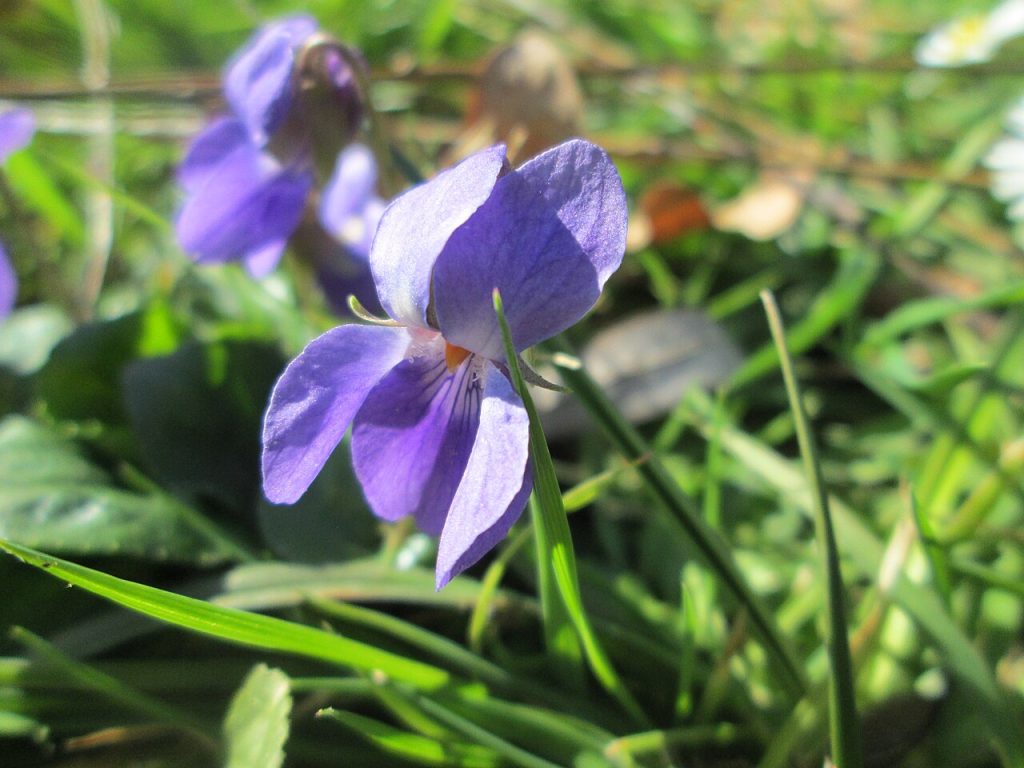
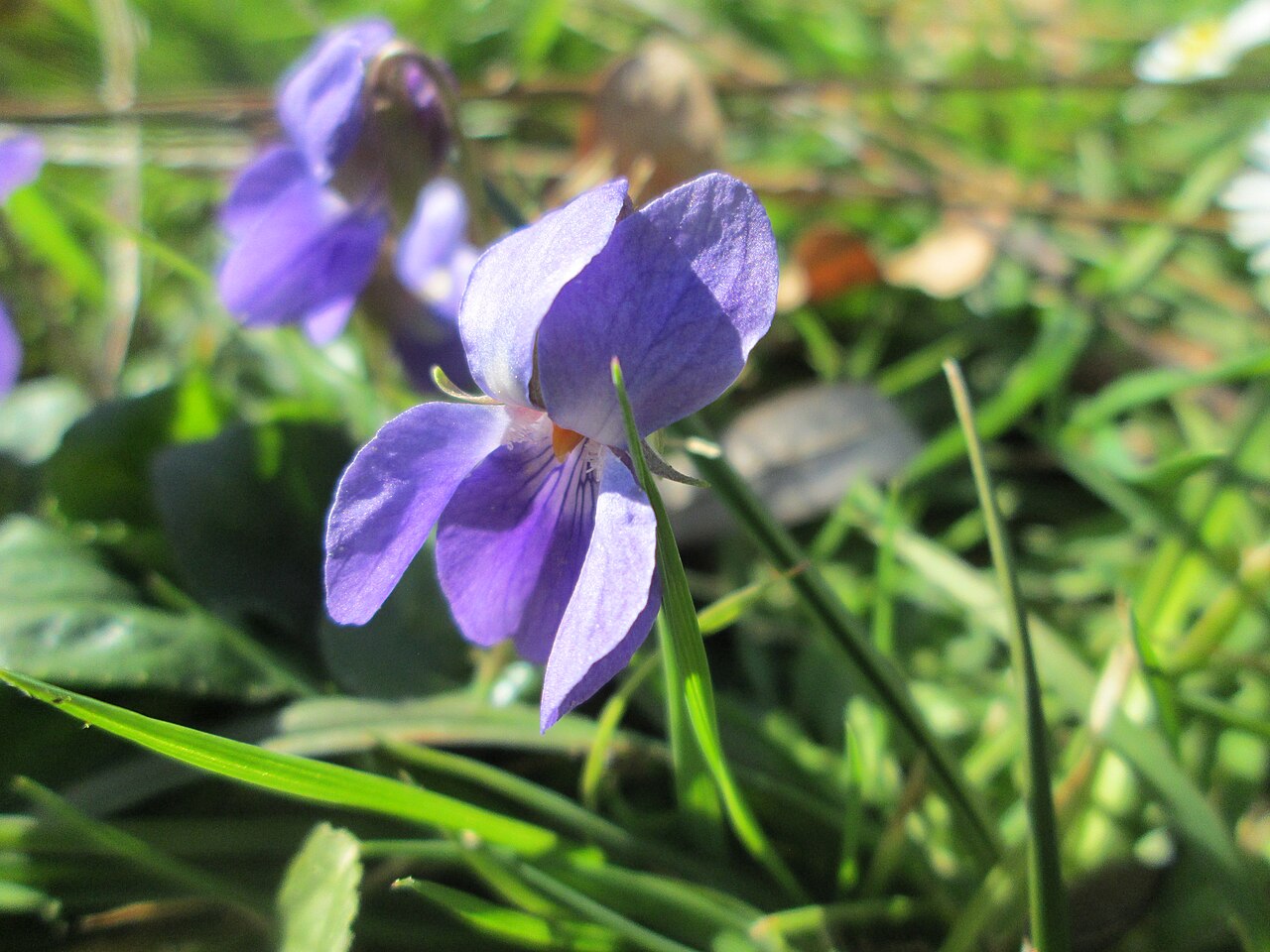

With Valentine’s Day in the middle of the month, many people expect February’s birth flower to be the rose. It isn’t. February belongs to two small, early woodland plants: the violet and the primrose. Neither is a showy florist’s flower, but both carry some of the oldest and gentlest meanings in the language of flowers.
Below you will find what each flower means, how the UK list differs, how to give them, how to look after them and what pet owners should know. For every month in one place, see our birth flowers by month guide.
February birth flowers at a glance
- Violet (Viola): modesty, faithfulness and everlasting love.
- Primrose (Primula): young love and “I can’t live without you”.
- UK difference: Interflora lists the violet with the iris for February, rather than the primrose. The Old Farmer’s Almanac in the US gives the violet and primrose.
Violet meaning
Violets belong to the genus Viola, which The Old Farmer’s Almanac says contains more than 400 species. They have heart-shaped leaves and flowers in purple, blue, yellow, white and cream, sometimes in two colors at once. Their traditional meanings are modesty, faithfulness, everlasting love, innocence and remembrance.
In Victorian times, according to the Almanac, a gift of violets was a promise to be always true. The flower also has a long link with Christian art, where violets appear as a symbol of the Virgin Mary’s humility. The ancient Greeks considered violets a symbol of love and fertility, and in the US the violet is the state flower of Illinois, New Jersey, Rhode Island and Wisconsin.
Violet color meanings
- Purple: truth and loyalty.
- Blue: faithfulness and devotion.
- White: innocence and purity.
- Yellow: high worth.
One note on names: the African violet sold as a houseplant is a different plant (Saintpaulia), not a true violet. It is still a popular February gift, but it does not carry the same traditional symbolism.
Primrose meaning
The name primrose comes from the Latin primus, meaning “first”, because it is one of the first flowers of spring. Despite the name, it is not a rose. In the Victorian language of flowers, primroses meant young love and the message “I can’t live without you”.
The primrose collects plenty of folklore. The Almanac records a belief, attributed to the ancient Celts, that large patches of primroses were a gateway to the fairy realm. In England, 19 April is Primrose Day, which honors former Prime Minister Benjamin Disraeli. Shakespeare used the flower too: in Hamlet he wrote of “the primrose path of dalliance”, meaning an easy road that leads to trouble.
The iris: February’s UK alternative
If you are buying for someone in the UK, you may see the iris listed alongside the violet. Interflora’s guide pairs the two for February. Irises are easy to find from florists and make a taller, more structured bouquet than violets, so they are a practical choice when you want a cut-flower gift.
How to give February birth flowers
- Potted rather than cut: violets and primroses are small plants with short stems. They make better gifts in a pot than in a vase. A pot of primroses on a windowsill brings color in late winter and can be planted outside later.
- A small posy: if you want cut flowers, a tiny posy of violets in a small glass or egg cup is a charming, short-lived gift.
- Pairings: for a larger bouquet, use irises (the UK choice) or purple and blue flowers that echo the violet. Our guide to the secret meaning of flowers can help you add blooms with matching meanings.
- For Valentine’s Day: a pot of violets says “always true” without the expense of a dozen red roses.
Season and availability
Both plants flower outdoors from late winter into spring. The Almanac notes that violets are among the earliest spring bloomers and that primroses can flower in winter. Potted primroses are widely sold at garden centers and supermarkets in the UK in late winter and early spring. Potted violets are harder to find, but specialist nurseries sell them, and many gardens already have wild violets. Irises are available as cut flowers from florists through much of the year.
Care tips
- Primroses: the Almanac advises a cool spot out of hot afternoon sun, with moist but fast-draining soil. Do not bury the crown when planting out, or it may rot. Indoors, keep them somewhere cool and bright and water evenly.
- Violets: give them consistent moisture and partial shade. They tolerate cold well but not drought or heat.
- Cut violets and irises: use a clean vase, recut the stems and change the water every two to three days. Our guide to keeping flowers fresh has more tips.
Are February birth flowers safe for pets?
- Primrose: the ASPCA lists primrose (Primula vulgaris) as toxic to dogs, cats and horses. The usual sign is mild vomiting.
- Violet: true violets are not on the ASPCA’s toxic and non-toxic plants list. The ASPCA notes its list is not complete and that any plant can cause stomach upset if eaten.
- Iris: the ASPCA lists iris as toxic to pets, so keep a UK-style iris bouquet out of reach.
If you think your pet has eaten a plant, contact your vet or the ASPCA Animal Poison Control Center on (888) 426-4435 (a fee may apply).
Gift ideas for February birthdays
- A pot of primroses or violets with a card explaining their meaning.
- A bouquet of irises and purple flowers for a UK birthday.
- Violet or primrose seeds for a gardener, ready to sow in spring.
- Pressed-violet stationery or prints, a gift that lasts beyond the flowers.
Want more ideas? Browse our guide to 85 types of flowers.
Keep exploring
All birth flowers by month · Previous: January birth flowers · Next: March birth flowers
Frequently asked questions
February’s birth flowers are the violet and the primrose on the US list from The Old Farmer’s Almanac. UK lists such as Interflora’s pair the violet with the iris instead.
Roses are June’s birth flower. The Old Farmer’s Almanac points out that few flowers bloom in February, and violets and primroses are among the small woodland plants that do.
Violets traditionally stand for modesty, faithfulness and everlasting love. In Victorian times, a gift of violets was a promise to be always true.
The ASPCA lists primrose as toxic to dogs, cats and horses, usually causing mild vomiting. Keep potted primroses out of reach and call your vet if your pet eats any.