

March Birth Flowers: Daffodil and Jonquil
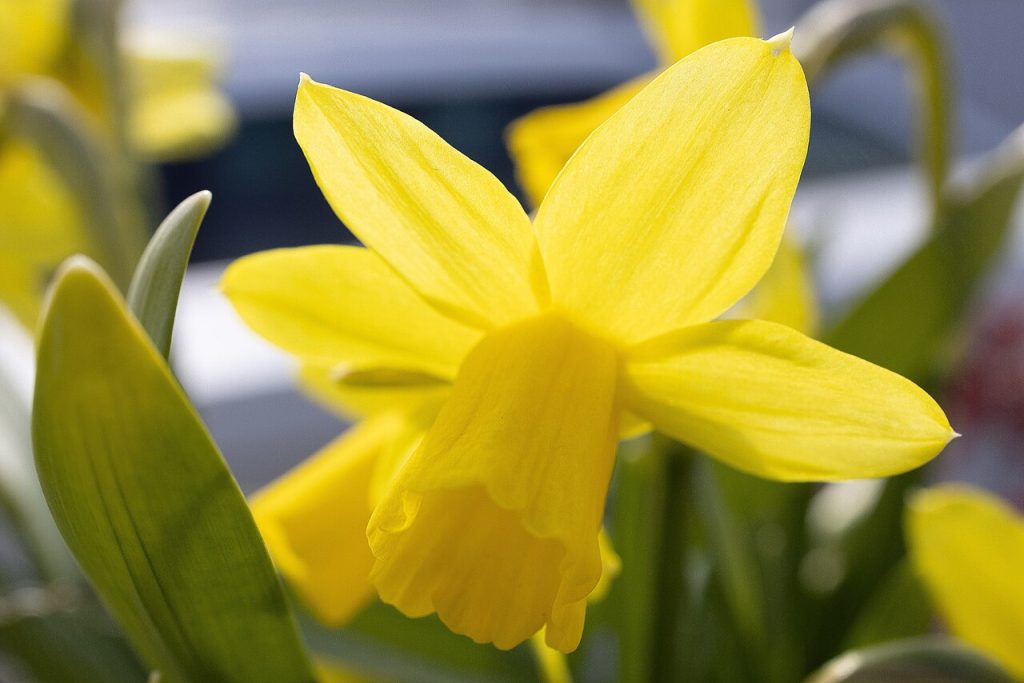
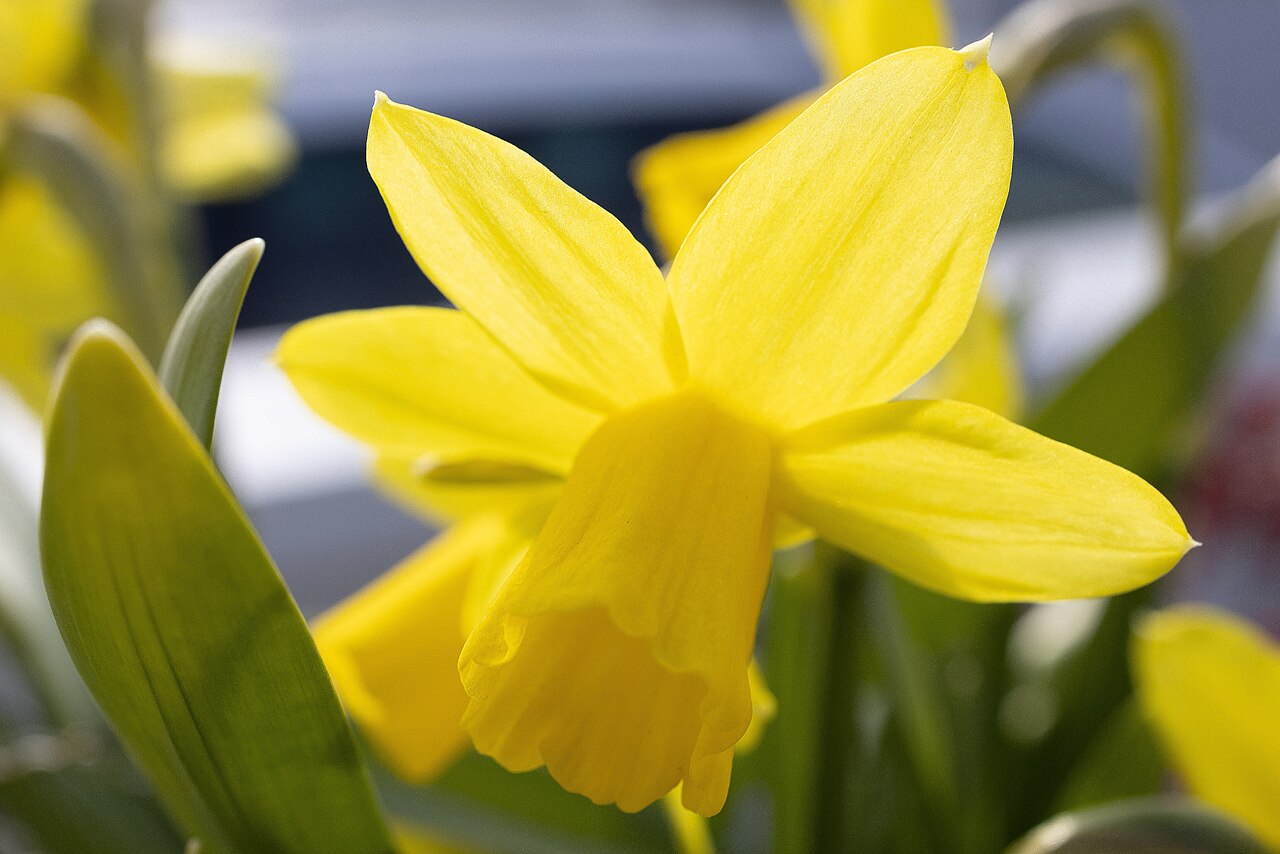

March’s birth flowers are the daffodil and the jonquil. They are close relatives: both belong to the genus Narcissus, and The Old Farmer’s Almanac describes the jonquil as a type of daffodil. Together they are the flowers most people picture when they think of early spring, and they carry meanings of rebirth, new beginnings and good fortune.
This guide covers what they mean, a little sourced folklore, how to give them, how to keep them in a vase without harming other flowers, and pet safety. For all twelve months, see our birth flowers by month guide.
March birth flowers at a glance
- Daffodil (Narcissus): rebirth, new beginnings and good fortune.
- Jonquil (Narcissus jonquilla and its hybrids): a daffodil with several smaller, often scented, flowers on each stem.
- UK and US lists agree: both Interflora and The Old Farmer’s Almanac list the daffodil for March, and Interflora’s month guide also names the jonquil.
Daffodil meaning
Daffodils are usually yellow, white or a mix of the two, with six petal-like tepals around a central trumpet or cup. The RHS says they mainly come from southern Europe and North Africa, and that Britain has its own native wild daffodil, Narcissus pseudonarcissus.
Their meanings are cheerful: rebirth, new beginnings, hope and prosperity. Interflora notes that in many cultures daffodils stand for good fortune. The botanical name is linked to the Greek myth of Narcissus, who fell in love with his own reflection; in the legend the Almanac retells, the flower bloomed where he died. Because daffodils are among the first flowers of spring, they are also closely associated with Easter.
Daffodil folklore
- Bunches, not single stems: the Almanac records a belief that a bunch of daffodils brings good luck, while a single bloom brings misfortune. That alone is a good reason to give them in generous bunches.
- Wales: the daffodil is the national flower of Wales and is worn on St David’s Day, 1 March. The Almanac also records a Welsh legend that whoever sees the first daffodil of the season will be blessed with wealth in the coming year.
- Anniversaries: the daffodil is the traditional flower for a 10th wedding anniversary.
Jonquil meaning
Jonquils share the daffodil’s symbolism of spring, renewal and good luck. The Almanac explains that jonquils, sometimes called rush daffodils, are part of the Narcissus genus, so “all jonquils are daffodils, but not all daffodils are jonquils”. Where a classic daffodil has one large flower per stem, jonquils carry several smaller blooms, and many are sweetly scented. In everyday speech, especially in parts of the US, “jonquil” is sometimes used for any daffodil, so do not be surprised if a florist uses the names loosely.
How to give March birth flowers
- A bunch of daffodils: a big bunch of yellow daffodils is one of the simplest and most cheerful gifts of the year. Tie them with a ribbon and add a card explaining the meaning.
- Potted bulbs: a pot of daffodils or jonquils in bud lasts longer indoors than cut flowers, and the bulbs can be planted in the garden afterwards. The RHS notes that daffodils are sold as potted plants in spring, ready to flower.
- Bulbs for later: dry bulbs are sold in late summer for planting in September (RHS), which makes a bag of bulbs a good gift for a March birthday that you plan ahead for.
- Pairings: see the care section before mixing daffodils with other flowers. Tulips, irises and spring greenery work well once the daffodils have been conditioned.
Season and availability
Outdoors, daffodils flower in spring. Cut daffodils are widely sold from late winter into spring, and they are usually inexpensive. The RHS also notes that forced daffodil bulbs are sold around Christmas for winter flowers indoors. Jonquils are less common at florists but are often available as potted plants or bulbs.
Care and vase life
Daffodils need a little special treatment. The Almanac explains that cut daffodil stems release a sap (latex) that shortens the life of other flowers. If you want to mix them:
- Recut the stems and stand the daffodils on their own in water for several hours, ideally overnight.
- Do not recut them again after conditioning, as that releases more sap.
- Then add them to a mixed arrangement with fresh water.
University of Illinois Extension notes that daffodil and narcissus blooms usually last about four to eight days in a vase. Change the water often, keep them cool and out of direct sun, and remove fading flowers. For more general tips, read our guide to keeping flowers fresh longer.
Are March birth flowers safe for pets?
The ASPCA lists daffodils (Narcissus species, including jonquils) as toxic to dogs, cats and horses. They contain lycorine and other compounds that can cause vomiting, drooling and diarrhea. Large amounts can cause convulsions, low blood pressure, tremors and heart rhythm problems, and the bulbs are the most poisonous part.
Keep bunches and bulbs well out of reach of curious pets, and do not leave bulbs where a dog could dig them up. If you think your pet has eaten any part of a daffodil, contact your vet or the ASPCA Animal Poison Control Center on (888) 426-4435 (a fee may apply).
Gift ideas for March birthdays
- A large bunch of yellow daffodils (never a single stem, if you follow the folklore).
- A pot of scented jonquils for a desk or kitchen windowsill.
- A bag of mixed daffodil bulbs for a gardener to plant in the autumn.
- A St David’s Day birthday bouquet for anyone with Welsh roots.
For more ideas, browse our 85 types of flowers guide or learn about the secret meaning of flowers.
Keep exploring
All birth flowers by month · Previous: February birth flowers · Next: April birth flowers
Frequently asked questions
March’s birth flowers are the daffodil and the jonquil, which is a type of daffodil. Both belong to the genus Narcissus.
Jonquils are a kind of daffodil. A classic daffodil has one large flower per stem, while a jonquil usually has several smaller, often fragrant, flowers on each stem.
Yes, but stand them alone in water for several hours first. Cut daffodils release a sap that shortens the life of other flowers. Once conditioned, add them to the mix without recutting the stems.
Yes. The ASPCA lists daffodils as toxic to dogs, cats and horses, and the bulbs are the most poisonous part. Keep flowers and bulbs out of reach.