

November Birth Flower: Chrysanthemum
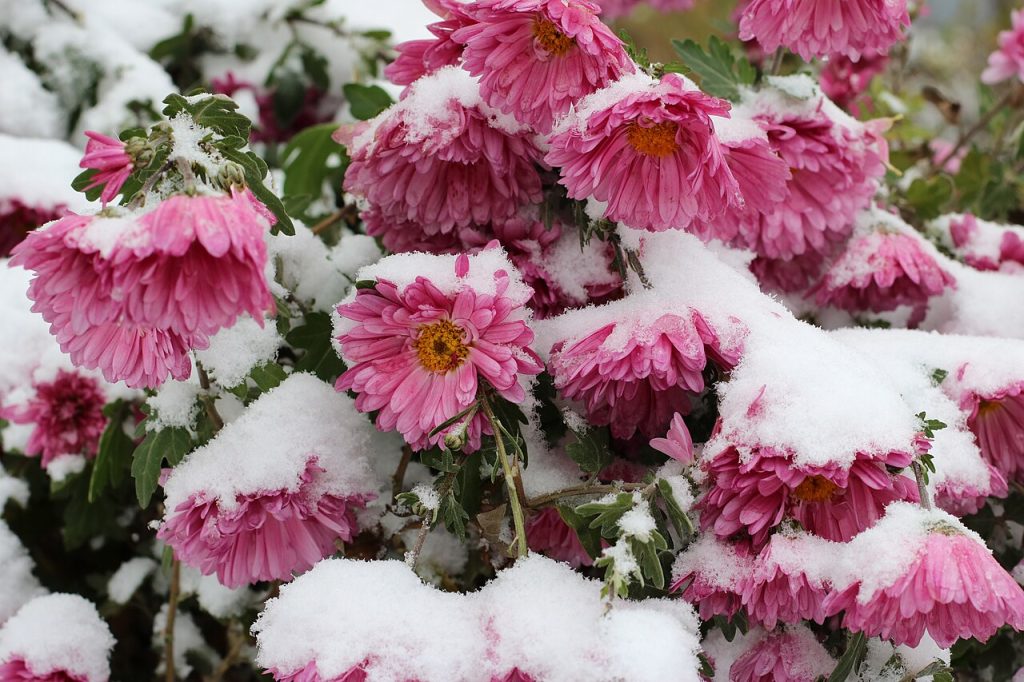
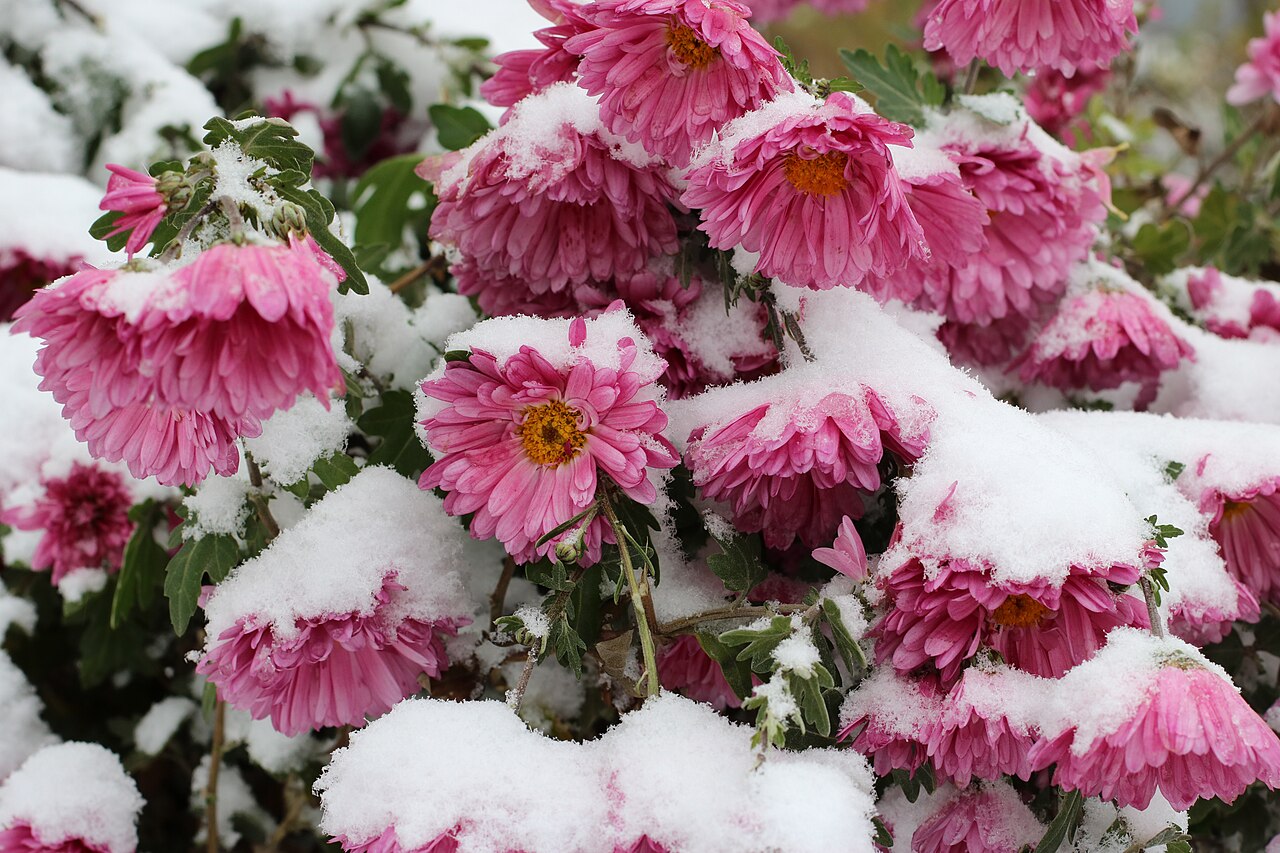

November has one birth flower: the chrysanthemum, often shortened to “mum”. It is one of the most widely grown flowers in the world, it comes in many shapes and colors, and it is at its best in late autumn, when most garden flowers have finished. It also lasts a long time in a vase, which makes it a generous birthday gift.
Chrysanthemum meanings vary more by country than most flowers, so this guide covers the US and UK traditions, what each color means, how to give mums, how to care for them and pet safety. For all twelve months, see our birth flowers by month guide.
November birth flower at a glance
- Chrysanthemum (Chrysanthemum): friendship, loyalty, joy and long life.
- UK and US lists agree: Interflora and The Old Farmer’s Almanac both give the chrysanthemum as November’s birth flower.
- Good to know: in parts of Europe, chrysanthemums are linked with mourning, so think about where your recipient is from.
Chrysanthemum meaning
The name comes from the Greek chrysos, meaning gold, and anthemon, meaning flower, because the original chrysanthemums were golden. The Almanac says chrysanthemums symbolize loyalty, friendship and joy, and Interflora describes them as a symbol of friendship and well-wishing.
Chrysanthemums are native to Asia and were grown in China for many centuries, as a flowering herb used in teas and as an ornamental plant. In Chinese art, the chrysanthemum is one of the Four Gentlemen, along with the plum blossom, the orchid and bamboo, which together represent the four seasons. In China and Japan, chrysanthemums were long associated with youth and long life. The Almanac retells the folklore that a single chrysanthemum petal at the bottom of a glass of wine promotes longevity.
In Japan, the chrysanthemum represents royalty and nobility. A 16-petal chrysanthemum is the emblem of the Emperor and the Imperial Household, and Japan holds chrysanthemum festivals every autumn.
In parts of Europe, however, the chrysanthemum is an expression of sorrow and a flower of mourning. In the UK it is mostly seen as a cheerful flower of friendship, and Interflora notes that white chrysanthemums are often used in sympathy arrangements.
Some other traditions: the chrysanthemum is the flower for a 13th wedding anniversary, a traditional Mother’s Day flower in Australia, and the official flower of Chicago.
Chrysanthemum color meanings
Sources do not always agree on colors. The Old Farmer’s Almanac gives these traditional meanings:
- Red: love.
- White: innocence and honesty.
- Yellow: neglected love or a wounded heart.
Interflora, writing for UK buyers, gives more modern meanings:
- Yellow and gold: joy and optimism, a bright friendship flower.
- White: purity, honesty and remembrance.
- Pink and purple: affection, warmth and admiration.
- Orange and bronze: the warmth and energy of autumn.
For a birthday, pink, purple, orange or mixed colors avoid any mixed messages.
How to give November birth flowers
- A chrysanthemum bouquet: mums work as both the main flower and filler. Interflora suggests pairing large blooms with roses, lilies or peonies for a romantic bouquet, or burnt orange, red or yellow mums with gerberas, dried wheat and berries for an autumn look.
- Wildflower style: small spray chrysanthemums mix well with daisies, sunflowers or asters.
- Potted mums: potted chrysanthemums are everywhere in autumn and make a cheerful gift for a doorstep. The Almanac notes that not every mum sold in autumn will come back the next year, so if your recipient wants a perennial, choose a garden variety suited to their climate.
- For more on combining meanings, see the secret meaning of flowers.
Season and availability
Garden chrysanthemums flower in late autumn and keep going as the weather turns colder, which is why they represent November. Cut chrysanthemums are grown commercially and are available all year, but they are especially plentiful in autumn, and potted mums fill garden centers from late summer onwards.
Care and vase life
Chrysanthemums are among the longest-lasting cut flowers. University of Illinois Extension says chrysanthemums can last up to two weeks with good care, and Kansas State University Extension’s vase-life table (shared by the University of California) places them in the 5–10 day group. To keep them looking their best:
- Recut the stems and remove all leaves that would sit below the waterline.
- Use a clean vase with fresh water and flower food.
- Change the water every two to three days and recut the stems each time.
- Keep the vase away from heat and direct sun.
For more tips, read our guide to keeping flowers fresh longer.
Are chrysanthemums safe for pets?
No. The ASPCA lists chrysanthemum as toxic to dogs, cats and horses. It contains sesquiterpene lactones, pyrethrins and other potential irritants, and can cause vomiting, diarrhea, drooling, lack of coordination and skin irritation. Keep bouquets and potted mums out of reach of pets. If you are buying for a pet owner, consider a non-toxic alternative, such as a bouquet of roses, which the ASPCA lists as non-toxic.
If you think your pet has eaten part of a chrysanthemum, contact your vet or the ASPCA Animal Poison Control Center on (888) 426-4435 (a fee may apply).
Gift ideas for November birthdays
- A long-lasting bouquet of pink, purple or bronze chrysanthemums.
- A potted hardy garden mum for a gardener.
- Chrysanthemum tea, a nod to the flower’s long history in China.
- A Japanese-inspired print or ceramic with a chrysanthemum design.
For more ideas, see our guide to 85 types of flowers.
Keep exploring
All birth flowers by month · Previous: October birth flowers · Next: December birth flowers
Frequently asked questions
November’s birth flower is the chrysanthemum, often called a mum. Both the US list from The Old Farmer’s Almanac and the UK list from Interflora agree.
Chrysanthemums symbolize friendship, loyalty and joy, and in China and Japan, long life. In parts of Europe, they are linked with mourning.
Yes. “Mum” is simply a short name for chrysanthemum.
Yes. The ASPCA lists chrysanthemums as toxic to dogs, cats and horses, so keep them out of reach of pets.