

Gerbera Daisy Meaning: What Gerberas Symbolize
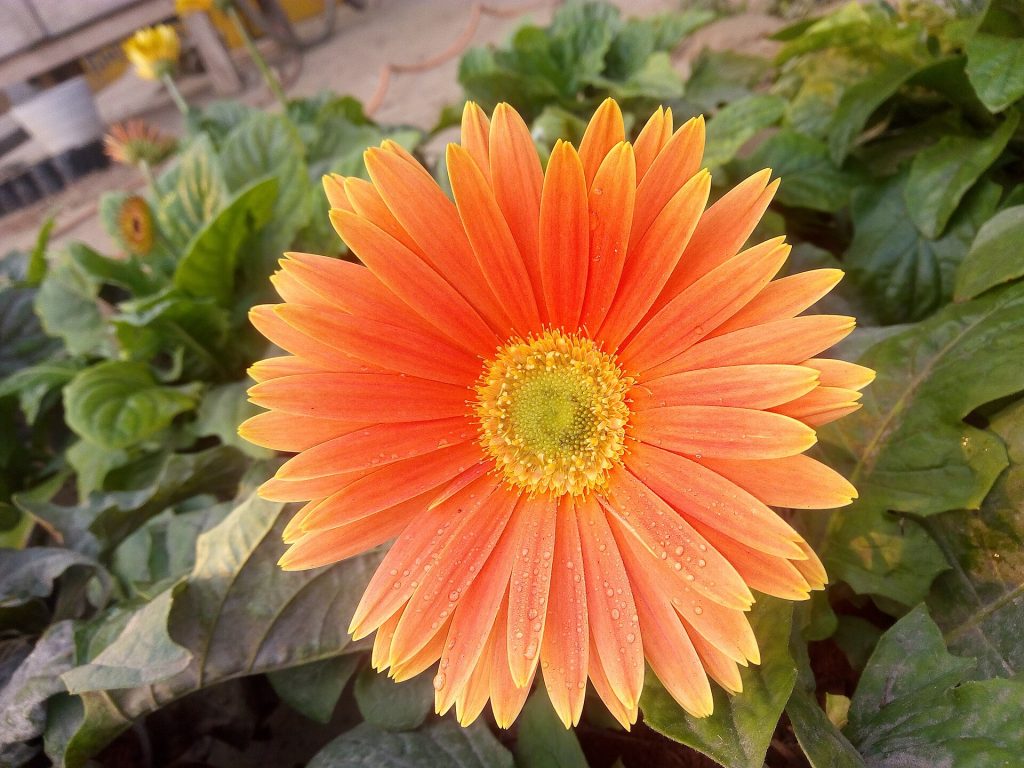
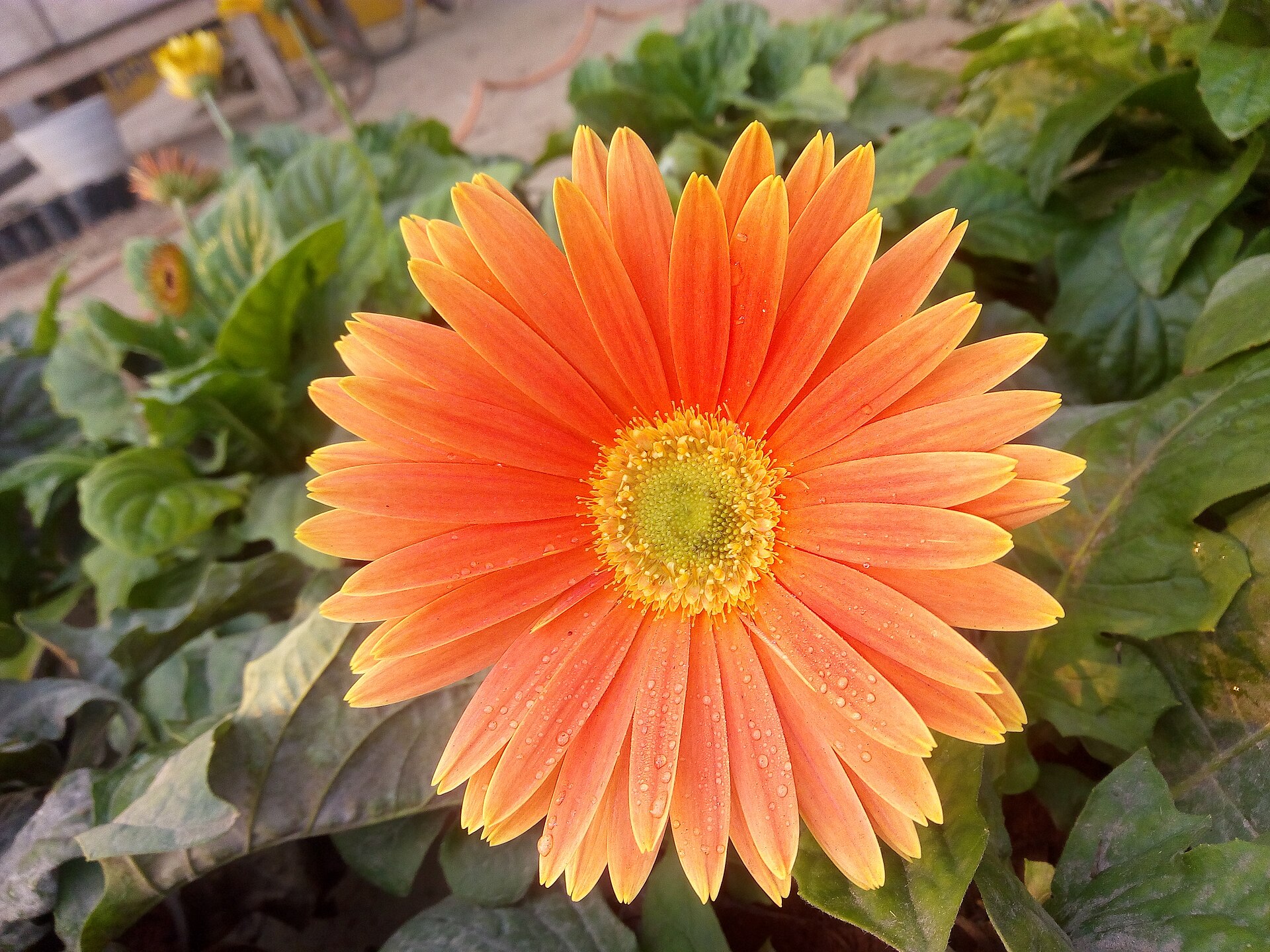

Gerbera daisies are the smiley faces of the flower world. Their big, simple daisy shape and bold colors make them one of the most cheerful flowers you can send, and they are available all year. Their meaning is as sunny as they look: cheerfulness and happiness.
This guide covers what gerberas mean, their color meanings, their history, the main types, the best occasions, care and pet safety. It is part of our flower meanings guide.
Gerbera meaning at a glance
- Overall meaning: cheerfulness, happiness, innocence, purity and loyal love.
- Birth month: none on the main US or UK birth flower lists.
- Best for: birthdays, get well soon, thank yous and cheering someone up.
- Vase life: about 7 to 10 days, according to Interflora.
- Pets: non-toxic to cats and dogs, according to the ASPCA.
What do gerberas symbolize?
Interflora lists the gerbera as a symbol of cheerfulness and happiness, and its gerbera guide says gerberas generally symbolize innocence, purity, cheerfulness and loyal love. Interflora also links gerberas with cheerfulness for birthdays.
Gerberas and daisies
Gerberas are not the same plant as the common daisy, but they are relatives. Interflora notes that gerberas belong to the Asteraceae family, and Britannica explains that “daisy” is used for several members of this aster family, listing the gerbera as the florist’s daisy. Their meanings overlap too: the daisy stands for innocence and loyal love, and so does the gerbera. Read more in our guide to daisy meaning.
Gerbera history
Interflora explains that the gerbera was named in 1737 after Traugott Gerber, a German doctor and keen botanist. Gerberas originally come from South Africa, and the ASPCA lists other common names for Gerbera jamesonii that reflect this, including Transvaal daisy and Barberton daisy. Interflora says gerberas were introduced to Britain in the 19th century, but have only become a florist’s staple in the past few decades. Today, according to Interflora, over 900 million gerberas are produced in the Netherlands each year.
Types of gerbera
Interflora says there are over 200 types of gerbera, including:
- Single flowers: the most common, with one row of petals and a green center.
- Double or duplex: two rows of overlapping petals, often with a green, black or dark red center.
- Crested doubles: two rows of petals plus shorter inner petals.
- Full crested doubles: overlapping petals that cover the center completely.
- Mini gerberas (germini): smaller flower heads of about 7 to 12 cm.
Gerbera color meanings
Interflora gives these color meanings for gerberas:
- White: purity and innocence.
- Pink: admiration, which makes them perfect for a friend.
- Yellow: cheerfulness, great for perking up a loved one.
- Red: “completely immersed in love”.
Gerberas come in brights such as burnt orange, fiery red, sunny yellow and shocking pink; pastels such as pale pink, soft yellow, light purple, peach and white; and darker shades such as maroon, bronze, deep purple and raspberry.
Birth month and best occasions
The gerbera is not a birth flower on the US list from The Old Farmer’s Almanac or Interflora’s UK list. See our birth flowers guide for each month’s official flowers.
Gerberas suit:
- Birthdays: Interflora links gerberas with cheerfulness for birthdays.
- Get well soon gifts, for a cheerful lift. They are also on the ASPCA’s non-toxic list, which helps if the recipient has pets.
- Thank yous and friendship, especially pink gerberas for admiration.
- A light apology with a cheerful mix, when the mood needs lifting more than a somber note.
- Valentine’s Day, with red gerberas for “completely immersed in love”.
- Weddings, since Interflora notes they are available all year.
Season and availability
Interflora says gerberas are available all year round, so you can send them for any occasion.
How to care for cut gerberas
Interflora says gerberas have a vase life of around 7 to 10 days if looked after well. They are particularly prone to bacteria blocking their stems, which makes them droop. Interflora’s tips:
- Clean the vase thoroughly before use; Interflora suggests a little bleach and hot water.
- Cut the stems at an angle and put them straight into fresh, clean, shallow water.
- Add flower food to keep bacteria at bay.
- Keep them away from heat, as gerberas prefer cooler temperatures.
- Replace the water every 2 to 3 days.
For more tips, read our guide to keeping flowers fresh longer.
Are gerberas safe for cats and dogs?
Yes. The ASPCA lists the gerbera daisy (Gerbera jamesonii) as non-toxic to dogs, cats and horses. As with any plant, eating it can still cause mild stomach upset, so keep bouquets out of reach. If your pet seems unwell, contact your vet or the ASPCA Animal Poison Control Center on (888) 426-4435 (a fee may apply).
Keep exploring
See all flower meanings, or read about the gerbera’s relatives, the daisy and the sunflower, or send a bright mix with our congratulations flowers guide. Gerberas also make a cheerful, informal choice in our first-date flowers guide.
Frequently asked questions
Gerbera daisies symbolize cheerfulness and happiness. Interflora adds innocence, purity and loyal love.
According to Interflora, white gerberas mean purity and innocence, pink means admiration, yellow means cheerfulness and red means “completely immersed in love”.
Gerberas are not the common daisy, but both belong to the aster family (Asteraceae) and share the same simple daisy shape.
Interflora says gerberas last around 7 to 10 days. Use a very clean vase, shallow water and flower food, and change the water every 2 to 3 days.
Yes. The ASPCA lists the gerbera daisy as non-toxic to dogs, cats and horses.