

December Birth Flowers: Narcissus (Paperwhite) and Holly
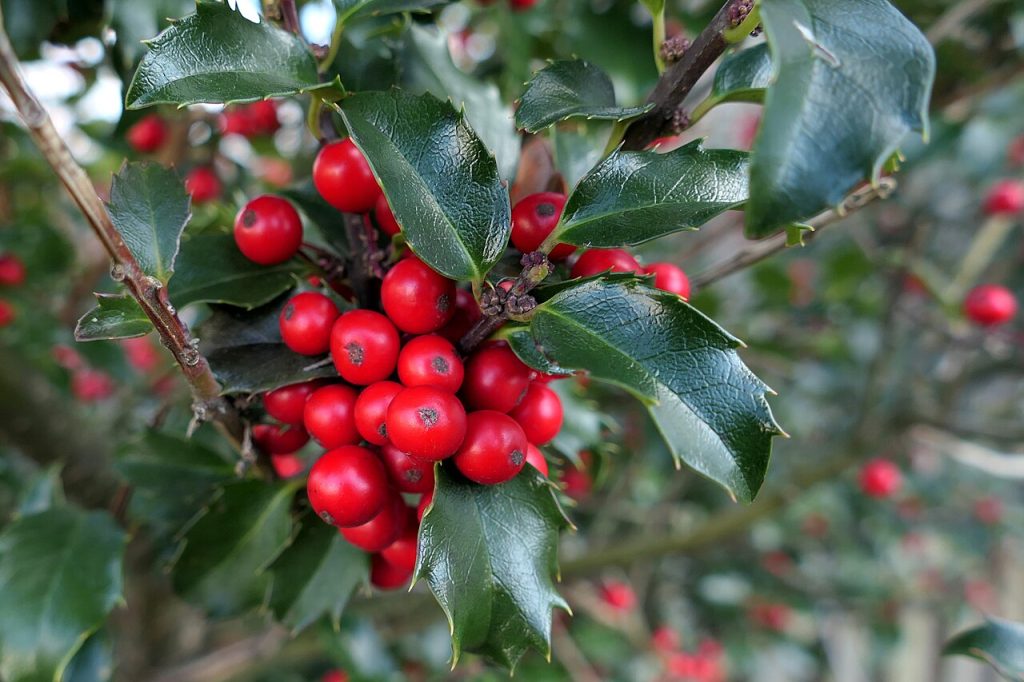
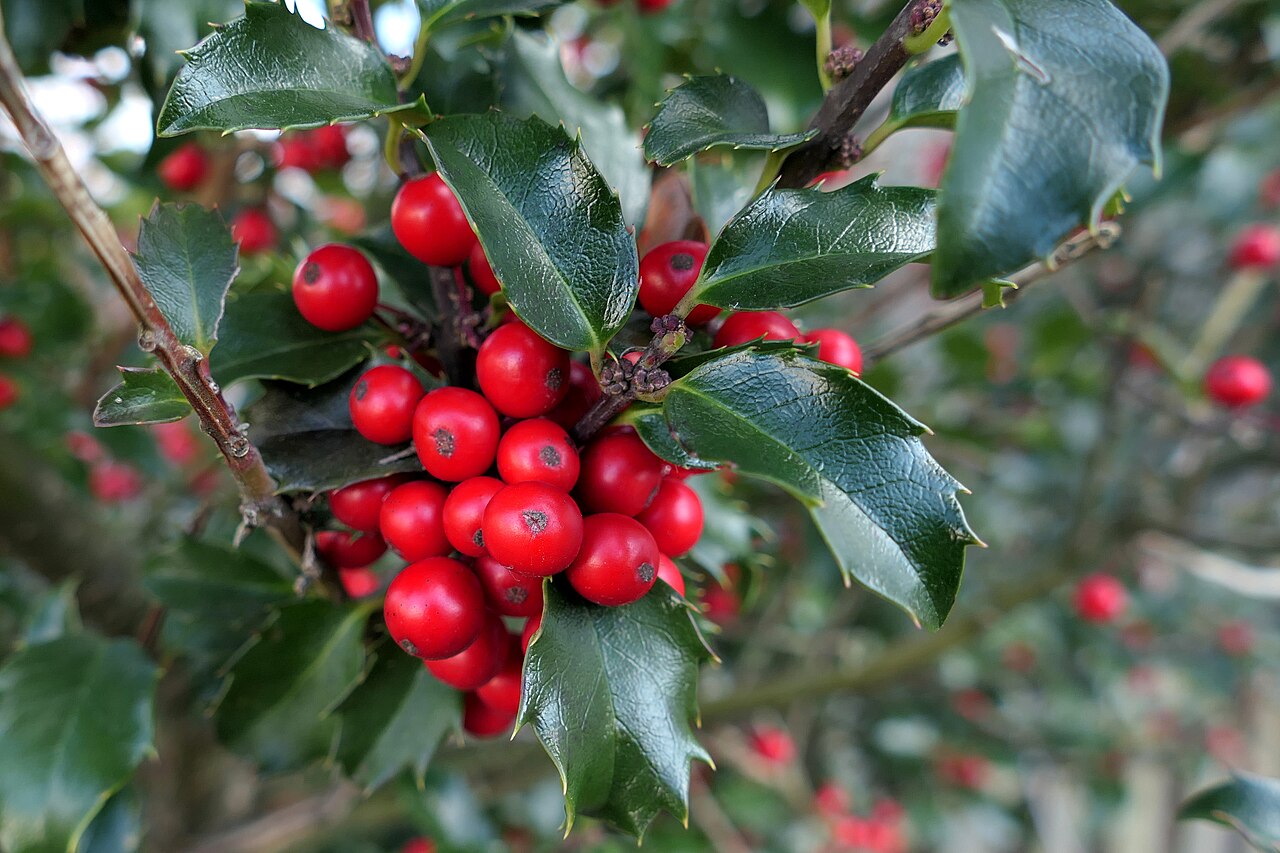

December’s birth flowers are the narcissus, specifically the paperwhite, and holly. Both bring life to the darkest weeks of the year. Paperwhites are fragrant white narcissus usually grown indoors in winter, and holly is the glossy evergreen with red berries that has decorated homes in midwinter for centuries. Together they make a festive pairing for a December birthday.
This guide covers what each one means, how the UK and US lists differ, how to give them, how to grow paperwhites and, importantly, pet safety. For every month, see our birth flowers by month guide.
December birth flowers at a glance
- Narcissus (paperwhite) (Narcissus tazetta): pure or unconditional love, hope and new beginnings.
- Holly (Ilex): protection, resilience, good fortune and hope.
- UK and US lists agree on the pair: Interflora and The Old Farmer’s Almanac both list holly and the paperwhite narcissus. Interflora lists holly first, and its shorter month-by-month list names holly alone for December.
Narcissus (paperwhite) meaning
Paperwhites are a type of narcissus, like daffodils, but they are tender bulbs and not winter hardy in most of the US. That is why they are usually “forced” indoors as a holiday plant. The name narcissus comes from the Greek myth of Narcissus, the young man who fell in love with his own reflection; the Almanac notes that the flowers’ drooping habit is said to echo the way he bent over the water. The name paperwhite refers to petals as thin as paper.
The Almanac says that in Victorian times the gift of a narcissus meant you were “the only one”, and that a bouquet of paperwhites expresses pure or unconditional love. Interflora adds that the paperwhite celebrates hope and new beginnings. Because it can bloom in midwinter, the paperwhite is also sometimes associated with the Lunar New Year.
Holly meaning
Holly has been part of midwinter for a very long time. The Almanac explains that the ancient Celts brought evergreens into their homes at the winter solstice, and that holly was thought to symbolize protection from evil and the renewal of life and light. The Romans gave holly during Saturnalia, a festival held around the winter solstice. In Christianity, holly came to symbolize Christ’s crown of thorns, with the evergreen leaves representing life after death and the red berries his blood.
Interflora describes holly as a symbol of resilience, good fortune, hope and protection. It also points out that holly is not technically a flower: holly flowers in late spring to early summer, around May to June in the UK, and is linked with December because it thrives in harsh winter weather.
A few more facts from the Almanac: hollies are male and female, and generally only female plants produce berries, so you need both for a good crop. American holly and English holly are the two species most used for holiday decorations, and American holly is the state tree of Delaware.
How to give December birth flowers
- A paperwhite bouquet: cut paperwhites make a soft, fragrant bouquet on their own or with other white flowers. The scent is strong, so they suit a large room.
- A bowl of paperwhite bulbs: forcing kits or a few bulbs in a glass bowl of pebbles make a lovely gift that flowers within weeks. The Almanac says a paperwhite bulb often flowers within a month of planting.
- Holly in an arrangement: Interflora suggests pairing holly branches with white roses, lilies or carnations for an elegant bouquet, or with red roses for a more traditional Christmas look. Pine cones and eucalyptus give a rustic feel.
- A holly wreath or plant: a holly wreath for the door or a potted holly for the garden lasts far longer than cut flowers.
- For more on combining meanings, see the secret meaning of flowers.
How to force paperwhites
The Almanac’s method is simple:
- Fill a pot about three-quarters full with potting mix, or use a glass bowl with a few cups of pebbles or gravel.
- Set the bulbs on top, close together, and add a little more mix or a few stones to hold them steady. It is fine for the tops of the bulbs to show.
- Water so the mix is moist but not soggy, or, in pebbles, keep the water level just at the base of the bulbs.
- Place in a sunny spot, such as a windowsill. Flowers should appear in about a month. Planting a new pot every two weeks gives you flowers all winter. For step-by-step detail, including how to stop the stems flopping, see how to grow paperwhites.
Season and availability
Paperwhite bulbs are sold in autumn and early winter for forcing, and cut paperwhites and potted, pre-grown bulbs are widely available in December. Cut holly and holly wreaths are sold throughout the festive season, and potted hollies are available from nurseries; the Almanac recommends planting hollies in spring or autumn.
Care and vase life
- Paperwhites: University of Illinois Extension gives daffodils and narcissus a vase life of about four to eight days. Like daffodils, cut narcissus stems release a sap that can shorten the life of other flowers, so stand them in water on their own for a few hours before mixing them into a bouquet, and do not recut them afterwards. See our March guide to daffodils for more.
- Holly: keep cut holly cool and in water, or display it out of reach as a wreath or garland.
Our guide to keeping flowers fresh longer has more general tips.
Are December birth flowers safe for pets?
Neither is pet-safe.
- Narcissus: the ASPCA lists narcissus, including paper white, as toxic to dogs, cats and horses. It can cause vomiting, drooling and diarrhea, and large amounts can cause convulsions, low blood pressure, tremors and heart rhythm problems. The bulbs are the most poisonous part, so keep forcing bowls out of reach.
- Holly: the ASPCA lists English holly and American holly as toxic to dogs, cats and horses, causing vomiting, diarrhea and depression. It notes the leaves and berries are of low toxicity. Interflora warns that holly is poisonous to humans too, and may not be the best gift for homes with children or pets.
If you think your pet has eaten either plant, contact your vet or the ASPCA Animal Poison Control Center on (888) 426-4435 (a fee may apply).
Gift ideas for December birthdays
- A glass bowl of paperwhite bulbs in pebbles, ready to flower (for homes without pets).
- A white winter bouquet of paperwhites, roses and carnations.
- A fresh holly wreath for the front door.
- A potted holly for the garden, with a note that it needs a male and female plant for berries.
For more ideas, see our guide to 85 types of flowers.
Keep exploring
All birth flowers by month · Previous: November birth flowers · Next: January birth flowers For holly, paperwhites and evergreens on the table, see how to make a Christmas flower arrangement. For more seasonal blooms, see winter flowers.
Holiday plants for December: how to grow paperwhites, Christmas cactus care, how to care for a poinsettia and how to care for amaryllis. For gift ideas, see our Christmas flowers guide.
Frequently asked questions
December’s birth flowers are the narcissus, specifically the paperwhite, and holly. The Old Farmer’s Almanac and Interflora both list the pair, with Interflora putting holly first.
Holly is an evergreen shrub that does flower, but in late spring to early summer. It is linked with December for its evergreen leaves and red berries in winter.
The Old Farmer’s Almanac says paperwhite bulbs usually flower in about a month after planting indoors.
No. The ASPCA lists both narcissus and holly as toxic to dogs, cats and horses. Narcissus bulbs are the most poisonous part.