

How to Make a Christmas Flower Arrangement That Lasts All Season
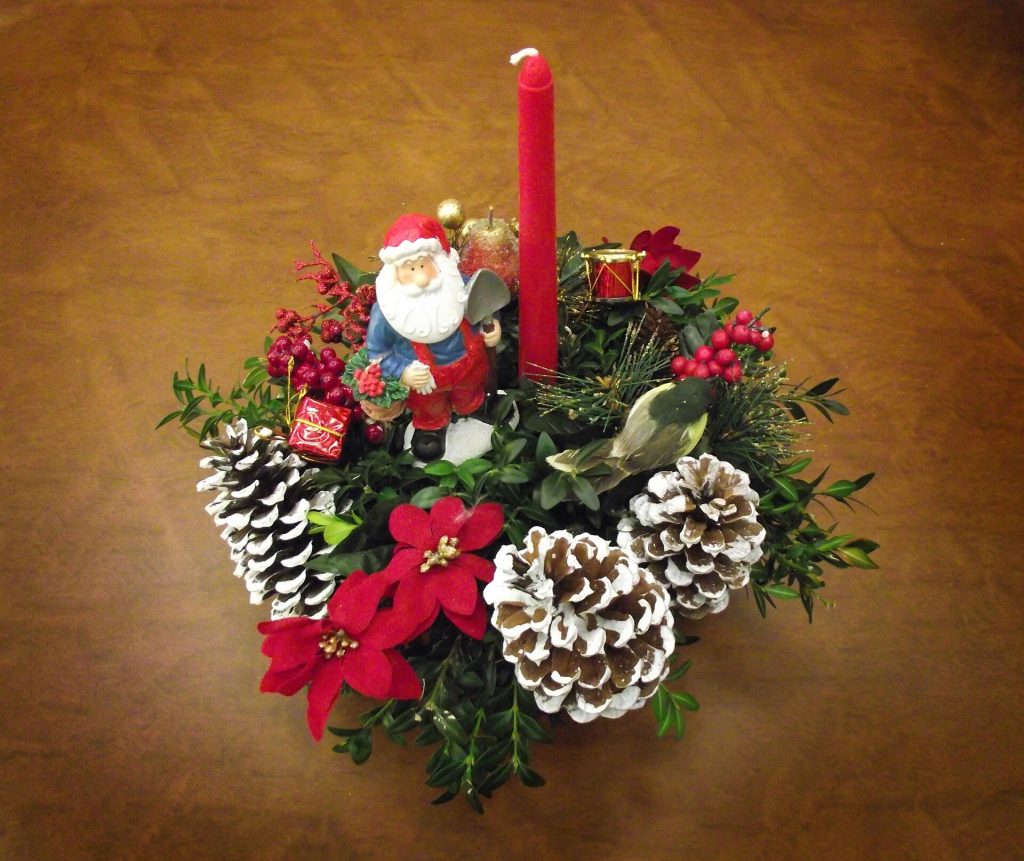
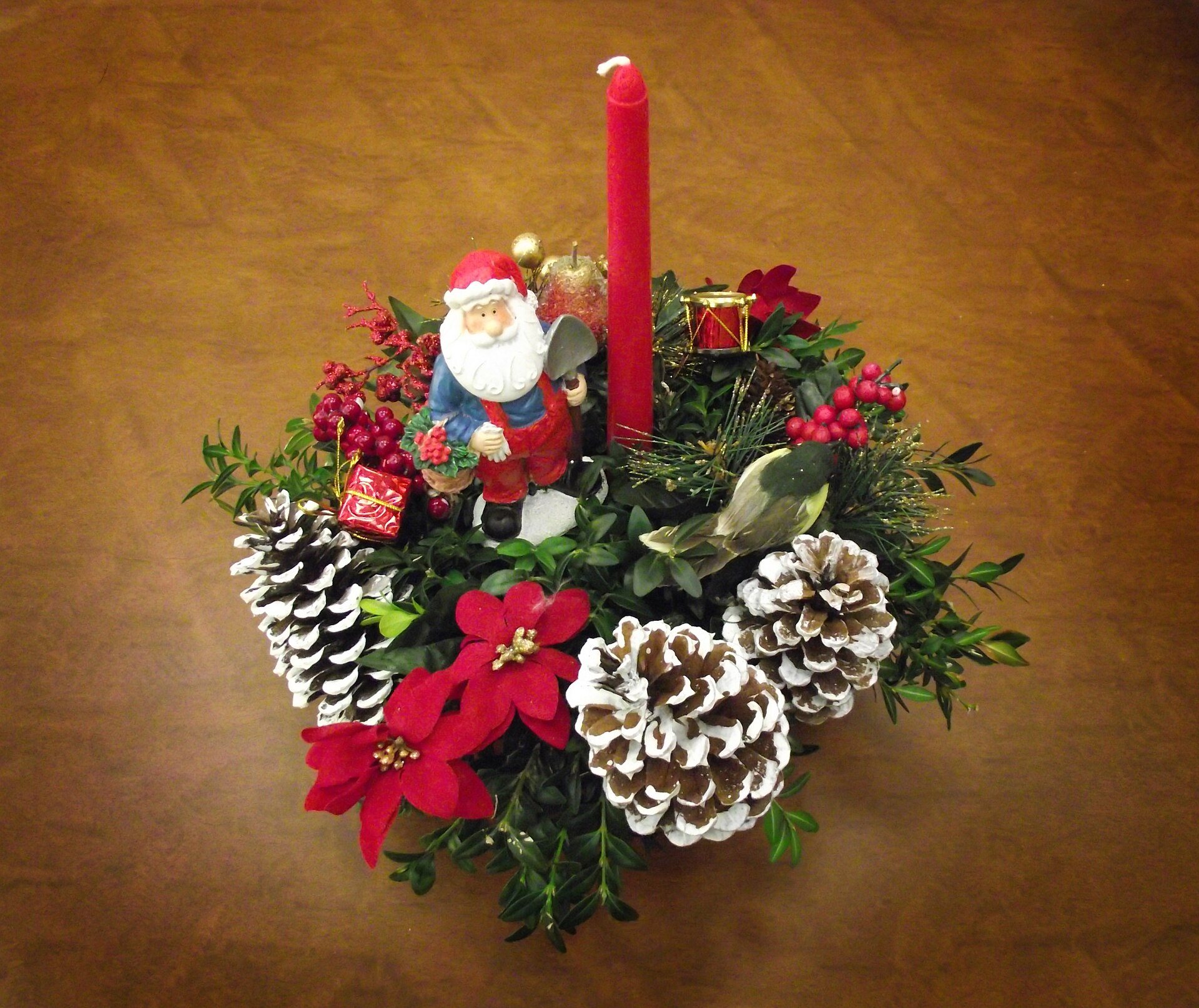

A Christmas arrangement is one of the easiest flower projects you can do at home. Evergreens do most of the work: they are inexpensive, smell wonderful and, if you treat them well, last for weeks. Add a few long-lasting flowers, some berries or pine cones, and you have a centerpiece for the dining table, a swag for the mantel or a small gift for a host.
This guide explains what you need, which greens and flowers last longest indoors, how to build an arrangement step by step and how to keep it fresh through the holidays. If you are new to arranging, our flower arranging for beginners guide covers the basics.
What you need
- A container: a low bowl, a wooden box lined with a plastic tray, a wide jar or even a mug. Low and wide works best for a table, because guests can see and talk over it.
- Something that holds water: a block of wet floral foam, a ball of chicken wire or a flower frog inside a waterproof container, or simply a vase for loose stems.
- Evergreens: fir, pine, cedar, boxwood, holly or eucalyptus, about two or three handfuls for a table centerpiece.
- Flowers: a few focal blooms, such as red roses, carnations, chrysanthemums or amaryllis.
- Accents: pine cones, berries, cinnamon sticks, dried orange slices or ribbon.
- Tools: sharp pruners or floral scissors, waterproof floral tape and a spray bottle for misting.
Choosing evergreens that last
Not all greens hold up equally well in a warm house. Ohio State University Extension says pines, firs and cedars are good for indoor decorations because they dry out slowly and hold their needles best at warm indoor temperatures, and may last for several weeks if properly treated. Hemlock, spruce and most broadleaf evergreens last longer outdoors. A Rutgers Master Gardener fact sheet agrees that long-needled pines, such as Scotch pine and white pine, and firs last longer than short-needled hemlock and spruce.
If you are buying greens, Rutgers suggests looking for bright green foliage that loses few needles when handled, and branches that bend without breaking. If you are cutting from your own garden, Ohio State reminds you that you are pruning the plant, so spread your cuts around the shrub or tree to keep its natural shape.
Good choices for a Christmas arrangement include:
- Fir: the classic Christmas green, with short needles and a fresh scent.
- White pine: long, soft needles that give an arrangement a loose, airy look.
- Cedar: flat, lacy sprays that drape well over the edge of a container.
- Holly: glossy leaves and red berries. Holly is one of the December birth flowers.
- Boxwood and eucalyptus: neat, fine-textured fillers.
Choosing flowers that last
Pick flowers that cope well with a warm room. University of Illinois Extension says carnations and chrysanthemums are hardy and may last up to two weeks, and that roses typically last 4 to 12 days, with red roses seeming to stay looking good longer than white ones. That makes red carnations and red roses ideal for a classic look.
- Red roses: the obvious Christmas red. See how to make roses last longer.
- Carnations: long-lasting, inexpensive and available in deep red, white and green. See carnation meaning.
- Chrysanthemums: white or green spray mums fill space well.
- Amaryllis: one or two stems make a dramatic centerpiece on their own.
- Paperwhites: fragrant white narcissus. Illinois Extension gives daffodils and narcissus about four to eight days in a vase. Cut narcissus stems release a sap that can shorten the life of other flowers, so stand them in water on their own for a few hours before mixing them in.
For more seasonal ideas, see our Christmas flowers guide and red flowers meaning.
How to make a Christmas flower arrangement, step by step
1. Condition the greens the day before. Recut each stem with clean, sharp pruners and crush or split the ends of woody stems so they can take up more water. Kansas State University Research and Extension and Ohio State both recommend soaking the greens in water overnight before arranging, so they absorb as much moisture as possible. Let the foliage dry afterward.
2. Prepare the flowers. Remove any leaves that would sit below the waterline, recut the stems at an angle and stand the flowers in a bucket of cool water with flower food for a few hours. Our guide to keeping cut flowers fresh has more tips.
3. Prepare the container. If you are using floral foam, soak it fully in water before you start, then fix it into the container with waterproof tape. If you would rather not use foam, a loose ball of chicken wire or a flower frog in a waterproof bowl works too. North Carolina State Extension notes that natural materials such as potatoes, apples and Osage oranges can be used in place of foam to hold stems.
4. Build the base with greens. Start with the longest pieces of greenery around the edge, angled out and slightly down, to set the width and shape. Then fill in toward the middle with shorter pieces until the foam or wire is covered. For a dining table, keep the arrangement low and work all the way round, so it looks good from every seat.
5. Add the focal flowers. Place the biggest blooms first, spacing them evenly through the greens, then add smaller flowers to fill gaps. Odd numbers, such as three or five roses, usually look more natural than even numbers. Push each stem firmly into the foam so it reaches the water.
6. Finish with accents. Add pine cones, berries, cinnamon sticks or ribbon last. Wire pine cones onto a florist’s pick or a short stick so they sit firmly. Step back and look at the arrangement from all sides, and fill any holes with small pieces of green.
7. Water and mist. Top up the water straight away, then mist the greens lightly.
Candles in a Christmas arrangement
Candles look lovely in an evergreen centerpiece, but this is where most of the risk lies. The National Fire Protection Association (NFPA) advises keeping candles at least 12 inches from anything that can burn, and notes that Christmas is the peak day for candle fires. Over half of all home candle fires start when something that can burn, including home decorations, is too close to the candle. Illinois Extension warns that greens can dry out quickly indoors and should never be placed near an open flame.
A candle pushed into the middle of a bed of evergreens does not leave 12 inches of space. The safest option is a battery-operated flameless candle, which the NFPA also suggests. If you want real flames, stand candles in sturdy holders or glass hurricanes well away from the greens, and blow them out before you leave the room or go to bed.
How to keep a Christmas arrangement fresh
- Keep it watered. Check the foam or vase every day and top up the water, because a warm room dries foam out quickly.
- Mist the greens. A Rutgers Master Gardener fact sheet suggests misting arrangements daily to keep the foliage hydrated.
- Keep it cool. Illinois Extension, Kansas State and Ohio State all advise keeping greenery away from heat sources such as heaters, vents, fireplaces and sunny windows.
- Store it cold when you can. North Carolina State Extension suggests storing arrangements outside or in a cool place, such as an unheated garage or a refrigerator, when they are not on display.
- Refresh as you go. Replace flowers as they fade, and swap out any greens that turn brittle. Ohio State suggests checking decorations every couple of days, and replacing greenery whose needles break when bent or whose tips turn brown and dry.
How long will it last? North Carolina State Extension says cut greens can last two to three weeks, and maybe longer, if properly cared for, and Rutgers says fresh greenery arrangements can last about two weeks indoors. The flowers will fade sooner, so plan to replace them once or twice through the season.
Christmas arrangement ideas
- Classic red and green: fir and holly with red roses or red carnations and a few pine cones.
- White winter: cedar and eucalyptus with white roses, white spray chrysanthemums and paperwhites. See white flowers meaning.
- One bold stem: a single amaryllis in a tall glass vase with a few branches of pine.
- A row of small jars: short sprigs of greens and one or two flowers in jam jars down the middle of a long table.
- A living centerpiece: a poinsettia or Christmas cactus in a basket, surrounded by pine cones and moss. See how to care for a poinsettia and Christmas cactus care.
- A host gift: a small arrangement in a mug or teacup that your host can keep.
Children and pets
Some favorite Christmas greens and berries are poisonous. Ohio State Extension notes that hollies, yews, mistletoe and Jerusalem cherry all have poisonous berries, and that mistletoe’s pearly white berries are particularly toxic. The ASPCA lists holly, mistletoe, amaryllis, yew, boxwood and eucalyptus as toxic to dogs and cats, and true lilies are dangerous for cats. Place arrangements out of reach and pick up fallen berries and leaves. Our guide to Christmas plants safe for pets covers every common holiday plant.
Keep exploring
For more seasonal guides, see Christmas flowers, poinsettia meaning, mistletoe meaning and how to grow paperwhites, or browse all our how-to guides in Learn.
Frequently asked questions
Well-conditioned greens can last two to three weeks, according to North Carolina State Extension, but most flowers fade sooner. Make the evergreen base early in December if you like, keep it watered and cool, and add or replace fresh flowers a day or two before a party.
Carnations and chrysanthemums. University of Illinois Extension says both are hardy and may last up to two weeks. Roses typically last 4 to 12 days, and red roses seem to stay looking good longer than white ones.
Recut and crush the stems, soak the greens in water overnight before arranging, give them a water source such as wet floral foam, mist them regularly and keep them away from heaters, vents, fireplaces and sunny windows.
Real candles set into evergreens are a fire risk. The NFPA advises keeping candles at least 12 inches from anything that can burn and notes that Christmas is the peak day for candle fires. Use flameless candles in the arrangement, or keep real candles in holders well away from the greens.
A ball of chicken wire or a flower frog inside a waterproof container, or a simple vase for loose stems. North Carolina State Extension notes that potatoes, apples and Osage oranges can also be used to hold stems in place.
Sources
- University of Illinois Extension: Extending the life of cut evergreens
- Kansas State University Research and Extension: Holiday decorating with fresh greenery
- North Carolina State Extension: Keeping decorative greens fresh
- Ohio State University Extension: Decorate safely with fresh greenery
- Rutgers Master Gardeners: Cutting evergreens
- University of Illinois Extension: Help your Valentine’s flowers last longer
- NFPA: Candle safety
- ASPCA: Toxic and non-toxic plants