

Carnation Meaning: What Carnations Symbolize, by Color
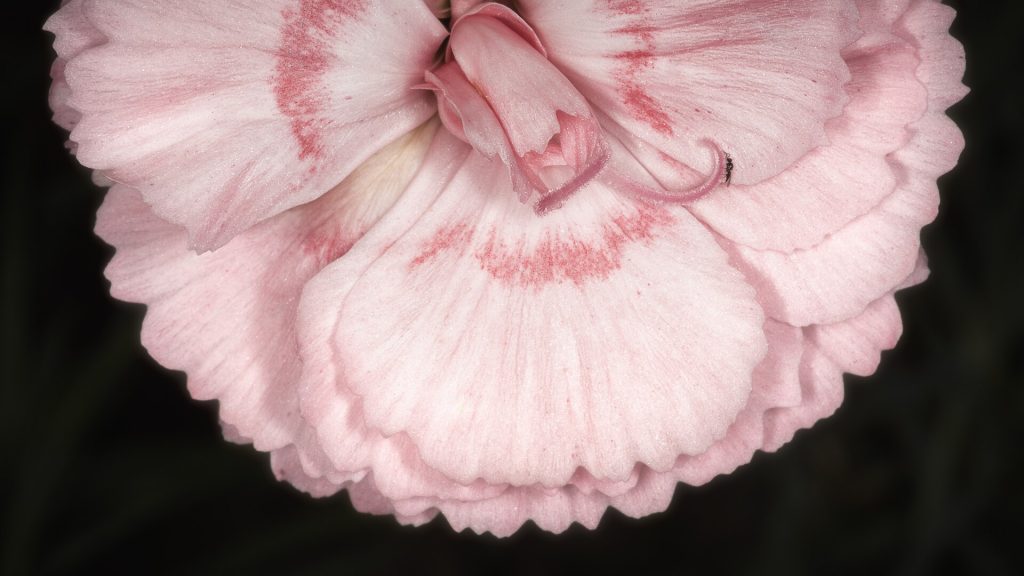
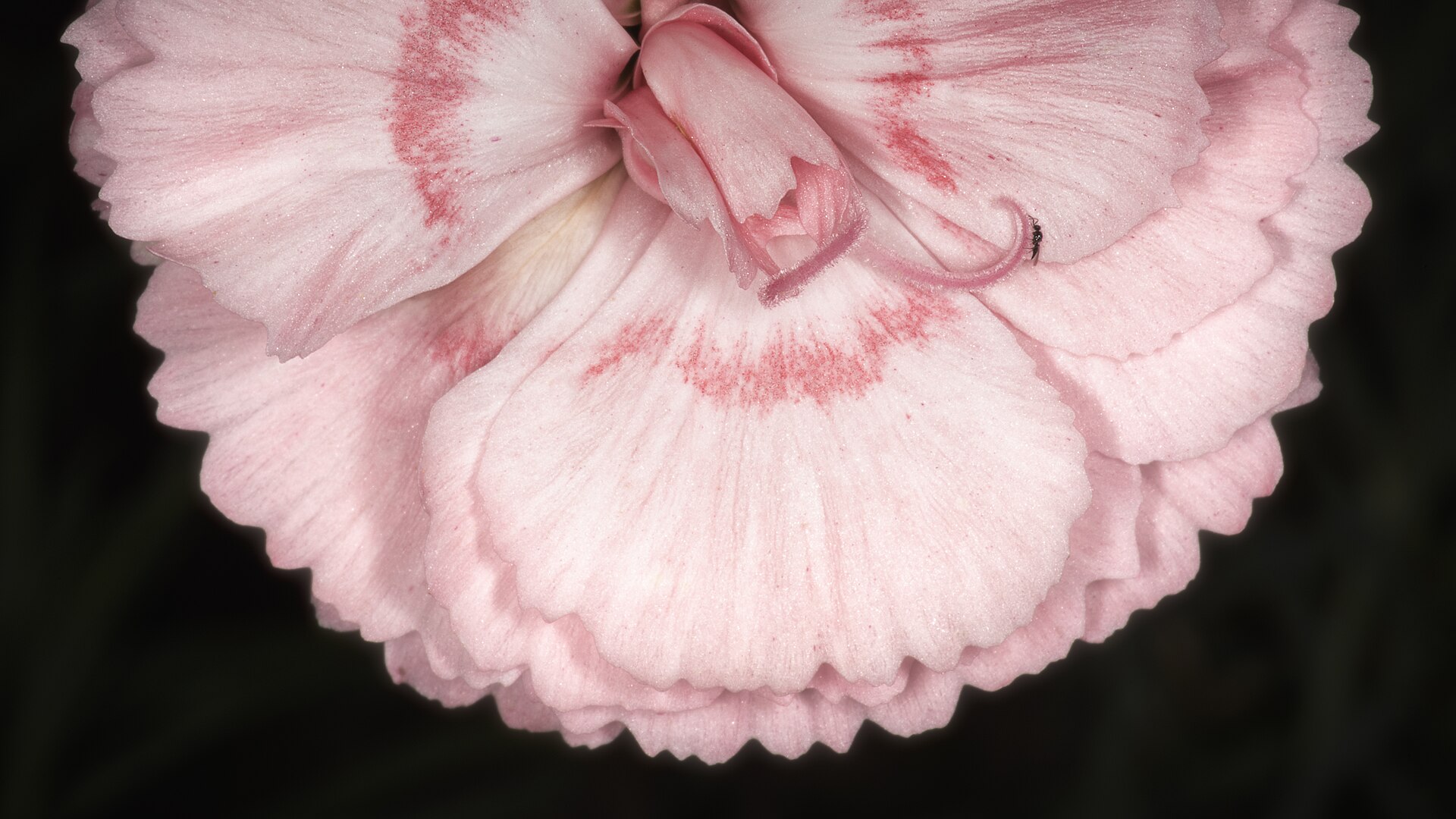

Carnations are sometimes dismissed as filler, but they are one of the most meaningful and practical flowers you can buy. They come in a huge range of colors, they have a light, spicy scent, they are available all year, and they last much longer than most cut flowers. They are also the flower most closely tied to Mother’s Day.
This guide covers what carnations mean, color meanings, the January birth-flower connection, the best occasions, care and pet safety. It is part of our flower meanings guide.
Carnation meaning at a glance
- Overall meaning: devotion, fascination and a mother’s love.
- Birth month: January (see January birth flowers).
- Best for: Mother’s Day, first anniversaries, birthdays and sympathy.
- Vase life: up to about two weeks.
- Pets: the ASPCA lists carnations as mildly toxic to dogs, cats and horses.
What do carnations symbolize?
Interflora says that in the language of flowers carnations symbolize devotion, which is why Renaissance painters often included them in engagement portraits. The Old Farmer’s Almanac lists fascination, female love and a mother’s love.
Interflora explains the genus name, Dianthus, as coming from “dios” (god) and “anthos” (flower), and says the flower has a history going back more than 2,000 years in the Mediterranean region. Britannica notes that the carnation, Dianthus caryophyllus, is native to the Mediterranean area, and that in Elizabethan times carnations were used to spice wine and ale as a cheaper substitute for cloves. One of its other names is “clove pink”.
Carnations and Mother’s Day
Britannica credits Anna Jarvis, who campaigned for the US Mother’s Day, with making the carnation its symbol. A custom grew up of wearing a red or pink carnation for a living mother and a white one for a mother who had died. Interflora notes that in many countries pink carnations are also given on Mothering Sunday. Read more in our Mother’s Day flowers guide.
Carnation color meanings
The Old Farmer’s Almanac records the Victorian meanings, which are surprisingly specific:
- Red: “alas for my poor heart”, “my heart aches” and deep love.
- White: innocence, pure love and sweet love.
- Pink: “I’ll never forget you”.
- Striped: refusal.
- Yellow: disdain, disappointment or rejection.
Modern gift-giving is less strict. Red carnations are generally given for love, and pink carnations, as Interflora notes, for love and gratitude, especially to mothers. If you want to avoid any chance of a mixed message, skip yellow and striped carnations for romantic gifts.
Birth month and best occasions
The carnation is the birth flower for January on both the US list from The Old Farmer’s Almanac and the UK list from Interflora, alongside the snowdrop. Read more in our January birth flowers guide. It is also the state flower of Ohio.
Carnations suit:
- Mother’s Day: the traditional flower, especially pink.
- Anniversaries: anniversary flower lists give the carnation for the 1st year.
- Birthdays, especially in January.
- Sympathy: white carnations are widely used in funeral arrangements and last well.
- Apologies: pink carnations carry the Victorian meaning “I’ll never forget you”, a quiet lasting sorry.
Season and availability
Interflora lists carnations as available all year round, in every color except true blue and black. Britannica describes two main groups: border, or garden, carnations, and perpetual-flowering carnations, which flower almost continuously in greenhouses and supply the florist trade, including miniature and spray types.
How to care for cut carnations
Carnations are among the longest-lasting cut flowers. Interflora gives a vase life of about 14 days, and University of Illinois Extension says carnations can last up to two weeks. Interflora’s care tips:
- Recut the stems between the nodes, the swollen joints on the stem, and remove all leaves below the waterline.
- Fill a clean vase with fresh water and flower food, but don’t fill it too deep, because the stems can turn slimy in deep water.
- Change the water and recut the stems every two to three days.
- Remove faded heads on spray carnations to help the rest keep flowering.
If a carnation is slow to open, Interflora suggests cupping the flower between your thumb and finger and fluffing it gently. For more tips, read our guide to keeping flowers fresh longer.
Are carnations safe for cats and dogs?
Not entirely. The ASPCA lists the carnation as toxic to dogs, cats and horses, although the effects are usually mild: stomach upset and mild skin irritation. Keep carnations out of reach of pets that like to chew plants. For a completely pet-safe gift, the ASPCA lists roses, sunflowers and gerbera daisies as non-toxic.
If you think your pet has eaten carnations and seems unwell, contact your vet or the ASPCA Animal Poison Control Center on (888) 426-4435 (a fee may apply).
Keep exploring
See all flower meanings, compare with rose meanings, or read the secret meaning of flowers. See also flowers that mean love.
Frequently asked questions
Carnations symbolize devotion, fascination and a mother’s love. They are the traditional Mother’s Day flower.
In the Victorian language of flowers, a pink carnation means “I’ll never forget you”. Today pink carnations are given as a sign of love and gratitude, especially to mothers.
White carnations stand for innocence and pure love. On Mother’s Day, a white carnation has traditionally honored a mother who has died.
The carnation is January’s birth flower, along with the snowdrop.
The ASPCA lists carnations as toxic to dogs, cats and horses, but the effects are usually mild stomach upset and skin irritation.