

Violet Flower Meaning: What Violets Symbolize
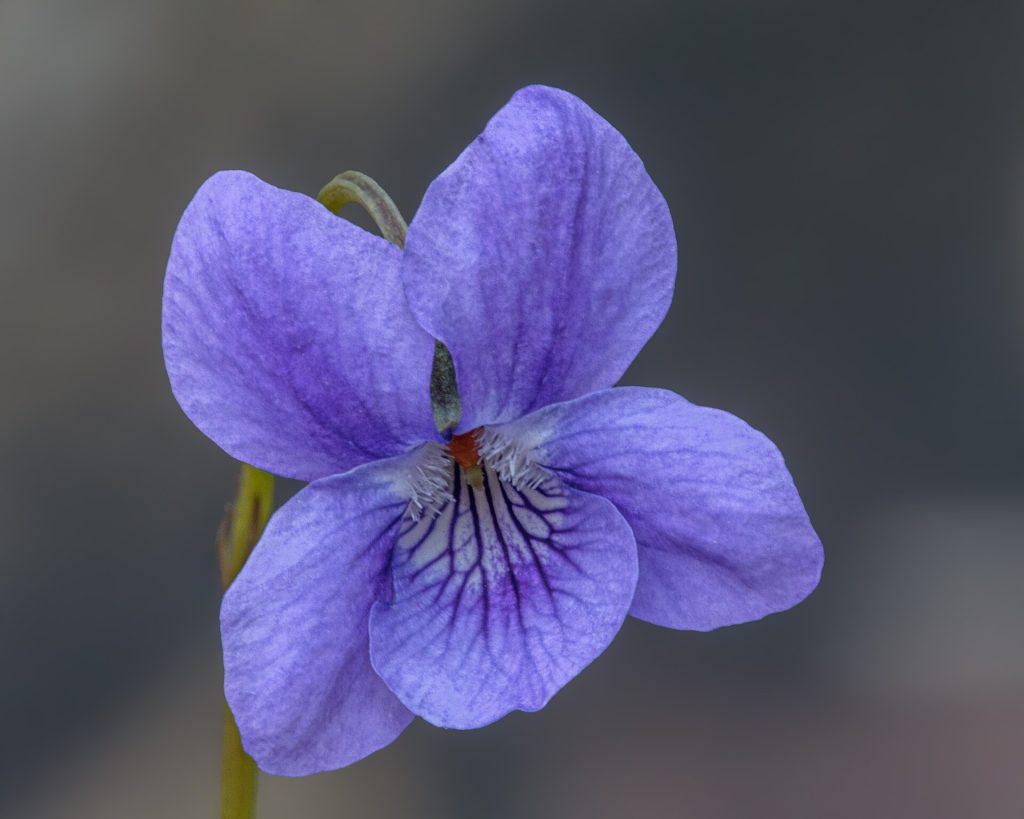
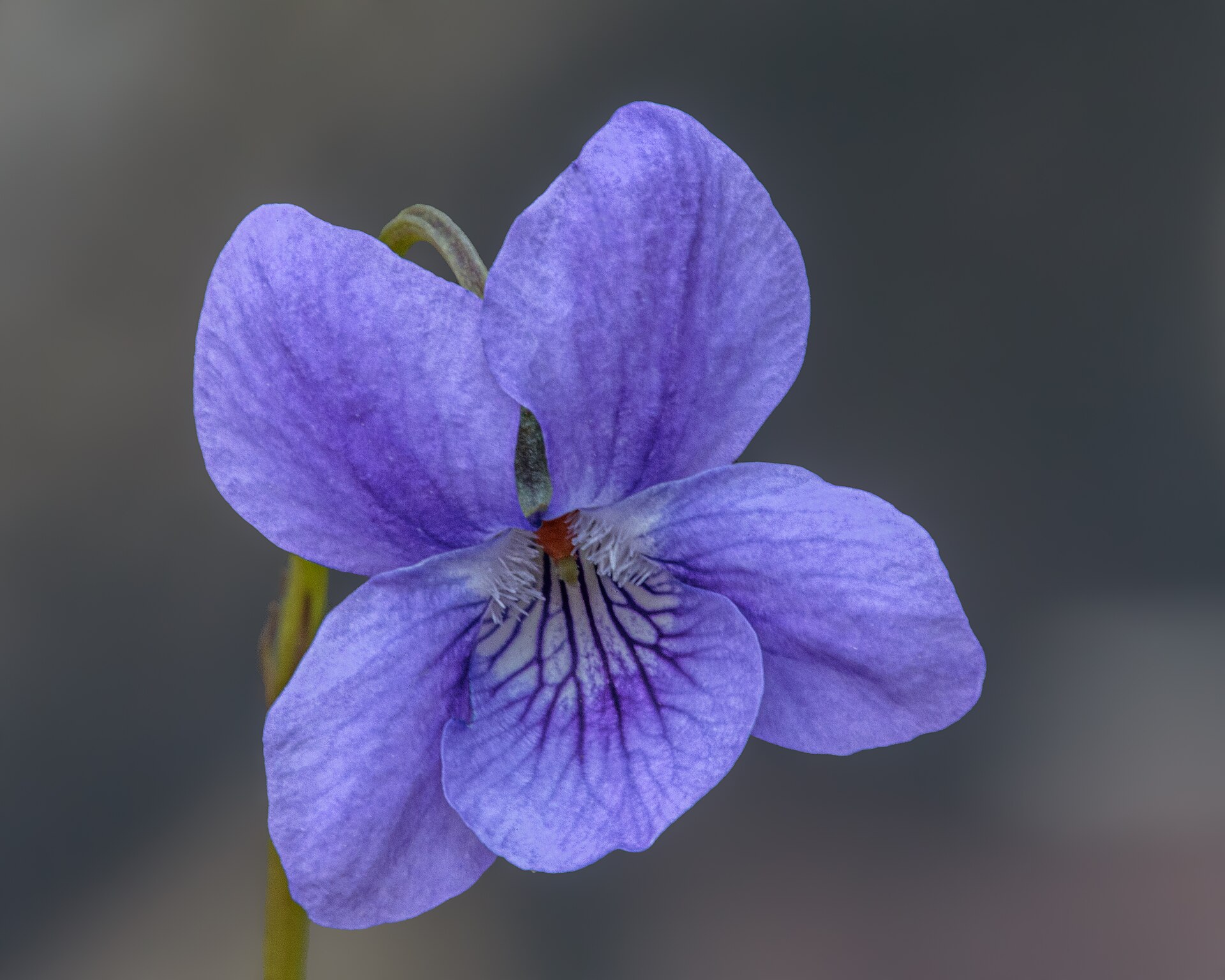

Violets are small, but they are one of the first flowers to bloom in spring, and that has given them a big place in the language of flowers. Their meanings are quiet and loyal: modesty, faithfulness and everlasting love. In Victorian times, a gift of violets was a promise to be always true.
This guide covers what violets mean, their color meanings, history, the best occasions, care and pet safety. It is part of our flower meanings guide.
Violet meaning at a glance
- Overall meaning: modesty, faithfulness, everlasting love, innocence and remembrance.
- Birth month: February, on both the US and UK lists (see February birth flowers).
- Best for: February birthdays, Valentine’s Day and promises of loyalty.
- Vase life: our sources don’t give a figure; violets have short stems and make better potted gifts.
- Pets: true violets are not on the ASPCA’s toxic and non-toxic plants list.
What do violets symbolize?
The Old Farmer’s Almanac’s chart of Victorian flower meanings gives the violet the meanings watchfulness, modesty and faithfulness. Its February birth flowers guide adds everlasting love, innocence and remembrance. The Almanac says that in the Victorian age, a gift of violets was a declaration to be always true, and that the violet still serves as a reminder of loyalty, thoughtfulness and dependability.
Violets in religion and art
According to the Almanac, in Christianity the violet symbolizes the Virgin Mary’s humility. It is believed that violets blossomed when the angel Gabriel told Mary she would have a son. In religious art, violets often appear as a symbol of modesty and humbleness, and in Renaissance paintings the Virgin Mary is often shown with purple flowers.
Violets in history
The Almanac records a long history of violets:
- The name comes from the Latin viola, meaning violet flower or violet color.
- The ancient Greeks considered the violet a symbol of fertility and love, and used it in love potions.
- The Greeks and Romans used violets in herbal remedies, wine, funeral decorations and to sweeten food.
- In the Middle Ages, monks were said to have called violets the “Herb of the Trinity” because of their three colors: purple, yellow and green.
- In the US, the violet is the state flower of Illinois, New Jersey, Rhode Island and Wisconsin.
Violet botany
Violets belong to the genus Viola in the Violaceae family, which the Almanac says has more than 400 species. They are native to temperate regions of the Northern Hemisphere. Violets typically have heart-shaped leaves and asymmetrical flowers.
One note on names: the African violet sold as a houseplant (Saintpaulia) is a different plant and not a true violet, so it doesn’t carry the same traditional symbolism.
Violet color meanings
Many violets are, as the name suggests, violet, but the Almanac says others are blue, yellow, white or cream, and some have two colors, often blue and yellow. It gives each color its own meaning:
- Purple: truth and loyalty.
- Blue: faithfulness and devotion.
- White: innocence and purity.
- Yellow: high worth.
The Almanac’s guide to the language of flowers adds that a purple violet said the giver’s “thoughts were occupied with love”.
Birth month and best occasions
The violet is February’s birth flower. The US list from The Old Farmer’s Almanac pairs it with the primrose, while Interflora’s UK list pairs it with the iris. Read more in our February birth flowers guide.
Violets suit:
- Birthdays in February.
- Valentine’s Day, as a modest “always true” alternative to red roses.
- Gifts that promise loyalty and friendship.
Season and availability
The Almanac describes the violet as one of the earliest blooming plants in spring, and notes that wild violets can flower in the coldest months. Violets have short stems, so they are more often sold as potted plants than as cut flowers. If you want a bigger cut bouquet in February, the iris is the UK’s other February flower.
How to care for violets
Violets are usually given as plants. The Almanac’s growing advice is to give them consistent moisture, especially in warmer months, and a well-draining potting mix in containers. They tolerate cold well but are neither drought-tolerant nor heat-tolerant, so in warmer climates they appreciate afternoon shade.
For a small posy of cut violets, general advice from the University of California Cooperative Extension applies: use a sparkling clean vase, keep it away from heat and sunlight and change the water regularly. For more tips, read our guide to keeping flowers fresh longer.
Are violets safe for cats and dogs?
True violets (Viola) are not on the ASPCA’s toxic and non-toxic plants list. The ASPCA notes that its list is not complete, so an unlisted plant isn’t guaranteed to be safe, and that eating any plant material can cause stomach upset in pets. The African violet (Saintpaulia), which is not a true violet, is listed by the ASPCA as non-toxic to dogs and cats. If your pet eats a plant and seems unwell, contact your vet or the ASPCA Animal Poison Control Center on (888) 426-4435 (a fee may apply).
Keep exploring
See all flower meanings, or read about February’s UK flower, the iris, and the lavender, another purple flower of devotion.
Frequently asked questions
Violets symbolize modesty, faithfulness, everlasting love, innocence and remembrance. In Victorian times, a gift of violets was a promise to be always true.
Yes. The violet is February’s birth flower. The US list pairs it with the primrose and Interflora’s UK list pairs it with the iris.
The Almanac says purple violets mean truth and loyalty, and that in the Victorian language of flowers a purple violet said the giver’s thoughts were occupied with love.
No. The African violet (Saintpaulia) is a different plant from true violets (Viola) and doesn’t carry the same traditional symbolism.
True violets are not on the ASPCA’s plant list, and the list is not complete. The African violet is listed as non-toxic to dogs and cats.