

Aster Meaning: What Asters Symbolize
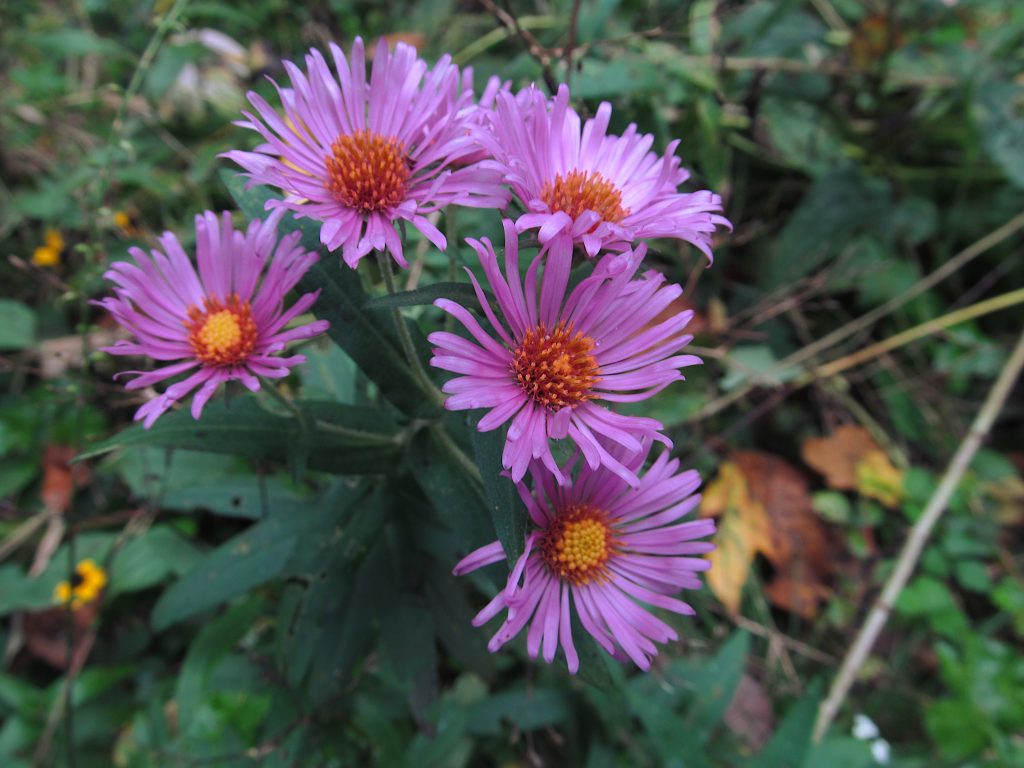
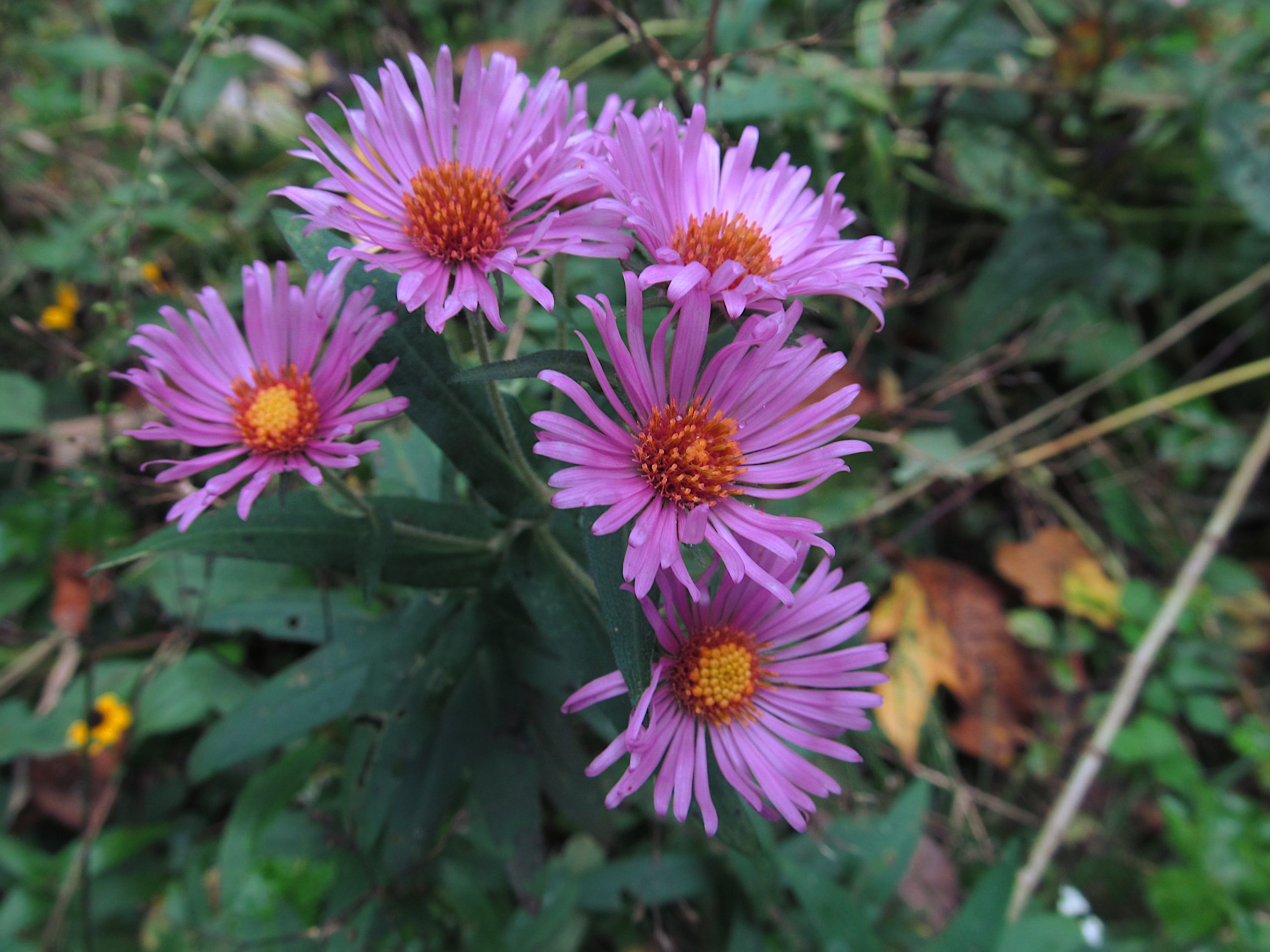

Asters are the daisy-like late-summer and fall flowers that light up gardens when many other blooms are finishing. Their name comes from the Greek for “star,” and in the Victorian language of flowers they mean love and daintiness. They are also one of September’s birth flowers in the US list from The Old Farmer’s Almanac, alongside the morning glory.
This guide covers what asters mean, their colors, the best occasions, cutting tips and pet safety. It is part of our flower meanings guide.
Aster meaning at a glance
- Overall meaning: love and daintiness.
- Birth month: September (see September birth flowers).
- Best for: September birthdays, autumn bouquets, romantic “thinking of you” messages and late-season thank-yous.
- Vase life: about 5 to 10 days, according to The Old Farmer’s Almanac.
- Pets: the ASPCA lists China aster (Callistephus chinensis) as non-toxic to dogs, cats and horses; Almanac growing notes also list Aster spp. as non-toxic.
What do asters symbolize?
The Old Farmer’s Almanac flower meanings chart gives the aster two Victorian meanings: “symbol of love” and “daintiness.” The Almanac’s September birth flowers guide adds folklore: aster leaves were once believed to scare away snakes and ward off evil spirits, and the flowers were considered sacred to the Greek and Roman gods. Greek mythology links the aster’s origin to the tears of the goddess Astraea.
Modern gardeners usually mean two related groups when they say “aster”: New World species now placed in Symphyotrichum (such as New England aster, S. novae-angliae) and the China aster, Callistephus chinensis, a popular florist annual. Both give the starry, daisy-like look associated with the name.
Aster color meanings
Asters flower in blue, purple, pink, red and white. Our Victorian sources don’t assign a separate meaning to each color beyond the overall messages of love and daintiness, so color choice is mostly about mood:
- Purple and blue: the classic autumn aster look, calm and elegant.
- Pink: softer romance and birthday arrangements.
- White: a clean accent for sympathy or formal bouquets.
- Red: a bolder accent in mixed autumn designs.
Best occasions for asters
- September birthdays, as a traditional birth flower.
- Autumn birthdays and harvest-season parties.
- Romantic notes that lean on the Victorian “symbol of love” meaning, without the intensity of red roses.
- Thank-you and host gifts in late summer and fall.
- Mixed bouquets with chrysanthemums and other fall flowers.
Asters and autumn color
Because asters peak as nights cool, they pair naturally with chrysanthemums, grasses and other fall textures. If you are building an autumn birthday or host gift, a few stems of aster in purple or pink can carry the “symbol of love” meaning without needing a full rose bouquet.
Season and availability
The Almanac lists bloom time as summer into fall for many aster species. China asters are grown as annuals for cutting, while perennial New World asters return each year in suitable climates. Florists stock them heavily in late summer and autumn.
How to care for cut asters
The Almanac recommends cutting when the flowers are just beginning to open, and gives a vase life of 5 to 10 days. Asters produce side shoots that can be cut later for more arrangements. Strip lower leaves, use clean water and flower food, and keep the vase cool. For more tips, read our guide to keeping flowers fresh longer.
Are asters safe for cats and dogs?
The ASPCA lists China aster (Callistephus chinensis) as non-toxic to dogs, cats and horses. The Almanac’s aster growing guide also marks Aster spp. / Symphyotrichum spp. as non-toxic. The ASPCA notes that its lists are not complete, and that eating any plant material can cause stomach upset. If your pet seems unwell, contact your vet or the ASPCA Animal Poison Control Center on (888) 426-4435 (a fee may apply).
Asters vs chrysanthemums
Asters and chrysanthemums share the autumn calendar and a daisy-like family look, but their gift codes differ. Chrysanthemums carry stronger cultural funeral associations in parts of Europe, while asters are more often read as love and patience in Victorian lists. If you are unsure about local customs, a mixed autumn bouquet with roses or berries can soften either flower. More context sits in the secret meaning of flowers and 85 types of flowers guides.
Using asters in modern designs
Florists like asters as fillers that still show a clear flower face. Use them to soften rose bouquets, fill thanksgiving tables, or add purple to otherwise warm autumn palettes. Spray asters are especially useful in boutonnieres and smaller gifts.
Keep exploring
See all flower meanings, read September birth flowers, or compare other daisy-like blooms, the chrysanthemum, the daisy and the cosmos.
Frequently asked questions
Asters symbolize love and daintiness in the Victorian language of flowers, according to The Old Farmer’s Almanac.
Yes. Asters are a September birth flower in the US list from The Old Farmer’s Almanac, along with the morning glory.
About 5 to 10 days, according to The Old Farmer’s Almanac, when cut as the flowers begin to open.
China aster is Callistephus chinensis, a florist annual. Many garden “asters” are perennial Symphyotrichum species such as New England aster.
The ASPCA lists China aster as non-toxic to dogs, cats and horses, and the Almanac marks garden asters as non-toxic.