

Cosmos Meaning: What Cosmos Flowers Symbolize
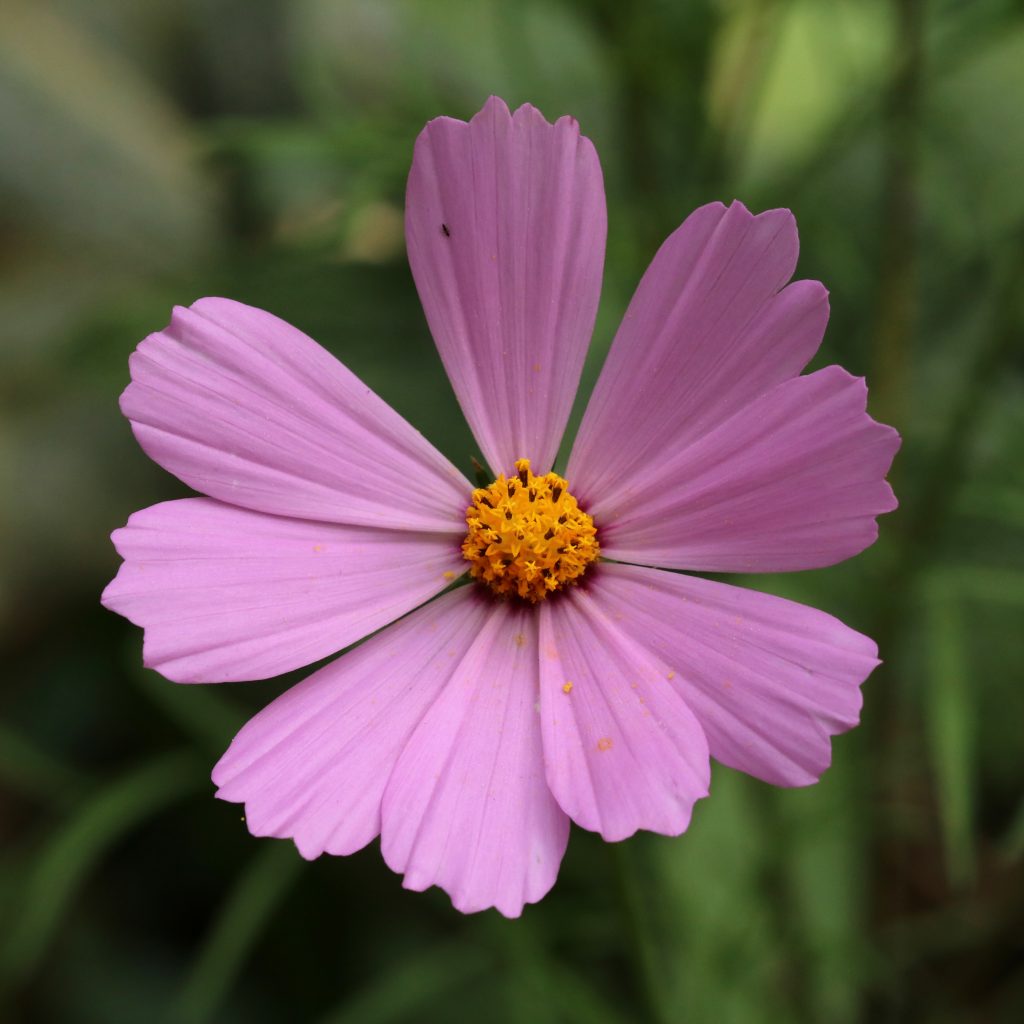
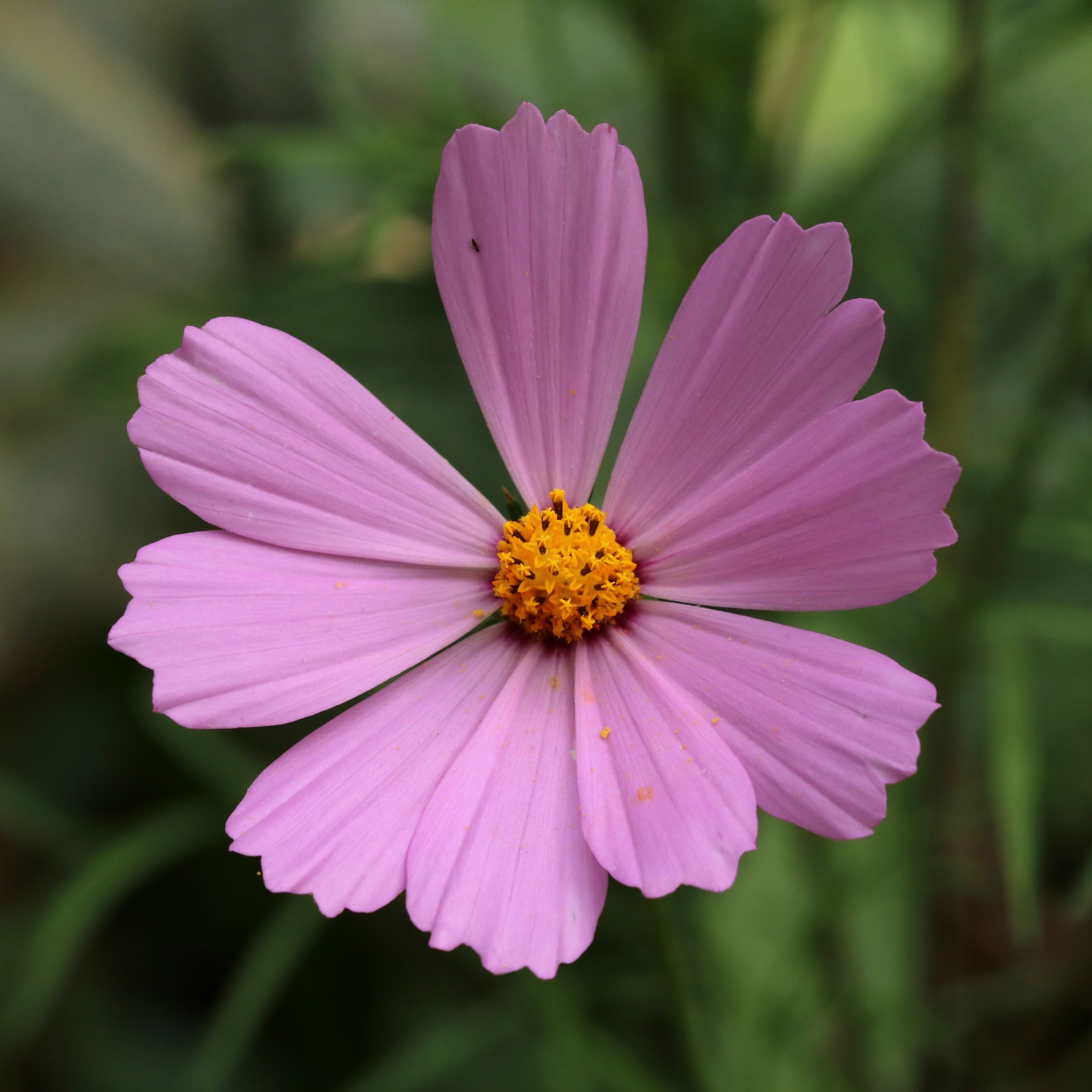

Cosmos are the airy, daisy-like annuals on wiry stems that dance in summer borders and cottage bouquets. Their name comes from the Greek for “order” or “harmonious universe,” and modern florist meaning lists give cosmos the message “peaceful.” They are among the easiest cutting-garden flowers to grow, which makes them a favorite for informal summer gifts.
This guide covers what cosmos mean, their colors, occasions, care and pet safety. It is part of our flower meanings guide.
Cosmos meaning at a glance
- Overall meaning: peace and harmonious, orderly beauty (name origin plus modern florist lists).
- Birth month: none on the main US or UK birth flower lists.
- Best for: summer birthdays, casual thank-yous, garden-party bouquets and peaceful “thinking of you” messages.
- Vase life: more than a week when cut as the petals first open, according to The Old Farmer’s Almanac.
- Pets: the Almanac marks cosmos as non-toxic; cosmos is not singled out on the ASPCA pages we checked, so treat that as incomplete and ask your vet if unsure.
What do cosmos symbolize?
Society of American Florists lists cosmos as “peaceful.” The botanical name itself points the same way: cosmos from Greek for order and harmony, a contrast to their wild, informal look in the garden. The Old Farmer’s Almanac flower meanings chart does not give cosmos a separate Victorian row, so modern florist usage and the name’s meaning are the best-sourced readings we have.
The familiar garden cosmos is Cosmos bipinnatus, sometimes called garden cosmos or Mexican aster, in the daisy family. The Almanac describes it as an easy annual for full sun and even poor soil, about 1 to 3 feet tall, blooming summer into fall in pink, white, purple, red and related shades. Chocolate cosmos (Cosmos atrosanguineus) is a related species with burgundy, cocoa-scented blooms.
Cosmos color meanings
Our florist sources don’t assign a full Victorian color chart for cosmos. Choose by mood:
- Pink: soft summer romance and birthday bouquets.
- White: simple, peaceful arrangements and wedding accents.
- Deep magenta and red: bolder cottage-garden mixes.
- Orange (sulphur cosmos, C. sulphureus): hot-color summer designs.
Best occasions for cosmos
- Casual birthday and host bouquets in summer.
- Thank-you jars and porch drop-offs that feel handmade rather than formal.
- Garden-party and picnic flowers.
- Soft filler and focal blooms in wild, loose designs beside zinnias, daisies and asters.
Cosmos in the cutting garden
Few flowers reward beginners as quickly as cosmos. Sow them in warm soil, give them sun, and avoid overfeeding. The Almanac notes that they bring pollinators and that cut stems suit everything from jelly jars to formal urns. That range is why cosmos work for both casual thank-yous and styled summer parties.
Season and availability
The Almanac lists bloom time as summer into fall. Cut cosmos are easy to grow at home and are sold by local growers and florists in season. They dislike rich soil and heavy fertilizer, which can reduce flowering.
How to care for cut cosmos
The Almanac says to cut when the petals have just opened; blossoms cut at that stage last more than a week in water. Strip lower leaves, use a clean vase and keep the arrangement cool. For more tips, read our guide to keeping flowers fresh longer.
Are cosmos safe for cats and dogs?
The Almanac’s cosmos growing guide marks the plant as non-toxic. We did not find a dedicated ASPCA cosmos profile in the same form as for zinnia or snapdragon, and the ASPCA notes that its lists are not complete. If your pet chews cosmos and seems unwell, contact your vet or the ASPCA Animal Poison Control Center on (888) 426-4435 (a fee may apply).
Cosmos for peace-forward gifts
When you want a calm, open-hearted summer gift without heavy romance, cosmos are a strong choice. They suit hostess gifts, teacher thank-yous and casual birthdays. Pair them with zinnias or grasses for a garden-picked look. More symbolism sits in the secret meaning of flowers and 85 types of flowers guides.
Simple arranging
Cosmos have delicate stems. Support them in a grid of tape across the vase mouth, or nest them among sturdier flowers so heads do not flop. Keep arrangements out of hot midday sun; petals fade faster in heat.
Seed-to-vase timeline
In warm soil, cosmos can go from seed to cutting in roughly two months. That makes them a favorite for summer event DIY. Stagger sowings every two weeks if you want a continuous supply for weekend hosts and markets.
Keep exploring
See all flower meanings, or browse other easy summer cut flowers, the zinnia, the sunflower and the gerbera.
Frequently asked questions
Modern florist lists give cosmos the meaning “peaceful,” and the name itself comes from the Greek for order and harmony.
More than a week when cut as the petals first open, according to The Old Farmer’s Almanac.
Yes. The Almanac describes them as carefree annuals for full sun that bloom even in poor soil.
Garden cosmos (Cosmos bipinnatus) is sometimes called Mexican aster; it is not the same plant as fall perennial asters.
The Almanac marks cosmos as non-toxic. Confirm with your vet if your pet eats any plant, because ASPCA listings are not always complete.