

How to Make Roses Last Longer in a Vase
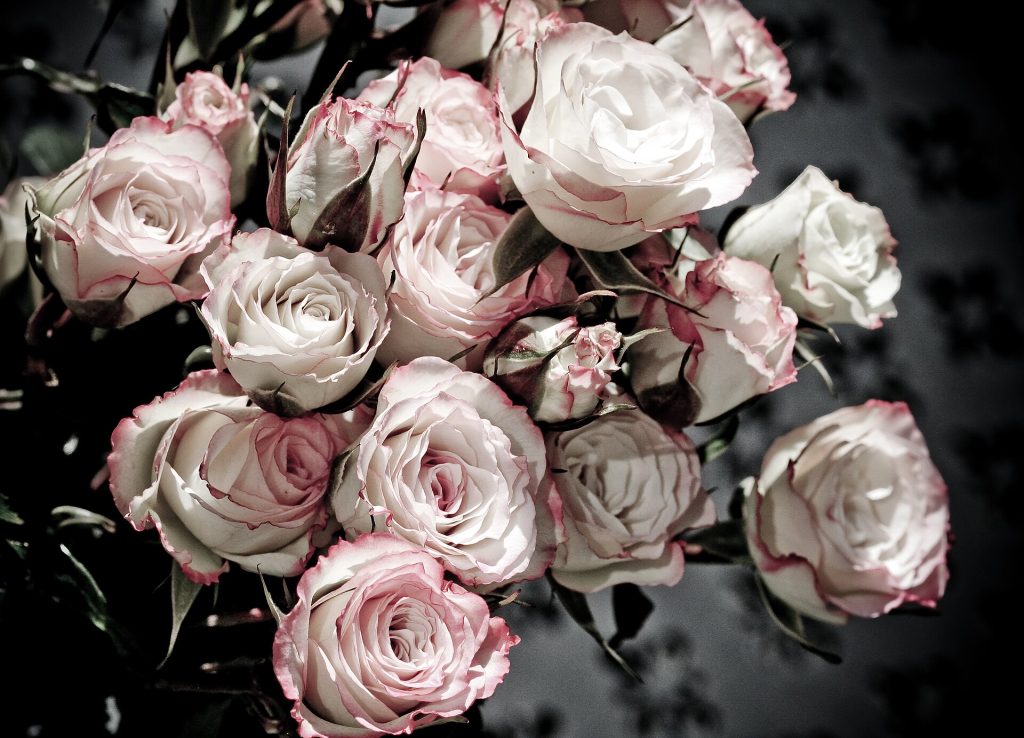


Roses are the flower people most want to last, whether they arrived on Valentine’s Day, an anniversary or a birthday. They are also a little more demanding than sturdy flowers like carnations. University of Illinois Extension puts the vase life of cut roses at about 4 to 12 days, a wide range that depends on the variety and on how they are looked after. A few minutes of care on day one makes a real difference.
This guide covers buying, preparing and looking after cut roses, and how to rescue one that droops. It is part of our flower care and learning guides. For what each rose color means, see our rose meaning guide.
Start with fresh roses
If you are buying roses, look for firm buds that are just starting to open, upright heads, and healthy green leaves. UC Cooperative Extension’s general rule for cut flowers is to choose buds that are just beginning to open, with upward-curved petals and tight centers; flowers with petals already turned down are past their prime. Illinois Extension also suggests buying stems that have been kept in fresh water.
Prepare them as soon as they arrive
- Recut the stems: cut about an inch (2.5 cm) off each stem at an angle with a sharp knife or pruners. Do it under water if you can, so the stem draws in water rather than air.
- Strip the lower stem: remove leaves, and the prickles, from the part of the stem that will be under water. UC Extension includes thorns in what should come off below the waterline. Work carefully so you don’t tear the stem.
- Guard petals: growers sometimes leave a few tough, slightly damaged outer petals on to protect the bloom in transit. You can gently pull these off once the roses are in the vase.
- Warm water and flower food: UMass Amherst Extension suggests putting fresh-cut stems into clean, warm water of about 100°F (38°C) and letting it cool naturally. Add the flower food that came with the roses, mixed as the packet says.
Where to put them
Roses last longer when they stay cool. Keep the vase out of direct sun and away from radiators, heat vents, drafts and the top of electronics. Keep them away from the fruit bowl too: ripening fruit releases ethylene gas, which UC Extension warns can sharply shorten the life of many cut flowers. When you don’t need them on display, a cool room overnight helps.
Daily and every-few-days care
- Every day: top up the water. Roses drink a lot, and a rose whose stem end is left in air can develop an air blockage.
- Every two to three days: change the water completely, add fresh flower food and recut the stems by a little. Change it sooner if the water turns cloudy.
- As they open: remove any rose that is clearly fading so it doesn’t affect the others.
Fixing a rose with a bent neck
Sometimes a rose suddenly droops just below the head even though the rest of the bouquet looks fine. The Chicago Botanic Garden says this may be caused by air bubbles trapped in the stem, and gives this fix:
- Float the whole rose, head and stem, in a sink of warm water.
- Cut another inch off the stem at an angle, under the water.
- Gently straighten the head while the rose floats, keeping the cut end under water for at least half an hour.
- When the head has firmed up in a straight position, put it back in the vase.
UMass Amherst Extension notes that roses can be harder to revive than some flowers once they have wilted, so it pays to act early. More tips are in our guide to reviving wilted flowers.
Which roses last longest?
Vase life varies by variety. Illinois Extension notes that red varieties tend to outlast white ones. Roses bought in tight bud usually give you more days than roses that are already fully open. Spray roses, with several small blooms per stem, are another option if you want more flowers to open over time.
Roses, pets and mixed bouquets
The ASPCA lists roses as non-toxic to dogs, cats and horses, which makes them one of the safer bouquet choices for homes with pets, though the prickles can scratch. Mixed bouquets are another matter: lilies in particular are dangerous for cats. Our lily meaning guide explains the risk.
Roses for every occasion
Planning to send roses rather than care for them? See Valentine’s Day flowers, anniversary flowers, birthday flowers and wedding flowers. The rose is also June’s birth flower: read more in June birth flowers.
Keep exploring
For general care that applies to every bouquet, read how to keep cut flowers fresh. If you have run out of flower food, see homemade flower food for recipes that work and myths that don’t.
Frequently asked questions
University of Illinois Extension says cut roses typically last about 4 to 12 days. Variety, freshness at purchase and care all make a difference.
It helps. Cutting under water lets the stem take up water instead of air, which reduces the chance of an air blockage that can cause bent neck.
Remove leaves and prickles from the part of the stem that will be under water, as University of California Cooperative Extension advises. Work carefully so you don’t tear the stem.
Usually because water isn’t reaching the head, often due to an air bubble or bacteria in the stem. The Chicago Botanic Garden suggests floating the rose in warm water and recutting the stem under water.
Yes. The ASPCA lists roses as non-toxic to dogs, cats and horses. Check the rest of a mixed bouquet, though, since lilies are highly toxic to cats.
Sources
- University of Illinois Extension: Help your flowers last longer
- University of Illinois Extension: Extend the vase life of your fresh flowers
- University of California Cooperative Extension: Extending the Freshness of Cut Flowers at Home (Publication 8113)
- UMass Amherst Extension: Care for cut flowers
- Chicago Botanic Garden: Cut flower care
- ASPCA: Rose