

How to Keep Hydrangeas Fresh in a Vase (and Revive Wilted Ones)
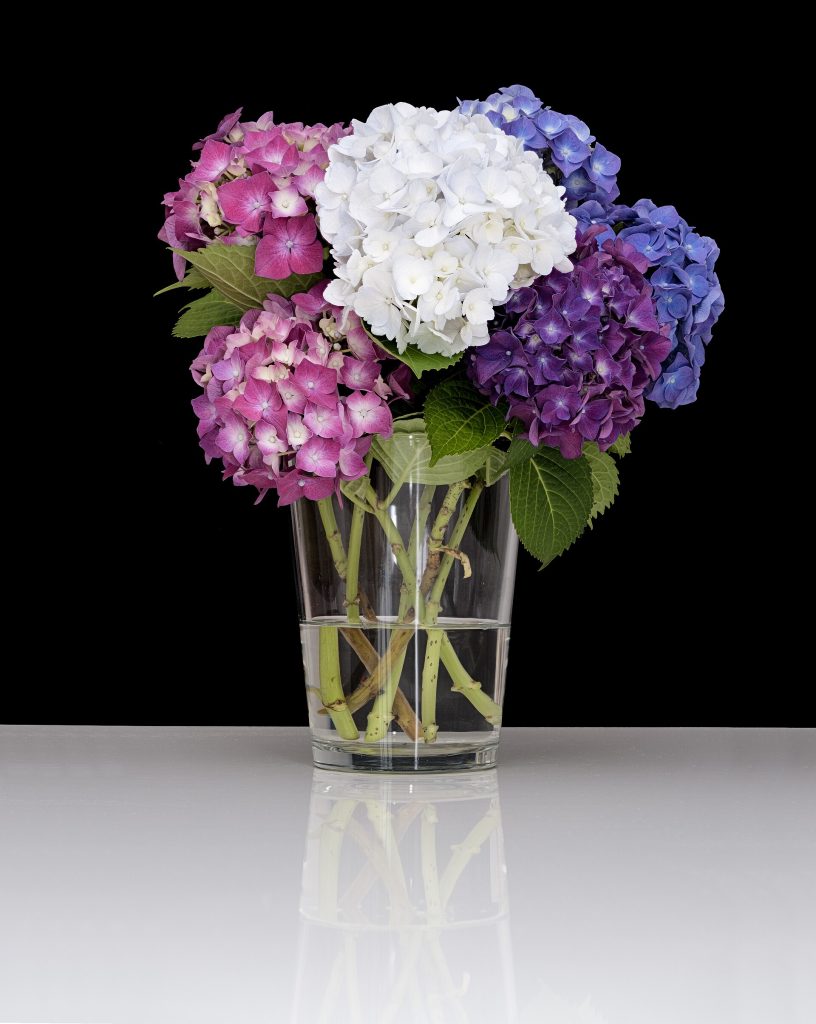
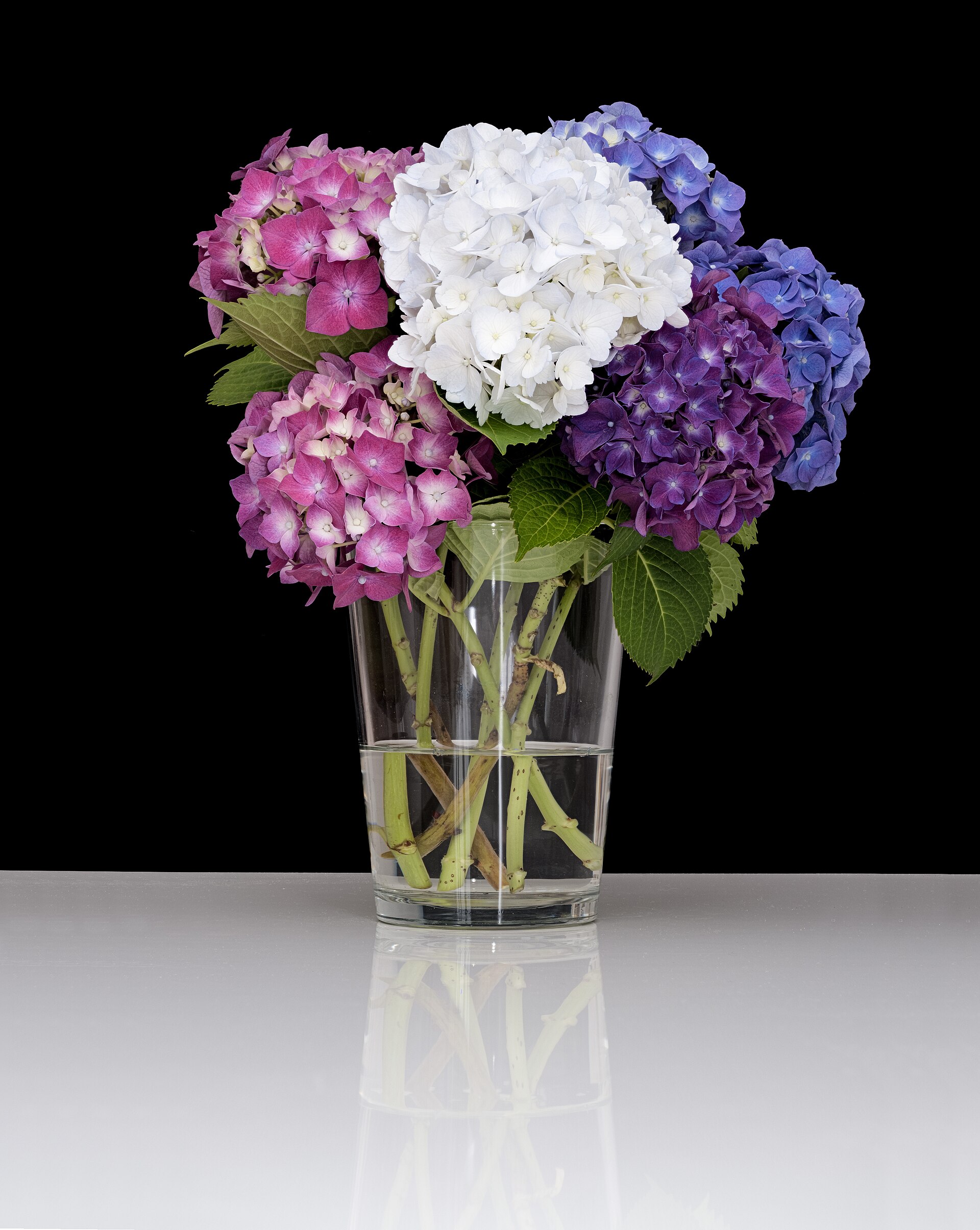

Few cut flowers collapse as dramatically as a hydrangea. The flower head is a mass of small florets with a huge surface area, so water leaves quickly, and the cut stem can seal with sticky resin that blocks drinking. The fix is mostly about water: get stems into it fast, help them take it up, and know how to rehydrate a wilted head.
This guide follows the Chicago Botanic Garden’s cut-hydrangea advice and Oregon State University Extension notes on cut blooms. It is part of our flower care and learning guides. For meanings and colors, see hydrangea meaning.
Why cut hydrangeas wilt
- Chicago Botanic Garden explains that hydrangeas wilt when they stay out of water too long: air enters the stem and the many small petals lose moisture fast.
- When the stem is cut, the plant produces a sticky resin at the cut that can clog water uptake.
- Leaves pull water away from the bloom, so leaving lots of foliage on the stem makes wilting more likely.
How to keep hydrangeas fresh
- Water immediately: carry a bucket when you cut from the garden, and get shop-bought stems into water as soon as you are home.
- Recut at an angle: a fresh angled cut exposes more stem to water.
- Strip the leaves: Chicago Botanic Garden and OSU Extension both recommend removing leaves so water goes to the flower head.
- Boiling-water dip (optional conditioning): Chicago Botanic Garden describes holding the cut end in boiling water briefly to help clear resin and open the stem’s pathways, then moving the stem into cool vase water. Keep flower heads away from the steam.
- Clean vase and flower food: wash the vase, fill with fresh water and use flower food as mixed on the packet.
- Cool spot: keep the arrangement out of direct sun and heat.
OSU Extension adds that older, fully developed hydrangea blooms often last longer as cuts than very young ones, and that getting air bubbles out of the stem is the main trick.
Vase care supplies
The method in this guide matters more than any one product, but a sharp cutter, a clean vase and flower food are the practical supplies. Prices are on Amazon and change often, so we do not list them here.
- Fiskars 6-Inch Steel Micro-Tip Pruning Scissors
 Spring-loaded micro-tip scissors made for a clean, angled cut.
- Chrysal Bio-Based Flower Food, 10 oz jar with scoop
 A commercial flower food from a florist-supply brand. Use it as the label directs.
- FloraLife Fresh-Cut Flower Food, 25 packets
 Single-use packets that give you a measured dose for one vase.
As an Amazon Associate, Flowerlyn earns from qualifying purchases.
How to revive wilted hydrangeas
Chicago Botanic Garden’s revival method:
- Submerge the whole flower head in a bucket of tepid water for about 30 minutes.
- The head often “inflates” as the florets take up water through the petals as well as the stem.
- Recut the stem and return it to a clean vase of fresh water.
If the stem still seems blocked, recut it and repeat a brief boiling-water dip on the cut end before returning the stem to cool water. For general wilting tips that apply to other flowers, see how to revive wilted flowers.
Drying hydrangeas instead
If you would rather keep the bloom long-term, OSU Extension says hydrangeas dry better once the head has a papery look, about six to eight weeks after blooming. Remove leaves, hang upside down or stand the stem in a little water out of the sun, and allow it to dry. See also how to dry flowers.
Are hydrangeas safe for pets?
The ASPCA lists hydrangea as toxic to dogs, cats and horses. Keep cut stems and fallen florets away from pets. For safer choices, see flowers safe for cats.
Keep exploring
Everyday bouquet care is covered in how to keep cut flowers fresh. Hydrangeas suit thank-you and soft apology arrangements when you want a full, gentle look.
Frequently asked questions
They likely dried out or the cut sealed with resin. Get them into water immediately, strip leaves, recut the stems and, if needed, use a brief boiling-water dip on the cut ends, as Chicago Botanic Garden describes.
Submerge the whole flower head in tepid water for about 30 minutes, then recut the stem and return it to a clean vase.
No. Chicago Botanic Garden and OSU Extension both recommend removing leaves so water goes to the bloom.
OSU Extension notes that older, fully open blooms often last longer as cut flowers than very young ones.
Yes. The ASPCA lists hydrangea as toxic to cats, dogs and horses.