

Hydrangea Meaning: What Hydrangeas Symbolize, by Color
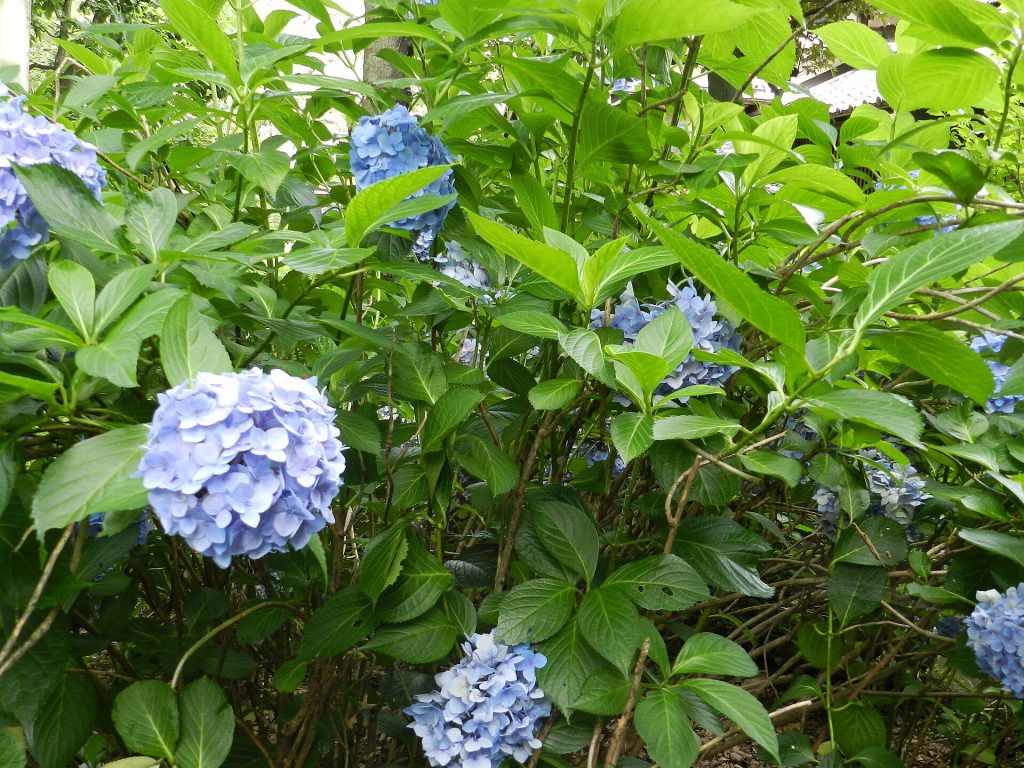
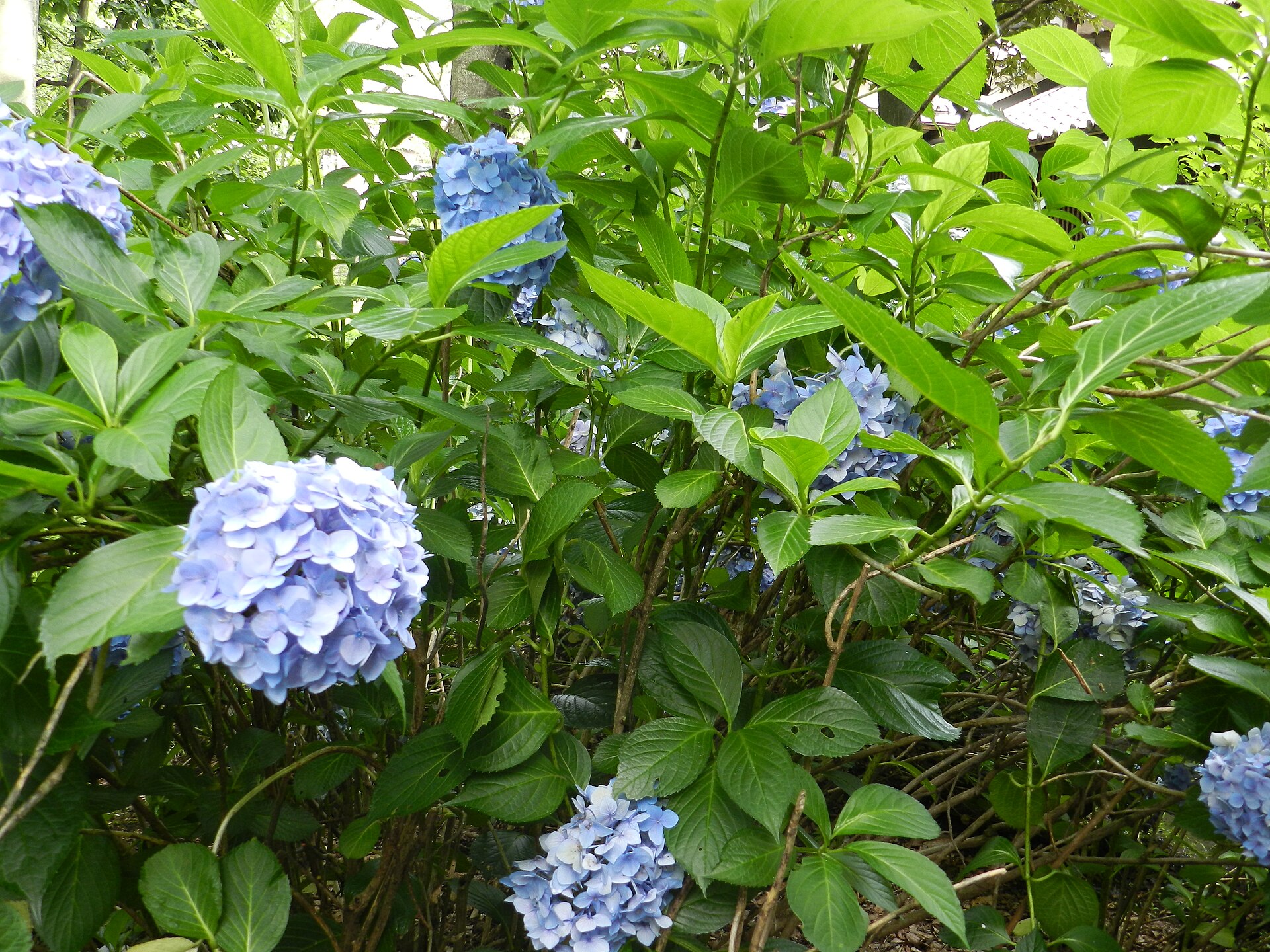

With their big, rounded flower heads and soft colors, hydrangeas bring a generous, cottage-garden look to any bouquet. They also have one of the most interesting stories of any garden flower: the same plant can flower pink one year and blue the next, depending on the soil. And their meaning is more mixed than you might expect.
This guide covers what hydrangeas mean, color meanings, the science behind blue and pink hydrangeas, the best occasions, care and pet safety. It is part of our flower meanings guide.
Hydrangea meaning at a glance
- Overall meaning: gratitude and heartfelt understanding, though the Victorians also linked it with heartlessness.
- Birth month: not a traditional birth flower.
- Best for: thank yous, 4th wedding anniversaries, Mother’s Day and weddings.
- Vase life: about 7 to 10 days.
- Pets: the ASPCA lists hydrangeas as toxic to dogs, cats and horses.
What do hydrangeas symbolize?
The Old Farmer’s Almanac records two very different meanings for the hydrangea: “gratitude for being understood” and “frigidity and heartlessness”. Interflora acknowledges the same debate. Some connect the flower with vanity and boastfulness, perhaps because of its lavish, rounded shape, while others say a bunch of hydrangeas expresses “thank you for understanding”.
Most people today give hydrangeas in the positive sense, as a thank you or simply for their beauty. If you want to make your meaning clear, a short card does the job.
Where hydrangeas come from
Britannica describes Hydrangea as a genus of about 23 species of shrubs and climbers in the family Hydrangeaceae, native to the Western Hemisphere and eastern Asia. The florist’s hydrangea is the French or bigleaf hydrangea, Hydrangea macrophylla, also called hortensia, which has large globe-shaped flower clusters. Interflora explains that the name comes from the Greek for water and vessel, because the shape of the flower is reminiscent of an old water pitcher. It also notes that in Japan, a sweet tea called ama-cha is made from dried hydrangea leaves to celebrate the Buddha’s birthday.
What looks like one big flower is actually a cluster of many small florets, which is why a single stem fills so much space in a vase.
Why are some hydrangeas blue and others pink?
This is the hydrangea’s most famous trick. According to UMass Amherst Extension, aluminum in the flower tissue makes bigleaf hydrangeas blue. Most soils contain enough aluminum, but the plant can only take it up when the soil is acidic.
- Acidic soil (below about pH 5.5): blue flowers.
- Between about pH 5.5 and 6.5: purple flowers, or a mix of blue and pink on one plant.
- Neutral to alkaline soil (above about pH 6.5): pink flowers.
Only bigleaf and mountain hydrangeas change color like this. White hydrangeas, such as the smooth hydrangea ‘Annabelle’, stay white whatever the soil, and some cultivars tend to stay pink or blue. UMass notes that gardeners can raise soil pH with limestone for pinker flowers or lower it for bluer ones, but that the change is gradual and too much of either product can harm the plant.
Hydrangea color meanings
There is no single agreed color code for hydrangeas, and the main sources don’t give one. A practical way to choose:
- Blue: cool, calm and classic, the color most people picture.
- Pink: soft and romantic, good for Mother’s Day and anniversaries.
- White: fresh and elegant, a wedding and sympathy favorite.
- Green and antique shades: Interflora notes that rich green and deep burgundy hydrangeas look sensational in autumn arrangements.
Birth month and best occasions
The hydrangea is not on the traditional birth-flower lists from The Old Farmer’s Almanac or Interflora, so check our birth flowers by month guide for the official flowers. Hydrangeas suit:
- Thank yous, which fits the “gratitude for being understood” meaning.
- Gentle apologies: a soft pink or white hydrangea feels heartfelt without looking flashy, especially as a potted plant.
- Anniversaries: Interflora’s hydrangea guide says they are traditionally given for the 4th wedding anniversary, although its own anniversary table lists the geranium for that year. Traditions vary.
- Mother’s Day: a potted hydrangea can be planted out in the garden afterward.
- Sympathy: white hydrangeas are a soft, full choice for funeral arrangements.
- Weddings, where Interflora’s florists use them to fill arches and large arrangements.
Season and availability
Interflora lists cut hydrangeas as available from November to May, from imported and greenhouse-grown stock, while garden hydrangeas in the UK and much of the US flower in summer. Britannica notes that florist’s hydrangeas are forced in greenhouses for holiday sales.
How to care for cut hydrangeas
Interflora gives cut hydrangeas a vase life of about 7 to 10 days. They drink a lot of water, so their care is slightly different from other flowers:
- Fill a clean vase almost full with water and flower food.
- Trim 2 to 3 cm (about an inch) off the stems with strong pruners, because the stems are woody.
- Remove any leaves below the waterline.
- Top up the water daily, and change it completely and recut the stems every two days.
- Mist the flower heads occasionally.
If hydrangeas wilt early, Interflora suggests recutting the stems at a sharp angle and submerging the whole flower heads in tepid water for a short time to revive them. For more tips, read our guide to keeping flowers fresh longer. If they still droop, see how to revive wilted flowers.
Are hydrangeas safe for cats and dogs?
No. The ASPCA lists the hydrangea as toxic to dogs, cats and horses. It contains a cyanogenic glycoside, and eating it can cause vomiting, depression and diarrhea. Keep cut and potted hydrangeas out of reach of pets. If you think your pet has eaten part of a hydrangea, contact your vet or the ASPCA Animal Poison Control Center on (888) 426-4435 (a fee may apply).
Keep exploring
See all flower meanings, compare with peony meanings, browse 85 types of flowers, or say thanks with our thank-you flowers guide. To stop cut blooms collapsing, read how to keep hydrangeas fresh. For more blue blooms, see blue flowers meaning.
Frequently asked questions
Hydrangeas can symbolize gratitude and heartfelt understanding. In the Victorian language of flowers they could also mean heartlessness or boastfulness, so add a card if your meaning matters.
In bigleaf hydrangeas, aluminum in the flowers makes them blue. The plant can only take up aluminum from acidic soil, so acidic soil gives blue flowers and neutral to alkaline soil gives pink.
Interflora’s hydrangea guide links them with the 4th wedding anniversary, but other lists give the geranium for that year, so traditions vary.
Recut the stems at a sharp angle and submerge the flower heads in tepid water for a short time, then return them to a full vase.
Yes. The ASPCA lists hydrangeas as toxic to dogs, cats and horses. They can cause vomiting, depression and diarrhea.