

Cherry Blossom Meaning: What Sakura Symbolizes
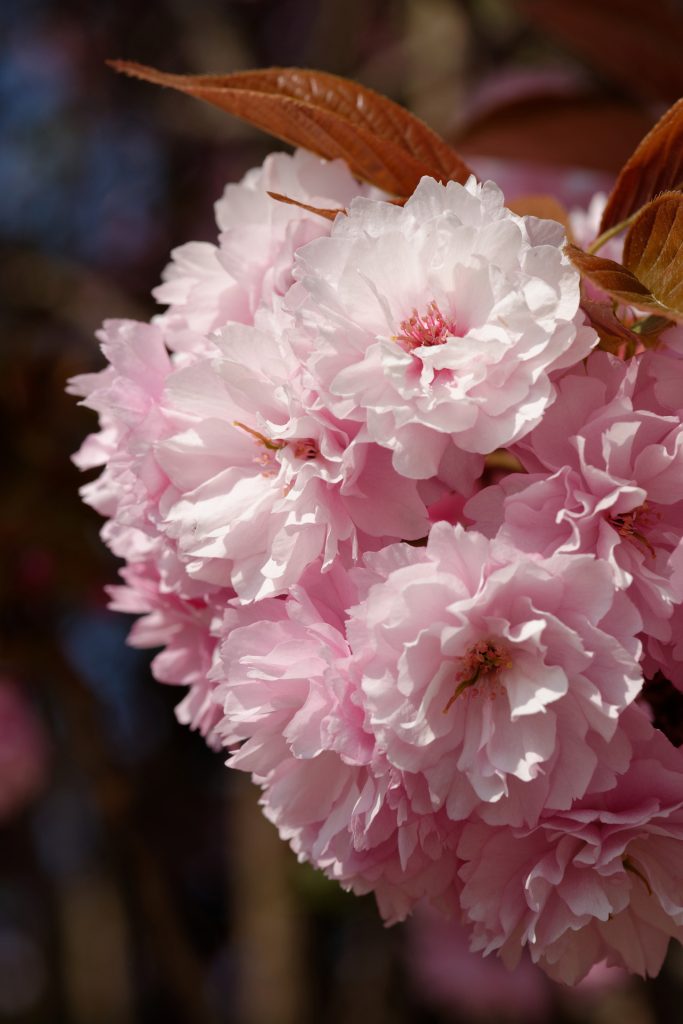
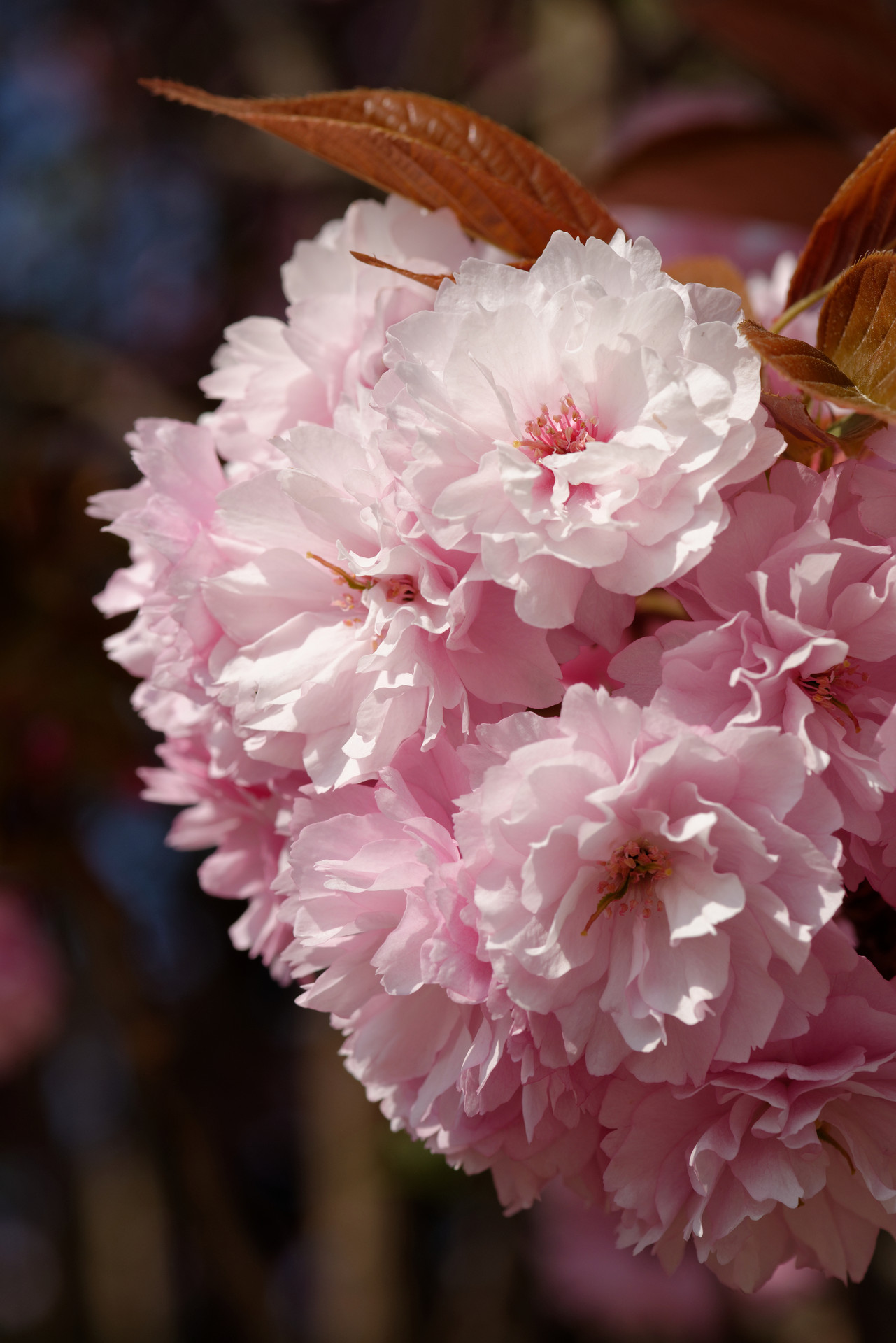

Cherry blossoms, called sakura in Japan, are among the most recognized flowers in the world, and their meaning is tied to how briefly they bloom. For a week or two in early spring the trees turn pale pink or white, and then the petals fall. That short season has shaped centuries of poetry, painting and spring gatherings, and it is why cherry blossom meaning is about both joy and impermanence.
This guide looks at what sakura symbolizes, how hanami (flower viewing) works, how cherry blossoms differ from plum blossoms, and where to see them. For festival dates, see our 2027 flower events calendar, which includes cherry blossom festivals in Washington, D.C., Macon, Philadelphia, Seattle and San Francisco.
Cherry blossom meaning at a glance
- In Japan, sakura is a symbol of spring, renewal and the start of the school and fiscal year.
- Because the bloom is short, the blossoms are also a metaphor for the fleeting nature of beauty and of life itself.
- Hanami, or flower viewing, is the tradition of gathering under the trees to eat, drink and enjoy the brief season.
- Cherry blossoms are not the same as plum blossoms (ume), which flower earlier and have a different cultural history.
- Cut cherry blossom branches are sometimes used in arrangements, but sakura is first of all a tree to visit, not a typical florist bouquet.
What do cherry blossoms symbolize?
Travel Japan, the official site of the Japan National Tourism Organization, calls cherry blossoms “perhaps the most recognizable symbol of the country and its culture.” It says the blossoms commonly appear in Japanese literature and media to represent renewal and the passage of time, and that they are also “representative of the fleeting nature of beauty, and of life itself.” Bloom usually lasts about two weeks in early spring, coinciding with the start of Japan’s academic and fiscal year, so the season is also a time of new jobs, new school years and welcome parties.
The Smithsonian Folklife Festival describes cherry blossoms as “a symbolic flower of the spring, a time of renewal, and the fleeting nature of life.” After their beauty peaks, the blossoms start to fall. The Library of Congress, in its exhibition on cherry blossoms in Japanese cultural history, makes the same point: “because they bloom briefly, the blossoms are often seen as a metaphor for the ephemeral beauty of living.”
That mixture of celebration and transience is the heart of cherry blossom meaning. The season is joyful. People picnic, take photographs and meet friends under the trees. The joy is sharper because everyone knows it will not last long.
Hanami, the tradition of watching the blossoms
Hanami literally means “watching blossoms,” and in spring it almost always means cherry blossoms. The Smithsonian Folklife Festival traces the tradition back at least a thousand years. The Library of Congress notes that it is “an old and ongoing tradition,” and that cherry trees were planted in places such as Asukayama Park in the eighteenth century so that people could gather beneath them.
Today, friends, families and coworkers spread blankets under the trees, sometimes hours in advance, to share food and drinks while the petals last. Schools and offices hold welcome parties during hanami. Night viewing, when the trees are lit, is called yozakura. Japan’s Meteorological Agency issues a sakura forecast each year, because bloom dates shift with the weather and vary from region to region.
You do not have to travel to Japan to take part in a version of this. Washington, D.C.’s National Cherry Blossom Festival, Macon’s International Cherry Blossom Festival, and Japanese cultural festivals in Philadelphia, Seattle and San Francisco all grew from the same idea: a brief, communal celebration of the trees in bloom. Our flower events calendar lists 2027 dates, with the reminder that festival dates are fixed and peak bloom is not.
Cherry blossom vs. plum blossom
In late winter and very early spring, plum blossoms (ume) appear before sakura. The Library of Congress notes that ume is the first important flower to blossom in the spring, with strong connections to the Asian continent, especially Chinese poetry and painting, where plum blossoms are often shown with the bush warbler. Cherry blossoms come later and have become, in the modern imagination, the flower most people mean when they talk about “blossom season” in Japan. If you are identifying a tree, look at bloom time, petal shape and how the flowers are held on the branch; a florist or garden label should also name the species.
The trees most often planted for spectacle are flowering cherries in the genus Prunus, including Yoshino cherries (Prunus × yedoensis) and double-flowered cultivars such as ‘Kanzan’ (Prunus serrulata). These are ornamental trees. They are not the same plant as the sweet or sour cherries grown for fruit, even though they are related.
Color, cut branches and gifts
Most ornamental cherries bloom in pale pink or white. Deeper pink appears in some double-flowered cultivars. The meaning does not usually change by shade the way rose colors do; the symbol is the blossom and its short life, rather than a Victorian color code.
Cut cherry branches can be used in tall spring arrangements, but they are not a standard mixed-bouquet flower. As a gift, a visit to the trees, a beautifully illustrated book, or a small flowering cherry in a pot (if the recipient has space to plant it) often captures the meaning better than a few cut stems. If you do give cut branches, recut them and keep them in a deep, clean vase, as you would other woody spring stems. See our cut flower care guide for the basic routine.
Pet safety
Flowering cherry trees (Prunus) are related to other stone fruits. The ASPCA lists several Prunus species, including cherry, among plants toxic to dogs, because of compounds in the leaves, stems and pits. A vase of cut blossom branches should be kept out of a pet’s reach, and fallen leaves or pits from fruiting cherries should not be left where a dog can eat them. For safer bouquet choices, see flowers safe for dogs and flowers safe for cats.
Keep exploring
Plan a visit with our 2027 flower events calendar, or compare other spring symbols such as tulips, daffodils and peonies. For a wider view, see flower meanings and what flowers to send.
Frequently asked questions
In Japan, sakura symbolizes spring and renewal, and, because the bloom is so short, the fleeting nature of beauty and of life. Official tourism and cultural sources also link the season to new beginnings, because it coincides with the start of the school and fiscal year.
Individual trees are often at their peak for about a week or two, though this depends on the weather and the variety. A late frost, wind or rain can shorten the display.
Hanami means “flower viewing.” In spring it is the Japanese tradition of gathering under cherry trees to picnic and enjoy the blossoms while they last.
No. Plum blossoms (ume) usually flower earlier and have a long history in Chinese as well as Japanese art. Cherry blossoms come later and are the flowers most people mean by “sakura season.”
In 2027 the festival runs March 20 through April 11. Peak bloom at the Tidal Basin is forecast separately by the National Park Service and depends on the weather. See our flower events calendar for details.