

Peony Meaning: What Peonies Symbolize, by Color
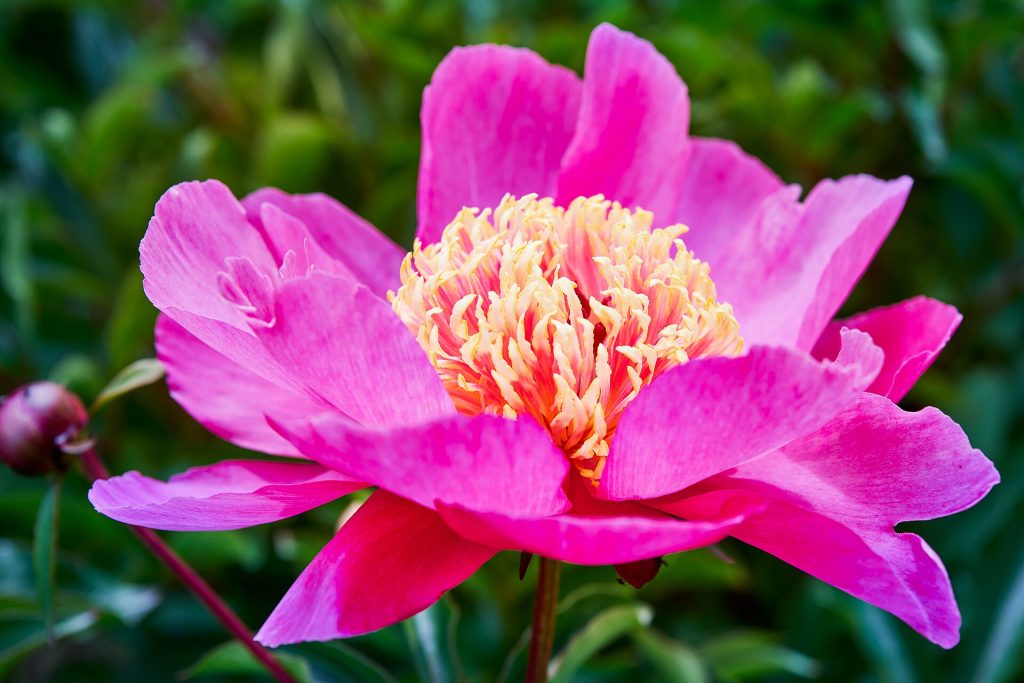
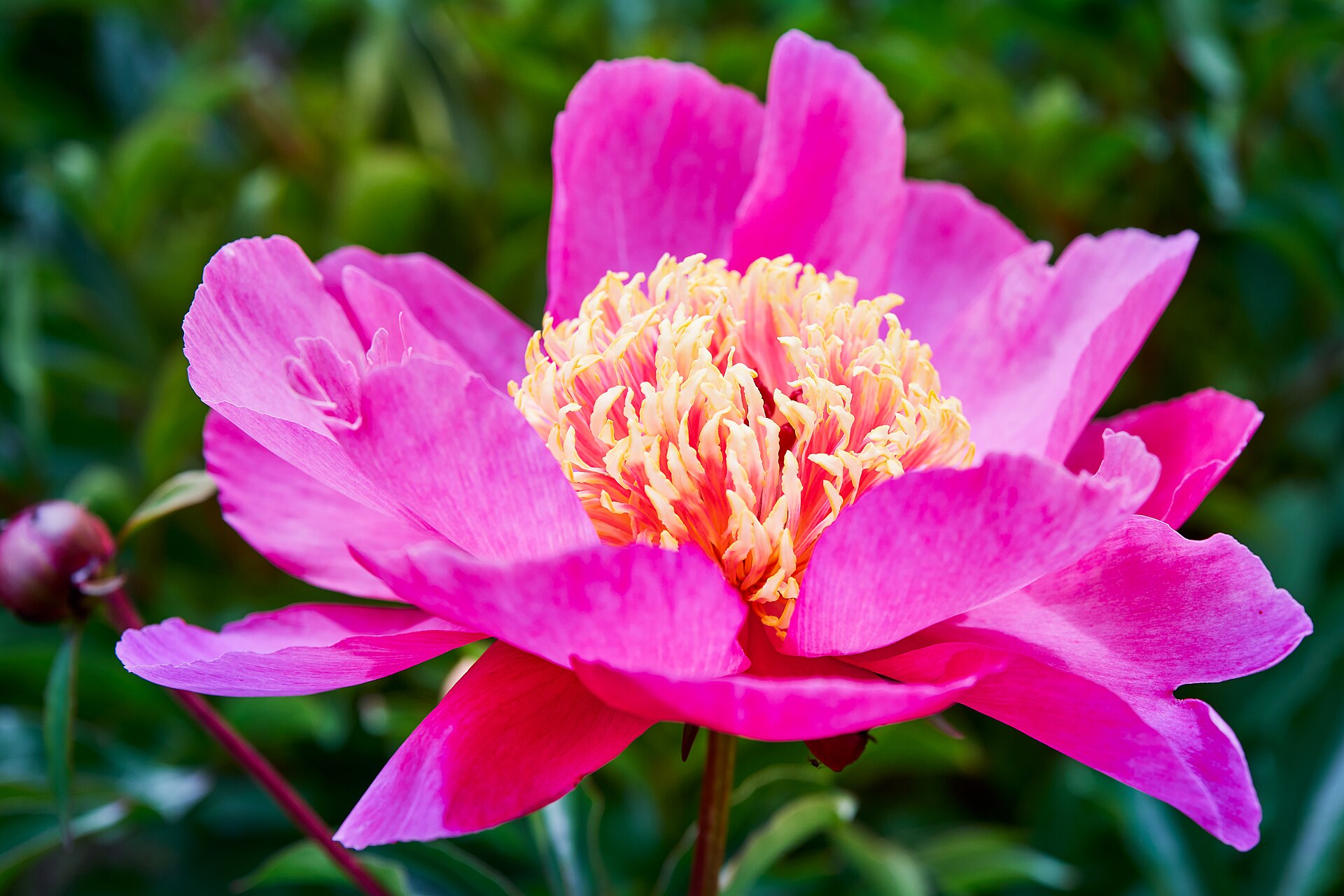

Peonies are the flower many people wait all year for. Their huge, ruffled blooms open from tight buds into something close to a pompom, their scent can fill a room, and their season is short, which makes a bunch of peonies feel like a real treat.
This guide covers what peonies mean, the meaning of each color, the flower’s long history, when peonies are in season, how to care for them and whether they are safe around pets. It is part of our flower meanings guide.
Peony meaning at a glance
- Overall meaning: prosperity, honor and romance, and a happy life.
- Birth month: not a traditional birth flower, but in season for late spring birthdays.
- Best for: weddings, anniversaries (especially the 12th), birthdays and Mother’s Day.
- Vase life: roughly 5 to 12 days, depending on how open they are when you buy them.
- Pets: the ASPCA lists peonies as toxic to dogs, cats and horses.
What do peonies symbolize?
Interflora says peonies have been grown for more than 4,000 years and were first cultivated in China, where they remain a strong symbol of honor, prosperity and romance. They reached European gardens much later, in the late 17th century.
The Victorian language of flowers gave the peony more mixed meanings. The Old Farmer’s Almanac lists “bashful”, “happy life” and “shame”. Today, most florists use the peony for its positive meanings: abundance, a happy marriage and good fortune.
The name comes from Greek mythology. In the story Interflora retells, Paeon, physician to the gods, used the root of the plant for healing, and was turned into the flower to protect him from his jealous teacher.
Types of peonies
Florists mainly sell herbaceous peonies, which die back to the ground in winter. Interflora also describes tree peonies, which have woody stems and large blooms, and intersectional (Itoh) peonies, hybrids of the two that flower a little later. Coral Charm, which opens coral and fades to cream, is one of the best-known florist varieties.
Peony color meanings
Interflora gives these color meanings:
- Pink: romance and admiration, perfect for anniversaries.
- White: purity and new beginnings, a wedding favorite.
- Red: passion and respect.
- Coral or peach: friendship and good fortune, a joyful birthday choice.
Birth month and best occasions
The peony is not a traditional birth flower on the US or UK lists we use, but it flowers in late spring and early summer, so it suits May and June birthdays alongside the official May and June birth flowers.
Peonies are especially good for:
- Anniversaries: anniversary flower lists give the peony for the 12th year, and pink peonies say romance.
- Mother’s Day: in the US, the second Sunday in May often falls near the start of peony season.
- Birthdays: coral and pink peonies.
- Weddings, where white and blush peonies are a classic.
- Apologies (in season): soft pink peonies read as sincere and romantic without the heat of red roses.
Season and availability
Interflora says the UK peony season runs from May to July, with a peak in late May and June. Imported peonies stretch the season a little, but they are still hard to find for much of the year. Out of season, Interflora’s florist suggests dahlias, hydrangeas or garden roses, which have a similar full, rounded shape.
How to care for cut peonies
Peony vase life varies. Interflora gives 5 to 7 days in one part of its guide and 6 to 12 days in another, and a lot depends on how open the buds are when you buy them. Interflora’s care tips:
- Recut the stems at an angle and put them in fresh water with flower food.
- Change the water every two to three days and recut the stems.
- Keep the vase somewhere cool with bright, indirect light. Direct sun makes them open and fade faster.
- Keep peonies away from ripening fruit, which gives off ethylene gas, and away from heat and drafts.
- Remove petals as they drop.
If you see ants on peony buds, Interflora says they’re harmless. They are attracted to the sweet nectar on the buds, and you can rinse them off under lukewarm water. For more tips, read our guide to keeping flowers fresh longer.
Are peonies safe for cats and dogs?
No. The ASPCA lists the peony as toxic to dogs, cats and horses. It contains paeonol, and eating it can cause vomiting, diarrhea and depression. Keep peonies out of reach of pets, and if you are buying for a pet owner, consider roses, which the ASPCA lists as non-toxic and which, as garden roses, have a similar romantic look.
If you think your pet has eaten part of a peony, contact your vet or the ASPCA Animal Poison Control Center on (888) 426-4435 (a fee may apply).
Keep exploring
See all flower meanings, compare with rose meanings, hydrangea meanings or the peony-like ranunculus, browse 85 types of flowers, see peonies in context in our wedding flowers guide, or find spring flower shows in our 2027 festivals calendar. For cut-flower care, see peonies in a vase. See also flowers that mean love and white flowers meaning.
Frequently asked questions
Peonies symbolize prosperity, honor and romance, and are associated with a happy life and a happy marriage. In the Victorian language of flowers they could also mean bashfulness.
In the UK, peonies are in season from May to July, with a peak in late May and June. Imported peonies extend the season slightly.
Anniversary flower lists give the peony for the 12th wedding anniversary, although traditions vary between sources.
Ants are attracted to the sweet nectar on peony buds. They are harmless and can be rinsed off with lukewarm water.
Yes. The ASPCA lists peonies as toxic to dogs, cats and horses, so keep them out of reach of pets.