

May Birth Flowers: Lily of the Valley and Hawthorn
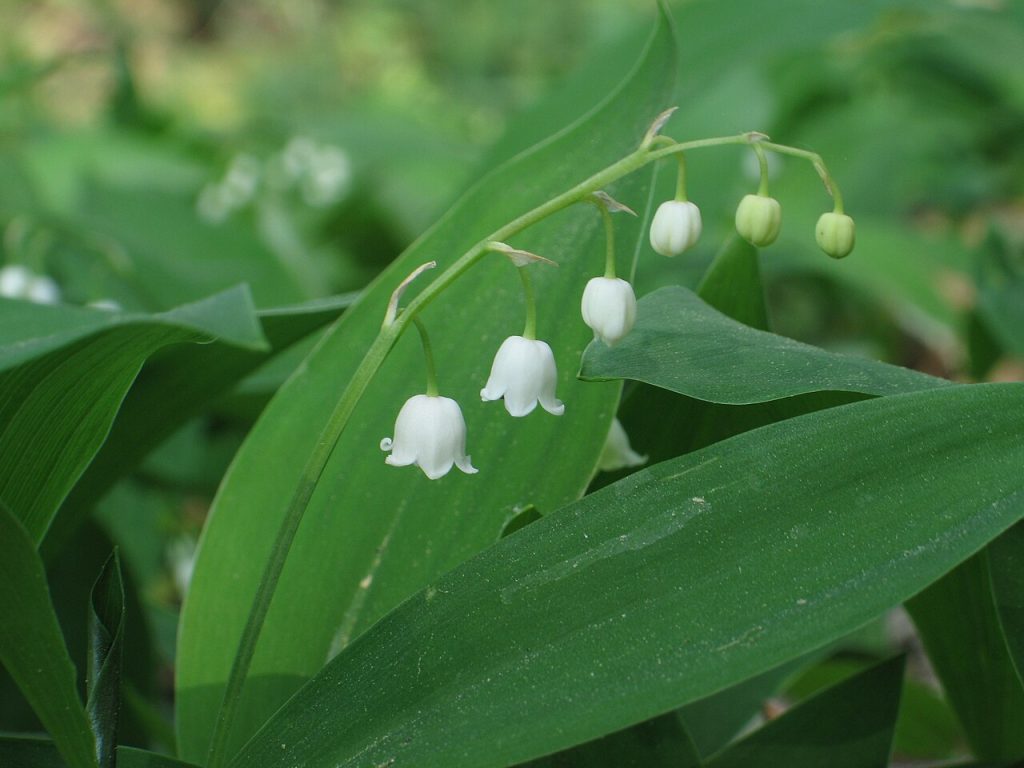
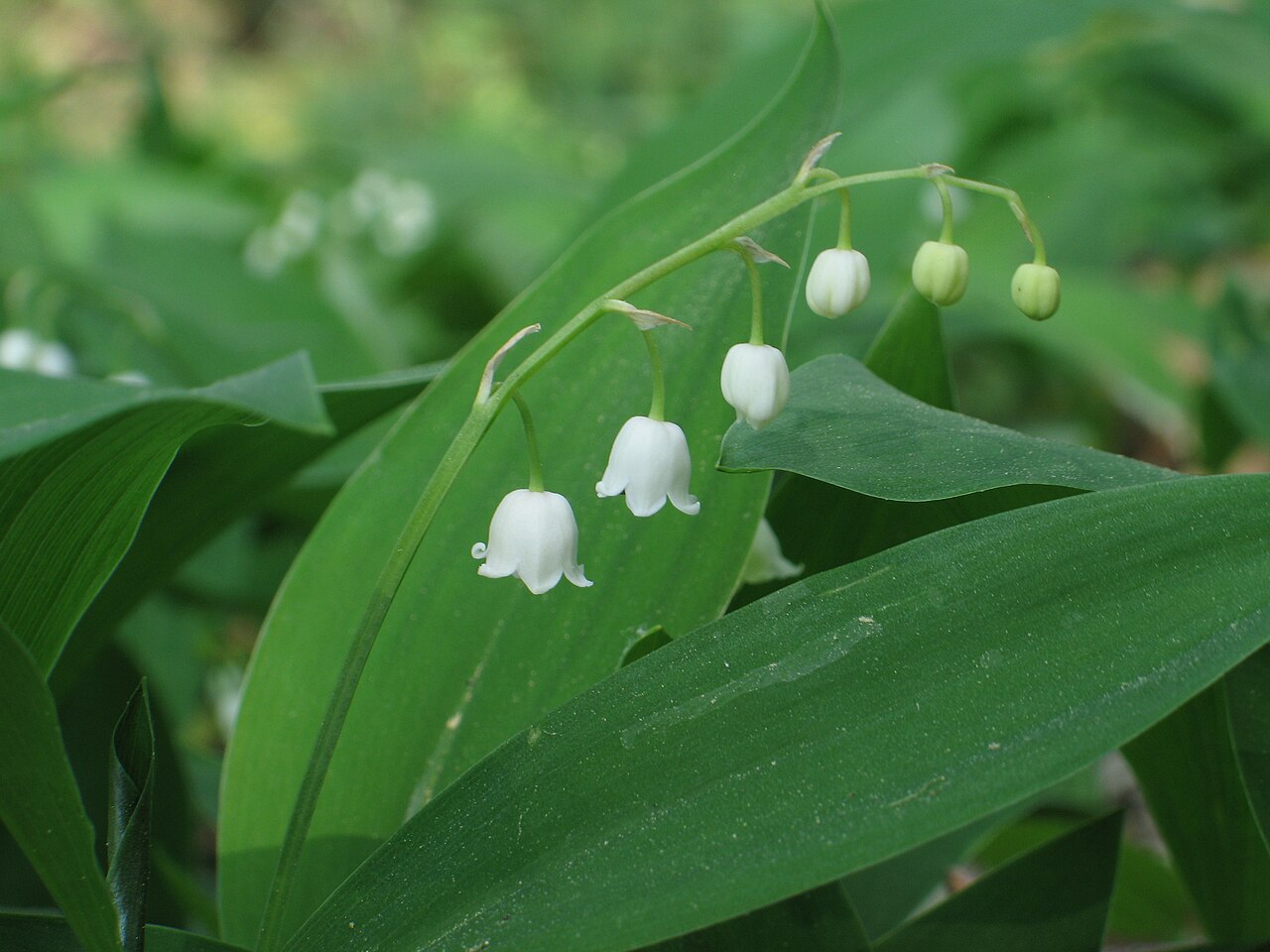

May’s birth flowers are lily of the valley and hawthorn. Both are closely tied to May Day and the start of summer. Lily of the valley is a small, intensely scented woodland plant with white bell-shaped flowers. Hawthorn is a thorny shrub or small tree whose white blossom fills hedgerows in late spring, so much so that in Britain it is often simply called “May”.
This guide explains what they mean, the traditions behind them, how to give them, and, importantly, which one is dangerous for pets. For all twelve months, see our birth flowers by month guide.
May birth flowers at a glance
- Lily of the valley (Convallaria majalis): sweetness, purity, humility and the return of happiness.
- Hawthorn (Crataegus): hope.
- UK and US lists agree: both Interflora and The Old Farmer’s Almanac list lily of the valley and hawthorn for May.
Lily of the valley meaning
Despite its name, lily of the valley is not a true lily. The Almanac explains that it belongs to the asparagus family, Asparagaceae. It has been linked with motherhood, sweetness, purity and humility, and it is said to signify a return to happiness, perhaps because it flowers as summer approaches.
Lily of the valley has a rich and well-documented place in tradition:
- France: according to the Almanac, King Charles IX was given lily of the valley for luck on May Day in the 1500s and continued the custom each year. Giving sprigs of lily of the valley on 1 May is still a French tradition.
- Weddings: its scent makes it a favorite for bridal bouquets. It was part of the bridal bouquets of Princess Diana and Kate Middleton.
- England: in Helston, Cornwall, lily of the valley is worn during the Furry Dance, held each year on 8 May.
- Finland: it is the national flower of Finland.
Hawthorn meaning
Hawthorn belongs to the genus Crataegus in the rose family. Its common name goes back to the Old English hagathorn, with haga meaning hedge, which suits a plant that has been used for hedging for centuries. The flowers are small clusters of white, pink or red, followed by red berries called haws.
Hawthorn has long been a symbol of hope. Its link with May Day is strong: flowering branches were traditionally used to decorate May Day celebrations, especially in garlands. The Almanac also records an old belief that bringing hawthorn blossom indoors would be followed by illness or death, so many people still keep it outside. In the US, the white hawthorn blossom has been Missouri’s state flower since 1923.
How to give May birth flowers
- A posy of lily of the valley: a small bunch of lily of the valley is a classic May Day gift and a lovely birthday present. Its stems are short, so a small vase or a tight posy works best.
- Potted lily of the valley: potted plants or “pips” (rhizomes) for the garden let the gift come back each spring. It spreads readily in shade, so it suits a woodland corner.
- Hawthorn outdoors: because of the superstition around hawthorn blossom indoors, a hawthorn tree or hedge plant for the garden is a more thoughtful gift than cut branches.
- Pairings: lily of the valley pairs well with other white flowers for a simple, elegant bouquet. Read more about pairing meanings in the secret meaning of flowers.
Season and availability
Lily of the valley flowers outdoors in late spring, usually around May in the UK and northern US. Cut stems are seasonal and can be expensive, especially for weddings, so order ahead. Potted plants are often sold in spring. Hawthorn blossom is not usually sold by florists; hawthorn plants are sold by nurseries, often as bare-root hedging in the dormant season.
Care tips
- Cut lily of the valley: keep stems in cool, clean water and away from heat. Change the water every two to three days, and remove any wilting stems. See our guide to keeping flowers fresh longer.
- Potted lily of the valley: it prefers shade and moist, rich soil. Plant it out after flowering where it can spread.
- Hawthorn: a tough shrub that grows in most soils. Plant bare-root hedging while it is dormant.
Are May birth flowers safe for pets?
This is the most important section of this guide.
- Lily of the valley: the ASPCA lists lily of the valley as toxic to dogs, cats and horses. It contains cardenolides (cardiac glycosides) that can cause vomiting, irregular heartbeat, low blood pressure, disorientation, coma and seizures. Do not give lily of the valley to a household with pets, and keep vase water out of reach too.
- Hawthorn: the ASPCA lists hawthorn as non-toxic to dogs, cats and horses. The thorns can still cause injuries.
If you think your pet has eaten lily of the valley, contact your vet or the ASPCA Animal Poison Control Center on (888) 426-4435 straight away (a fee may apply). And because the name causes confusion, note that true lilies (Lilium) are also dangerous for cats.
Gift ideas for May birthdays
- A small posy of lily of the valley for a May Day birthday (for pet-free homes).
- A potted lily of the valley or a bag of pips for a shady garden.
- A young hawthorn tree or hawthorn hedge plants for a wildlife-friendly garden.
- Lily of the valley-scented soap, candles or perfume, a pet-safe way to enjoy the flower.
For more ideas, see our list of 85 types of flowers.
Keep exploring
All birth flowers by month · Previous: April birth flowers · Next: June birth flowers
Frequently asked questions
May has two birth flowers: lily of the valley and hawthorn. Both the US list from The Old Farmer’s Almanac and the UK list from Interflora include them.
No. Despite its name, lily of the valley (Convallaria majalis) belongs to the asparagus family, not the lily family.
Yes. The ASPCA lists lily of the valley as toxic to dogs, cats and horses. It can cause vomiting, an irregular heartbeat and seizures, so it should be kept well away from pets.
It is an old superstition. The Old Farmer’s Almanac records the belief that bringing hawthorn blossom inside would be followed by illness or death, which is why hawthorn is usually enjoyed outdoors.