

Lily of the Valley Meaning: What It Symbolizes
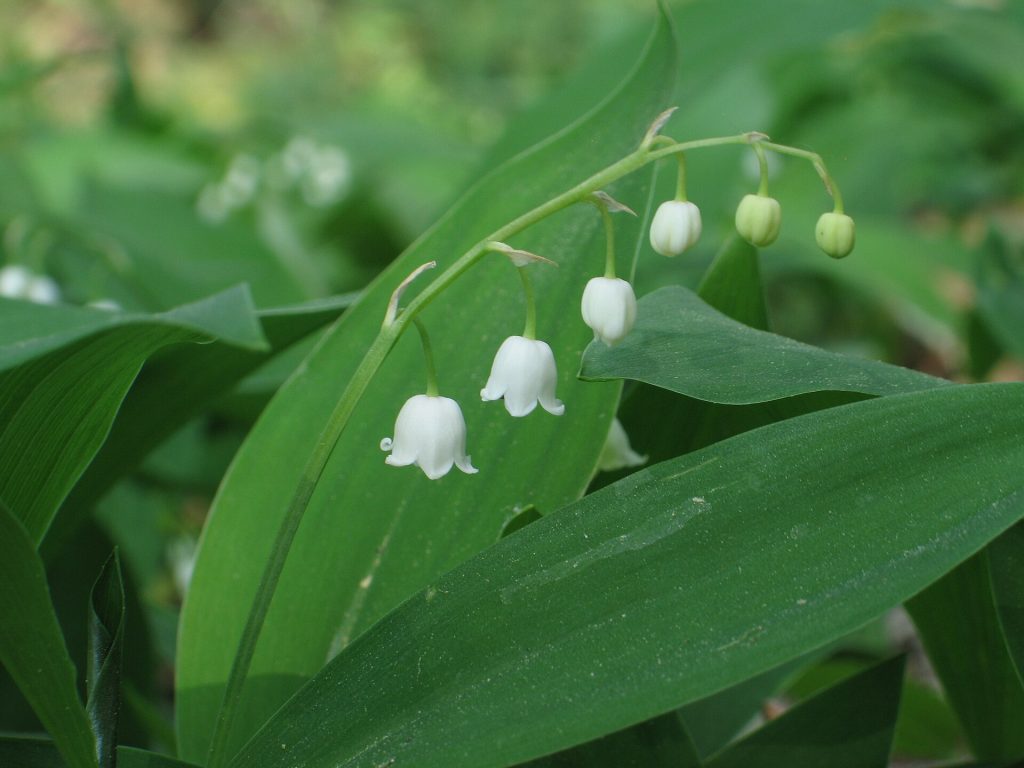
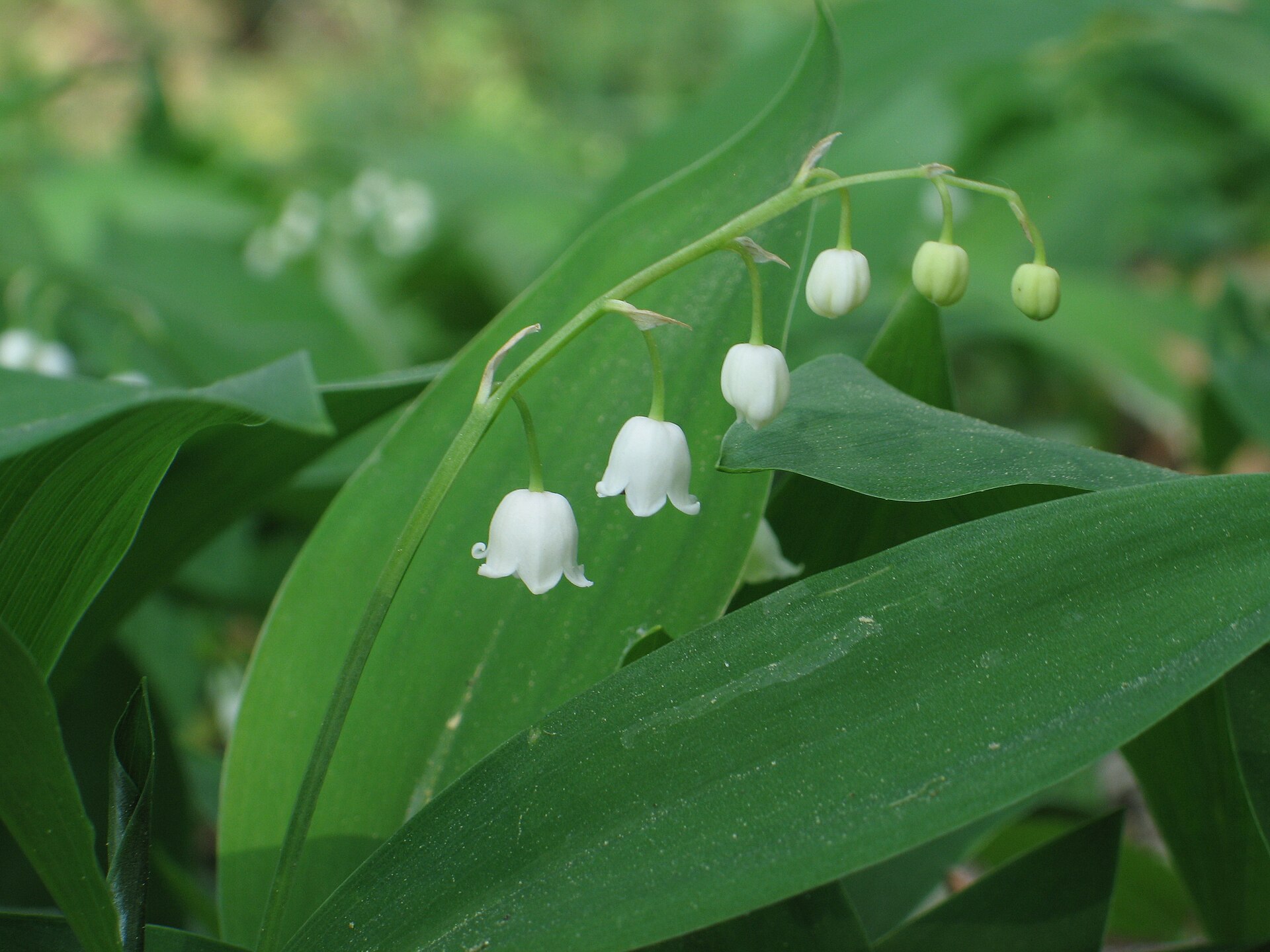

Lily of the valley is tiny, but it has one of the biggest reputations in the flower world. Its little white bells and intense scent arrive in late spring, and it has a starring role in May Day traditions and royal wedding bouquets. Its meaning is just as sweet: humility, sweetness and the return of happiness.
There is one important warning, though: every part of the plant is poisonous. This guide covers what lily of the valley means, its traditions, the best occasions, how to handle it safely and why it should be kept away from pets. It is part of our flower meanings guide.
Lily of the valley meaning at a glance
- Overall meaning: sweetness, purity, humility, motherhood and the return of happiness.
- Birth month: May, on both the US and UK lists (see May birth flowers).
- Best for: May birthdays, weddings and May Day.
- Vase life: our sources don’t give a figure; treat it as a short-season flower.
- Pets: toxic to cats and dogs, and can affect the heart, according to the ASPCA.
What does lily of the valley symbolize?
The Old Farmer’s Almanac’s chart of Victorian flower meanings gives lily of the valley the meanings sweetness, humility and “tears of the Virgin Mary”. The Almanac’s May birth flowers guide adds that it has been associated with motherhood, sweetness, purity and humility, and that it signifies a return to happiness, probably because it blooms as summer approaches. Interflora says it symbolizes renewal and hope, as well as happiness, prosperity and contentment.
Lily of the valley in myth and legend
The Almanac and Interflora record several old stories:
- In Greek mythology, the god Apollo created a carpet of lily of the valley for his nymphs to walk on.
- In Christian lore, lily of the valley sprang from Eve’s tears when she was expelled from the Garden of Eden. It has also been said to have sprouted from the tears of Mary at the crucifixion, and the Almanac lists Our Lady’s Tears among its other names.
- According to legend, lily of the valley fell in love with the song of the nightingale and only bloomed when the bird returned to the woods in May.
May Day and royal weddings
The Almanac says King Charles IX of France was given lily of the valley for good luck on May Day in the 1500s, and continued the custom of giving it each year. Interflora explains that France still celebrates La Fête du Muguet on May 1, and that residents can sell lily of the valley tax-free on that day. In Helston, England, lily of the valley is worn during the Furry Dance, held on May 8 each year.
It is also a classic wedding flower. Interflora notes that many royal brides have carried lily of the valley for luck, from Queen Victoria to Catherine, Princess of Wales, and the Almanac adds that it was part of Princess Diana’s bridal bouquet. Lily of the valley is also the national flower of Finland.
Is lily of the valley a lily?
No. Despite its name, lily of the valley is not related to true lilies. Britannica explains that Convallaria majalis is the only species in its genus and belongs to the asparagus family, Asparagaceae. True lilies belong to the genus Lilium in a different family; read more in our guide to lily meaning. Interflora notes that the botanical name nods to its spring show: convallaria means “valley” and majalis means “May”.
Britannica says lily of the valley is native to Eurasia and eastern North America. Its nodding white bell-shaped flowers grow in a cluster on one side of a leafless stalk, and the fruit is a red berry. Interflora adds that the flowers are white or sometimes pink, as in the variety ‘Rosea’.
Lily of the valley color meanings
Lily of the valley is almost always white, which fits its meanings of purity and sweetness. White flowers in general stand for purity, peace and remembrance, according to Interflora. Interflora notes that the flowers are sometimes pink.
Birth month and best occasions
Lily of the valley is May’s birth flower, alongside hawthorn, on both the US list from The Old Farmer’s Almanac and Interflora’s UK list. Read more in our May birth flowers guide.
Lily of the valley suits:
- Birthdays in May.
- Weddings and bridal bouquets. Interflora suggests peonies, ranunculus and lavender as companions.
- May Day, for good luck.
- Mother’s Day, given its link with motherhood, but only for a home without pets or small children.
Season and availability
Interflora says most varieties flower from March to June, starting in early spring. Its link with May is even in its botanical name: majalis means “May”.
How to care for cut lily of the valley
Interflora warns that lily of the valley is poisonous to humans and animals, so take care when handling it. Our sources don’t give a specific vase life. General cut-flower advice from the University of California Cooperative Extension applies:
- Use a sparkling clean vase.
- Cut the stems on a slant with sharp scissors.
- Keep the flowers away from heat and sunlight, and change the water regularly.
Keep the vase where children and pets can’t reach it. For more tips, read our guide to keeping flowers fresh longer.
Is lily of the valley safe for cats and dogs?
No. The ASPCA lists lily of the valley (Convallaria majalis) as toxic to dogs, cats and horses. It contains cardenolides, which can cause vomiting, irregular heartbeat, low blood pressure, disorientation, coma and seizures. Britannica notes that all parts of the plant contain cardiac glycosides and are poisonous to humans, pets and other animals if eaten. Do not give lily of the valley to a household with pets. If you think your pet has eaten any, contact your vet or the ASPCA Animal Poison Control Center on (888) 426-4435 straight away (a fee may apply).
Keep exploring
See all flower meanings, or read about the lily, which shares its name but not its family, and the lilac, whose scent is often compared to lily of the valley’s.
Frequently asked questions
Lily of the valley symbolizes sweetness, purity, humility, motherhood and the return of happiness. Interflora adds renewal and hope.
No. Lily of the valley (Convallaria majalis) belongs to the asparagus family, Asparagaceae, and is not related to true lilies.
Yes. Lily of the valley is May’s birth flower, with hawthorn, on both the US and UK lists.
The Almanac says King Charles IX of France was given it for good luck on May Day in the 1500s. France still celebrates La Fête du Muguet on May 1.
Yes. The ASPCA lists it as toxic to dogs, cats and horses. It contains cardenolides that can affect the heart, so keep it well away from pets.
Sources
- The Old Farmer’s Almanac: Flower meanings
- The Old Farmer’s Almanac: May birth flowers
- Britannica: Lily of the valley
- Interflora: Lily of the valley guide
- Interflora: Flower meanings
- University of California Cooperative Extension: Tips for successful cut flower gardens and arrangements
- ASPCA: Lily of the valley