

Sweet Pea Meaning: What Sweet Peas Symbolize
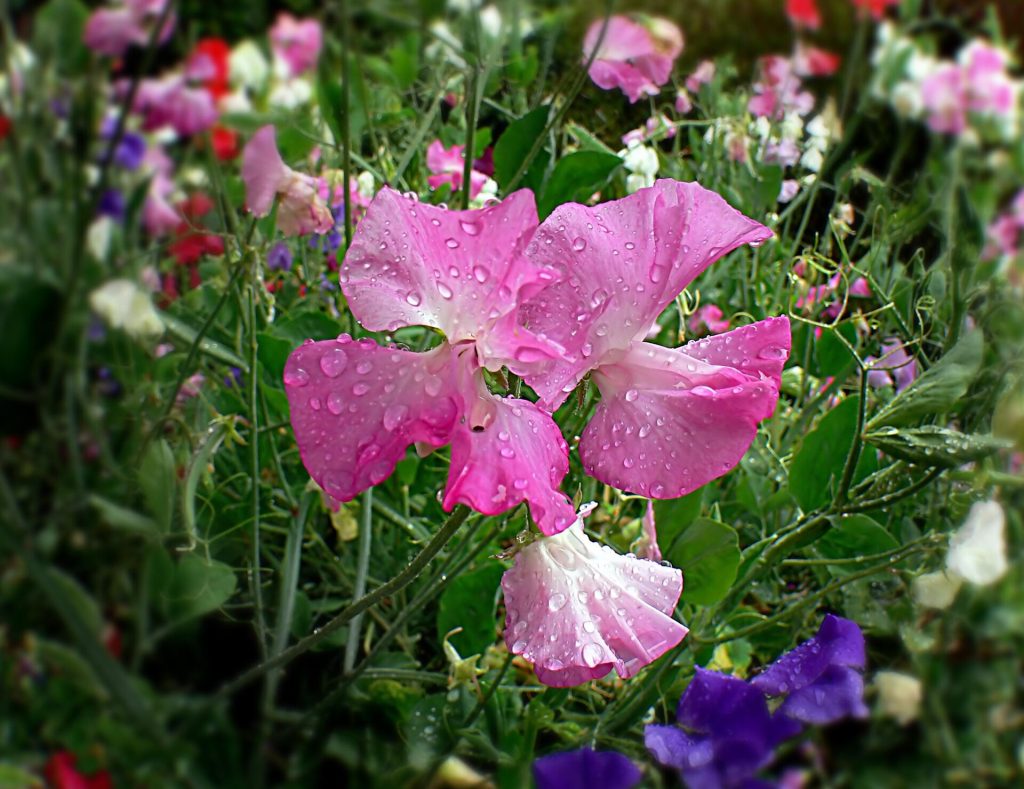
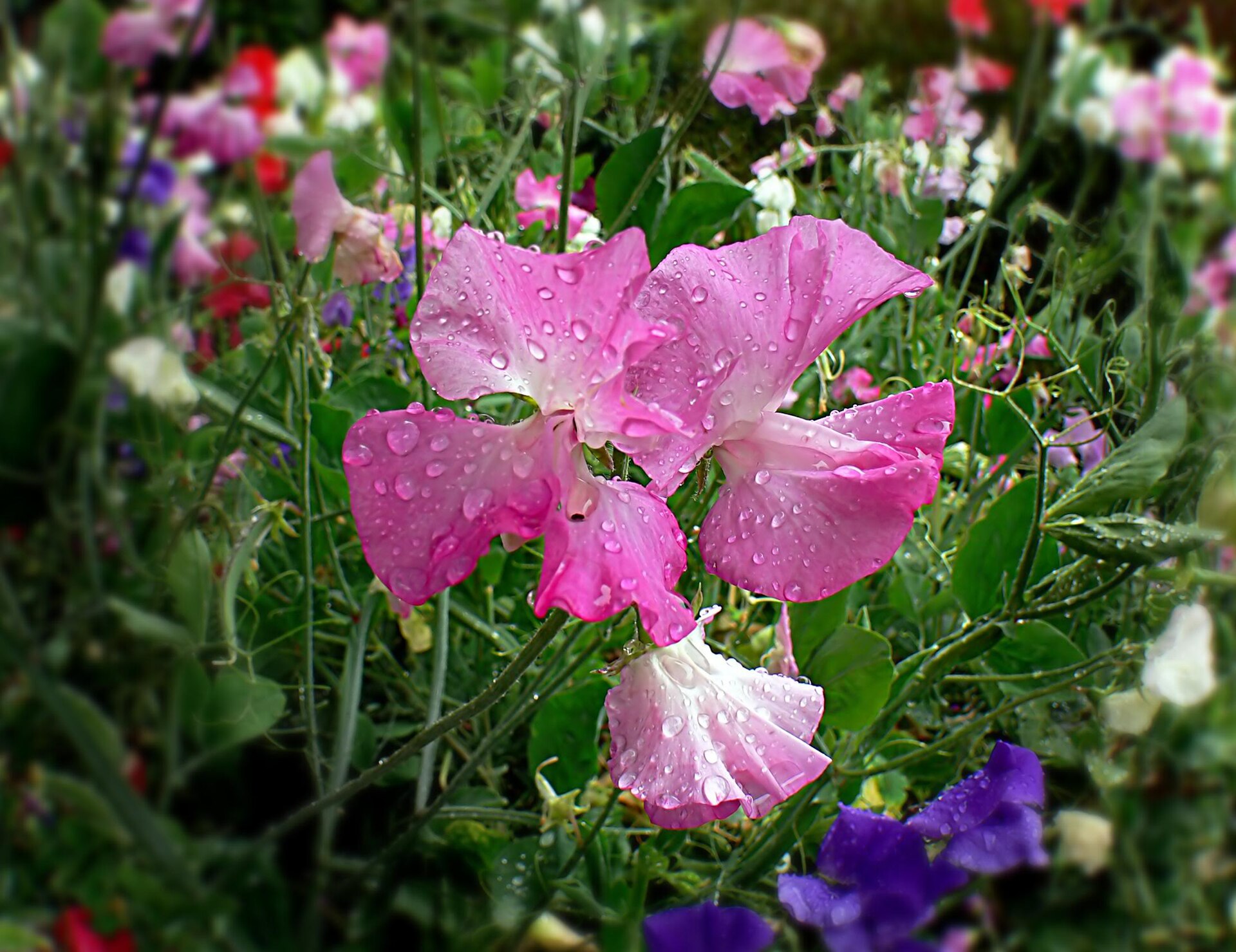

Sweet peas are loved for their scent. Interflora compares it to orange blossom, lavender and rose, and the flowers come in a wide range of colors, from white and pink to red and purple. They also carry one of the most charming messages in the language of flowers: “thank you for a lovely time”.
This guide covers what sweet peas mean, their color meanings, their history, the best occasions, care and pet safety. It is part of our flower meanings guide.
Sweet pea meaning at a glance
- Overall meaning: thank you, goodbye, good wishes, blissful pleasure and friendship.
- Birth month: April, on both the US and UK lists (see April birth flowers).
- Best for: thank yous, farewells, April birthdays and weddings.
- Vase life: a Kansas State University Extension table puts sweet peas in the 2 to 7 day group.
- Pets: the ASPCA lists the everlasting pea as non-toxic to cats and dogs, but sweet pea is considered toxic if eaten.
What do sweet peas symbolize?
The Old Farmer’s Almanac’s chart of Victorian flower meanings gives the sweet pea the meanings blissful pleasures, goodbye and “thank you for a lovely time”. Its April birth flowers guide adds good wishes, kindness, gratitude and friendship. Interflora says sweet peas symbolize loyalty, friendship and pleasure, and that in Victorian times they were often given to thank friends and family for their hospitality, rather like sending flowers after staying at someone’s house.
Interflora lists the sweet pea as a symbol of friendship and good wishes, and groups sweet peas with freesias and alstroemeria as flowers that express trust, appreciation and gratitude.
Sweet pea traditions
The Almanac notes that some English gardeners call the sweet pea the “Queen of the Annuals”, and that in France it has long been a traditional gift for brides, for good luck on the wedding day and in the marriage. Sweet peas were also once worn in pockets to scent clothing. Interflora adds that the poet John Keats was a fan, and that the National Sweet Pea Society was founded in 1900.
Sweet pea history and botany
The Almanac explains that sweet peas were discovered in southern Italy in the late 1600s by Francis Cupani, a Sicilian monk, who sent seeds to botanists in Amsterdam and England. In the 1800s, a Scottish nurseryman began breeding larger, more colorful hybrids. Interflora notes that a variety named after him, ‘Cupani’, is one of the closest botanically to the original plant.
According to Britannica, the sweet pea (Lathyrus odoratus) is an annual in the pea family (Fabaceae), grown for its beautiful, fragrant flowers. Its climbing stems are 1.2 to 1.8 meters (4 to 6 feet) long, and the flowers are up to 5 cm (2 inches) across. It is sometimes confused with its close relative the everlasting pea (Lathyrus latifolius), a perennial. Britannica notes that, unlike garden peas, its seeds are not considered edible.
Sweet pea color meanings
Interflora gives these color meanings for sweet peas:
- White: peace and innocence.
- Pink: happiness.
- Red: romance.
Britannica says the flowers are commonly white, pink, red, violet or purple. Interflora adds that there is no truly yellow sweet pea; the cream-colored ‘Primrose’ is the closest.
Birth month and best occasions
The sweet pea is April’s birth flower, alongside the daisy, on both the US list from The Old Farmer’s Almanac and Interflora’s UK list. Read more in our April birth flowers guide.
Sweet peas suit:
- Thank yous, especially after a visit or a stay, for “thank you for a lovely time”.
- Farewells and leaving gifts, for goodbye and good wishes.
- Birthdays, especially in April.
- Weddings, following the French tradition of sweet peas for brides.
- Mother’s Day, as a scented thank-you.
Interflora suggests roses, hyacinths and peonies as good companions for sweet peas in a bouquet.
Season and availability
Sweet peas are a summer flower in the UK. Interflora says they start flowering from June, depending on the variety, with some blooming in late spring and others lasting into September and October. The Almanac says they bloom from spring to early summer, depending on where they are grown.
How to care for cut sweet peas
A Kansas State University Extension vase-life table, shared by the University of California, puts sweet peas in its shortest-lasting group, at 2 to 7 days, so enjoy them while they are fresh. General cut-flower advice from the University of California Cooperative Extension applies:
- Use a sparkling clean vase.
- Cut the stems on a slant with sharp scissors and strip off any leaves below the waterline.
- Add a flower preservative to the water.
- Keep them away from heat and sunlight, and change the water regularly.
If you grow your own, Interflora’s advice is to pick them at least once a week: the more you pick, the more flowers you’ll get. For more tips, read our guide to keeping flowers fresh longer.
Are sweet peas safe for cats and dogs?
Take care. The ASPCA’s sweet pea entry covers the perennial everlasting pea (Lathyrus latifolius) and lists it as non-toxic to dogs and cats but toxic to horses, with signs including weakness, lethargy, pacing, tremors and seizures. The annual sweet pea sold by florists, Lathyrus odoratus, has no separate ASPCA entry. The Almanac says sweet pea is considered toxic to humans and animals, and Interflora says it is toxic if eaten. Keep sweet peas, and especially their seeds and pods, away from pets. If your pet eats any and seems unwell, contact your vet or the ASPCA Animal Poison Control Center on (888) 426-4435 (a fee may apply).
Keep exploring
See all flower meanings, or read about April’s other birth flower, the daisy, and the freesia, another scented flower for saying thank you. Interflora suggests the hyacinth as a bouquet companion for sweet peas. For occasion ideas, see thank-you flowers.
Frequently asked questions
Sweet peas symbolize thanks, goodbye, good wishes and blissful pleasure. In the language of flowers, a bunch of sweet peas says “thank you for a lovely time”.
Yes. The sweet pea is April’s birth flower, with the daisy, on both the US and UK lists.
The Almanac says sweet peas were discovered in southern Italy in the late 1600s by Francis Cupani, a Sicilian monk, who sent seeds to Amsterdam and England.
A Kansas State University Extension table puts sweet peas in the 2 to 7 day group, so they are best enjoyed fresh.
The ASPCA lists the everlasting pea as non-toxic to cats and dogs but toxic to horses. The Almanac says sweet pea is considered toxic to humans and animals, so keep it out of reach.