

Ranunculus Meaning: What Ranunculus Symbolize
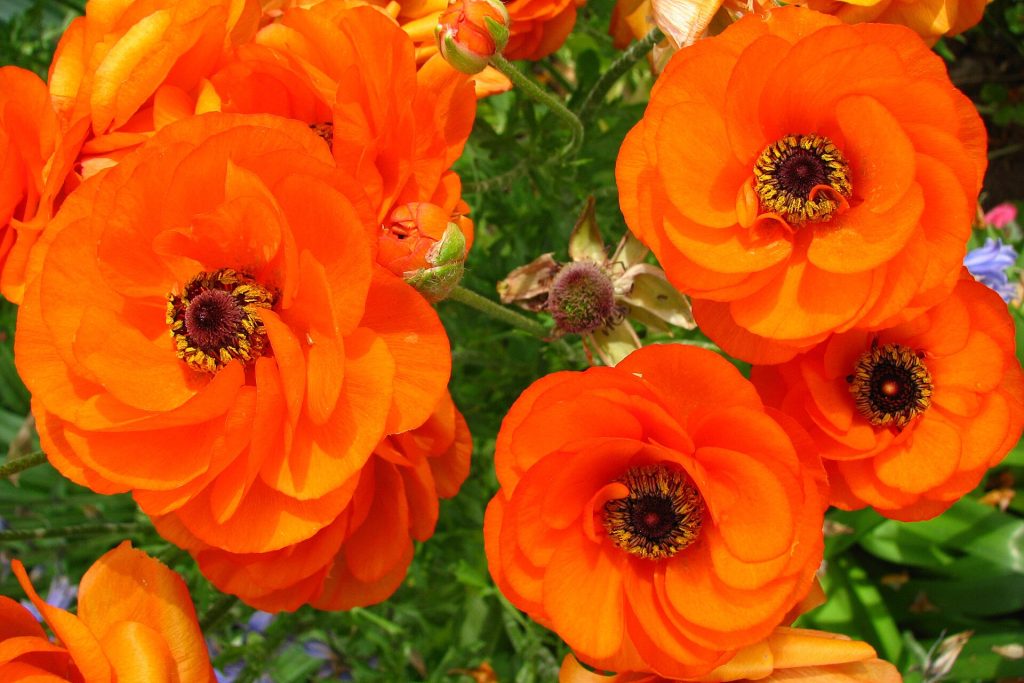
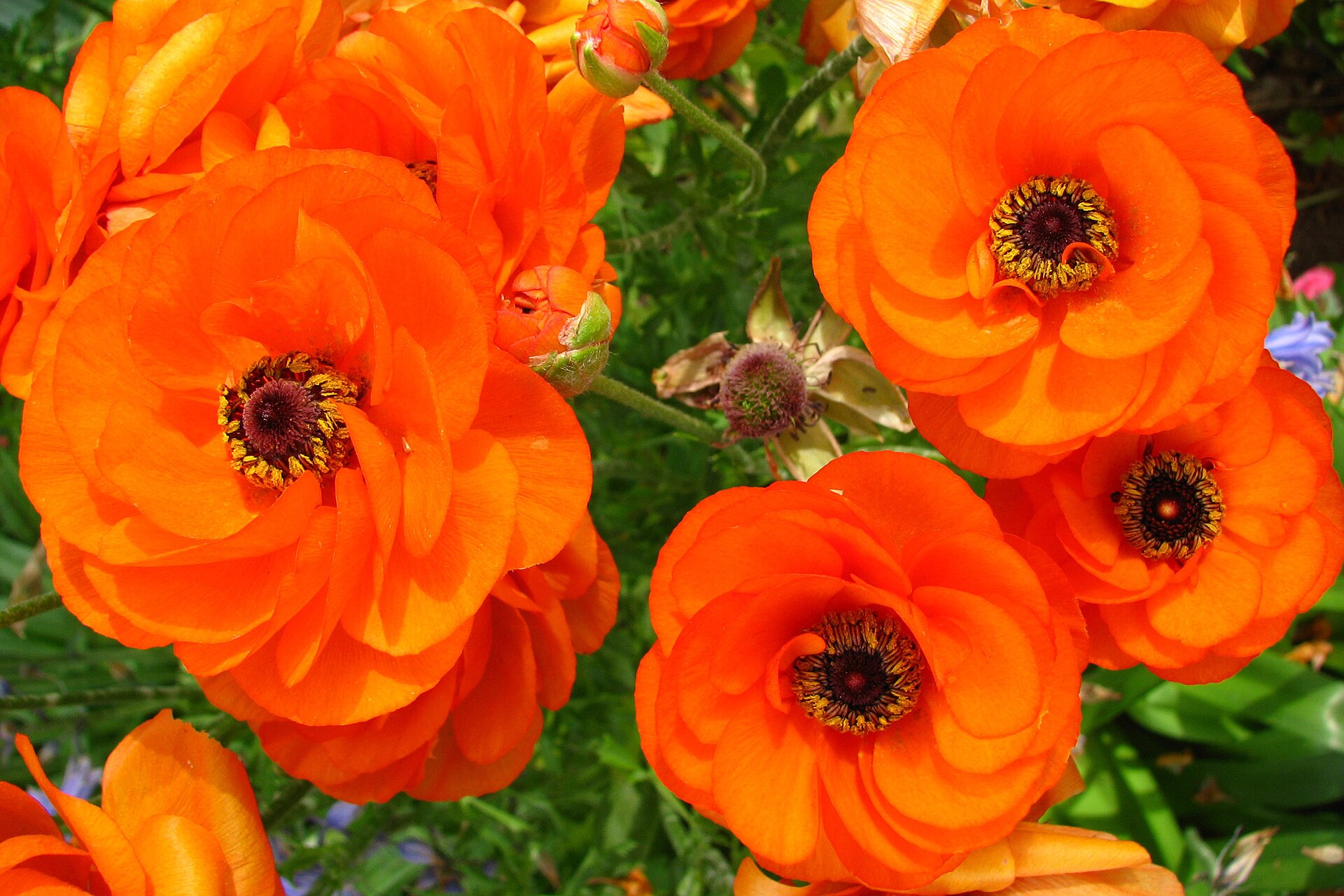

With layer upon layer of tissue-thin petals, ranunculus look like a cross between a rose and a peony. They have become one of the most popular flowers for romantic bouquets and weddings, and their meaning fits: charm, beauty and being dazzled by someone.
This guide covers what ranunculus mean, what they are, the best occasions, care and pet safety. It is part of our flower meanings guide.
Ranunculus meaning at a glance
- Overall meaning: charm and beauty; “dazzled by your charms”.
- Birth month: none on the main US or UK birth flower lists.
- Best for: new romances, Valentine’s Day, weddings and someone you have a soft spot for.
- Vase life: Interflora says they last a good while.
- Pets: toxic to cats and dogs, according to the ASPCA.
What do ranunculus symbolize?
Interflora lists ranunculus as a symbol of charm and beauty, and calls them a great choice for someone you have a soft spot for. Its Valentine’s Day guide goes further: ranunculus mean “dazzled by your charms”, which makes them a perfect flower for a new love.
What is a ranunculus?
The florist’s ranunculus is the Persian buttercup, Ranunculus asiaticus. According to Britannica, Ranunculus is the buttercup genus, about 300 species of flowering plants in the buttercup family, Ranunculaceae, found throughout the world. Wild buttercups usually have five glossy yellow petals, but cultivated varieties have been bred in many colors, and the florist’s ranunculus has many layers of petals.
Interflora describes them as rose-like flowers famed for their plump petals, “something between peonies and roses”, and calls the ranunculus “the more affordable peony”.
Ranunculus color meanings
Our sources don’t give separate meanings for each ranunculus color, but Interflora’s color guides help you choose:
- Red: Interflora points out that ranunculus come in red, the classic color of love, for Valentine’s Day. Red flowers in general stand for passion, desire and love.
- Yellow: Interflora picks yellow ranunculus as a long-lasting brightening boost. Yellow flowers stand for friendship, happiness and optimism.
- Pink: pink flowers stand for admiration, affection and gratitude.
- White: white flowers stand for purity, peace and remembrance, which suits weddings.
Birth month and best occasions
The ranunculus is not a birth flower on the US list from The Old Farmer’s Almanac or Interflora’s UK list. See our birth flowers guide for each month’s official flowers.
Ranunculus suit:
- Valentine’s Day and new romances: a bunch of red ranunculus says “dazzled by your charms”.
- Anniversaries and weddings, for charm and beauty.
- Birthdays, especially yellow ranunculus for a cheerful lift.
- Anyone who loves peonies, as a more affordable alternative.
Season and availability
Our sources don’t give a set season for cut ranunculus. Interflora features them in Valentine’s Day bouquets, so ask your florist what is available when you order.
How to care for cut ranunculus
Interflora says ranunculus last a good while in the vase, but doesn’t give a number of days. General cut-flower advice from the University of California Cooperative Extension applies:
- Use a sparkling clean vase.
- Cut the stems on a slant with sharp scissors or pruners, so you don’t crush them.
- Strip off any leaves that would sit below the waterline.
- Add a commercial flower preservative to the water.
- Keep them away from heat and sunlight, and change the water regularly.
For more tips, read our guide to keeping flowers fresh longer.
Are ranunculus safe for cats and dogs?
No. The ASPCA lists buttercups (Ranunculus species) as toxic to dogs, cats and horses. They contain protoanemonin, an irritant, which can cause vomiting, diarrhea, depression, loss of appetite, drooling, mouth ulcers and a wobbly gait. Keep ranunculus out of reach of pets. If your pet eats any, contact your vet or the ASPCA Animal Poison Control Center on (888) 426-4435 (a fee may apply).
Keep exploring
See all flower meanings, or read about the peony and the rose, the two flowers ranunculus are most often compared to, and the anemone, from the same plant family. For more orange blooms, see orange flowers meaning.
Frequently asked questions
Ranunculus symbolize charm and beauty. Interflora says they mean “dazzled by your charms”, which makes them a good flower for a new love.
Yes. The florist’s ranunculus is the Persian buttercup, Ranunculus asiaticus, a cultivated member of the buttercup genus.
Interflora calls ranunculus “the more affordable peony”, with plump, layered petals somewhere between a peony and a rose.
No. The ranunculus is not a birth flower on the main US or UK lists.
Yes. The ASPCA lists buttercups (Ranunculus species) as toxic to dogs, cats and horses because they contain the irritant protoanemonin.