

Hyacinth Flower Meaning: What Hyacinths Symbolize
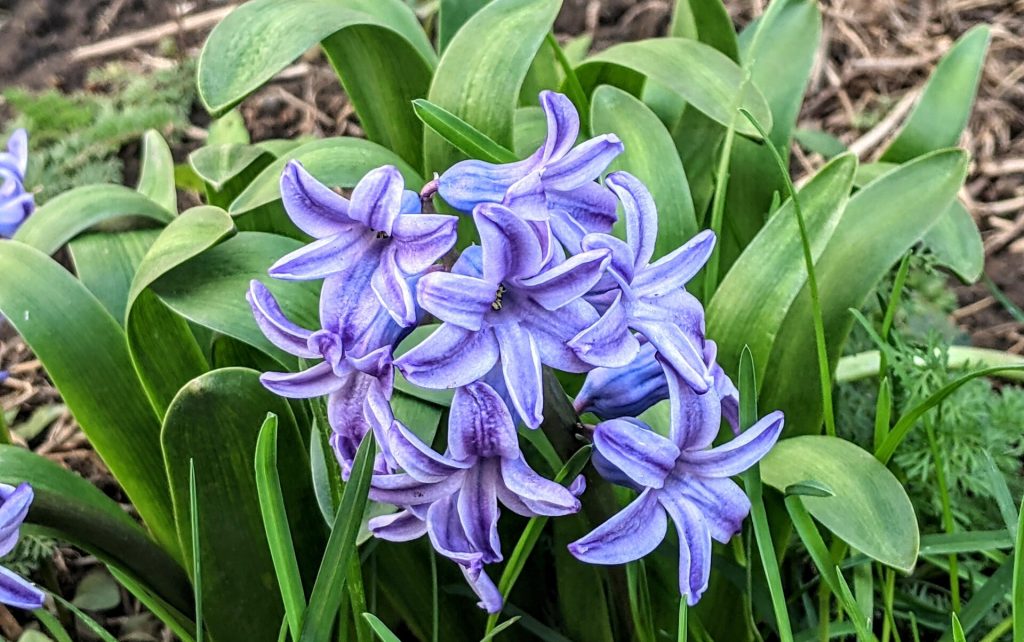
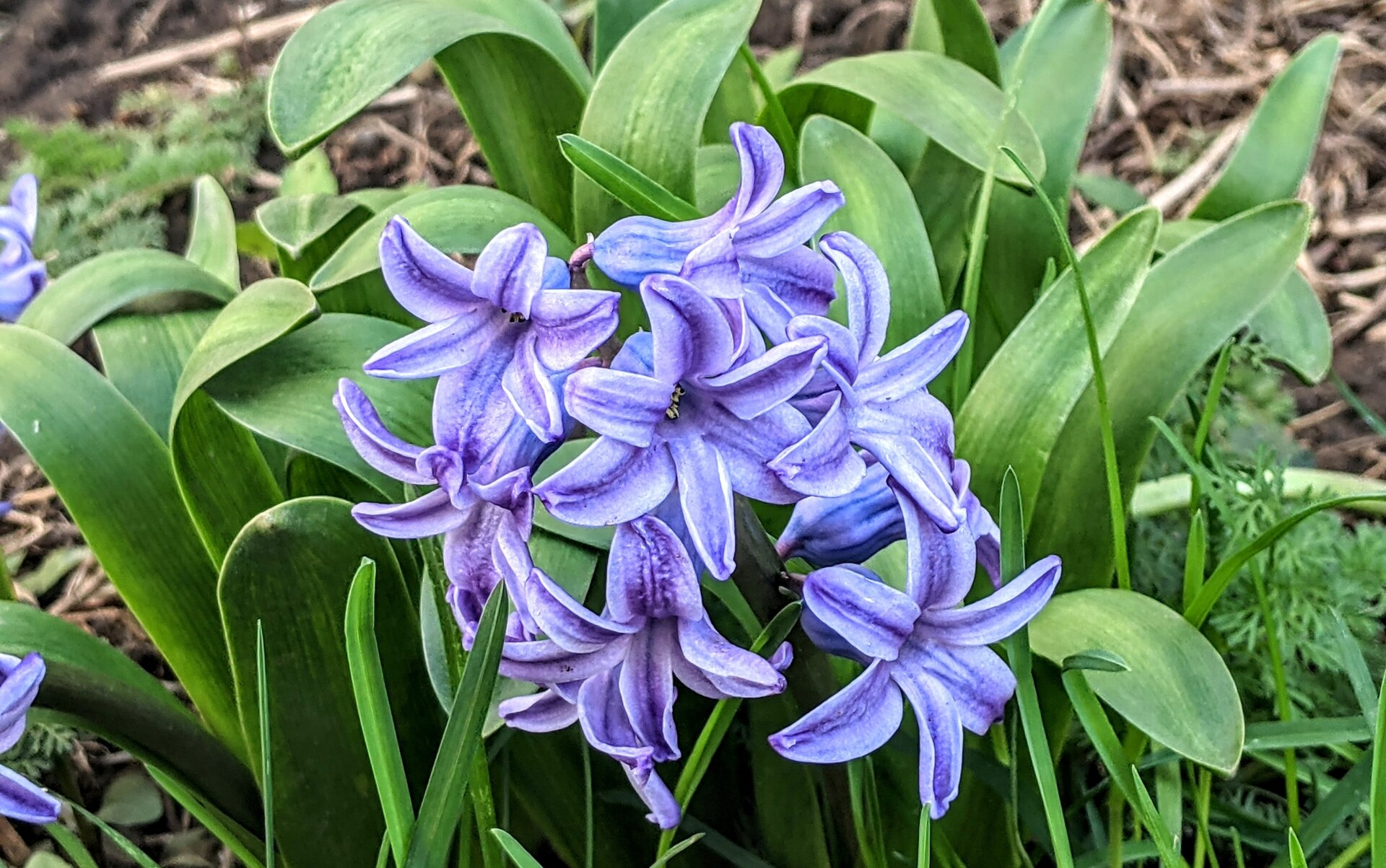

Few spring flowers announce themselves like the hyacinth. One dense spike of starry florets can scent a whole room, and the flower’s meanings are just as layered. In the Victorian language of flowers, the hyacinth stood for sport, games and play, but each color tells its own story, from the constancy of blue to the sorrow of purple.
This guide covers what hyacinths mean, their color meanings, the Greek myth behind the name, the best occasions, care and pet safety. It is part of our flower meanings guide.
Hyacinth meaning at a glance
- Overall meaning: play, sport and sincerity, with meanings that change by color.
- Birth month: none; the hyacinth isn’t on the main US or UK birth flower lists.
- Best for: spring gifts, apologies (purple) and messages of constancy (blue).
- Vase life: about 7 to 10 days, according to Interflora.
- Pets: toxic to dogs, cats and horses, according to the ASPCA.
What do hyacinths symbolize?
The Old Farmer’s Almanac’s chart of Victorian flower meanings gives the hyacinth the meanings sport, game and play. Its hyacinth growing guide adds that hyacinths are generally said to symbolize playfulness, sport and rashness, but that their meanings depend on color. The Almanac also notes that the Victorians revered hyacinths for their sweet, lingering fragrance and planted them in low beds, massed in rows of a single color.
Modern florists lean toward gentler meanings. Interflora links hyacinths with sincerity, which is why it suggests them as a way to say sorry, and describes blue hyacinths as symbols of sincerity and playfulness.
The myth of Hyacinthus
The name comes from Greek legend. Britannica tells the story of Hyacinthus, a young man of Spartan legend loved by the god Apollo. Apollo killed him by accident while teaching him to throw the discus; in another version, the jealous wind god Zephyrus blew the discus off course. A flower grew from his blood, its petals marked with the mournful cry “AI, AI” (“Alas”). Britannica points out that the ancient flower in the story was perhaps a fritillary, not the modern garden hyacinth, but the name stuck.
Hyacinth history and botany
According to Interflora, the hyacinth is native to Turkey and the Middle East, was first grown in Constantinople in the 16th century and was later bred into many new varieties in Europe. Today most hyacinths are grown in Holland. The garden hyacinth is Hyacinthus orientalis, and Interflora places it in the Asparagaceae family, the same family as asparagus.
Hyacinth color meanings
The Almanac says hyacinths were originally pale blue or violet, but today come in lilac, pink, white, cobalt blue, cream, apricot and even blood-red. The meanings most often given are:
- Blue: constancy (Almanac), and sincerity and playfulness (Interflora).
- Purple: sorrow (Almanac) or deep regret (Interflora), the classic apology color.
- Yellow: jealousy (Almanac).
- White: loveliness and prayers for someone (Almanac), or love and prayer (Interflora).
- Pink: playful joy (Interflora).
The Almanac notes that the all-white bouquet Catherine Middleton carried at her 2011 wedding to Prince William included hyacinth for loveliness.
Best occasions for hyacinths
The hyacinth isn’t a birth month flower on either the US or UK lists, so it is chosen for its message and its season instead. Hyacinths suit:
- Apologies, where purple hyacinths say “I’m sorry” and Interflora links the flower with sincerity.
- Spring gifts and Easter tables, as potted bulbs that keep flowering for days.
- Spring weddings, which Interflora says hyacinths are popular for.
- Messages of loyalty, using blue hyacinths for constancy.
Season and availability
Hyacinths are spring bulbs. Interflora lists them as available from November to May. The Almanac explains that the bulbs need 12 to 14 weeks of cold before they bloom and are planted outdoors in mid-to-late fall. Bulbs can also be “forced” to flower indoors in winter, which is why potted hyacinths appear in stores long before garden ones open.
How to care for hyacinths
For cut hyacinths, Interflora’s advice is:
- Rinse and re-cut the stems, leaving as much of the bulb on as possible.
- Use a shallow vase of fresh water and change it every other day.
- Add flower food and mist the flowers.
- Support top-heavy flower heads with a stick carefully inserted into the stem.
In the garden, the Almanac recommends planting bulbs 4 to 5 inches deep in full sun. It also warns that hyacinth bulbs contain oxalic acid, which can irritate bare skin, so wear gloves when handling them for long periods. For more tips, read our guide to keeping flowers fresh longer.
Are hyacinths safe for cats and dogs?
No. The ASPCA lists hyacinth (Hyacinthus orientalis) as toxic to dogs, cats and horses. Signs include intense vomiting, diarrhea (sometimes with blood), depression and tremors. The Almanac adds that the irritant compound, calcium oxalate, is most concentrated in the bulbs but is also found in the leaves and flowers, so keep bulbs and forcing jars well out of reach of dogs that dig or chew. If your pet eats any part of a hyacinth, contact your vet or the ASPCA Animal Poison Control Center on (888) 426-4435 (a fee may apply).
Keep exploring
See all flower meanings, or read about two other spring bulbs, the tulip and the daffodil, and the iris, another flower with a blue meaning of faith.
Frequently asked questions
In the Victorian language of flowers, hyacinths stand for sport, games and play. Today they are also linked with sincerity, and their meaning changes with color.
Purple hyacinths mean sorrow or deep regret, which is why they are a traditional way to say sorry.
The Almanac gives blue hyacinths the meaning constancy, and Interflora links them with sincerity and playfulness.
From the Greek legend of Hyacinthus, a young man killed by a discus, from whose blood a flower grew. Britannica notes the ancient flower may not have been the modern hyacinth.
Yes. The ASPCA lists hyacinths as toxic to dogs, cats and horses, and the bulbs hold the most toxins.