

Gladiolus Flower Meaning: What Gladioli Symbolize
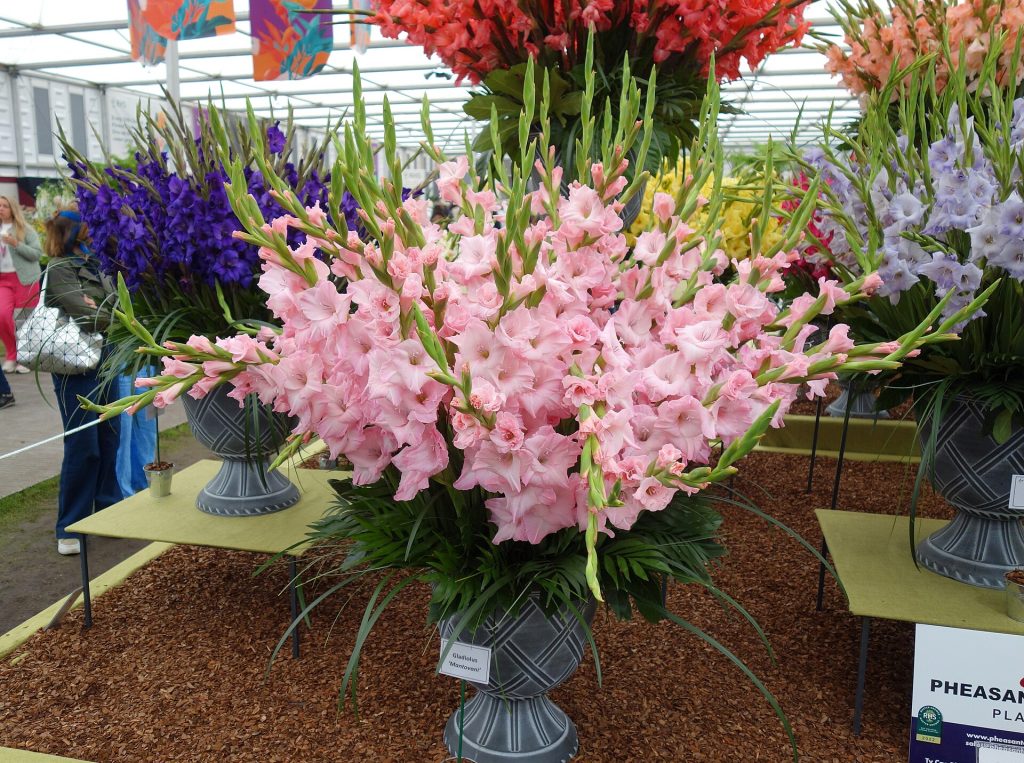
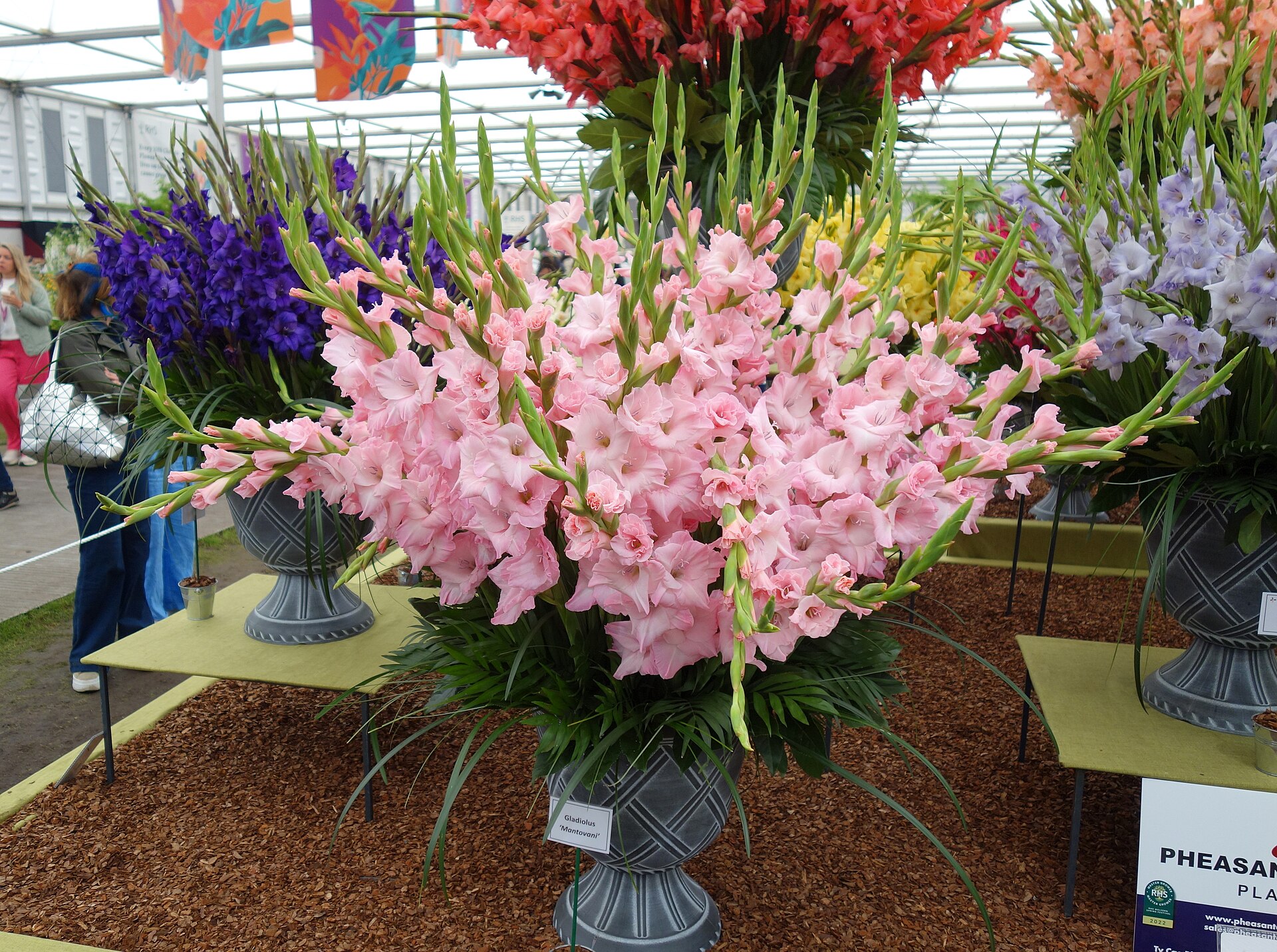

Tall, upright and packed with blooms from top to bottom, the gladiolus looks like a flower with something to say. Its name comes from the Latin word for sword, and its meanings match its shape: strength, integrity and victory. It is also the birth flower for August and the traditional flower for a 40th wedding anniversary.
This guide covers what the gladiolus means, its color meanings, its history, the best occasions, care and pet safety. It is part of our flower meanings guide.
Gladiolus meaning at a glance
- Overall meaning: strength, integrity and victory, plus remembrance.
- Birth month: August, shared with the poppy.
- Best for: August birthdays, 40th anniversaries, encouragement and good luck.
- Vase life: a Kansas State University Extension table puts gladiolus in the 5 to 10 day group.
- Pets: toxic to dogs, cats and horses, according to the ASPCA.
What do gladioli symbolize?
The Old Farmer’s Almanac’s chart of Victorian flower meanings calls the gladiolus the “flower of the gladiators” and gives it the meanings integrity, strength and victory. In its August birth flower guide, the Almanac adds that the gladiolus has long been a symbol of strength, victory, healing and honor, and has also been linked with moral character, remembrance and intelligence. Its gladiolus growing guide says that in the language of flowers, the gladiolus signifies remembrance.
Interflora associates gladioli with strength of character and determination, which is why it suggests them for good luck and encouragement, such as before a big interview, an exam or a first day at a new job.
Swords and gladiators
“Gladiolus” comes from the Latin gladius, meaning “sword,” a nod to the plant’s blade-like leaves, which also give it the nickname “sword lily.” According to the Almanac, in ancient Rome the gladiolus was known as the flower of the gladiators: gladiators wore the flowers around their necks, and spectators showered the winner of a fight with the blooms.
A flower of love, too
The Almanac notes that Victorian romantics believed the beauty of the gladiolus could pierce another person’s heart with love. Over time the flower also came to stand for infatuation, love at first sight and faithfulness.
Gladiolus history and botany
Britannica describes Gladiolus as a genus of about 300 species in the iris family (Iridaceae), native to Europe, Africa and the Mediterranean region. The plant grows from a corm and sends up a spike, usually 60 to 90 cm (2 to 3 feet) tall, with funnel-shaped flowers arranged along one side of the stem. Cultivated gladioli, which come in all colors, were developed mostly from South and East African species.
The Almanac says the first South African species reached Europe in the mid-18th century, and English enthusiasts began hybridizing them in the early 19th century. Gladioli became popular in the United States around the turn of the 20th century, leading to the founding of the American Gladiolus Society in Boston in 1910.
Gladiolus color meanings
According to the Almanac:
- Red: love, romance and passion.
- Pink: compassion and a mother’s love.
- White: innocence and purity.
- Yellow: friendship and joy.
- Purple: fortune and beauty.
Birth month and best occasions
The gladiolus is one of the two August birth flowers, alongside the poppy, on both the Almanac and Interflora lists. Gladioli also suit:
- 40th wedding anniversaries. The Almanac and Interflora both name the gladiolus as the 40th anniversary flower, and Interflora suggests deep red stems to match the traditional ruby gift.
- Good luck and encouragement, for an interview, exam or new job, as Interflora suggests.
- Tall summer arrangements, where a few spikes give height to a mixed bouquet.
Season and availability
Gladioli are summer flowers. The Almanac explains that the corms are planted in spring once the danger of frost has passed and the soil has warmed to at least 55°F, and that they take 60 to 90 days to bloom. Planting a new round of corms every 10 days or so until early summer gives flowers into early fall. The trumpet-shaped flowers open from the bottom of the spike up, in mid to late summer.
How to care for gladioli
The Almanac’s tips for cut gladioli:
- Cut stalks early in the morning or in the evening, with only one or two flowers open; the rest of the buds will open in the vase.
- Use a sharp knife, cut diagonally and put the stalks straight into a bucket of lukewarm water.
- Let the flowers rest in a cool, dark place for a few hours before arranging them.
- Every few days, remove the lower fading flowers and cut about 1 inch off the bottom of each stalk.
For more tips, read our guide to keeping flowers fresh longer.
Are gladioli safe for cats and dogs?
No. The ASPCA lists gladiola (Gladiolus species) as toxic to dogs, cats and horses. Signs include salivation, vomiting, drooling, lethargy and diarrhea, and the ASPCA notes that the highest concentration of the toxin is in the corms (bulbs). Keep stored corms well away from pets. If your pet eats any part of a gladiolus, contact your vet or the ASPCA Animal Poison Control Center on (888) 426-4435 (a fee may apply).
Keep exploring
See all flower meanings, read about the gladiolus’s August partner, the poppy, or its relative in the iris family, the iris. For another bold summer bloom, try the sunflower. For more blooms of courage and resilience, see flowers that mean strength.
Frequently asked questions
The gladiolus symbolizes strength, integrity and victory. It is also linked with remembrance, honor and, in Victorian times, love at first sight.
Its name comes from the Latin gladius, meaning sword, because of its blade-like leaves.
Yes. The gladiolus is one of the two August birth flowers, alongside the poppy.
The gladiolus is the traditional flower for a 40th wedding anniversary, the ruby anniversary.
Yes. The ASPCA lists gladioli as toxic to dogs, cats and horses, with the highest concentration in the corms.
Sources
- The Old Farmer’s Almanac: Flower meanings
- The Old Farmer’s Almanac: August birth flowers
- The Old Farmer’s Almanac: Gladiolus
- Britannica: Gladiolus
- Interflora: Flower meanings
- Interflora: Anniversary flowers by year
- University of California (from Kansas State University Extension): Vase life of selected cut flowers
- ASPCA: Gladiola