

Jasmine Flower Meaning: What Jasmine Symbolizes
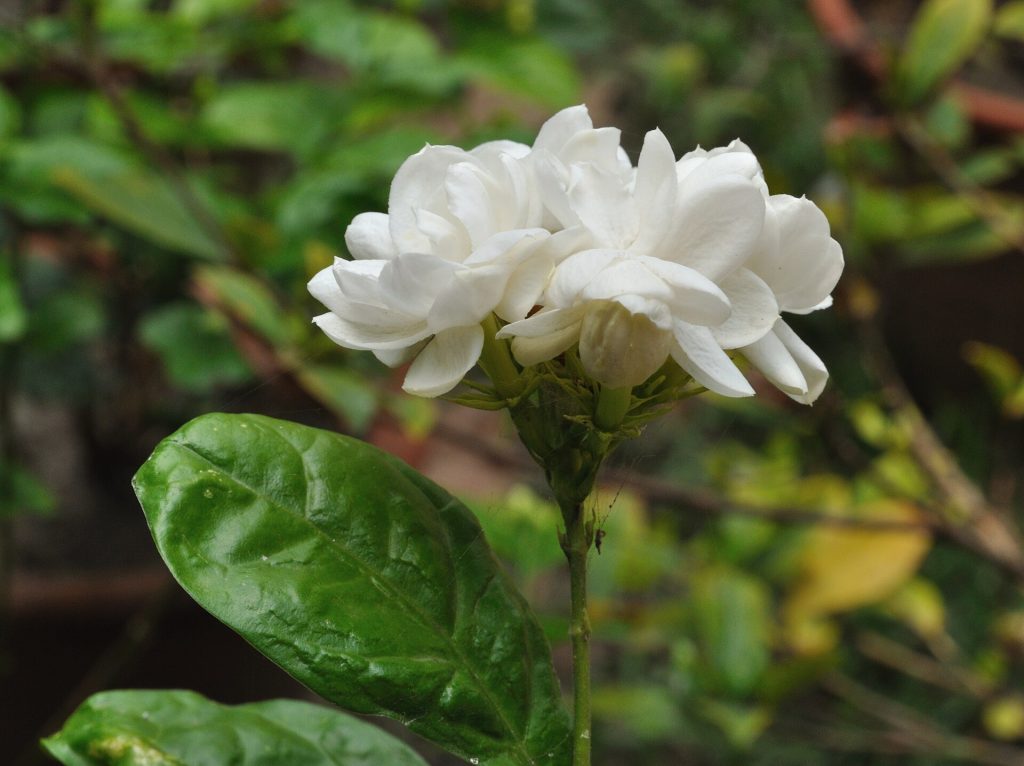
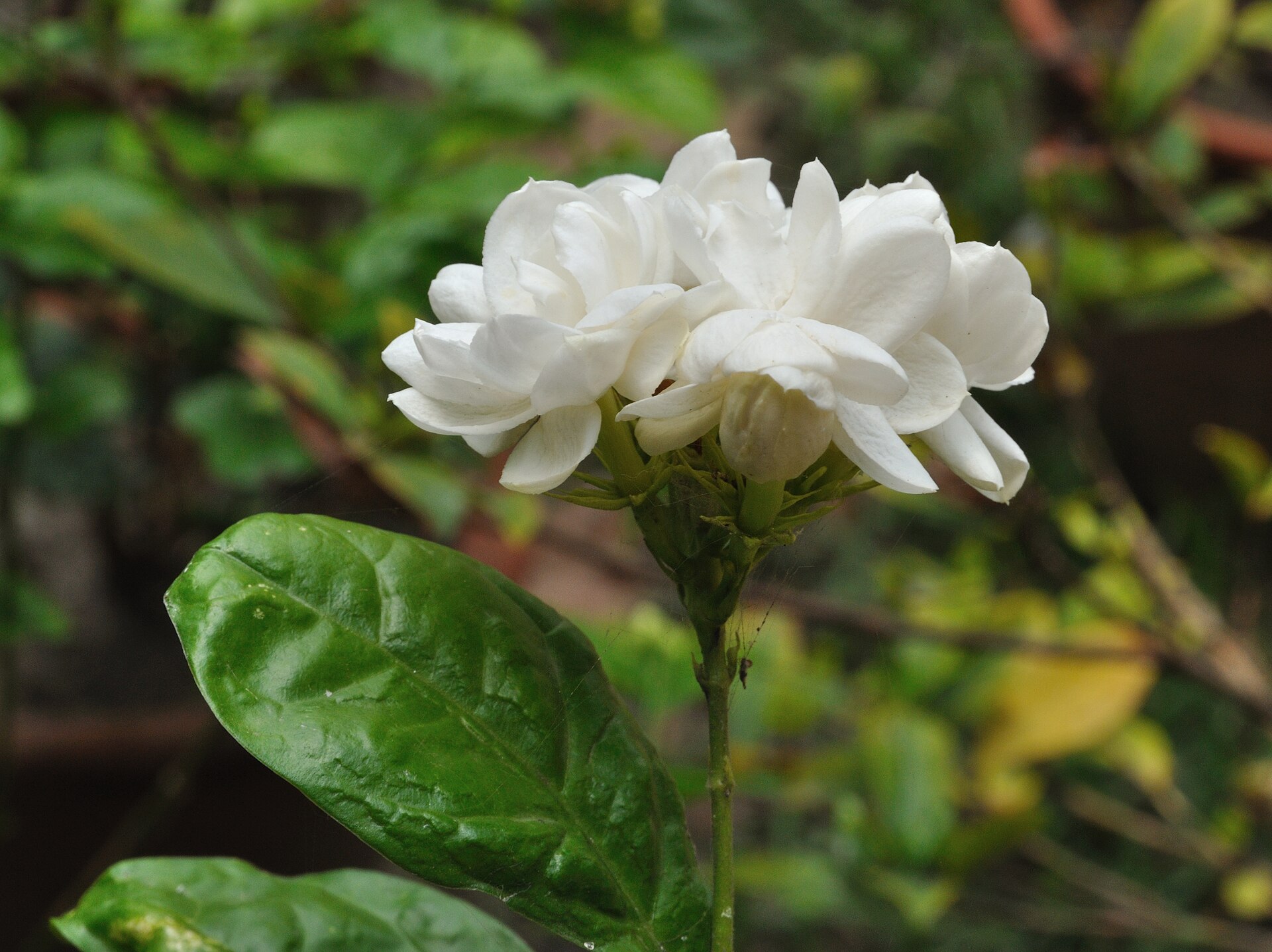

Jasmine is a flower you often smell before you see. Its small, starry blossoms carry one of the best-loved scents in the world, used for centuries in perfume, tea and garlands. In the Victorian language of flowers, white jasmine stood for sweet love and amiability, and yellow jasmine for grace and elegance.
This guide covers what jasmine means, its color meanings, its uses and history, the best occasions, care and pet safety, including the plants called “jasmine” that aren’t true jasmine. It is part of our flower meanings guide.
Jasmine meaning at a glance
- Overall meaning: sweet love and amiability (white), grace and elegance (yellow).
- Birth month: none; jasmine isn’t on the main US or UK birth flower lists.
- Best for: friendship and affection, a fragrant houseplant gift, and calm and relaxation.
- Vase life: our sources don’t give a figure; jasmine is usually given as a potted plant.
- Pets: true jasmine (Jasminum) is non-toxic to dogs, cats and horses, according to the ASPCA.
What does jasmine symbolize?
The Old Farmer’s Almanac’s chart of Victorian flower meanings splits jasmine by color. White jasmine means sweet love and amiability, a warm, friendly kind of affection. Yellow jasmine means grace and elegance.
The scent itself carries meaning, too. The Almanac notes that jasmine’s scent is thought to be calming and soothing, and that jasmine oil, known as the “King of Oils,” has been used to help with sleep, anxiety and low mood, and as an age-old herbal remedy.
Jasmine in tea, perfume and garlands
Jasmine has a long practical history. Britannica explains that common, or poet’s, jasmine (Jasminum officinale), native to Iran, is the source of attar of jasmine, used in perfumery, and that the dried flowers of Arabian jasmine (Jasminum sambac) are used to make jasmine tea. The Almanac adds that in Hawaii, jasmine and ginger blossoms are often used in leis to celebrate Lei Day on May 1.
Jasmine botany
Britannica describes Jasminum as a genus of about 200 species of fragrant shrubs and vines in the olive family (Oleaceae), native to the Old World. The flowers are white, yellow or, rarely, pink. The Almanac describes common jasmine as a twining climber with clusters of starry, pure-white, very fragrant flowers that bloom all summer, and winter jasmine (Jasminum nudiflorum) as an old-fashioned shrub with unscented yellow flowers that appear in winter or early spring, before the leaves.
Not every “jasmine” is jasmine
Many fragrant plants borrow the name. Britannica lists several that are not true jasmines, including star or Confederate jasmine (Trachelospermum), Cape jasmine (Gardenia) and Carolina jasmine (Gelsemium). The difference matters for pets and for anyone thinking of using the flowers in food: the Almanac’s editors warn that Carolina jasmine is a “false jasmine” considered too poisonous for human consumption.
Jasmine color meanings
Jasmine comes in a small palette, and the Almanac gives meanings for the two main colors:
- White: sweet love and amiability. Most fragrant jasmines, including common and Arabian jasmine, are white.
- Yellow: grace and elegance. Winter jasmine is the best-known yellow type.
- Pink: rare in jasmine, according to Britannica; our sources give no traditional meaning.
Best occasions for jasmine
Jasmine isn’t a birth month flower on the US or UK lists, so choose it for its message:
- Friendship and affection, using white jasmine for amiability and sweet love.
- A fragrant houseplant gift, for someone who loves scent or has a sunny window.
- Calm and relaxation, since jasmine’s scent is thought to be soothing.
- Admiration, using yellow jasmine for grace and elegance.
Season and availability
Common jasmine flowers all summer, the Almanac says, while winter jasmine blooms in winter or early spring. Outdoors, the vine can climb a pergola, fence or large trellis, and it can also be pruned as a shrub.
How to care for jasmine
The Almanac’s tips for jasmine indoors:
- Keep it cool, between 60 and 75°F, with good air circulation.
- Give it a partly sunny spot near a window, and a trellis or other support.
- Raise humidity by standing the pot on a tray of wet pebbles.
- Water only when the top inch of potting mix is dry, and use a well-draining mix.
- Fertilize with a potassium- and phosphorus-rich fertilizer, and prune after flowering to keep it in shape.
Outdoors, the Almanac says summer-flowering jasmines prefer full sun or partial shade and a warm, sunny, sheltered spot. Common jasmine is hardy to Zone 7. For more tips, read our guide to keeping flowers fresh longer.
Is jasmine safe for cats and dogs?
True jasmine is. The ASPCA lists jasmine (Jasminum species) as non-toxic to dogs, cats and horses, and it also lists star jasmine (Trachelospermum jasminoides) as non-toxic. Be careful with other plants sold as “jasmine,” though. The ASPCA lists Cape jasmine (Gardenia jasminoides) as toxic to dogs, cats and horses. Check the botanical name on the plant label, and if your pet eats a plant and seems unwell, contact your vet or the ASPCA Animal Poison Control Center on (888) 426-4435 (a fee may apply).
Keep exploring
See all flower meanings, read about jasmine’s fragrant namesake, the gardenia, or meet a jasmine relative in the olive family, the lilac. For another famous scent, try lavender.
Frequently asked questions
In the Victorian language of flowers, white jasmine symbolizes sweet love and amiability, and yellow jasmine symbolizes grace and elegance.
Common jasmine is the source of attar of jasmine for perfume, and the dried flowers of Arabian jasmine are used to make jasmine tea.
No. Star or Confederate jasmine is Trachelospermum, a different plant. Cape jasmine is a gardenia, and Carolina jasmine is Gelsemium.
Common jasmine blooms all summer, while winter jasmine flowers in winter or early spring.
True jasmine (Jasminum) is non-toxic to dogs and cats, according to the ASPCA. Cape jasmine (gardenia) is toxic, so check the label.