

Lilac Meaning: What Lilacs Symbolize, by Color
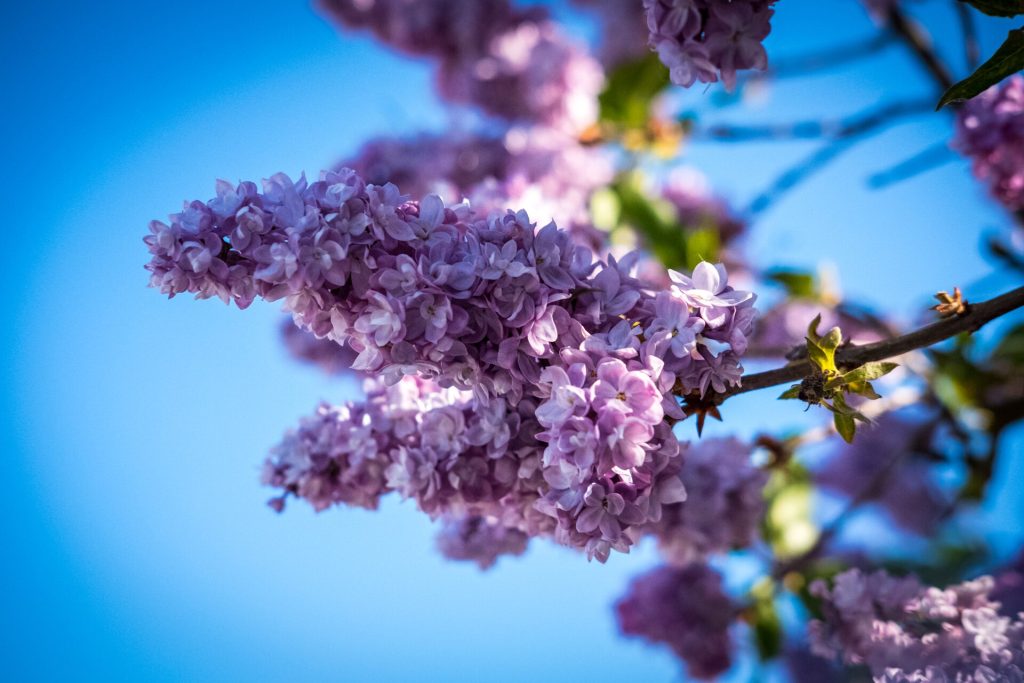
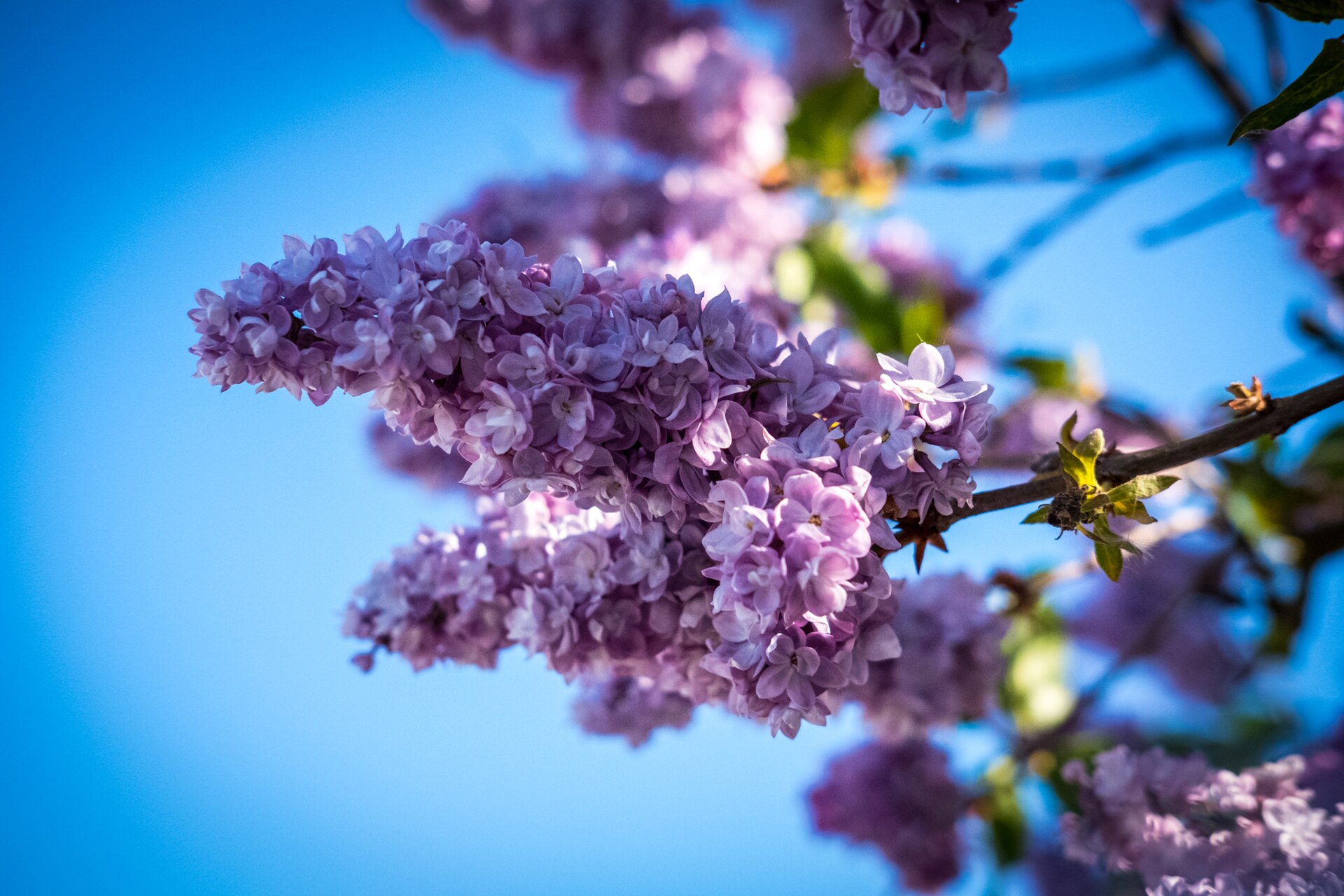

Few flowers say “spring” as clearly as lilac. Its big clusters of tiny, sweetly scented flowers arrive for a few short weeks, and for many people the scent alone brings back memories. It is no surprise that lilacs are linked with first love and the joy of youth.
This guide covers what lilacs mean, their color meanings, the myth behind their botanical name, the best occasions, care and pet safety. It is part of our flower meanings guide.
Lilac meaning at a glance
- Overall meaning: first love, the joy of youth, renewal and confidence.
- Birth month: none on the main US or UK birth flower lists.
- Best for: weddings, graduations, romantic gifts and spring celebrations.
- Vase life: about 3 to 7 days, according to Interflora.
- Pets: not on the ASPCA’s toxic and non-toxic plants list.
What do lilacs symbolize?
The Old Farmer’s Almanac’s chart of Victorian flower meanings gives the lilac the meaning “joy of youth”. Interflora says lilac historically signifies love, specifically the butterflies-in-your-stomach feeling of first love, which is probably why lilacs are a traditional favorite for bridal bouquets. Interflora notes that lilac was even used to decorate Westminster Abbey for the wedding of William and Catherine, now the Prince and Princess of Wales.
Interflora’s spring flowers guide adds a second meaning: lilacs symbolize renewal and confidence, which is why they are often given as graduation gifts.
The myth behind the name Syringa
Lilac’s botanical name, Syringa, comes from Greek mythology. Interflora tells the story: the god Pan was chasing Syringa through a forest when she turned herself into a lilac to hide from him. Pan picked a branch from her disguise and used it to make the first panpipe. Fittingly, the name is a play on the Ancient Greek word for pipe, syrinx.
Lilac botany
According to Britannica, lilacs are the genus Syringa, about 25 species of fragrant spring-flowering shrubs and small trees in the olive family (Oleaceae). They are native to eastern Europe and temperate Asia. The common lilac (Syringa vulgaris), from southeastern Europe, is the one most widely grown, with several hundred named varieties in deep purple, lavender, blue, red, pink, white and pale creamy yellow. It grows to about 6 meters (20 feet). Interflora adds that lilacs can live for over 100 years.
Lilac color meanings
Interflora gives these color meanings for lilac:
- White: innocence.
- Blue: tranquillity.
- Purple: spirituality.
Interflora’s spring flowers guide notes that the word “lilac” simply refers to the light purple color the flower is known for, and lists its color range as lilac, magenta, violet, blue and white.
Birth month and best occasions
Lilac is not a birth flower on the US list from The Old Farmer’s Almanac or Interflora’s UK list. See our birth flowers guide for each month’s official flowers.
Lilacs suit:
- Weddings and bridal bouquets, as a flower of first love.
- Graduations, for renewal and confidence.
- Romantic gifts, especially for a new relationship.
- Spring birthdays and celebrations, while lilacs are in season.
Interflora suggests roses, peonies and daisies as good companions for lilac in a bouquet, with two or three lilac stems as the focal flowers.
Season and availability
Interflora says garden lilacs usually bloom from April onwards, and describes lilac as a mid-to-late spring flower with one of the shortest bloom times, lasting only about three weeks. Cut lilacs are available from about February to November, and commercially grown lilacs are available all year.
How to care for cut lilacs
Interflora puts the vase life of lilacs at 3 to 7 days. A Kansas State University Extension table, shared by the University of California, puts lilac in its 7 to 10 day group. Interflora’s tips:
- Like daffodils, freshly cut lilac stems release sap that can shorten the vase life of other flowers. Stand them in a separate vase of cool water for a few hours before adding them to a mixed bouquet.
- Remove any dead or faded florets.
- Mist the flowers.
- Keep them out of direct sunlight.
For more tips, read our guide to keeping flowers fresh longer.
Are lilacs safe for cats and dogs?
Lilac (Syringa) is not on the ASPCA’s toxic and non-toxic plants list. The ASPCA notes its list is not complete and that any plant can cause stomach upset if eaten, so keep cut flowers out of reach of curious pets. If your pet eats part of a lilac and seems unwell, contact your vet or the ASPCA Animal Poison Control Center on (888) 426-4435 (a fee may apply).
Keep exploring
See all flower meanings, or read about the lavender, another scented purple favorite, and the lily of the valley, whose scent lilac’s is often compared to.
Frequently asked questions
Lilacs symbolize first love and the joy of youth. Interflora adds that they stand for renewal and confidence, which is why they are given as graduation gifts.
According to Interflora, white lilac means innocence, blue means tranquillity and purple means spirituality.
In Greek mythology, Syringa turned into a lilac to hide from the god Pan, who made the first panpipe from a branch. The name plays on the Greek word for pipe, syrinx.
Interflora puts the vase life of lilacs at 3 to 7 days. Stand them in their own vase for a few hours before mixing them with other flowers.
Lilac is not on the ASPCA’s toxic and non-toxic plants list. The ASPCA notes its list is not complete, so keep flowers out of reach and call your vet if your pet seems unwell.