

Magnolia Flower Meaning: What Magnolias Symbolize
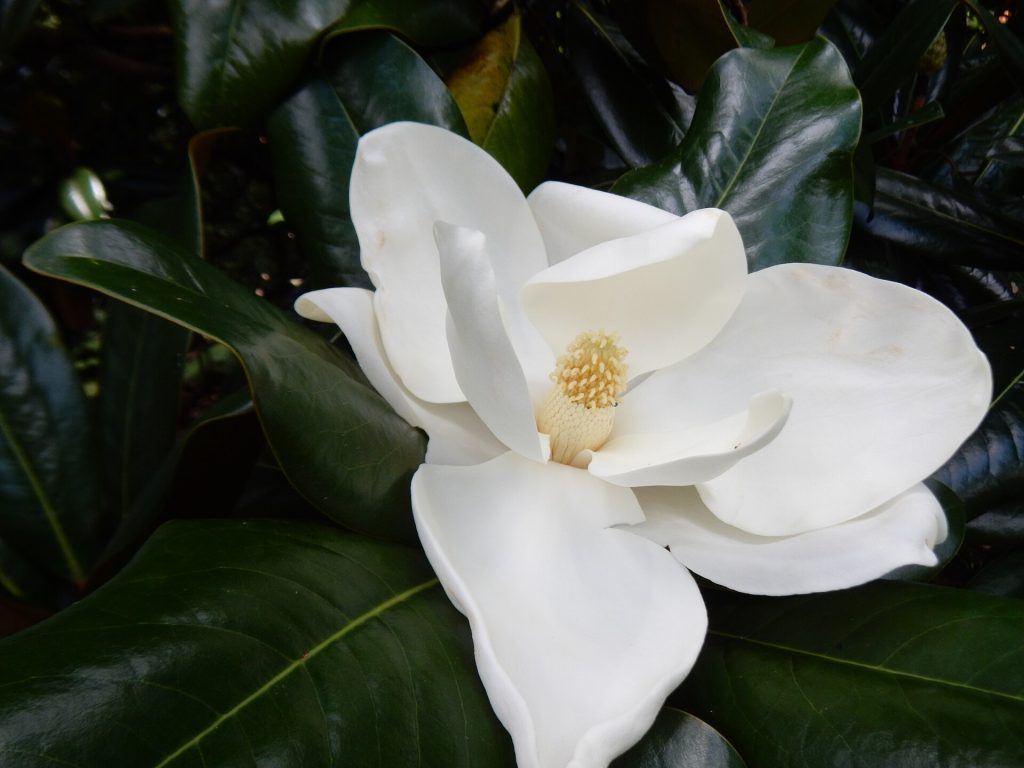
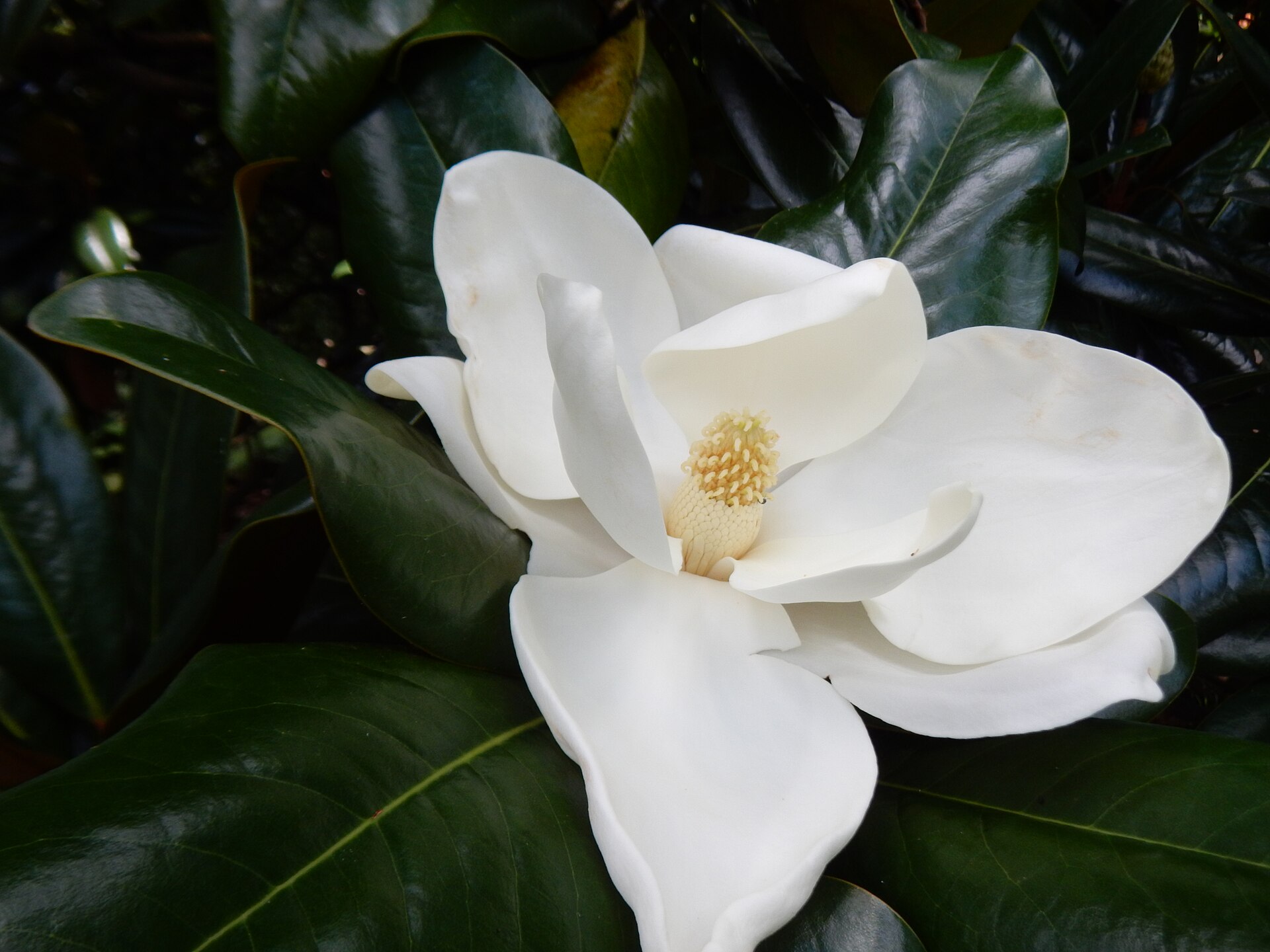

Magnolias are flowers with a very long memory. With their huge, fragrant, cup-shaped blooms and glossy leaves, they look grand and a little old-fashioned, and they really are ancient: magnolias are believed to be among the oldest flowering plants on Earth. In the Victorian language of flowers, the magnolia stood for nobility and a love of nature.
This guide covers what magnolias mean, their colors, history and botany, the best occasions, care and pet safety. It is part of our flower meanings guide.
Magnolia meaning at a glance
- Overall meaning: nobility and love of nature.
- Birth month: none; the magnolia isn’t on the main US or UK birth flower lists.
- Best for: nature lovers and gardeners, admiration and respect, and as a living gift to plant.
- Vase life: our sources don’t give a figure; magnolias are mostly enjoyed on the tree or as cut branches.
- Pets: the ASPCA lists star magnolia (Magnolia stellata) as non-toxic; other magnolias aren’t on its list.
What do magnolias symbolize?
The Old Farmer’s Almanac’s chart of Victorian flower meanings gives the magnolia two meanings: nobility and love of nature. Both suit a stately tree whose blooms, the Almanac says, can be dinner-plate-sized on a southern magnolia.
A living fossil
The Almanac calls magnolias “living fossils.” It explains that they are believed to be among the oldest flowering plants, at about 100 million years old, and have been blooming since dinosaurs roamed the earth. Magnolias were around before bees evolved, so they were pollinated by beetles. Britannica adds that the long floral axis and spiral arrangement of the flower parts mark the magnolia family as a primitive one on the evolutionary scale, and that fossils show the family was once widespread across Eurasia and North America.
A symbol of the American South
The magnolia is closely tied to the southern United States. According to the Almanac, magnolias are the state flower of Louisiana and Mississippi, and southern magnolias, evergreen trees with large, leathery leaves, grow throughout the American South, often reaching 60 to 80 feet tall.
Magnolia botany
Britannica describes Magnolia as a genus of about 225 species of trees and shrubs in the family Magnoliaceae, native to North and South America, the Himalayas and East Asia. The flowers, usually cuplike and fragrant, grow at the branch tips and have six to 12 petals and many spirally arranged stamens. They later form a cone-like fruit whose seeds, usually reddish, often hang by slender threads. The southern magnolia (Magnolia grandiflora) is an evergreen that can reach 31 meters (102 feet), Britannica says.
Magnolia colors
Magnolias don’t have a traditional color-by-color meaning in our sources, but the flowers come in a lovely range. Britannica lists white, yellow, pink and purple flowers, and the Almanac highlights a few examples:
- White: the classic southern magnolia, including the compact ‘Little Gem’, which reaches about 15 feet.
- Pale pink: star magnolia ‘Centennial’, with 5-inch, slightly pink flowers.
- Deep magenta: saucer magnolia ‘San Jose’, which is fragrant and does well in a container.
- Yellow: hybrids, which the Almanac notes the Brooklyn Botanic Garden began creating in the 1950s.
Best occasions for magnolias
The magnolia isn’t a birth month flower on the US or UK lists, so choose it for its meaning:
- Gifts for gardeners and nature lovers, to match its meaning of love of nature.
- Messages of admiration and respect, in keeping with nobility.
- A living gift: a young magnolia shrub or tree to plant in spring or fall.
- Spring arrangements, using branches of a spring-flowering magnolia.
Season and availability
Depending on the type, magnolias bloom in spring and summer, the Almanac says. The Almanac recommends planting in spring or fall; for fall planting, get the tree in the ground 4 to 6 weeks before the first frost.
How to care for magnolias
The Almanac’s growing advice:
- Give magnolias full sun to light shade, with afternoon shade in hot climates.
- Choose a site that is moist but well drained and sheltered from wind, since the branches can be brittle.
- Keep them away from foundations and sidewalks; the roots are shallow and can spread up to three times as far as the branches.
- Water new trees several times a week, then weekly after the first month or two. Magnolias don’t need to be fertilized.
- Prune only after flowering, and avoid large cuts on older trees, which heal slowly.
For cut branches, general advice from the University of California Cooperative Extension applies: use a sparkling clean vase, keep it away from heat and sunlight and change the water regularly. For more tips, read our guide to keeping flowers fresh longer.
Are magnolias safe for cats and dogs?
The ASPCA lists magnolia bush, also called star magnolia (Magnolia stellata), as non-toxic to dogs, cats and horses. Other magnolias, including the southern magnolia (Magnolia grandiflora), are not on the ASPCA’s toxic and non-toxic plants list. The ASPCA notes that its list is not complete, so an unlisted plant isn’t guaranteed to be safe, and that eating any plant material can cause stomach upset in pets. If your pet eats a plant and seems unwell, contact your vet or the ASPCA Animal Poison Control Center on (888) 426-4435 (a fee may apply).
Keep exploring
See all flower meanings, or read about other big, fragrant blooms: the gardenia, the peony and the lilac.
Frequently asked questions
In the Victorian language of flowers, the magnolia symbolizes nobility and love of nature.
Magnolias are believed to be among the oldest flowering plants, at about 100 million years old, and they were pollinated by beetles before bees evolved.
The magnolia is the state flower of Louisiana and Mississippi.
Magnolia flowers can be white, yellow, pink or purple, from the white southern magnolia to deep magenta saucer magnolias.
The ASPCA lists star magnolia as non-toxic to dogs and cats. Southern magnolia isn’t on its list, so ask your vet if you are unsure.