

Gardenia Flower Meaning: What Gardenias Symbolize
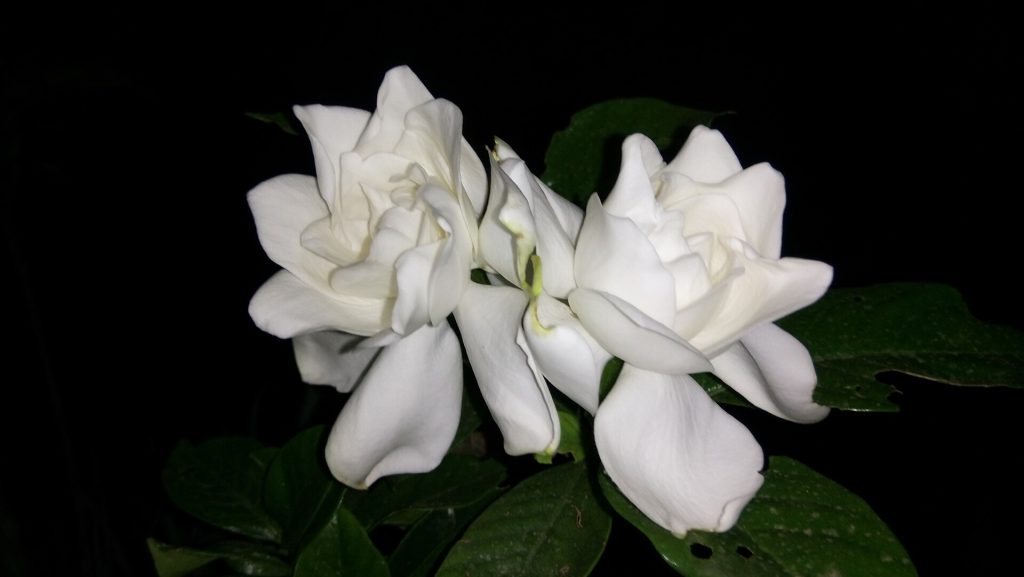
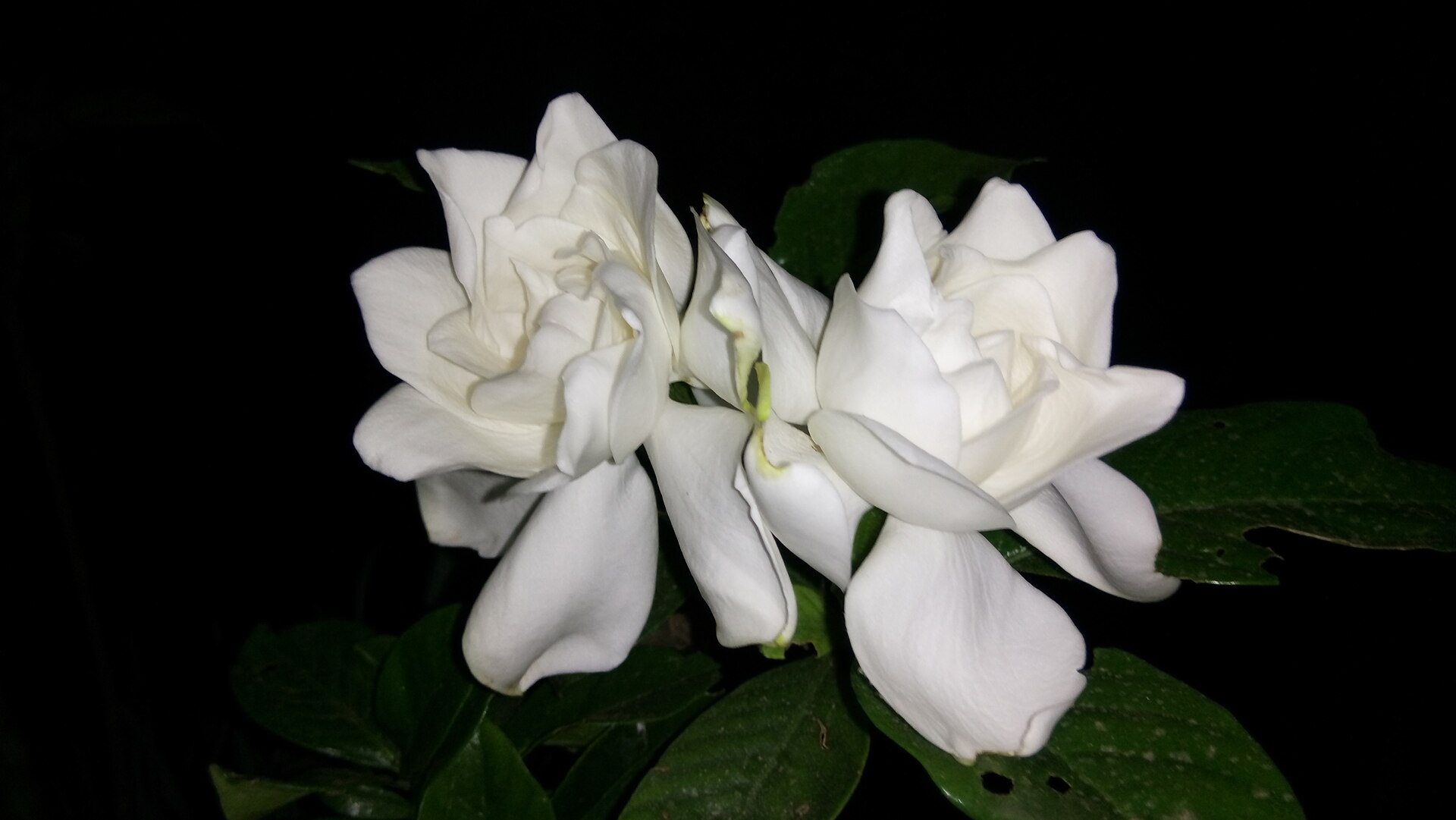

A single gardenia can perfume a whole room. With creamy white petals, glossy dark-green leaves and one of the richest scents of any flower, the gardenia has long been a flower of quiet romance. In the Victorian language of flowers, it carried two tender messages: “you’re lovely” and “secret love.”
This guide covers what gardenias mean, their history and botany, colors, the best occasions, care and pet safety. It is part of our flower meanings guide.
Gardenia meaning at a glance
- Overall meaning: secret love and “you’re lovely.”
- Birth month: none; the gardenia isn’t on the main US or UK birth flower lists.
- Best for: romantic gestures, admiration and a fragrant houseplant gift.
- Vase life: our sources don’t give a figure; the blooms bruise easily, so handle them gently.
- Pets: toxic to dogs, cats and horses, according to the ASPCA.
What do gardenias symbolize?
The Old Farmer’s Almanac’s chart of Victorian flower meanings gives the gardenia two meanings: “you’re lovely” and “secret love.” Its gardenia growing guide repeats that in the language of flowers, the gardenia symbolizes secret love.
That makes the gardenia a flower for feelings that are tender but not yet spoken aloud, or for telling someone simply that they are lovely. Its pure white color and heady scent add to its romantic reputation.
Where the name comes from
According to the Almanac, gardenias were named after Alexander Garden (1730–1791), a Scottish-born American naturalist.
Gardenia history and botany
The common garden gardenia, Gardenia jasminoides, is also known as Cape jasmine, although it is not a true jasmine. The Almanac explains that it is native to the tropical regions of East Asia, including southern China and Taiwan, where it has been used for centuries in herbal medicine. Its yellow fruit was traditionally used to make a dye for food and clothing.
Britannica describes Gardenia as a genus of more than 140 species of shrubs and small trees in the madder family (Rubiaceae), the same family as coffee, native to tropical and subtropical Africa, Asia and the Pacific islands. Gardenias have glossy evergreen leaves and white or yellow flowers that are often strongly scented. Cape jasmine, native to China, is the species usually sold by florists.
Gardenia colors
Gardenias come in a narrow palette, and our sources don’t give a separate meaning for each color:
- White: by far the most common color, and the classic choice for “you’re lovely” and secret love.
- Cream to pale yellow: Britannica lists yellow flowers in the genus, and the Almanac notes that some cultivars’ large white flowers fade to cream yellow as they age.
Best occasions for gardenias
The gardenia isn’t a birth month flower on the US or UK lists, so choose it for its message:
- Romantic gestures, for a new or private love, in keeping with secret love. It also suits Valentine’s Day.
- Admiration, for telling someone “you’re lovely.”
- A fragrant houseplant, for someone who enjoys a challenge and a strong scent.
- A single floating bloom, as a simple table decoration.
Season and availability
Gardenias are evergreen shrubs that flower mostly in summer. The Almanac notes that some varieties bloom early in summer, some later, and several cultivars rebloom in the fall. Outdoors, gardenias need a warm climate; in areas colder than Zone 7, the Almanac suggests growing them in pots, moving them outside for summer and back indoors for the cooler seasons.
How to care for gardenias
For cut gardenias, the Almanac’s advice is:
- Don’t touch the blossoms with bare hands, as they can bruise and wilt.
- Cut the woody stems at a 45-degree angle to help them absorb water.
- Remove any leaves that would sit below the water line.
- Add a tablespoon of sugar and a teaspoon of bleach to the water in a medium vase.
- Or float single blossoms in a bowl or cup of water.
Gardenia plants are known for being fussy. The Almanac says they grow and bloom best with day temperatures of 65 to 70°F and nights of 60 to 65°F, acidic soil (pH 5.0 to 6.0), consistent watering and high humidity. Indoors, give them 6 to 8 hours of bright, indirect light and keep them away from drafts, heat vents and air conditioning. Bud drop can be caused by low humidity, over- or under-watering, too little light and high temperatures. For more tips, read our guide to keeping flowers fresh longer.
Are gardenias safe for cats and dogs?
No. The ASPCA lists gardenia, or Cape jasmine (Gardenia jasminoides), as toxic to dogs, cats and horses. Signs include mild vomiting and/or diarrhea and hives. Note that the “jasmine” name is misleading here: true jasmine (Jasminum) is listed as non-toxic, but Cape jasmine is not. If your pet eats any part of a gardenia, contact your vet or the ASPCA Animal Poison Control Center on (888) 426-4435 (a fee may apply).
Keep exploring
See all flower meanings, read about the true jasmine, or explore other fragrant white flowers, like lily of the valley and the magnolia.
Frequently asked questions
In the Victorian language of flowers, the gardenia symbolizes secret love and means “you’re lovely.”
Gardenias are named after Alexander Garden (1730–1791), a Scottish-born American naturalist.
Yes. Cape jasmine is another name for Gardenia jasminoides, but it is not a true jasmine.
Avoid touching the petals, cut the stems at an angle, and add a little sugar and bleach to the water, or float single blooms in a bowl.
Yes. The ASPCA lists gardenias as toxic to dogs, cats and horses, with signs including mild vomiting, diarrhea and hives.