

Camellia Meaning: What Camellias Symbolize by Color
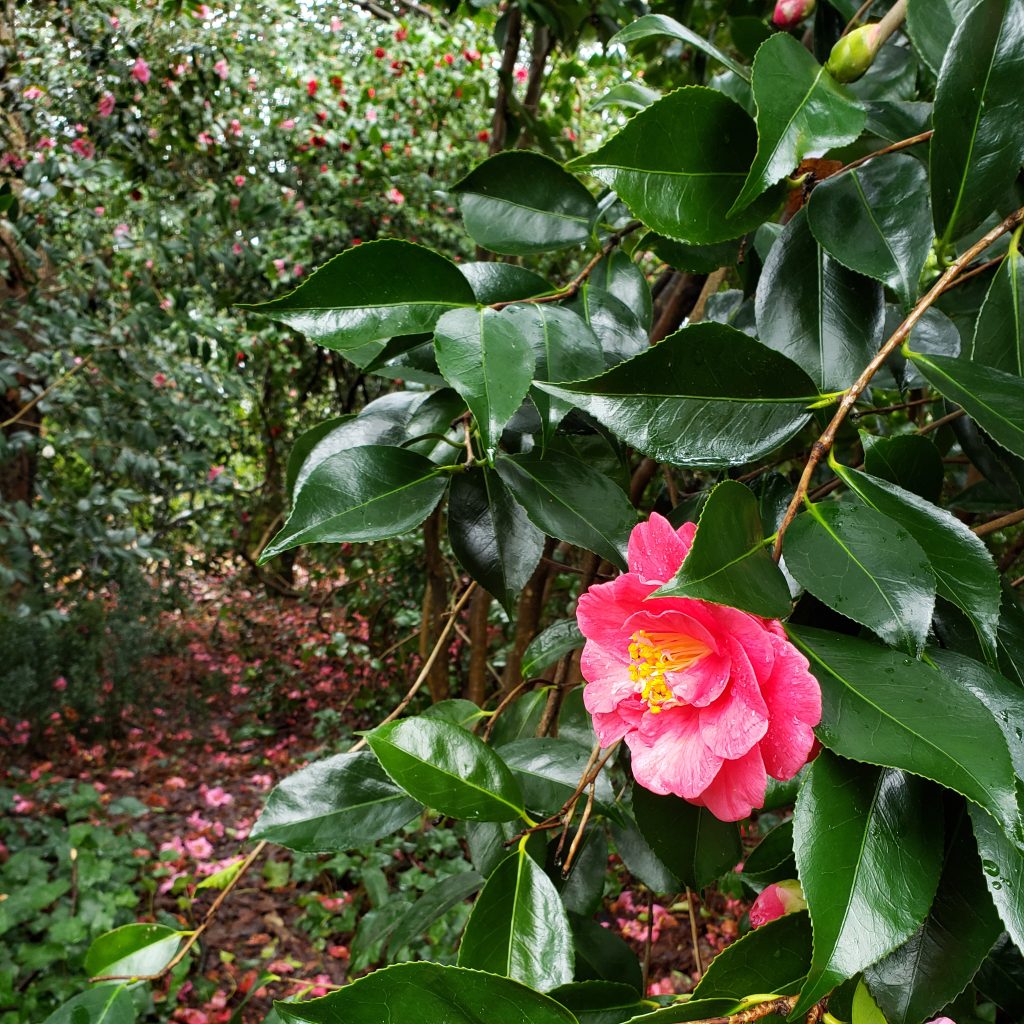
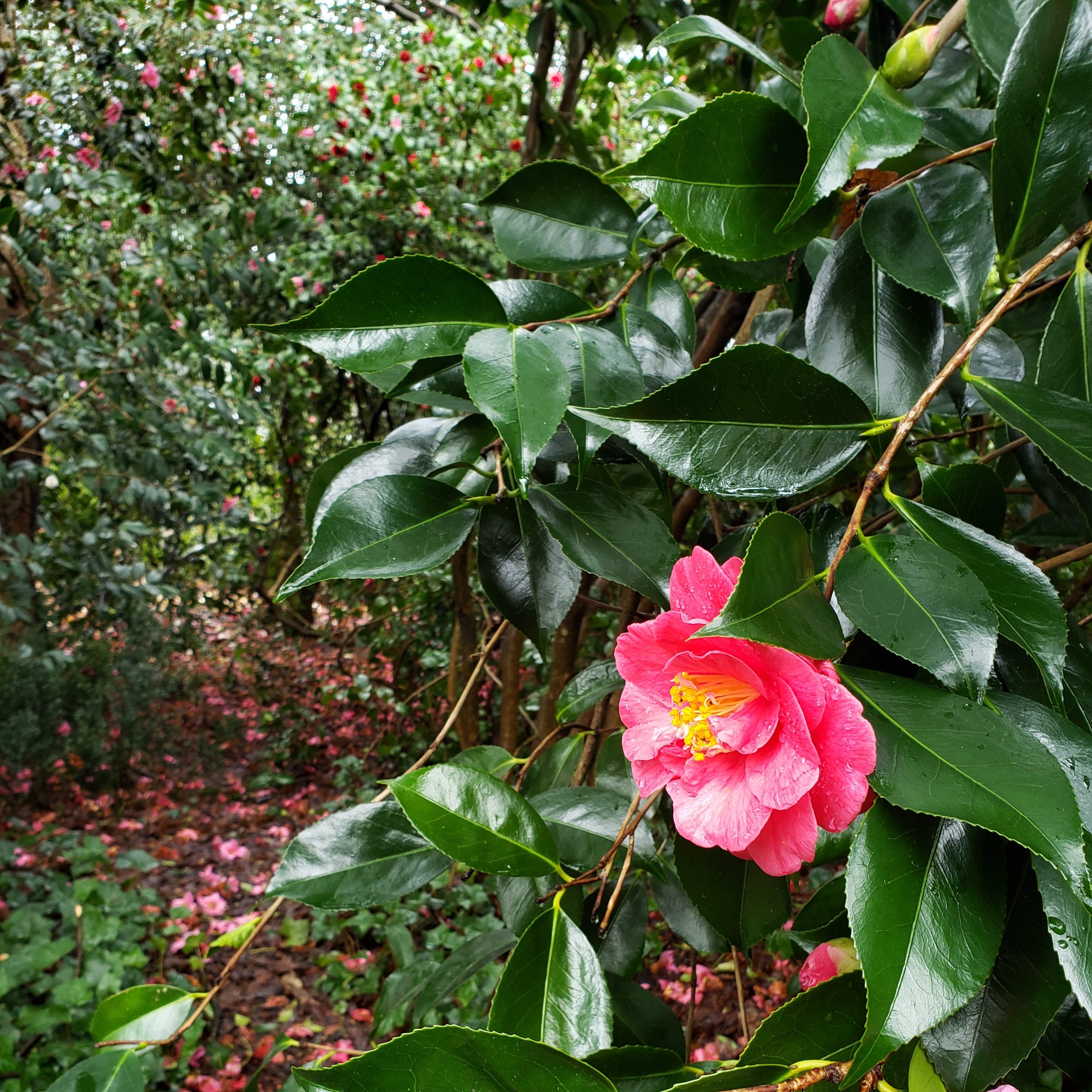

Camellias are the glossy evergreen shrubs with rose-like winter and early-spring blooms. In the Victorian language of flowers they have some of the clearest color meanings of any plant: pink for longing, red for a flame in the heart, and white for “you’re adorable.” Society of American Florists also lists camellia as a flower of graciousness.
This guide covers what camellias mean by color, the best occasions, season and pet safety. It is part of our flower meanings guide.
Camellia meaning at a glance
- Overall meaning: graciousness, admiration and color-specific love messages.
- Birth month: none on the main US or UK birth flower lists.
- Best for: romantic messages, winter and early-spring gifts, and elegant host flowers.
- Vase life: our cut-flower sources don’t give a standard figure; camellias are often given as flowering branches or plants.
- Pets: the ASPCA lists camellia (Camellia japonica) as non-toxic to dogs, cats and horses.
What do camellias symbolize?
The Old Farmer’s Almanac gives three separate Victorian meanings by color:
- Pink camellia: “longing for you.”
- Red camellia: “you’re a flame in my heart.”
- White camellia: “you’re adorable.”
Society of American Florists summarizes camellia as graciousness, a modern florist reading that sits well beside the Victorian love messages.
The common camellia of florists and gardens is Camellia japonica, in the tea family (Theaceae). Related species include the tea plant itself (Camellia sinensis) and the autumn-flowering Camellia sasanqua. Camellias are evergreen shrubs prized for formal gardens in mild climates and for winter greenhouse displays farther north.
Camellia color meanings
Use the Almanac color list when you want the bouquet to say something specific:
- Pink: longing and gentle romance, good for a partner you miss.
- Red: passionate admiration, closer to a romantic declaration.
- White: sweet affection and “you’re adorable,” suitable for partners, friends or family.
- Variegated or unusual cultivars: our sources don’t assign separate traditional meanings; treat them as decorative.
Best occasions for camellias
- Romantic winter and early-spring gifts, when few other garden flowers are open.
- Anniversaries and “thinking of you” messages that use the pink or red meanings.
- Elegant host gifts and formal arrangements, matching the SAF meaning of graciousness.
- A flowering potted camellia as a longer-lasting alternative to cut stems.
A brief cultural note
Camellias have a long garden history in East Asia and became a Victorian greenhouse favorite in Europe and North America. That greenhouse glamour is part of why florists still read camellias as gracious and refined, even when a bouquet uses only a few perfect blooms.
Season and availability
Camellia japonica typically flowers in late winter and early spring in mild climates. Specialty florists and garden centers sell cut blooms and flowering plants in season. In colder regions, camellias are often grown under glass.
How to care for cut camellias
Camellia blooms bruise easily and are often floated in a shallow bowl of water or displayed as short stems rather than tall vase flowers. Keep them cool, out of direct sun and away from ripening fruit. For general cut-flower advice, see our guide to keeping flowers fresh longer.
Are camellias safe for cats and dogs?
Yes. The ASPCA lists camellia, also called common camellia or peony camellia (Camellia japonica), as non-toxic to dogs, cats and horses. Eating any plant material can still cause mild stomach upset. If your pet seems unwell after chewing a plant, contact your vet or the ASPCA Animal Poison Control Center on (888) 426-4435 (a fee may apply).
Camellias vs roses for formal gifts
Both camellias and roses read as polished. Roses are easier to buy as cut stems year-round; camellias are often a plant gift or a short-season garden bloom. Choose camellias when you want a refined winter or early-spring plant for a porch or cool room, and roses when you need a classic bouquet delivered tomorrow. For broader symbolism, see the secret meaning of flowers and 85 types of flowers.
Styling a few blooms
Because camellia flowers are large, three to five perfect blooms in a low bowl can look more intentional than a crowded mixed vase. Float them in a shallow dish for a dinner-table centerpiece, or pin a single bloom as a corsage-style accent.
When not to send camellias
Skip camellias if the recipient has no cool bright space for a plant, or if you need overnight cut-flower drama in peak summer when quality stems are scarce. In those cases a rose bouquet or orchid plant usually serves better.
A single perfect bloom in a bud vase can say as much as a crowded mixed bouquet when the flower itself is the point.
Keep exploring
See all flower meanings, or compare other romantic blooms, the rose, the peony and the gardenia. Camellias flower in fall and winter: see winter flowers for more.
Frequently asked questions
In the Victorian language of flowers, a pink camellia means “longing for you,” according to The Old Farmer’s Almanac.
A red camellia means “you’re a flame in my heart,” according to the Almanac.
A white camellia means “you’re adorable,” according to the Almanac.
Yes. Their color meanings are among the most clearly romantic in Victorian flower lists, and florists also associate camellias with graciousness.
No. The ASPCA lists Camellia japonica as non-toxic to dogs, cats and horses.