

Zinnia Meaning: What Zinnias Symbolize
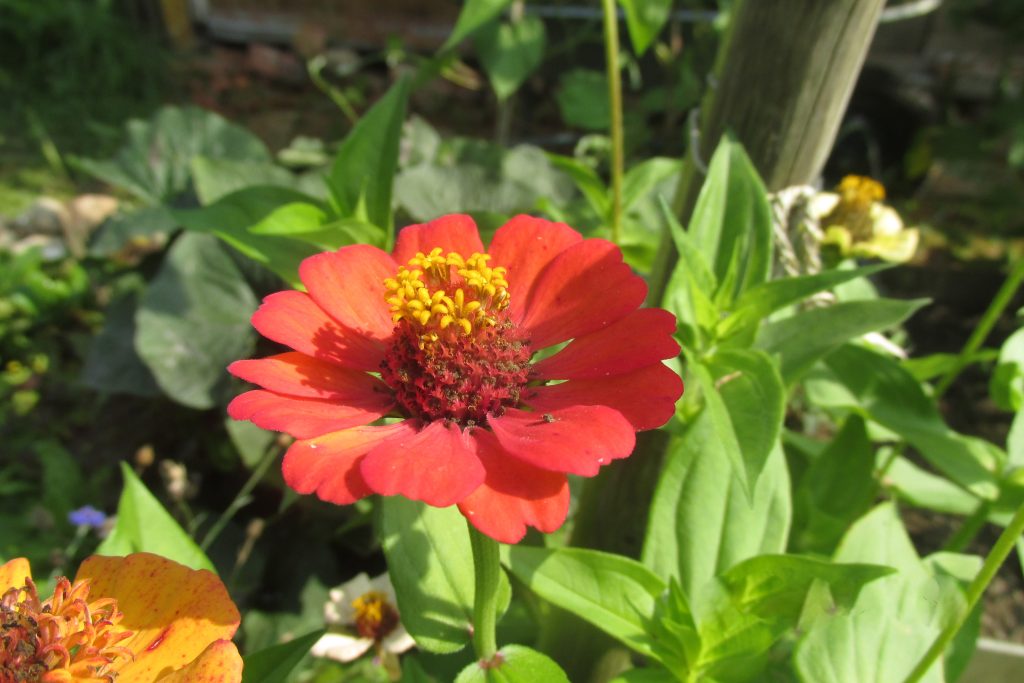
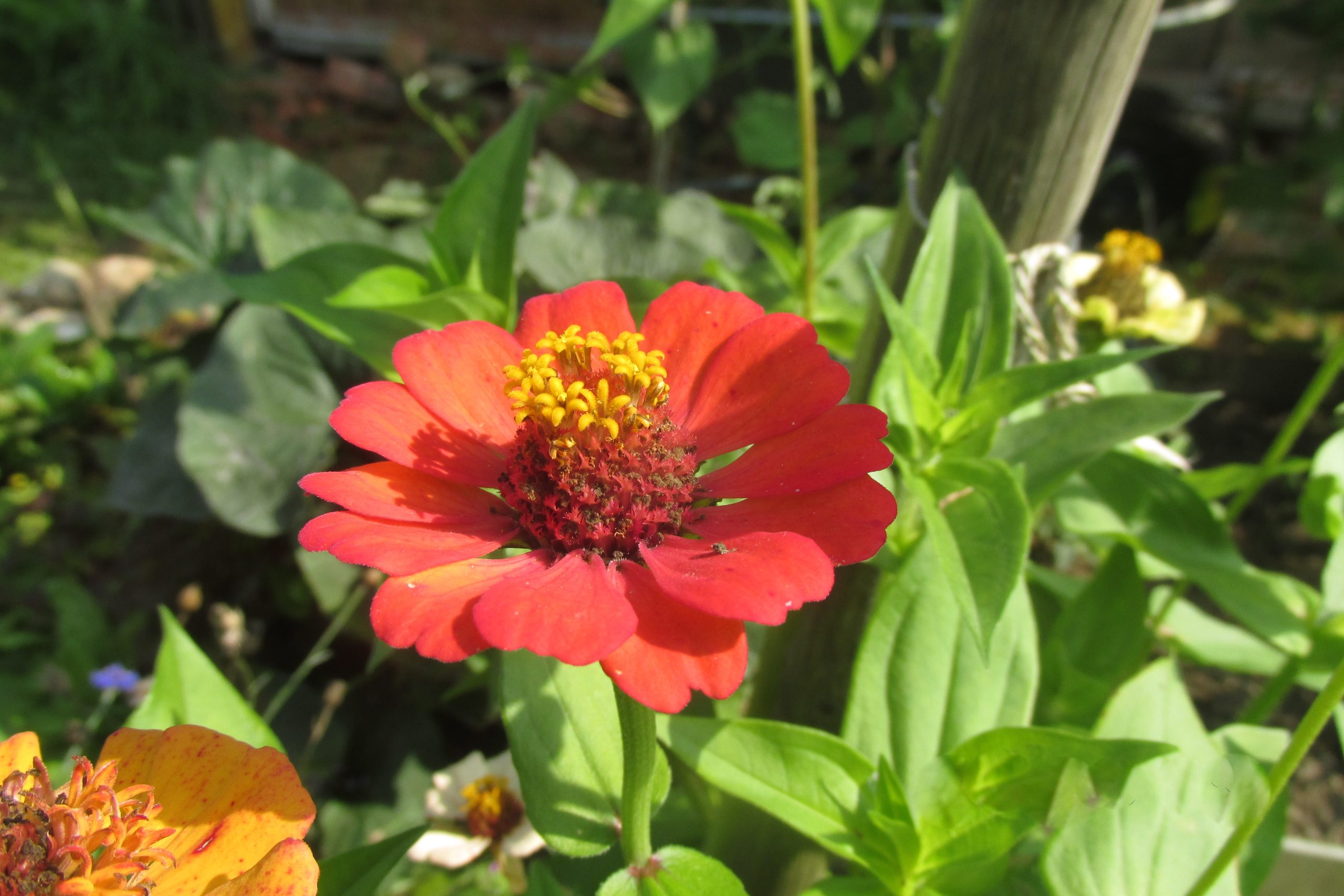

Zinnias are the bright, long-blooming annuals that keep a summer garden going when other flowers fade. In the language of flowers they carry a warm, steady message: lasting affection, and thoughts of friends who are far away. That makes them a natural choice for a cheerful bouquet when you want to say you are thinking of someone.
This guide covers what zinnias mean, their colors, the best occasions, how to cut and care for them and pet safety. It is part of our flower meanings guide.
Zinnia meaning at a glance
- Overall meaning: lasting affection and thoughts of absent friends.
- Birth month: none on the main US or UK birth flower lists.
- Best for: friendship, “thinking of you” messages, summer birthdays and cheerful thank-yous.
- Vase life: strong when stems are firm; wilt quickly if cut too young.
- Pets: the ASPCA lists zinnia as non-toxic to dogs, cats and horses.
What do zinnias symbolize?
The Old Farmer’s Almanac’s chart of Victorian flower meanings gives the zinnia two linked messages: “thoughts of absent friends” and “lasting affection.” The Almanac’s growing guide repeats that symbolism and calls it a fitting match for a flower that keeps blooming all summer.
Society of American Florists lists zinnias among flowers that mean “thoughts of friends,” which is the same idea in modern florist language.
Botanically, the common garden zinnia is Zinnia elegans, an annual in the daisy family (Asteraceae). The Almanac describes plants about 1 to 3 feet tall, grown for cut flowers and for attracting butterflies and other pollinators. Zinnias complete their life cycle in one season and will not return the following year unless they reseed.
Zinnia color meanings
Zinnias come in almost every color except true blue. Our sources don’t give separate Victorian meanings for each color, so the overall messages of lasting affection and absent friends apply across the palette. In practice:
- Bright pink, orange and red: bold, cheerful friendship and celebration.
- Yellow: sunny “thinking of you” messages.
- White: a quieter thank-you or sympathy accent.
- Mixed colors: the classic summer cottage look, and a safe choice when you want warmth without a single romantic signal.
Best occasions for zinnias
Zinnias are not a birth month flower on the Almanac or Interflora lists, so choose them for their message and season:
- Friendship and “thinking of you” notes, matching “thoughts of absent friends.”
- Summer birthdays, when garden zinnias are at their best.
- Thank-you and get well bouquets that need color without heavy perfume.
- Casual host gifts and porch drop-offs, where a jar of mixed zinnias feels personal rather than formal.
A cutting-garden favorite
Zinnias are one of the best flowers for home cutting gardens because the more you cut, the more they bloom. That abundance is part of their friendly character: a jar of mixed zinnias feels generous without needing florist markup, which suits the “lasting affection” meaning especially well.
Season and availability
The Almanac lists zinnia bloom time as summer into fall. They need full sun and are sold as cut flowers in season and as seeds and bedding plants for the garden. Commercial growers supply many colors for florists through the warmer months.
How to care for cut zinnias
The Almanac’s cutting tip is the one that matters most: cut when the petals are fully open and the stem feels firm just below the bloom. If the stem bends easily, the flower is too young and may wilt quickly in a vase. Strip leaves that would sit below the waterline, use a clean vase and fresh water, and recut the stems every couple of days. For more tips, read our guide to keeping flowers fresh longer.
Are zinnias safe for cats and dogs?
Yes. The ASPCA lists zinnia (Zinnia species) as non-toxic to dogs, cats and horses. As with any plant, eating a lot of foliage can still upset a pet’s stomach. If your pet eats a plant and seems unwell, contact your vet or the ASPCA Animal Poison Control Center on (888) 426-4435 (a fee may apply).
Zinnias vs other cheerful summer flowers
If you want long vase life and bright color without a heavy scent, zinnias compete well with gerberas and sunflowers. Gerberas give a cleaner single-stem look; sunflowers read as bigger statement blooms; zinnias win when you want a mixed handful of shapes and colors from one cutting garden. For a fuller meaning guide set, see also the secret meaning of flowers and the 85 types of flowers overview.
Color mixing tips
Combine one dominant color with two supporting tones rather than every packet shade at once. A pink-and-coral mix feels romantic; orange-and-yellow feels festive; white-and-lime feels modern. Leave a little green foliage so the bouquet does not look flat.
Keep exploring
See all flower meanings, or read about other cheerful summer blooms, the sunflower, the gerbera and the daisy. Zinnias are listed in flowers safe for cats. Zinnias are also listed as non-toxic in our flowers safe for dogs and flowers safe for cats guides.
Frequently asked questions
Zinnias symbolize lasting affection and thoughts of absent friends, according to The Old Farmer’s Almanac Victorian flower meanings chart.
Yes. Their meaning of lasting affection and thoughts of absent friends makes them a natural friendship and “thinking of you” flower.
They last well when cut with a firm stem under a fully open bloom. Stems that bend when you cut them often wilt quickly.
In summer and into fall, according to The Old Farmer’s Almanac.
No. The ASPCA lists zinnia as non-toxic to dogs, cats and horses.