

Lotus Flower Meaning: What the Lotus Symbolizes
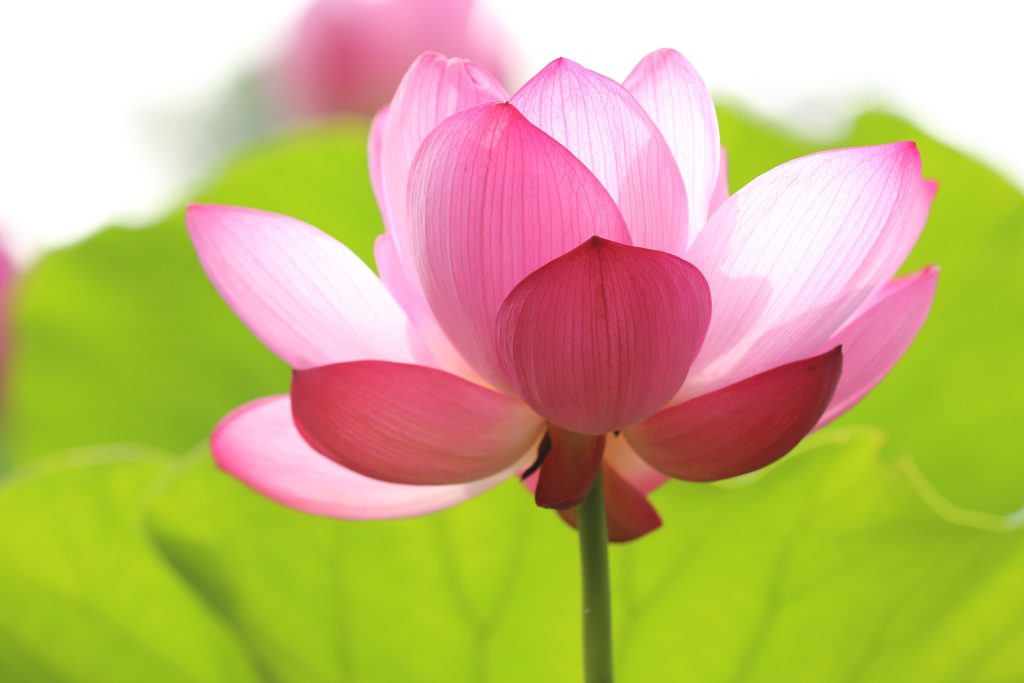
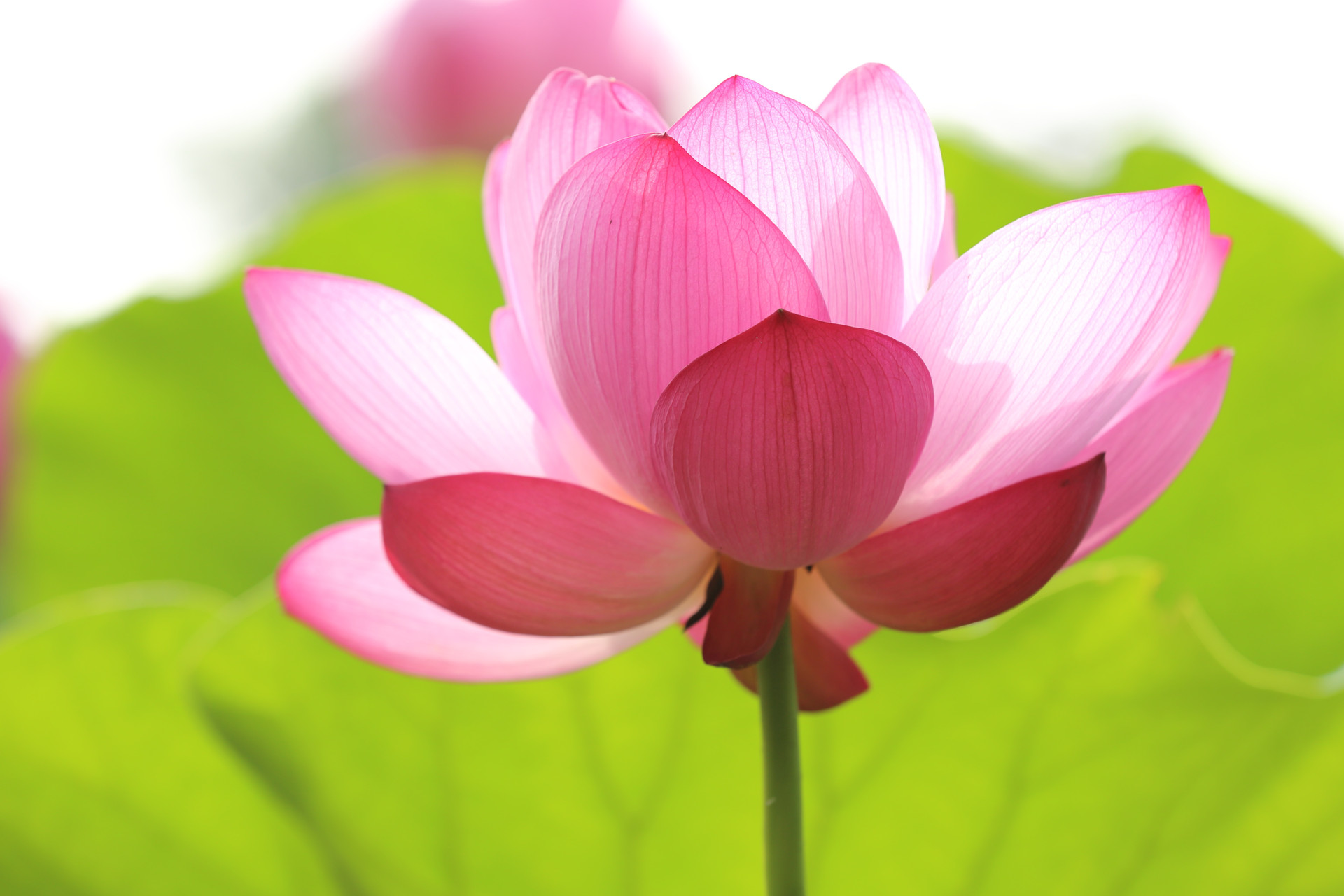

The lotus is one of the oldest and most widely shared flower symbols in the world. It grows in muddy water, rises on a long stem and opens a clean, upright bloom above the surface. That habit is the source of almost every lotus meaning you will meet: purity that is not spoiled by its surroundings, spiritual awakening, and the idea that something beautiful can emerge from difficult conditions.
The Old Farmer’s Almanac lists the lotus as a symbol of purity, enlightenment, self-regeneration and rebirth. Those words sit close to how the flower is used in Buddhist and Hindu art, where deities sit on lotus thrones or hold the bloom in their hands. This guide explains that symbolism, how a lotus differs from a water lily, and when the flower appears in gifts and ceremonies.
Lotus flower meaning at a glance
- The sacred lotus (Nelumbo nucifera) symbolizes purity, enlightenment, transformation and rebirth.
- In Buddhism and Hinduism, the flower’s rise from mud into an unstained bloom is a metaphor for the spiritual path.
- Official Chinese cultural guidance describes the lotus as a symbol of purity and perfection, “unstained” even though it grows in muddy water.
- A lotus is not a water lily. Lotuses in the genus Nelumbo stand above the water; water lilies in the genus Nymphaea float on the surface.
- July’s traditional birth flower on many US lists is the water lily, not the sacred lotus. See our July birth flowers guide.
What does the lotus symbolize?
The Rubin Museum of Himalayan Art, whose collection is rich in Buddhist and Hindu lotus imagery, describes the lotus as “a sacred symbol associated with purity, awakening, transformation, and compassion.” The museum emphasizes the plant’s life cycle: lotuses “grow in murky waters then rise and bloom above the surface,” a metaphor for resilience, “that even from the muck and the darkest circumstances, moments of beauty and light can emerge.”
In Buddhist art, the Buddha and bodhisattvas are often shown seated on a lotus throne or holding a lotus, a sign of transcendence over worldly suffering. Avalokiteshvara, the bodhisattva of compassion, is in one common form called Padmapani, “Lotus-in-Hand.” The teacher Padmasambhava, whose name means “Lotus Born,” is honored in Tibetan Buddhism for bringing the tradition to Tibet. Practitioners also sit in lotus pose, padmasana, a posture named for the flower.
In Hinduism, the lotus is closely tied to the goddess Lakshmi. The Rubin Museum notes that Lakshmi, often called a lotus goddess, represents wealth and prosperity, “as lotus flowers grow out of the mud following the summer monsoon rains and blossom in autumn when rice is ready for harvesting.” Deities may sit or stand on lotuses, and the flower appears in crowns, pedestals and ritual objects.
Shanghai’s official guide to China’s flower culture gives a concise version of the same idea: the lotus symbolizes “purity and perfection” because it “grows in muddy water but remains unstained, thus symbolizing the ability to rise above hardships.” In that tradition the lotus is also a famous summer flower, one of the “flowers of the four seasons.”
These readings are not modern inventions, and they are not only decorative. The lotus is a religious and cultural symbol first, and a garden plant second.
Lotus vs. water lily
People often use “lotus” and “water lily” as if they were the same plant. They are not. The sacred or Indian lotus, Nelumbo nucifera, belongs to the lotus family. Its leaves and flowers are typically held well above the water on stiff stems, and the seed head is distinctive. Water lilies belong to the family Nymphaeaceae, in the genus Nymphaea. Their leaves and flowers usually float on the surface.
The two plants have also gathered different gift traditions. Water lily is July’s birth flower on the US list used by The Old Farmer’s Almanac, with meanings of purity and rebirth, and it is a pond plant rather than a cut flower. The sacred lotus is the flower of Buddhist and Hindu iconography, and the national flower of India and Vietnam in many popular accounts of plant symbols. If you are choosing a gift or identifying a bloom, the botanical name is the surest way to avoid mixing them up. For the birth-flower tradition, see July birth flowers.
Color and form
Lotus flowers may be pink, white, cream or, less often, deeper rose. In Buddhist and Hindu art, pink, white and yellow lotuses all appear, and specific colors can carry additional meanings in particular texts or paintings. For everyday purposes, the shared meaning of the flower as a whole, purity and awakening, is the one to start with.
A fully open bloom, a half-open bud and a seed head can all be part of the same plant’s story: potential, unfolding and maturity. You will see all three in traditional art.
Gifts, ceremonies and when to be careful
The lotus is not a typical florist bouquet flower. It is a pond and ritual plant, and cut stems are less widely sold than roses or lilies. As a gift, a lotus meaning is often better expressed by a work of art, a plant for a pond or large container, or by using the symbol in a card, than by expecting a mixed bouquet to include it.
There is also an important etiquette note. In Japan, the Cultural Atlas lists lotus flowers, along with lilies, camellias and any white flower, as blooms usually associated with funerals, and therefore inappropriate as everyday gifts. In some Buddhist and East Asian funeral settings, a lotus can be a respectful religious symbol. In a birthday or congratulations bouquet for someone from those traditions, it is the wrong message. See white flowers meaning and funeral flowers by religion if you are choosing flowers for a ceremony.
Pet safety
The sacred lotus is not a standard item on the ASPCA’s commonly cited bouquet lists, and we have not treated it here as a confirmed non-toxic house bouquet flower. If you keep a lotus or water lily as a pond plant, follow ordinary pond-and-pet caution and keep pets from chewing unfamiliar plants. For everyday bouquets in a home with animals, see flowers safe for cats and flowers safe for dogs.
Keep exploring
Compare the lotus with July’s water lily, or continue through flower meanings, including lilies, peonies and chrysanthemums, which also carry strong cultural meanings that change from place to place.
Frequently asked questions
The sacred lotus is widely associated with purity, enlightenment, transformation and rebirth. In Buddhist and Hindu traditions, the way it rises clean from muddy water is a metaphor for the spiritual path and for resilience.
No. The sacred lotus (Nelumbo nucifera) usually stands above the water. Water lilies (Nymphaea) typically float on the surface. They belong to different plant families, and July’s birth flower is the water lily.
It is a symbol of purity and awakening. Buddhas and bodhisattvas are often shown on lotus thrones or holding lotuses, a sign of rising above worldly suffering.
The lotus is a sacred flower associated with deities including Lakshmi, and with purity, prosperity and divine beauty. Many Hindu deities are depicted with lotuses or seated on them.
Cut lotuses are not a typical mixed-bouquet flower. In Japan and some other East Asian contexts, the lotus is also associated with funerals, so it is not an everyday celebratory gift. A lotus image, a pond plant or a card may carry the meaning more clearly.