

Funeral Flowers by Religion and Culture: What to Send

Sending flowers after a death is a kind instinct, but it is not the right gesture in every tradition. Some faiths welcome flowers at the service and at home. Others prefer a donation, a meal or a simple visit, and flowers can feel out of place. This guide covers the customs people ask about most often. It is general guidance, not a ruling for any one family. Practices vary by community, country and household, and the safest step is always to check the obituary, ask the funeral director or speak to a close family member.
For choosing blooms, arrangements and timing in general, start with our sympathy and funeral flowers guide. For the card itself, see what to write on funeral flowers.
First principles, for any faith
- Follow the family’s wishes. If the notice says “in lieu of flowers,” the Emily Post Institute advises choosing the donation if you are sending only one expression of sympathy.
- Ask before you assume. A funeral director, a place of worship or a friend of the family can tell you whether flowers are welcome, and where they should go.
- Do not let the gesture create work. A large display that has to be moved, watered or declined is not a kindness.
- Remember pets. True lilies (Lilium) and daylilies are extremely dangerous to cats. The FDA warns that even pollen or vase water can cause kidney failure in cats. If the household has a cat, skip lilies and see our guides to flowers safe for cats and flowers safe for dogs.
Christian and Catholic funerals
In many Christian traditions, including Catholic, Protestant and Orthodox communities, flowers are a familiar and welcome part of the visitation, funeral and burial. The Emily Post Institute notes that the family usually provides flowers for the altar or dais, and that friends, coworkers and relatives may send baskets, living plants, wreaths, crosses or sprays to the funeral home, the house of worship or the family’s home.
Casket sprays and flowers placed inside the casket are, according to Emily Post, typically provided by the immediate family: siblings, children or grandchildren. Friends are usually better sending a standing spray, a wreath, a basket or a plant, rather than something meant for the casket.
A few practical points:
- Check with the funeral home or parish about flowers at the church. Some churches limit how many arrangements can stand in the sanctuary, or where they may be placed.
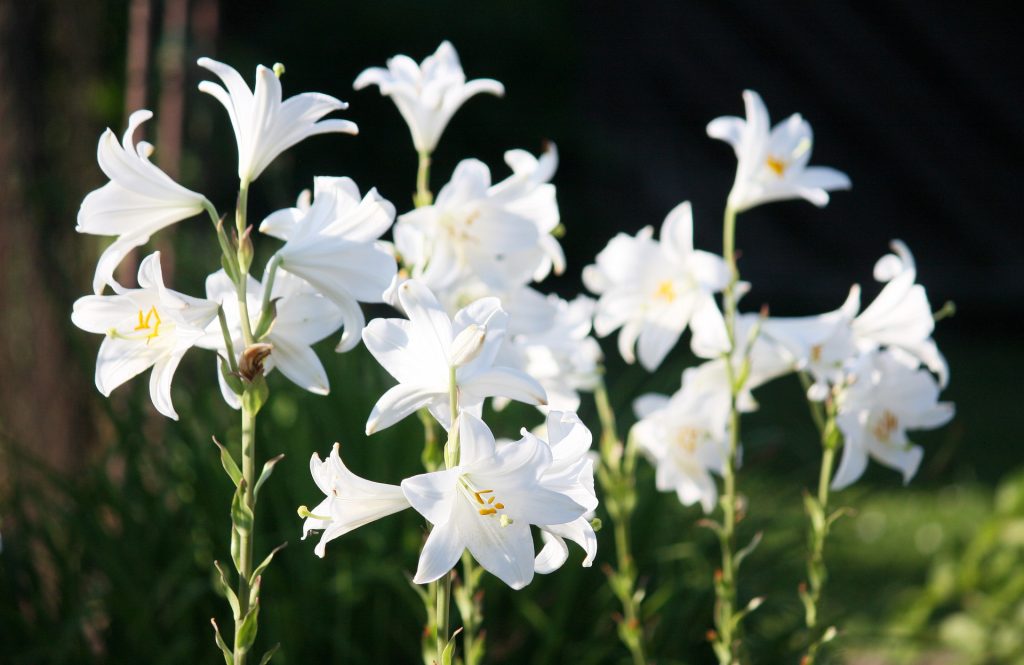
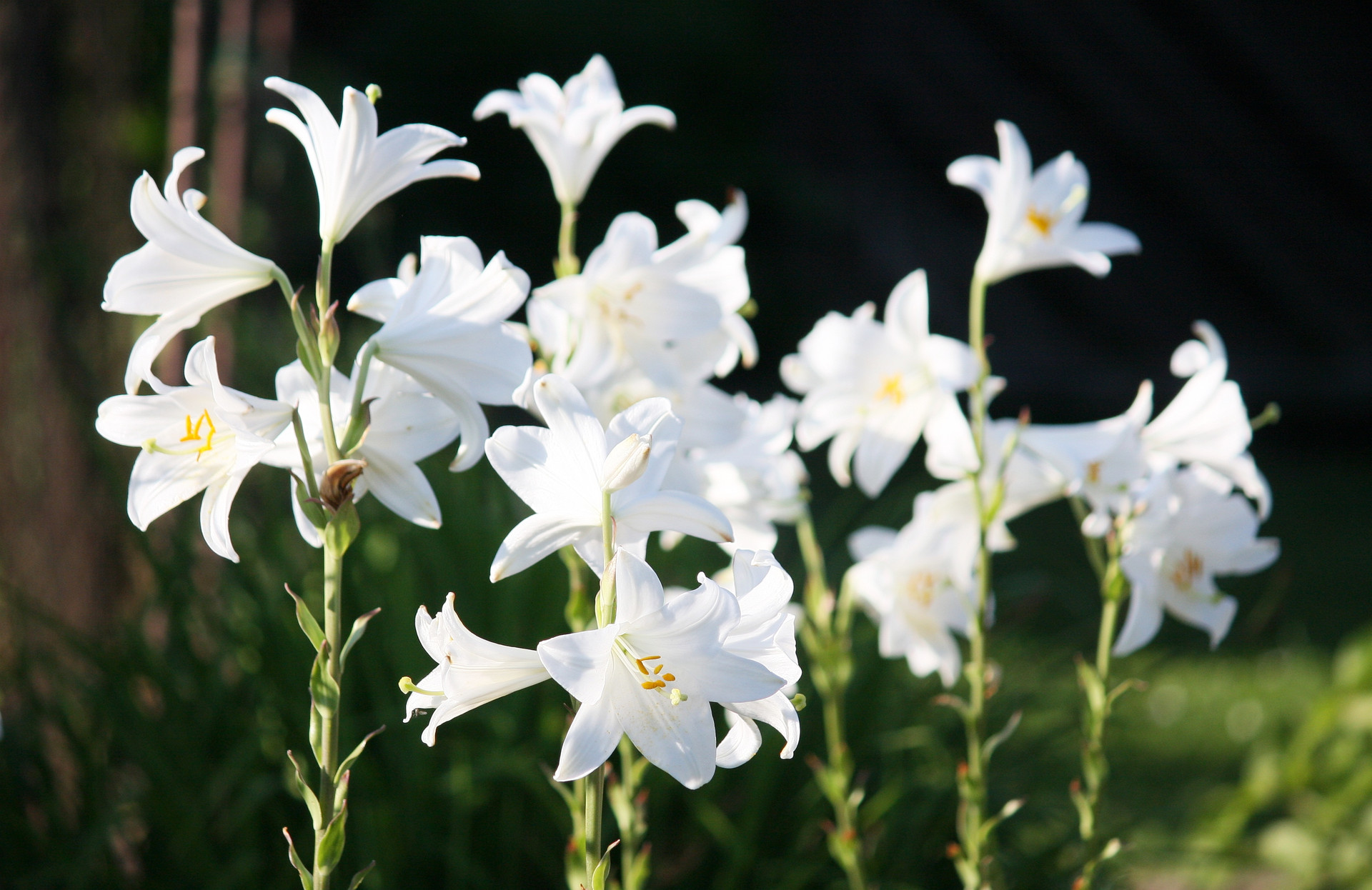
- White lilies, white roses, carnations, chrysanthemums and orchids are traditional in many Western Christian services, but Emily Post says virtually any flower is suitable if it reflects the person who died.
- Delivery should arrive in time for the visitation or funeral if the flowers are meant to be there. Close friends sometimes also send flowers to the home in the weeks that follow.
Customs still vary. An Orthodox family may favor white flowers. A local parish may have its own rules. If you are unsure, a call to the funeral home is enough.
Jewish funerals and shiva
Flowers are not part of traditional Jewish mourning, and you should generally not send them. The Rabbinical Assembly, in its guide to Jewish funeral practice, says Jewish funerals avoid ostentation, and that “flowers and music are inappropriate.” It encourages friends and associates who want to express condolences to contribute to a tzedakah fund that mattered to the person who died or to the family.
Shiva.com gives the same practical advice: as a general rule, do not send flowers or wreaths to a Jewish funeral or to a shiva home. Food that the family can eat without cooking, a charitable donation, or a shiva visit is the more appropriate gesture.
Jewish funerals are typically held as soon as possible after death, often within a day, and are followed by shiva, the first seven days of mourning at home. The house of mourning is meant to be simple. A vase of cut flowers does not fit that tradition.
If a notice asks for donations to a named organization, follow that request. If you are close to the family and truly unsure, ask a friend or the funeral home rather than sending flowers “just in case.”
Muslim funerals
Islamic funerals are typically simple and held soon after death. Flowers and wreaths are not a traditional part of the rites, and many Muslim communities prefer a different kindness: a prayer (du’a) for the person who died, food for the family, help with practical tasks, or charity (sadaqah) given in the person’s name.
Gardens of Peace, a Muslim cemetery charity in the United Kingdom, does not encourage placing flowers on graves, in part because wilted flowers have to be removed. It suggests sponsoring a tree or making a donation instead, which can be a source of ongoing charity for the deceased. The cemetery notes that some visitors still wish to leave flowers, but it does not allow plastic ones.
Practices are not identical everywhere. Some families will accept flowers from well-meaning colleagues; others would rather you did not send them. If you do not know the family well, a donation or a meal is the safer choice. If you are close enough to ask, ask.
Hindu funerals
Flowers do play a part in many Hindu funeral rites, but they are often part of the ceremony itself rather than a Western-style sympathy arrangement sent to the family’s door. In the holy city of Varanasi, The New York Times has described how the bodies of the dead are draped in garlands of marigolds before cremation on the banks of the Ganges. The same report notes that marigolds, which are associated with purity, strength and new beginnings in Hindu teaching, appear in rituals of many kinds, from festivals to weddings.
Those ritual garlands and loose petals are usually arranged by the family with a priest. As a guest, you should not assume you should bring a large standing spray or place flowers on the body or bier unless you are invited to do so. If you want to send something, ask the family or the priest what would help. A simple garland, loose flowers for the rites, or a quiet message of condolence may be more welcome than a Western funeral wreath. Customs vary widely by region, community and whether the family is in India or in the diaspora, so asking is not an extra courtesy. It is the main one.
Buddhist funerals, and Chinese and Japanese customs
Buddhist funeral practice is not one single custom. It varies by school and by country, from Japanese and Chinese Mahayana rites to Theravada and Tibetan traditions. In many East Asian Buddhist and Chinese settings, white flowers are the traditional color of mourning, and white or yellow chrysanthemums are a common choice.
Official guidance from Shanghai municipal authorities is clear about everyday gifts, which helps explain the funeral custom: chrysanthemums are used to commemorate deceased family members, especially on Tomb Sweeping Day, and “Chinese people would never give [a chrysanthemum] to someone as a present.” The same guide says white is the color of mourning in China, so white flowers should not be given as an ordinary gift, especially on a birthday. The Cultural Atlas likewise lists yellow or white flowers among taboo gifts in Chinese etiquette, and notes that flowers offered as everyday presents should exclude white ones. The number four is also avoided in gifts, because it sounds like the word for death.
In Japan, the Cultural Atlas advises against giving lilies, lotus flowers, camellias or any white flower, because those blooms are usually associated with funerals. That makes them a thoughtful choice for sympathy in a Japanese context, and a poor choice for a birthday, wedding or congratulations bouquet. See also our white flowers meaning and lotus flower meaning guides.
If you are attending a Buddhist wake or Chinese funeral and flowers are welcome, keep the arrangement simple and predominantly white or pale. Avoid bright red, which is widely associated with celebration in Chinese culture. Place flowers where the family or funeral staff indicate, rather than handing a large bouquet to a mourner. When you are unsure, ask.
A quick comparison
- Christian and Catholic: Flowers are generally welcome at the funeral home, church (if allowed) or family home. Immediate family usually handles casket flowers.
- Jewish: Do not send flowers to the funeral or the shiva home. A tzedakah donation or food is the traditional gesture.
- Muslim: Flowers are not a traditional part of the funeral. Charity, food or practical help is usually more appropriate; ask if you are unsure.
- Hindu: Flowers often belong to the rites, especially marigold garlands. Ask before sending a Western sympathy arrangement.
- Buddhist, Chinese and Japanese: White flowers, and often white or yellow chrysanthemums, are the traditional mourning choice. Avoid red, and do not give those same flowers as a festive gift.
Keep exploring
See sympathy and funeral flowers for arrangement types, timing and budget, and what to write on funeral flowers for card wording. For color and meaning, read our guides to lilies, chrysanthemums, white flowers and what flowers to send.
Frequently asked questions
Check the obituary or ask the funeral director first. If the faith is Jewish or Muslim, or the notice asks for donations instead, skip flowers. When you still cannot find out, a donation or a short condolence message is safer than a large arrangement.
Generally no. The Rabbinical Assembly says flowers are inappropriate at a Jewish funeral, and Shiva.com advises against sending them to the funeral or the shiva home. A charitable donation or food is the traditional gesture.
White flowers, and often white or yellow chrysanthemums, are the traditional choice. Avoid red, and keep the arrangement simple. In Japan, lilies, lotus flowers, camellias and white flowers are associated with funerals.
Flowers are not a traditional part of Islamic funeral rites. Many families would rather receive a donation, food or practical help. Ask if you are close to the family; otherwise, choose charity in the person’s name.
The Emily Post Institute says casket arrangements are usually provided by the immediate family. Friends typically send a spray, wreath, basket or plant instead.
Sources
- Emily Post Institute: Sympathy flowers
- Emily Post Institute: Donations in lieu of flowers
- The Rabbinical Assembly: Guide to Jewish Funeral Practice
- Shiva.com: Flowers and the Jewish mourning tradition
- Gardens of Peace: Cemetery FAQs
- The New York Times: How Marigolds Became Central to Hindu Rituals in India
- Shanghai Municipal People’s Government: Learning guide to China’s flower culture
- Cultural Atlas: Chinese etiquette
- Cultural Atlas: Japanese etiquette
- FDA: Lovely lilies and curious cats