

Tulip Meaning: What Tulips Symbolize, by Color
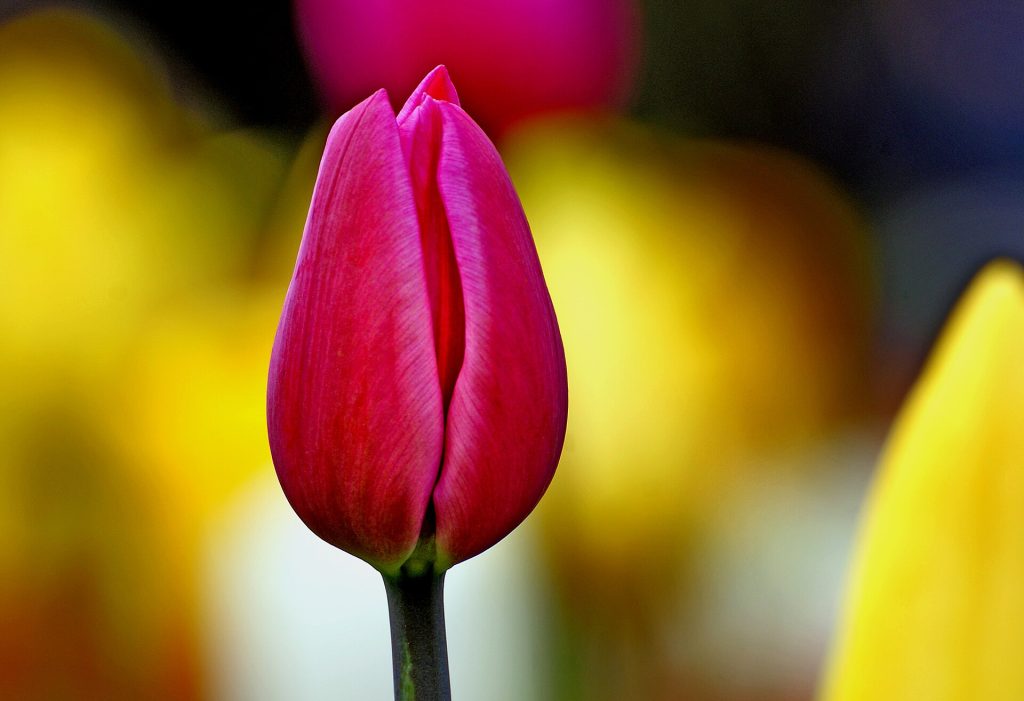
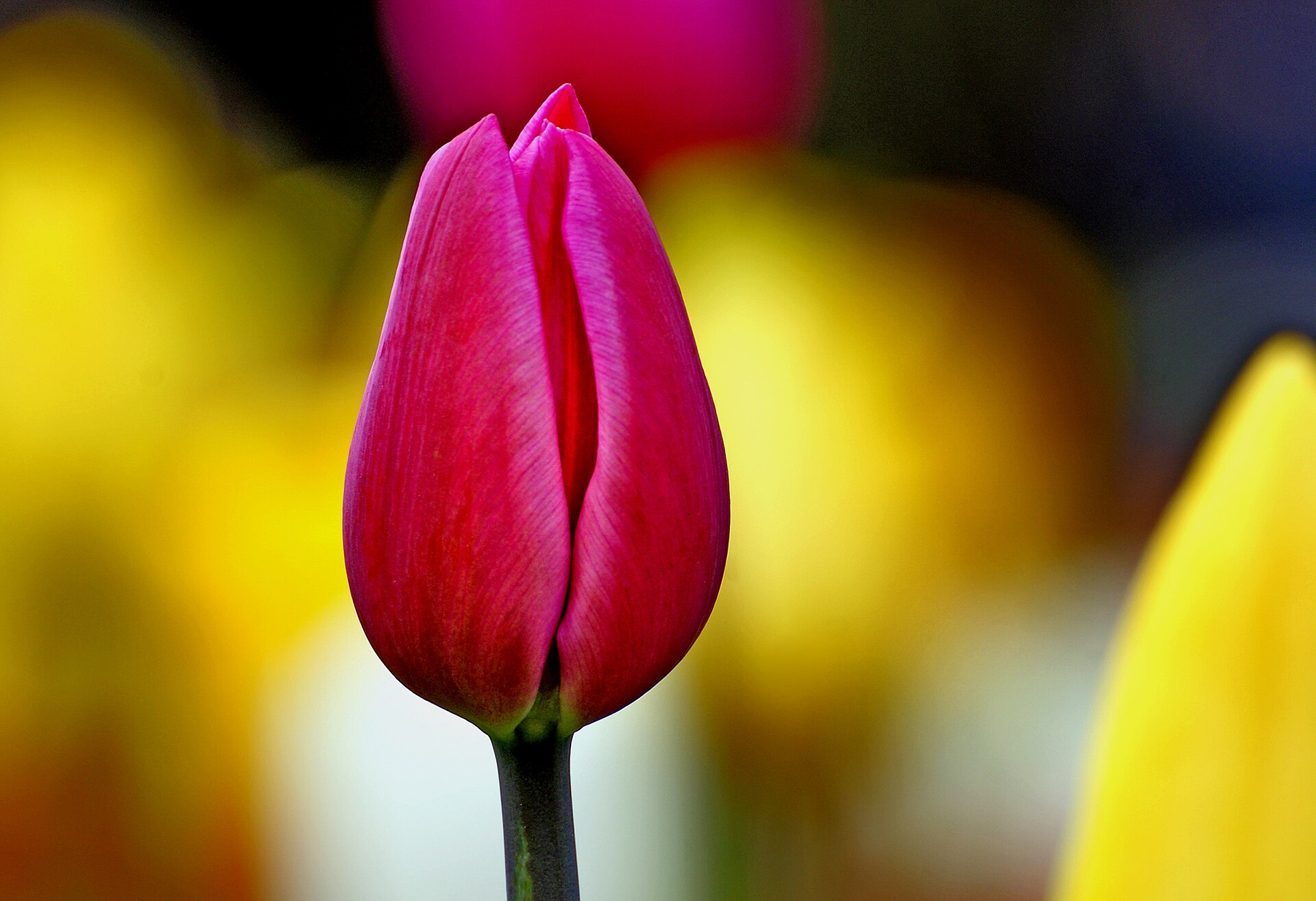

Tulips are the flower most people connect with spring. They are simple, elegant and come in almost every color, and they carry gentler meanings than roses, which makes them easy to give to friends and family as well as partners. They also have one of the most famous stories in the history of flowers.
This guide covers what tulips mean, what each color says, the best occasions for tulips, when they are in season, how to look after them in a vase and why they need care around pets. It is part of our flower meanings guide.
Tulip meaning at a glance
- Overall meaning: perfect love, and the arrival of spring.
- Birth month: not on the traditional US or UK birth-flower lists, but a natural choice for spring birthdays.
- Best for: Mother’s Day, birthdays, new babies, apologies and get well wishes.
- Vase life: about 5 to 10 days.
- Pets: the ASPCA lists tulips as toxic to dogs, cats and horses.
What do tulips symbolize?
Interflora describes the tulip as a symbol of “perfect love” and of the start of spring. The Old Farmer’s Almanac lists the red tulip as a “declaration of love”, so a bunch of red tulips says much the same as red roses, in a softer way.
Tulip symbolism has changed a great deal over time. Interflora notes that the Victorians saw the tulip as a symbol of charity, that in the Ottoman Empire it had deep cultural and religious meaning, and that the strongly romantic meaning is relatively recent.
Tulips belong to the genus Tulipa in the lily family, Liliaceae. Interflora counts more than 150 species and over 3,000 varieties. Although we think of them as Dutch, tulips are native to Central Asia and the region around Turkey and Persia, and the tulip is the national flower of Turkey.
Tulip mania
In the 1630s, tulips became the center of one of history’s best-known speculative bubbles. The Library of Congress explains that tulip prices in the Dutch Republic rose dramatically, peaking between 1633 and 1637, before the market collapsed in February 1637. “Tulip mania” is still used as shorthand for a market bubble.
Tulip color meanings
These meanings come from Interflora and The Old Farmer’s Almanac. As with all flowers, meanings vary between sources and have shifted over time.
- Red: love and passion, a “declaration of love” in the Victorian language of flowers.
- Pink: a gentler kind of love and affection, suitable for family and friends.
- Yellow: once unrequited love, now joy and cheerful thoughts. The Almanac gives yellow tulips the lovely meaning “sunshine in your smile”.
- White: worthiness and forgiveness, which makes white tulips a thoughtful apology flower.
- Purple: royalty and prosperity.
Birth month and best occasions
The tulip is not a traditional birth flower on the lists from The Old Farmer’s Almanac or Interflora, which give daisy and sweet pea for April, for example. Even so, tulips are an easy choice for anyone with a spring birthday, and you can see the official flowers in our birth flowers by month guide.
Tulips suit many occasions:
- Mother’s Day: pink or mixed tulips, in season for the UK’s Mothering Sunday and often for the US date too.
- Birthdays: yellow, pink or mixed colors.
- New babies: soft pink, white or pastel tulips.
- Apologies: white tulips, for forgiveness.
- Get well soon: yellow tulips for cheer.
- Valentine’s Day: red tulips, as an alternative to roses.
Season and availability
Tulips are spring flowers. In the garden they flower from early to late spring depending on the variety, and cut tulips are most plentiful and best value from late winter to spring. Outside that window they are harder to find, and you may have more choice with other flowers.
How to care for cut tulips
Interflora gives tulips a vase life of 5 to 10 days. The Kansas State University vase-life table, shared by the University of California, places them in the 2 to 7 day group, so fresh flowers and good care make a real difference. Interflora’s tips:
- Remove any leaves that would sit below the waterline.
- Cut 2 to 3 cm from the stems, ideally under water, and move them straight to the vase.
- Tulips are thirsty, so top up the water daily.
- Recut the stems and change the water completely every two days.
- Keep the vase somewhere cool, out of direct heat.
Don’t be surprised if your tulips change shape. Interflora notes that tulips keep growing after they are cut and bend toward the light. Turning the vase, or standing it somewhere lit evenly, helps them stay straighter. For more tips, read our guide to keeping flowers fresh longer. To straighten drooping stems, read tulips in a vase.
Are tulips safe for cats and dogs?
No. The ASPCA lists tulips as toxic to dogs, cats and horses. They contain tulipalin A and B, and can cause vomiting, depression, diarrhea and drooling. The highest concentration of the toxin is in the bulb, so take extra care with potted tulips and with dogs that dig. If you are sending flowers to a pet owner, the ASPCA lists roses, sunflowers, gerberas and Phalaenopsis orchids as non-toxic alternatives.
If you think your pet has eaten part of a tulip, contact your vet or the ASPCA Animal Poison Control Center on (888) 426-4435 (a fee may apply).
Keep exploring
See all flower meanings, compare with rose meanings, read the secret meaning of flowers, or plan a spring trip with our 2027 flower shows and tulip festivals calendar. See also flowers that mean love and flowers for a first date.
Frequently asked questions
Tulips symbolize perfect love and the arrival of spring. Red tulips are a declaration of love, while other colors carry gentler meanings, such as cheer for yellow and forgiveness for white.
White tulips stand for worthiness and forgiveness, which is why they are a popular choice for saying sorry.
Yellow tulips once meant unrequited love, but today they stand for joy and cheerful thoughts. The Old Farmer’s Almanac gives them the meaning “sunshine in your smile”.
Tulips keep growing after they are cut and bend toward the light. Turning the vase regularly helps keep them straighter.
Yes. The ASPCA lists tulips as toxic to dogs, cats and horses, and the bulb contains the highest concentration of toxin.