

Flowers for a First Date: What to Bring (and What to Skip)
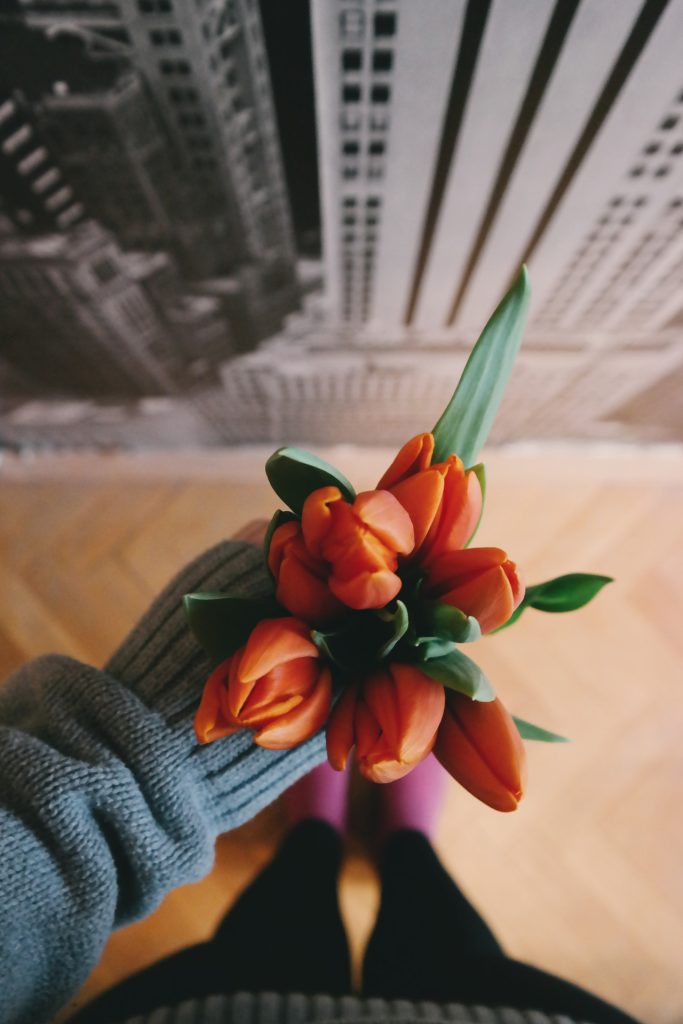
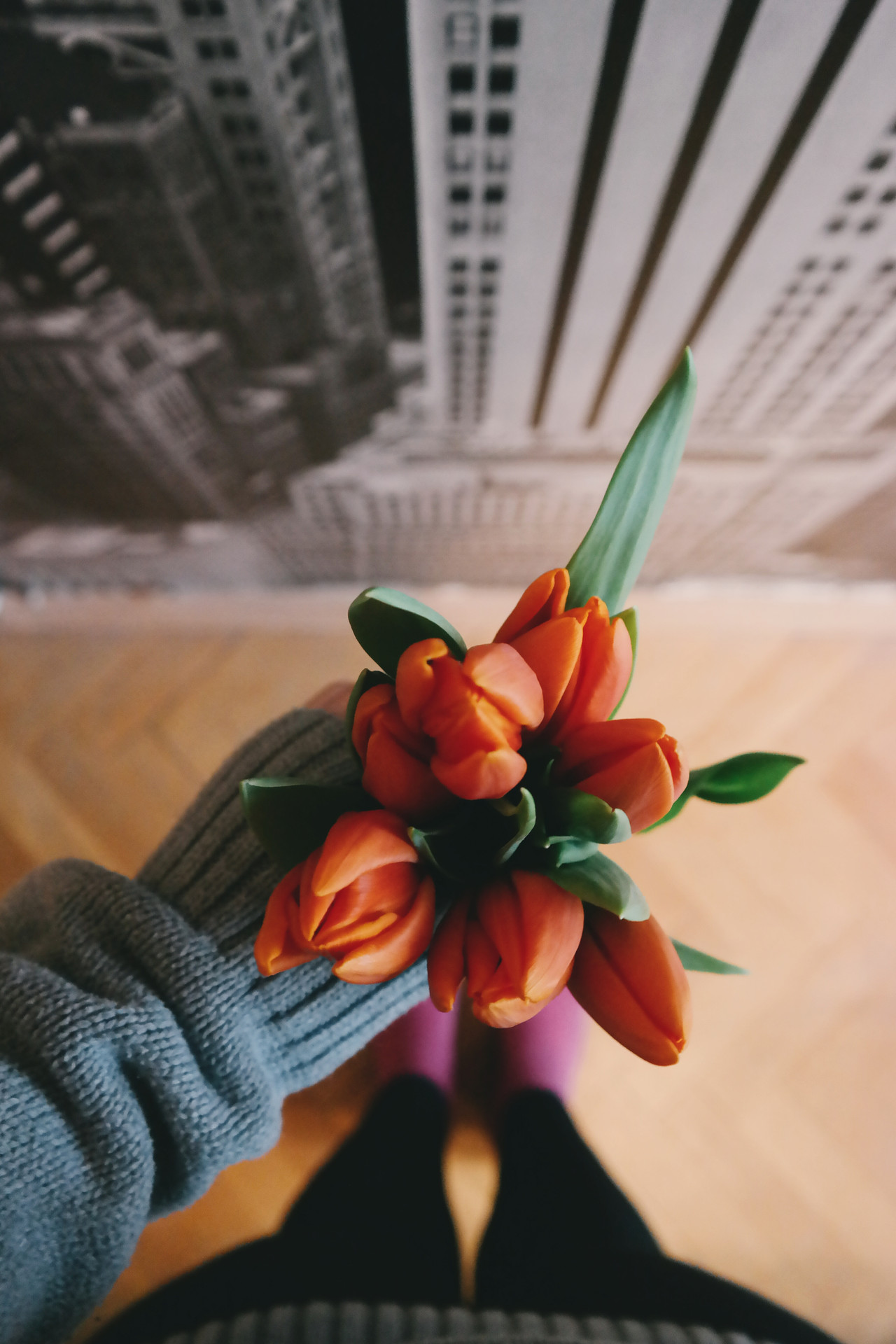

A small bunch of flowers can make a first date feel considered. A large, formal bouquet can make it feel like more than either of you has agreed to. The aim is a gesture that is easy to accept, easy to carry, and easy to enjoy after you say goodbye.
This is not a rulebook. Some people love walking into a first date with flowers; others would rather you didn’t. If you already know they are uncomfortable with gifts, skip them. If you do bring flowers, keep them modest, and have a simple plan for what happens to them during the evening.
If you are choosing flowers later in a relationship, see flowers that mean love and our Valentine’s Day flowers guide. This page is about a first meeting, when a light touch usually works best.
First-date flowers at a glance
- A small hand-tied bunch or a few stems in paper is enough. Think something they can hold in one hand.
- Skip a dozen red roses. In the language of flowers, a red rose means “I love you,” according to The Old Farmer’s Almanac, which is a strong message for a first date.
- Good choices include tulips, gerberas, ranunculus, mixed seasonal blooms, or a few stems of something you already know they like.
- Avoid anything very fragrant, very large, or hard to get home on foot or by transit.
- A short, unfussy card is better than a long note.
Why a small bouquet works better
On a first date, flowers have to travel. They may sit on a restaurant table, wait through a walk, or go home on a bus. A compact bouquet in simple paper is easier to manage than a vase arrangement or a tall, formal spray. It also looks like a thoughtful extra, not a grand presentation.
If you are meeting at a restaurant or cafe, consider bringing the flowers at the start and offering to have them put aside, or meeting first and giving them at the end, so nobody has to hold a dripping bunch through dinner. If you are going to their home, a small wrapped bunch they can put in water right away is simplest.
What to bring
There is no official “first date flower,” and that is useful. You can choose something cheerful and seasonal without leaning on a heavy romantic script.
Tulips are one of the best first-date choices. They look fresh and optimistic, come in many colors, and a small handful is already a complete gift. A red tulip is, in the Almanac’s list, a “declaration of love,” so for a first meeting you may prefer pink, orange, yellow or a mixed bunch, which feels brighter and less formal.
Gerbera daisies are cheerful, colorful and informal. They photograph well and don’t usually read as a serious romantic statement.
Ranunculus have layered, almost rose-like blooms, but they feel less ceremonial than a dozen roses. They are a pretty choice in spring.
A mixed seasonal bunch, or a few stems of whatever looks best at the florist that day, is often the most natural option. If you already know a favorite color or flower, start there. A first-date bouquet does not need a hidden Victorian code. It needs to look like you thought of the other person.
Other light, attractive choices, when in season, include freesias, alstroemeria and simple garden flowers such as daisies.
What to skip, and why
- A dozen red roses. They are the classic “I love you” bouquet, and they can feel premature. Save them for a time when the meaning matches the relationship. Our rose meaning guide explains the color and number messages in more detail.
- A large vase arrangement. It is awkward to carry and awkward to set down in a public place.
- Very strongly scented flowers, such as a big bunch of lilies or heavy gardenias, especially in a small restaurant or a car.
- Funeral or formal sympathy flowers. All-white formal arrangements, and flowers strongly tied to mourning in the other person’s culture, can send the wrong message. See white flowers meaning if you are unsure.
- Anything that creates a pet emergency. If they have a cat, never include true lilies. See flowers safe for cats and flowers safe for dogs. Tulips, daffodils, hyacinths and chrysanthemums are on the ASPCA’s toxic list, so if there are pets, roses, gerberas, sunflowers or a moth orchid are safer.
You also don’t have to bring flowers at all. A first date can be warm and memorable without a bouquet. If the plan is a hike, a concert or anything where flowers would be in the way, skip them and choose another time.
Colors that feel right
Soft pinks, peaches, corals, yellows and mixed spring colors usually feel friendly and open. Red can work in a small mixed bunch, but a solid wall of red roses is the one combination most likely to feel like too much, too soon. White is clean and simple in a small tulip or ranunculus bunch, but an all-white formal arrangement can look like a wedding or sympathy bouquet.
If you want a light romantic hint without the red-rose script, a few pink roses or pink tulips are a middle path: the Almanac associates pink roses with happiness and gentleness rather than “I love you.”
What to write on the card
Keep it short. You will be seeing them in person, so the card only needs a line:
- “Looking forward to this evening.”
- “For you. See you soon.”
- “A little something for our first date.”
- “Thought these might brighten the day.”
Avoid over-the-top declarations, jokes that could fall flat, and anything that assumes a second date. If you are giving the flowers in person, you may not need a card at all.
Practical details
Order or pick up the bouquet the same day, so it is fresh. Ask the florist for a small hand-tied bunch in paper, with the stems dry enough to carry. If the date might run long, a few hardy stems such as gerberas or alstroemeria travel better than very delicate blooms.
If the date is at their home and you know they have pets, choose a pet-safer bouquet and mention it lightly if it helps: “I asked the florist to leave out lilies.” That kind of care is more impressive than a bigger bunch.
Keep exploring
For later dates and anniversaries, see flowers that mean love, Valentine’s Day flowers and anniversary flowers. For color meanings, start with roses and tulips, or browse what flowers to send.
Frequently asked questions
It can be, if the bouquet is small and easy to carry, and if you know the other person is likely to welcome a gift. If flowers would be awkward for the plan, or if they have said they prefer not to receive gifts, skip them.
A small bunch of tulips, gerberas, ranunculus or mixed seasonal flowers is usually better than a formal rose bouquet. Choose something cheerful, lightly scented and easy to take home.
Usually no. A red rose traditionally means “I love you,” which can feel too much too soon. A few mixed stems, or pink or other colored tulips, feel more in proportion.
No. A first-date bouquet should be a small wrapped bunch the other person can put in water at home. A vase arrangement is hard to carry and hard to manage in a restaurant.
Skip true lilies entirely if there is a cat. Choose roses, gerberas, sunflowers or a moth orchid, which the ASPCA lists as non-toxic, and avoid leaving the bouquet where a pet can chew it.