

Orchid Meaning: What Orchids Symbolize, by Color
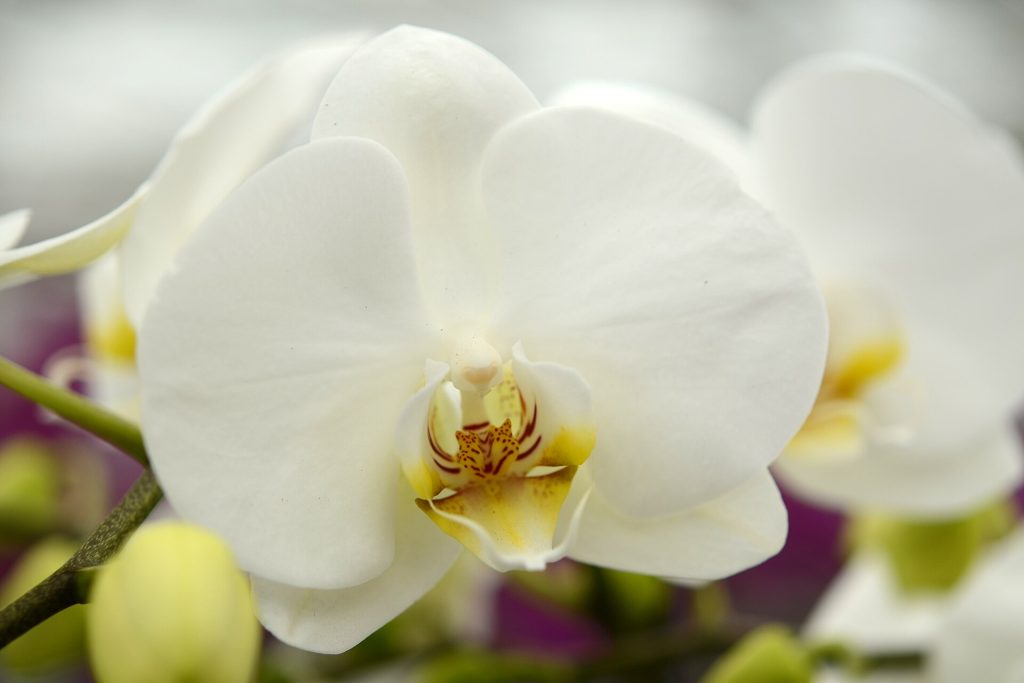
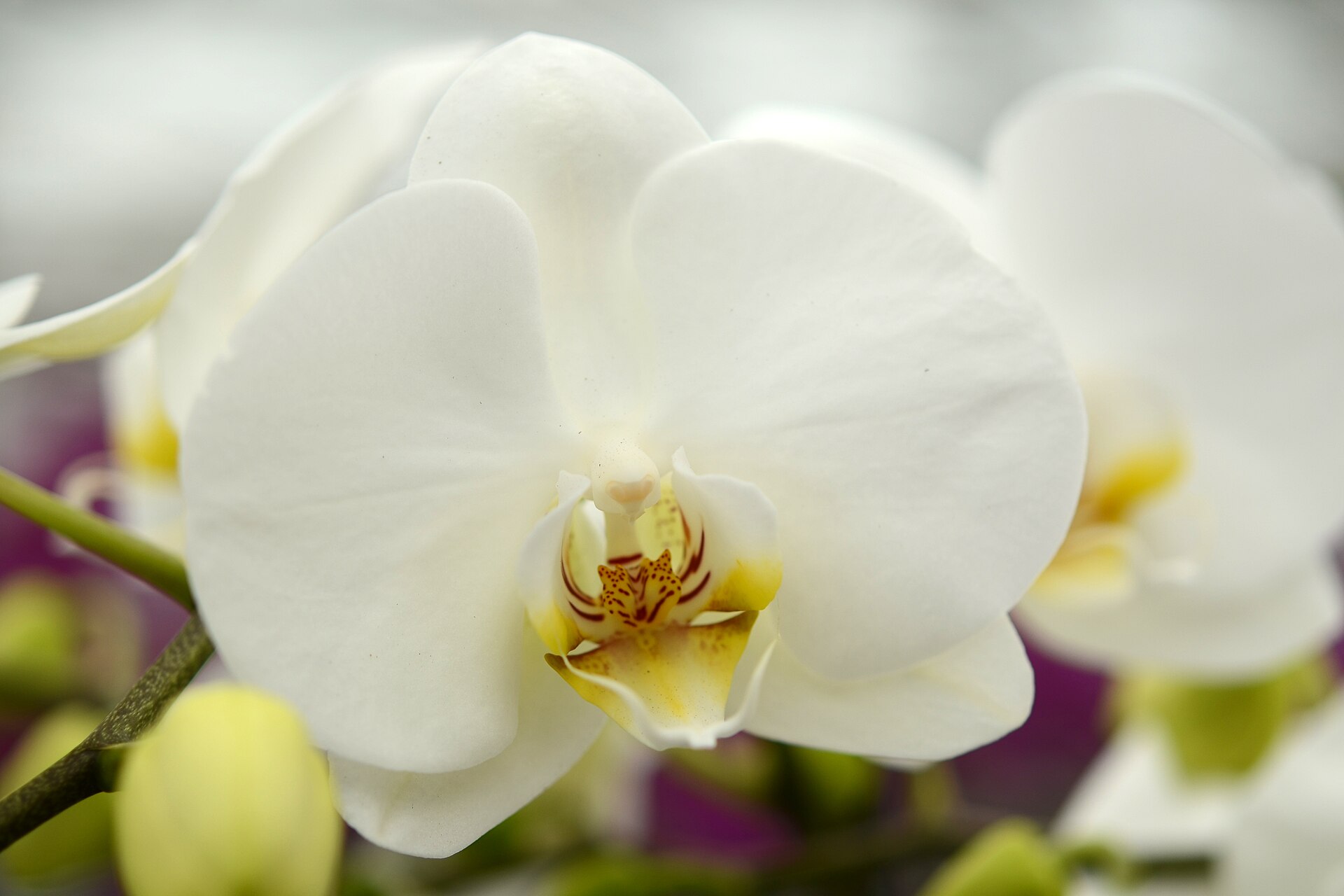

Orchids have a reputation for being exotic and difficult, but the orchids most people buy today are neither. The moth orchid, Phalaenopsis, is sold everywhere as a houseplant, flowers for weeks at a time and is one of the most practical flower gifts you can give. It also carries some of the most elegant meanings in the language of flowers.
This guide covers what orchids mean, color meanings, the best occasions for orchids, how orchid gifts differ from cut flowers, basic care and pet safety. It is part of our flower meanings guide.
Orchid meaning at a glance
- Overall meaning: refined beauty, luxury, strength and admiration.
- Birth month: not a traditional birth flower.
- Best for: anniversaries (including the 60th), thank yous, new homes, get well and sympathy.
- How long it lasts: a potted orchid’s flowers can last 6 to 12 weeks.
- Pets: the ASPCA lists the Phalaenopsis (moth) orchid as non-toxic to dogs, cats and horses.
What do orchids symbolize?
Interflora says orchids have historically symbolized refined beauty. In Victorian Britain, they were worn by people dressing to impress and were often pinned to gentlemen’s buttonholes. Across cultures, orchids have also stood for luxury, strength, elegance, admiration and enduring love. Interflora notes that in ancient Greece orchids were linked with fertility, and that in Chinese culture they symbolize integrity and sophistication.
A huge plant family
Britannica describes the orchid family, Orchidaceae, as one of the largest families of flowering plants, with nearly 900 genera and more than 26,000 species. Britannica also notes that the only commercially important orchid product is vanilla, extracted from the unripe fruits of Vanilla orchids.
The orchids sold as gifts are a tiny selection of this variety. The most popular, according to Interflora, is the Phalaenopsis, or moth orchid, named for petals that resemble moth wings. Others you may see include Cymbidium, which is also sold as a cut flower, and the vividly colored Vanda.
Orchid color meanings
Interflora gives these color meanings:
- White: innocence and new beginnings.
- Pink: grace and admiration.
- Red: passion and deep love.
- Yellow: friendship and joy.
- Purple: respect and admiration.
- Green: good health and longevity.
- Orange: pride and confidence.
White orchids are the most versatile. They suit modern homes, offices and sympathy gifts, and they carry no risk of mixed messages.
Birth month and best occasions
The orchid is not on the traditional birth-flower lists from The Old Farmer’s Almanac or Interflora. See our birth flowers by month guide for the official flowers.
Orchids work well for:
- Anniversaries: some anniversary lists give the orchid as the flower for the 60th year.
- Get well soon: a potted orchid lasts much longer than a bouquet, but check whether the hospital allows plants first.
- Sympathy: a white orchid is a calm, lasting gift for a family home in the weeks after a funeral.
- Mother’s Day and birthdays, especially for someone who prefers plants to cut flowers.
- Thank yous, new homes and office gifts.
- Apologies: a potted white or soft pink orchid can signal that you want the relationship to last, not just the bouquet.
Season and availability
Potted Phalaenopsis orchids are grown in greenhouses and are available all year. Cut orchids, such as Cymbidium and Phalaenopsis stems, are also available from florists year round, though choice and price vary.
How to care for an orchid
Interflora says orchid blooms can last 6 to 12 weeks, and that the plant itself can live for many years. Orchids aren’t like typical houseplants. They usually grow in bark rather than soil, and their roots need air. Interflora’s basic care for a moth orchid:
- Give it bright, indirect light, out of hot direct sun.
- Let the bark dry slightly between waterings. Overwatering is the most common problem.
- Feed it monthly while it is growing.
- Keep it away from cold drafts.
Interflora notes that orchids are often sold in clear pots because the roots can photosynthesize, and a clear pot makes it easy to check the roots.
Cut orchids are treated like other cut flowers: recut the stems, use clean water and flower food, and keep them out of direct heat. For more tips, read our guide to keeping flowers fresh longer. For potted plants, our full guide on how to care for an orchid covers watering, light, repotting and reblooming.
Are orchids safe for cats and dogs?
The ASPCA lists the Phalaenopsis orchid, also called the moth orchid or moon orchid, as non-toxic to dogs, cats and horses. That makes a moth orchid one of the best flowering gifts for a home with pets. The ASPCA entry covers Phalaenopsis specifically, so for other orchids check the plant’s exact name. Remember too that orchid arrangements sometimes include other plants or decorative moss, and that any plant can upset a pet’s stomach if eaten in quantity.
Keep exploring
See all flower meanings, choose by occasion in what flowers to send, or browse 85 types of flowers. Moth orchids appear in our flowers safe for cats guide. Moth orchids are a pet-safer choice in our flowers safe for dogs and flowers safe for cats guides.
Frequently asked questions
Orchids symbolize refined beauty, luxury, strength, admiration and enduring love. In Chinese culture they are linked with integrity and sophistication.
White orchids stand for innocence and new beginnings. They are a versatile choice for new homes, thank yous and sympathy.
The flowers on a potted moth orchid can last 6 to 12 weeks, and the plant can flower again in later years with good care.
Yes. A white orchid is a calm, long-lasting gift for a family home, and it gives the family something that keeps flowering after the funeral.
The ASPCA lists the Phalaenopsis, or moth orchid, as non-toxic to dogs, cats and horses.