

Lavender Meaning: What Lavender Symbolizes
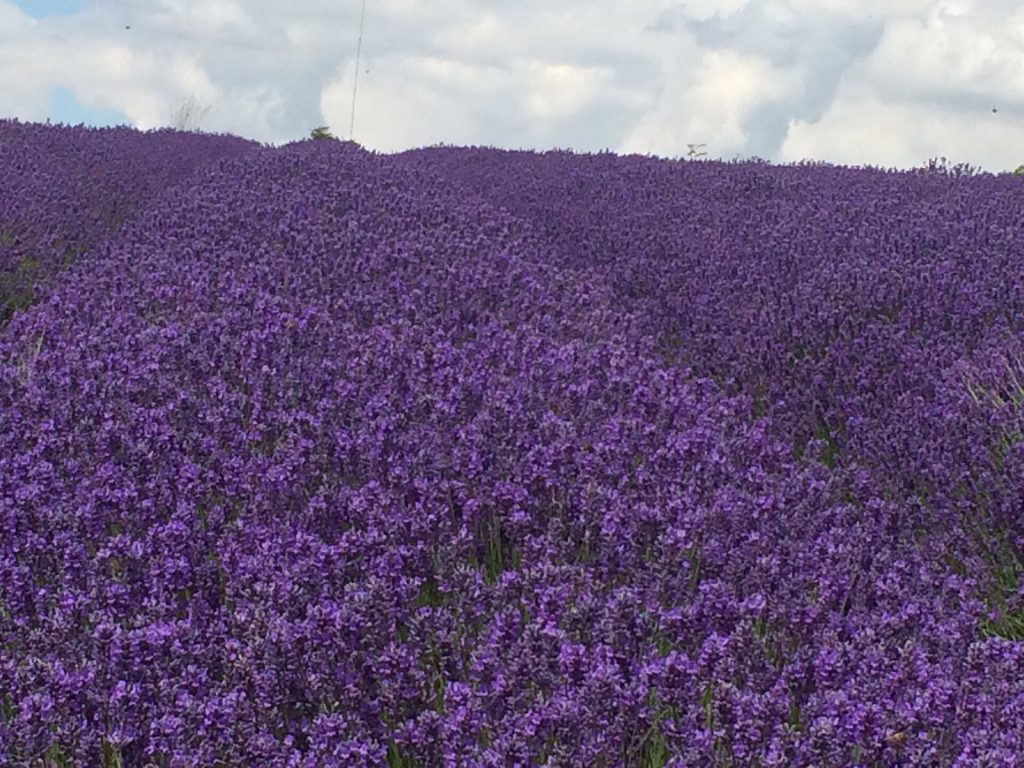
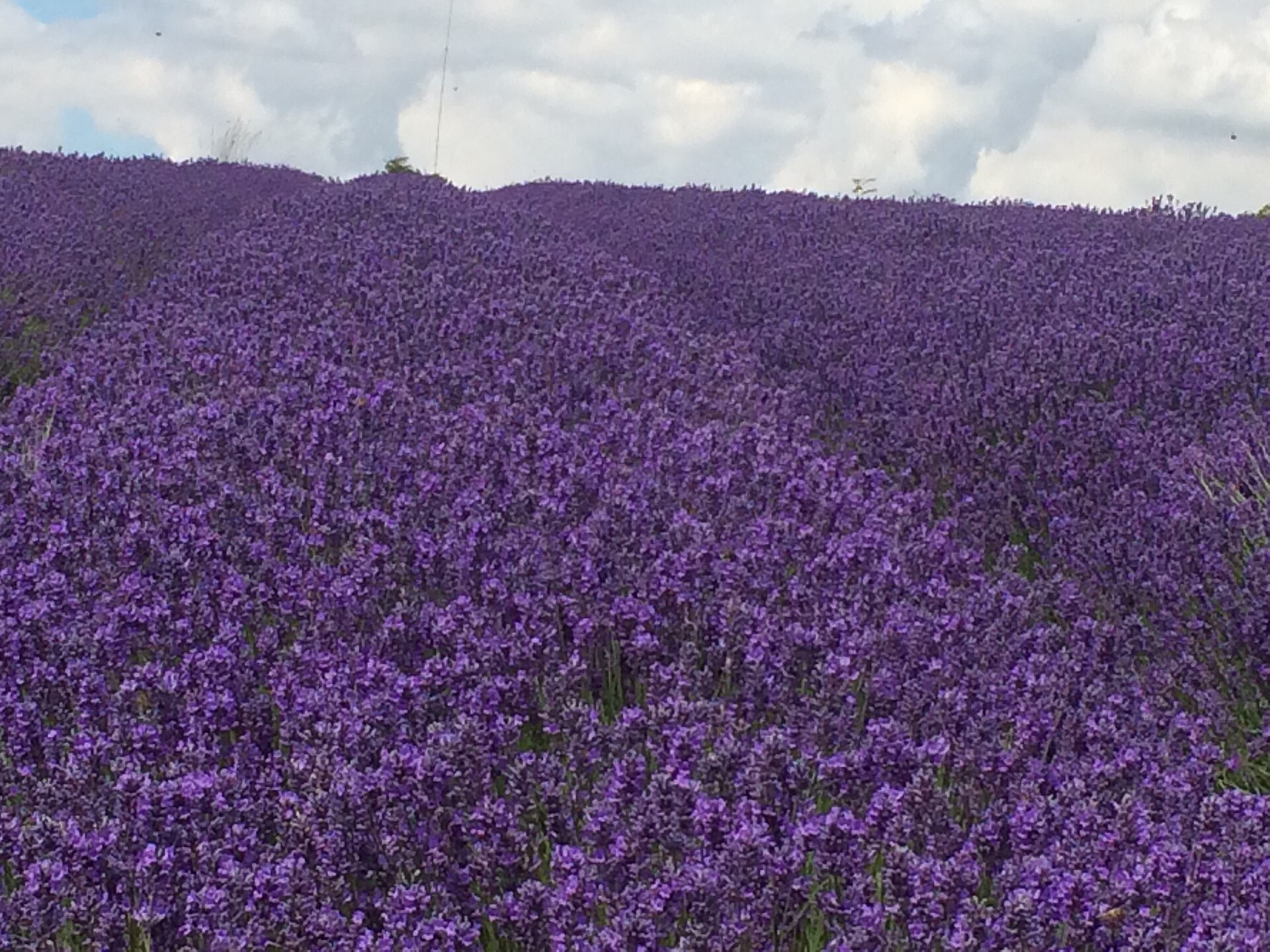

Lavender is a flower you notice with your nose before your eyes. Its slim purple spikes carry one of the best-known scents there is, and it has been used to scent homes, closets and baths since Roman times. Today it is mostly associated with calm and relaxation.
This guide covers what lavender means, its history, the main types, how to use it fresh or dried, and why it is not a good choice for homes with pets. It is part of our flower meanings guide.
Lavender meaning at a glance
- Overall meaning: calm and devotion today; distrust in the Victorian language of flowers.
- Birth month: none on the main US or UK birth flower lists.
- Best for: new parents, thank yous and anyone who needs to unwind.
- Vase life: a Kansas State University Extension table puts lavender in the 10 to 14 day group, and it dries well.
- Pets: toxic to cats and dogs, according to the ASPCA.
What does lavender symbolize?
Lavender has two very different meanings. Interflora describes it as a symbol of calm and devotion, and notes its calming qualities. But The Old Farmer’s Almanac’s chart of Victorian flower meanings gives lavender a surprising meaning: distrust. If you are sending a message the Victorian way, pair it with flowers that make your intention clear. Most people today will read it simply as a soothing, thoughtful gift.
Lavender in history
Britannica notes that the ancient Romans used lavender in their baths, and that the dried flowers have long been used in sachets to scent chests and closets. Lavender oil, distilled from the flowers, is used mainly in fine perfumes and cosmetics, and lavender water is a classic toiletry. The plant is also used to flavor drinks and sweets.
Lavender botany
According to Britannica, lavender is the genus Lavandula, about 30 species of small evergreen shrubs in the mint family (Lamiaceae), native to countries around the Mediterranean. The fragrance comes from oil glands among tiny hairs that cover the flowers, leaves and stems. The most widely grown species are:
- English lavender (Lavandula angustifolia), the classic lavender of fields and herb gardens.
- French lavender (L. stoechas).
- Woolly lavender (L. lanata).
Lavender color meanings
Lavender flowers are purple, and the color itself carries a meaning. Interflora’s blue flowers guide notes that lavender is technically more purple than blue, and lists blue-toned lavender as a symbol of calm and devotion. Interflora’s flower meanings guide links purple flowers in general with admiration, dignity and mystery. See purple flowers meaning for other purple blooms.
Birth month and best occasions
Lavender is not a birth flower on the US list from The Old Farmer’s Almanac or Interflora’s UK list, so it works well as an extra flower in any month. See our birth flowers guide for each month’s official flowers.
Lavender suits:
- New babies: Interflora suggests lavender for its calming qualities, as sprigs in an arrangement or dried in a bag so its scent drifts around the house. Only choose it for homes without pets.
- Thank-you gifts, especially as a dried bunch or sachet.
- Get well soon gifts for someone who needs rest, again only where there are no pets.
- Mixed bouquets with roses or other purple and blue flowers.
Fresh and dried lavender
Lavender works both fresh and dried. Britannica notes that the dried flowers have long been used in sachets to scent chests and closets, and Interflora suggests drying lavender and putting it in hessian bags so its scent drifts around the house.
How to care for cut lavender
A Kansas State University Extension vase-life table, shared by the University of California, puts lavender in its longest-lasting group, at 10 to 14 days. The same general rules apply as for other cut flowers:
- Trim the stems and strip off any leaves that would sit below the waterline.
- Use a clean vase with fresh water, and change it every few days.
For more tips, read our guide to keeping flowers fresh longer.
Is lavender safe for cats and dogs?
No. The ASPCA lists lavender (English lavender, Lavandula angustifolia) as toxic to dogs, cats and horses. It contains linalool and linalyl acetate, which can cause nausea, vomiting and loss of appetite. Keep fresh and dried lavender, and lavender products, out of reach of pets. If your pet eats lavender, contact your vet or the ASPCA Animal Poison Control Center on (888) 426-4435 (a fee may apply).
Keep exploring
See all flower meanings, or read about the lilac, another scented purple favorite, and the sweet pea.
Frequently asked questions
Today lavender symbolizes calm and devotion. In the Victorian language of flowers, recorded by The Old Farmer’s Almanac, it meant distrust.
No. Lavender is not a birth flower on the main US or UK lists, so it can be added to a bouquet for any month.
A Kansas State University Extension table puts lavender in the 10 to 14 day vase-life group, and it can be dried and kept much longer.
Britannica notes that dried lavender has long been used in sachets, the ancient Romans used it in their baths, and lavender oil is used in perfumes and cosmetics.
Yes. The ASPCA lists lavender as toxic to dogs, cats and horses. It can cause nausea, vomiting and loss of appetite.