

Marigold Meaning: What Marigolds Symbolize
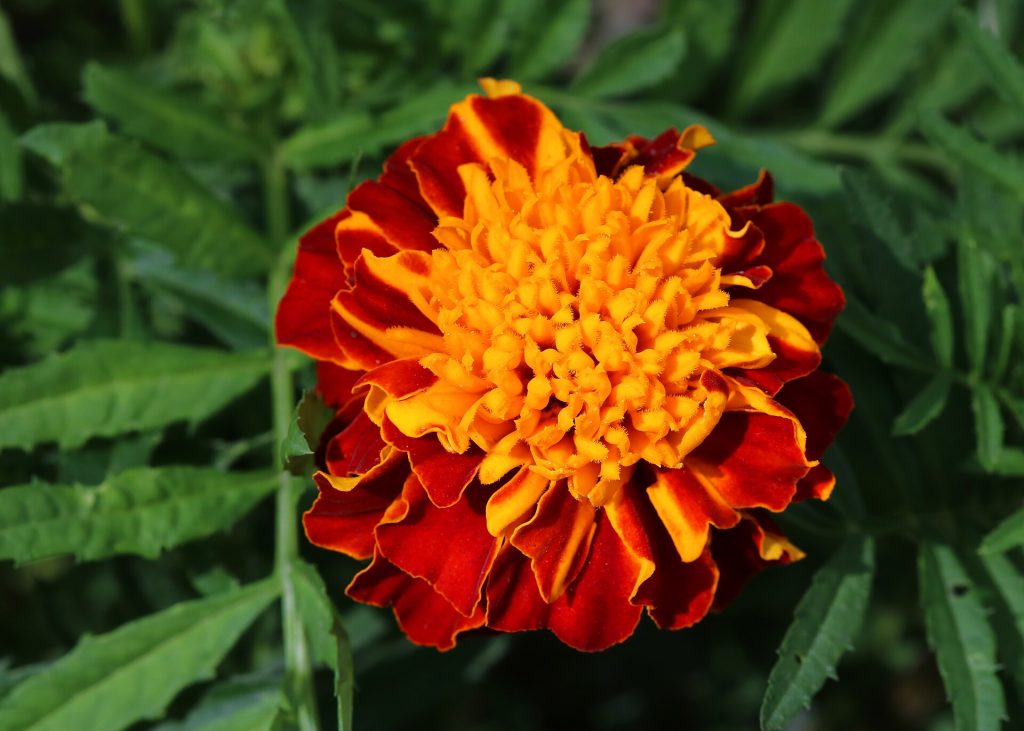
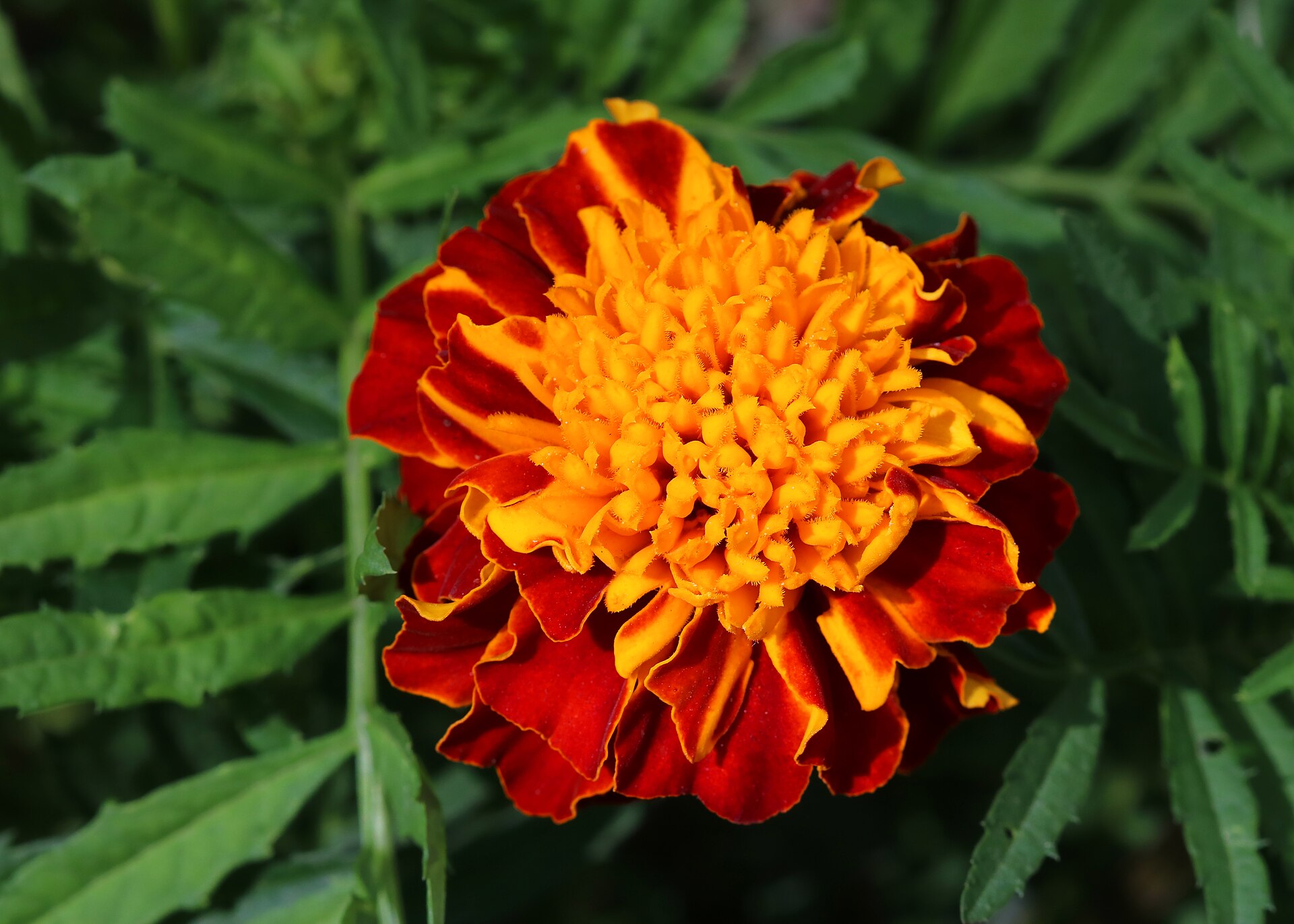

Marigolds are the color of sunshine: gold, orange and fiery red. They are cheerful, tough and long-lasting, and they flower well into autumn. Their meaning has two sides. Marigolds stand for warmth, joy and prosperity, and they are also one of the world’s best-known flowers of remembrance, at the heart of Mexico’s Day of the Dead.
This guide covers what marigolds mean, their history, the main types, the best occasions, care and pet safety. It is part of our flower meanings guide.
Marigold meaning at a glance
- Overall meaning: joy, warmth, remembrance, grief and prosperity.
- Birth month: October, on both the US and UK lists (see October birth flowers).
- Best for: October birthdays, autumn bouquets and remembrance.
- Vase life: seven to fourteen days, according to Interflora.
- Pets: the ASPCA lists pot marigold (Calendula) as non-toxic to dogs and cats; true marigolds (Tagetes) are not on its list.
What do marigolds symbolize?
The Old Farmer’s Almanac’s chart of Victorian flower meanings gives the marigold the meanings grief and jealousy. Its October birth flowers guide gives the primary meanings joy, warmth, remembrance, grief and prosperity, and says that in more recent times the flower has been linked with optimism and prosperity, cheer and joy, love and strong emotions, and wealth and success. Interflora says marigolds symbolize warmth, creativity, passion and resilience.
Where the name comes from
The Almanac explains that the name marigold is a shortening of “Mary’s gold”, said to have been named for the Virgin Mary.
Marigolds and the Day of the Dead
According to the Almanac, many cultures believed that the marigold’s bright orange and yellow colors, representing the rays of the sun, could help guide departed loved ones to the afterlife. That idea is central to the Day of the Dead, which originated in Mexico. Marigolds have been cultivated in Mexico for more than 2,000 years and are used to make floral arches, garlands and wreaths. They decorate graves and home altars, known as ofrendas, and their bright colors and scent are used to make a path from a home’s front door to the altar. Britannica notes that the Aztec, or Mexican, marigold (Tagetes erecta) is an important flower in Día de los Muertos observances in Mexico and other parts of Latin America.
Marigolds around the world
The Almanac and Interflora record other traditions:
- In Hinduism, marigolds are associated with the sun and used in weddings and festivals, as well as to decorate homes and temples.
- In Buddhism, marigolds are used in worship.
- In India, giving a marigold garland was a sign of friendship.
- The ancient Greeks and Romans used marigolds for medicine, to dye fabrics and to make cosmetics.
Which marigold? Tagetes and Calendula
Two different plants are sold as marigolds:
- True marigolds (Tagetes): Britannica describes a genus of about 50 species of annuals in the aster family (Asteraceae), native to southwestern North America, tropical America and South America. The Almanac lists three main types: French, African (also called American) and signet. African marigolds don’t come from Africa, and the Almanac says French marigolds were named for their popularity in French gardens. Britannica notes that most have strong-scented leaves.
- Pot marigold (Calendula): native to southern Europe, it is not a true marigold, according to the Almanac, though it is also sold as a marigold.
Marigold color meanings
The Almanac says marigolds come in yellow, orange, red, gold and two-toned combinations. Our sources don’t give separate meanings for each marigold color, but the Almanac links their orange and yellow colors with the rays of the sun. Interflora’s general color meanings can also guide you:
- Orange: enthusiasm, vibrancy and playfulness.
- Yellow: friendship, happiness and optimism.
- Red: passion, desire and love.
Birth month and best occasions
The marigold is October’s birth flower, alongside the cosmos, on both the US list from The Old Farmer’s Almanac and Interflora’s UK list. Interflora explains that marigolds are among the few hardy flowers that flourish well into autumn. Read more in our October birth flowers guide.
Marigolds suit:
- Birthdays in October.
- Autumn bouquets. Interflora suggests pairing them with contrasting purples and blues, or with sunflowers.
- Remembrance, especially in Mexican and Latin American traditions such as the Day of the Dead.
- Gifts for gardeners: the Almanac says marigolds are easy to grow, and their smell can help repel some pests.
Season and availability
The Almanac says marigolds bloom from early summer until the first frost.
How to care for cut marigolds
Interflora says marigolds have an impressive vase life of between seven and fourteen days. General cut-flower advice from the University of California Cooperative Extension helps them last:
- Use a sparkling clean vase.
- Cut the stems on a slant with sharp scissors and strip off any leaves that would sit below the water.
- Add a flower preservative to the water.
- Keep them away from heat and sunlight, and change the water regularly.
For more tips, read our guide to keeping flowers fresh longer.
Are marigolds safe for cats and dogs?
It depends on the type. The ASPCA lists pot marigold (Calendula officinalis) as non-toxic to dogs and cats. True marigolds (Tagetes), such as French and African marigolds, are not on the ASPCA’s toxic and non-toxic plants list. The ASPCA notes that its list is not complete, so an unlisted plant isn’t guaranteed to be safe, and that eating any plant material can cause stomach upset in pets. If your pet eats a plant and seems unwell, contact your vet or the ASPCA Animal Poison Control Center on (888) 426-4435 (a fee may apply).
Keep exploring
See all flower meanings, or read about the sunflower, another golden flower of warmth, and the chrysanthemum, an autumn flower with its own remembrance traditions. For marigold garlands at Hindu funerals, see funeral flowers by religion. For more orange blooms, see orange flowers meaning.
Frequently asked questions
Marigolds symbolize joy, warmth, remembrance, grief and prosperity. In the Victorian language of flowers, they meant grief and jealousy.
Their bright orange and yellow colors were believed to help guide departed loved ones. Marigolds decorate graves and home altars, and their petals and scent make a path to the altar.
Yes. The marigold is October’s birth flower, with the cosmos, on both the US and UK lists.
No. True marigolds are Tagetes, from the Americas, while the pot marigold is Calendula, from southern Europe. Both are sold as marigolds.
The ASPCA lists pot marigold as non-toxic to dogs and cats. Tagetes marigolds are not on its list, so keep them out of reach to be safe.
Sources
- The Old Farmer’s Almanac: Flower meanings
- The Old Farmer’s Almanac: October birth flowers
- Britannica: Marigold
- Interflora: October birth flowers
- Interflora: Flower meanings
- University of California Cooperative Extension: Tips for successful cut flower gardens and arrangements
- ASPCA: Pot marigold
- ASPCA: Toxic and non-toxic plants list