

Sunflower Meaning: What Sunflowers Symbolize
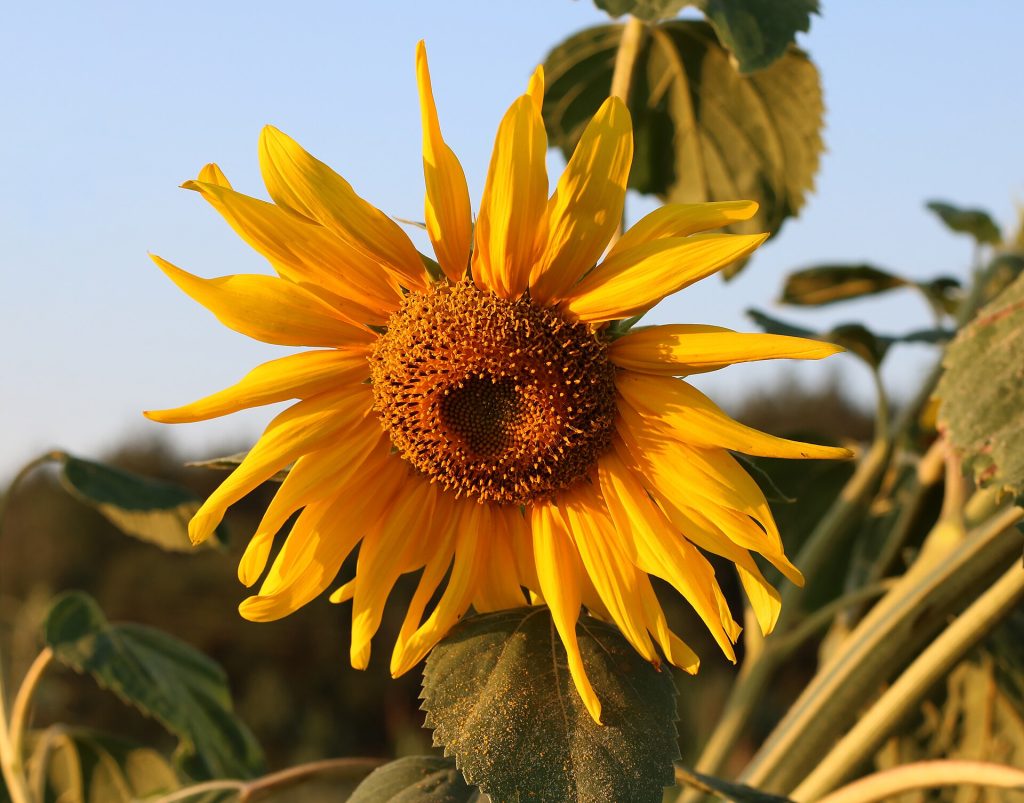
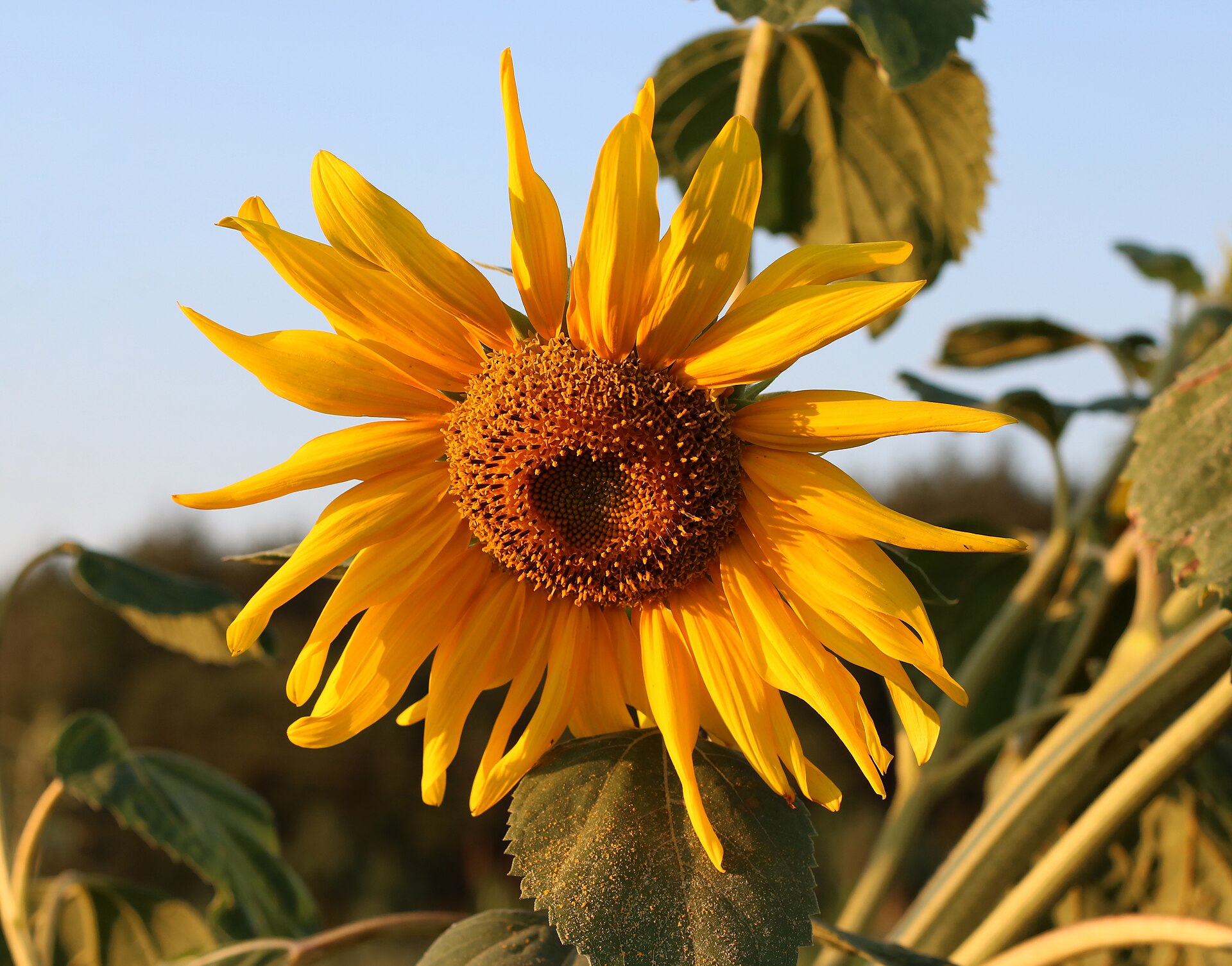

Few flowers are as instantly cheerful as the sunflower. Its big golden head and dark center are recognizable everywhere, and it carries some of the most positive meanings in the language of flowers. That makes it one of the easiest flowers to give, for birthdays, get well wishes, thank yous and friendship.
This guide covers what sunflowers mean, the meanings of different colors and sizes, the science behind their sun-following habit, the best occasions, care and pet safety. It is part of our flower meanings guide.
Sunflower meaning at a glance
- Overall meaning: happiness, loyalty, adoration, resilience and hope.
- Birth month: not a traditional birth flower, but a natural fit for late summer birthdays.
- Best for: birthdays, get well soon, thank you, friendship and congratulations.
- Vase life: about 7 to 12 days.
- Pets: the ASPCA lists the sunflower as non-toxic to dogs, cats and horses.
What do sunflowers symbolize?
Interflora says sunflowers symbolize happiness, loyalty, adoration, resilience and hope. Their habit of turning toward the light has made them a symbol of optimism and of looking on the bright side.
The Victorian language of flowers was more specific. The Old Farmer’s Almanac records that a dwarf sunflower meant adoration, while a tall sunflower meant haughtiness. It’s a reminder that older flower meanings were often playful, and that today most people read the sunflower simply as joy.
Where sunflowers come from
The common sunflower, Helianthus annuus, belongs to the daisy family, Asteraceae. What looks like a single flower is actually a head made up of many small flowers. Interflora notes that sunflowers are native to North America, where Indigenous peoples cultivated them for more than 3,000 years for food, dye and ceremonies. They reached Europe in the 16th century and became an important oil crop.
Do sunflowers really follow the sun?
Young ones do. Researchers at the University of California, Davis, found that growing sunflowers track the sun from east to west during the day and swing back to face east overnight, guided by an internal circadian clock. Once the plants mature and the flowers open, the heads stop moving and generally face east. The researchers found that east-facing flower heads warm up faster in the morning and receive about five times as many visits from pollinating insects as west-facing ones.
Sunflower color meanings
Most sunflowers are golden yellow, but florists also sell red, bronze, orange and pale varieties. Interflora gives these meanings:
- Yellow: joy, happiness and optimism, the classic sunflower message.
- Red or burgundy: strength, passion and courage.
- Orange: energy, warmth and enthusiasm, and friendship.
- White or pale: purity, peace and new beginnings.
Birth month and best occasions
The sunflower is not on the traditional birth-flower lists from The Old Farmer’s Almanac or Interflora. August’s birth flowers are the gladiolus and the poppy, but sunflowers are at their peak that month, which makes them a natural extra for late summer birthdays. See our birth flowers by month guide for the official list. Some anniversary lists give the sunflower as the flower for the 3rd year.
Sunflowers work well for:
- Birthdays: one of the most cheerful birthday flowers.
- Get well soon: hope and resilience, and they are non-toxic to pets.
- Anniversaries, especially the 3rd.
- Thank yous, congratulations, graduations and friendship.
For sympathy, sunflowers are less traditional than white flowers, but Interflora notes they can add a hopeful, uplifting note, especially if the person who died loved them.
Season and availability
Interflora says the UK sunflower season peaks from July to September, with August the height of the season, though some early varieties flower in late June. Florists import sunflowers so they can sell them all year, but they are at their best and most plentiful in late summer.
How to care for cut sunflowers
Interflora gives classic sunflowers a vase life of about 7 to 12 days. Its care tips:
- Trim the stems at a 45-degree angle when the flowers arrive.
- Remove any leaves that would sit below the waterline.
- Use a clean vase and plenty of water, because sunflowers are thirsty.
- Change the water every two days.
- Keep the vase away from direct sun, heat and fruit.
Large sunflower heads are heavy, so choose a sturdy vase with a wide base. If pollen is a concern, Interflora notes that double “teddy bear” sunflowers produce very little. For more tips, read our guide to keeping flowers fresh longer.
Are sunflowers safe for cats and dogs?
Yes. The ASPCA lists the sunflower as non-toxic to dogs, cats and horses (its entry is for a Helianthus species), which makes sunflowers a good choice for pet owners. Eating any plant can still upset a pet’s stomach, and sunflowers are often arranged with other flowers, so check the whole bouquet. Lilies, in particular, are highly toxic to cats.
Keep exploring
See all flower meanings, compare with the cheerful daisy, read about August’s birth flower, the gladiolus, or browse 85 types of flowers. For vase care, see sunflowers in a vase. The ASPCA lists sunflowers as non-toxic; see flowers safe for dogs and flowers safe for cats.
Frequently asked questions
Sunflowers symbolize happiness, loyalty, adoration, resilience and hope. They are one of the most positive flowers you can give.
Young, growing sunflowers do, tracking the sun from east to west and turning back overnight. Mature sunflowers stop moving and usually face east.
Yes. Their cheerful color and message of hope make them a popular get well flower, and the ASPCA lists them as non-toxic to pets.
With fresh water every couple of days and trimmed stems, cut sunflowers usually last about 7 to 12 days.
No. The ASPCA lists the sunflower as non-toxic to dogs, cats and horses.