

How to Care for a Poinsettia: Keep It Colorful and Make It Rebloom
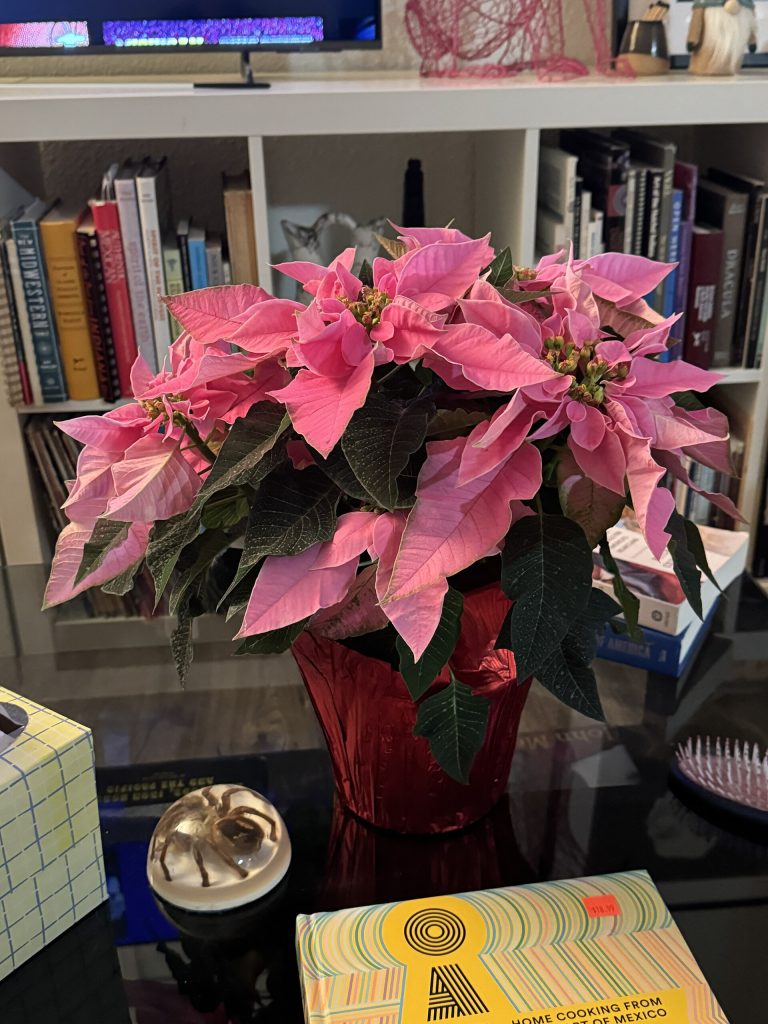
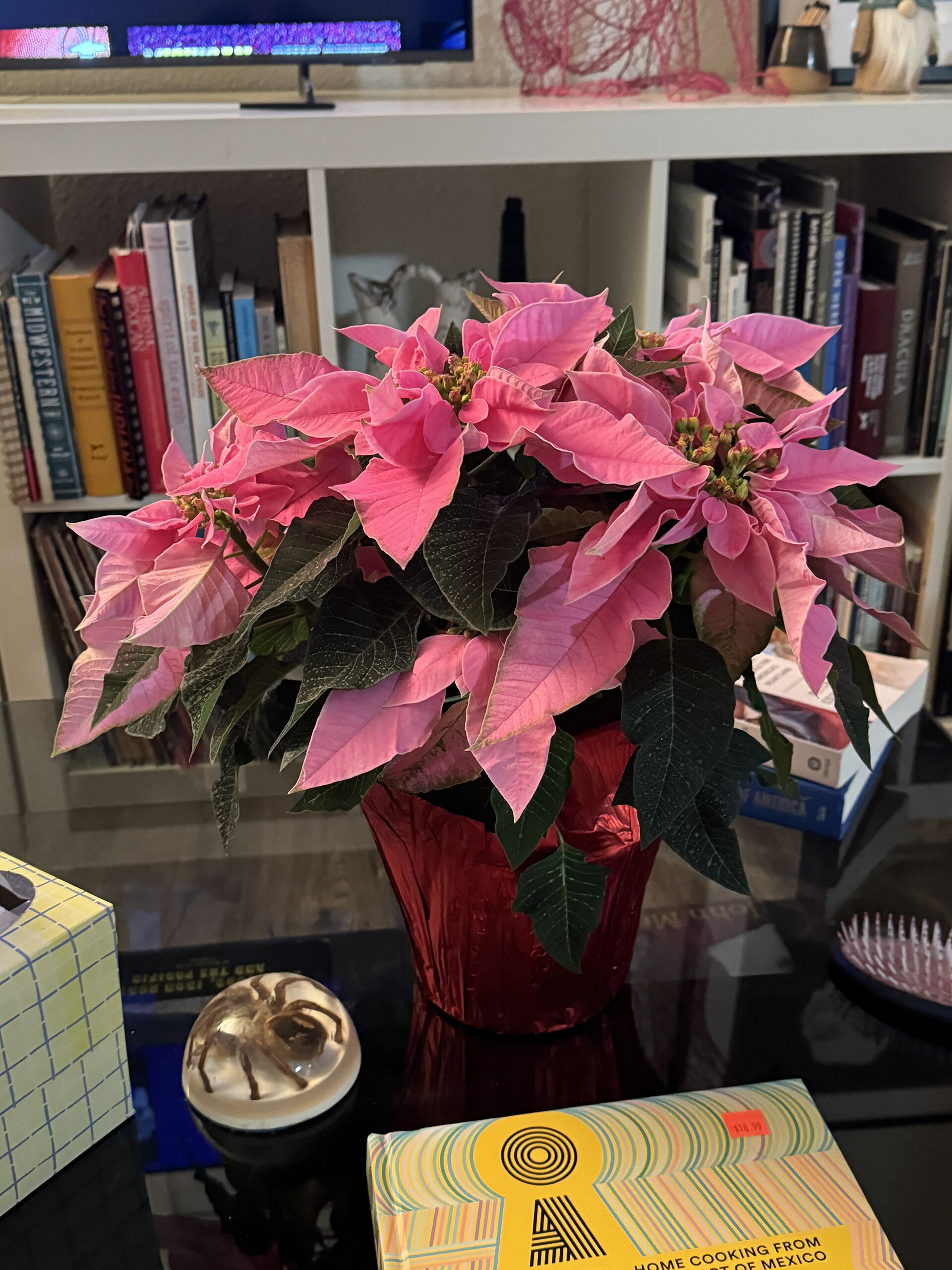

A poinsettia can stay colorful well past Christmas if it gets a few simple things right: bright light, steady warmth and careful watering. Mississippi State University Extension says that, properly cared for, poinsettias may last several months indoors. Most problems, like dropped leaves or a sudden wilt, come from cold drafts or too much water.
This guide covers how to choose a healthy plant, where to put it, how to water it, what to do when leaves fall and how to get it to bloom again next year. The advice comes from university extension services, listed at the end. It is part of our flower care guides. For the symbolism and history of the plant, see poinsettia meaning.
Poinsettia care at a glance
- Light: a bright spot with indirect light, out of hot direct sun.
- Temperature: about 60 to 70°F during the day and a little cooler at night. Keep it above 50°F and away from drafts.
- Water: only when the soil feels dry to the touch, then water thoroughly and let it drain.
- Foil wrap: remove it or poke holes in the bottom so water can drain.
- Fertilizer: not needed while the plant is in color.
- Pets: the ASPCA lists poinsettias as toxic to cats and dogs, though usually only mildly irritating.
How to choose a healthy poinsettia
Mississippi State University Extension suggests looking for:
- Brightly colored bracts, with the small yellow true flowers in the center (the cyathia) still unopened or only partly open.
- Dark green leaves covering the stems all the way down to the soil.
- No drooping, wilting, fading or torn leaves and bracts.
- No whiteflies, aphids or other pests on the undersides of the leaves.
- A plant that has not been kept in a plastic sleeve for days.
The colored “petals” are actually bracts, modified leaves. Plants with tight, fresh centers have more time ahead of them.
Getting it home
Poinsettias are sensitive to cold. Mississippi State University Extension says they can show signs of stress below 50°F, so on a cold day, keep the plant covered on the way to the car and go straight home. Don’t leave it in a cold car while you run other errands.
Where to put your poinsettia
University of Maryland Extension recommends a spot with bright natural light from a south, east or west window, but out of direct sunlight. Mississippi State University Extension adds that it can take direct sun, but it will need more water and the color will not last as long.
Keep it away from:
- Cold, drafty windows and doors. Don’t let the bracts touch cold windowpanes.
- Heat vents, radiators, fireplaces and space heaters.
Maryland Extension suggests daytime room temperatures of 60 to 70°F and the mid-50s at night. Mississippi State gives 68 to 72°F by day and 60 to 65°F at night, and says not to let temperatures drop below 50°F. A normal, comfortable living room is fine; the key is to avoid sudden hot or cold drafts.
How to water a poinsettia
Overwatering is the most common way to lose a poinsettia. Mississippi State University Extension calls it a major cause of early leaf and bract drop.
- Check the soil every few days. Water only when it feels dry to the touch.
- Water thoroughly so the whole root ball is moist, ideally over a sink.
- Let the extra water drain. Never leave the pot standing in a saucer full of water.
- Remove the decorative foil or plastic wrap, or poke holes in the bottom of it, so water can escape.
- Small plants in 4-inch pots dry out faster than plants in 6- or 8-inch pots, so check them more often.
You do not need to fertilize while the plant is in color. University of Maryland Extension suggests starting a balanced houseplant fertilizer in late winter only if you plan to keep the plant.
Why are my poinsettia’s leaves falling off?
Some leaf loss is common, but a lot of dropping usually points to the growing conditions. New Mexico State University notes that drafts, low temperatures, waterlogged soil and drought can all make lower leaves turn yellow and fall. Check these in order:
- Too much water: soggy soil or a pot sitting in water. Let it dry out a little and empty the saucer.
- Too little water: a limp, wilted plant with dry soil. Water thoroughly and it often recovers.
- Cold or drafts: a spot near a door, window or vent. Move it somewhere steadier.
- Too little light: a dim corner. Move it closer to a bright window, but not into hot sun.
Can you keep a poinsettia after Christmas?
Yes, but getting it to color up again takes some effort. Mississippi State University Extension says reblooming is possible but challenging, and that many people simply buy a fresh plant each year. If you enjoy a project, here is the general routine from the University of Maryland and Mississippi State extension services:
- Late winter and spring: keep watering and give it bright, indirect light. As the bracts fade, let the soil dry a little more between waterings, but don’t let the stems shrivel.
- Early May, or after frost: cut the stems back (Maryland suggests 3 to 4 inches above the soil, Mississippi State 6 to 8 inches tall), repot in fresh potting mix and start feeding.
- Summer: once nights are warm, it can go outside in a sheltered spot, introduced to more sun gradually. Pinch the tips as it grows to keep it bushy, but stop by early September.
- Late September: bring it indoors before night temperatures drop below 60°F, to the brightest spot you have.
The darkness trick
Poinsettias are short-day plants: they form colored bracts as the nights get longer. From about October 1, give the plant at least 14 hours of complete, uninterrupted darkness every night, for example in a closet or under a light-proof box from about 5 p.m. to 7 or 8 a.m., then put it back in a bright window for the day. Mississippi State University Extension warns that even the slightest light, such as a garage light or an opening door, can keep the plant from flowering by Christmas. Keep this up for 8 to 10 weeks, or until the bracts show color, then care for it like a new poinsettia.
If you are keeping the plant after the holidays
A moisture meter helps you avoid a soggy pot. A general indoor plant food is for the growing season after the bracts fade, not a substitute for the light and temperature the plant needs. Prices are on Amazon and change often, so we do not list them here.
- XLUX Plant Soil Moisture Meter
 A battery-free probe with a color-coded dial. Wipe and store it after each use; do not leave it in the soil.
- TPS Nutrients Indoor Plant Food, 8 oz
 A general liquid fertilizer for houseplants. It is not a poinsettia-specific formula. Use it only as the label directs.
- SANSI clip-on LED grow lights, 5W, 2-pack
 A two-pack of small USB clip-on lights with a timer and dimming, meant for small potted plants.
As an Amazon Associate, Flowerlyn earns from qualifying purchases.
Is a poinsettia safe for pets?
The ASPCA lists the poinsettia as toxic to dogs, cats and horses. Its sap can irritate the mouth and stomach and sometimes cause vomiting, but the ASPCA describes its toxicity as generally over-rated. Mississippi State University Extension notes that the milky sap may irritate skin or eyes in some people. Keep it where pets and small children can’t chew it, and contact a vet if you are worried. See flowers safe for cats and flowers safe for dogs for pet-safer alternatives.
Keep exploring
Read about the meaning and history of the poinsettia, other Christmas flowers, and the amaryllis, another favorite holiday plant. For more winter plants, see how to care for amaryllis, Christmas cactus care and how to grow paperwhites. For cut flowers in your holiday arrangements, see how to keep cut flowers fresh and how to arrange flowers. For the holidays, see Christmas plants safe for pets.
Frequently asked questions
Only when the soil feels dry to the touch. Then water thoroughly, let it drain and empty the saucer. Overwatering is a major cause of early leaf drop.
In a bright spot with indirect light, at normal room temperature, away from cold drafts, heat vents and cold windowpanes.
The usual causes are soggy soil, letting it dry out completely, cold drafts or low light. Check the soil and move it away from doors, windows and vents.
With good care, Mississippi State University Extension says poinsettias may last several months indoors, well past the holidays.
From about October 1, give it at least 14 hours of complete darkness every night and bright light by day for 8 to 10 weeks, until the bracts color up.