

Christmas Plants Safe for Pets, and the Ones to Keep Out of Reach
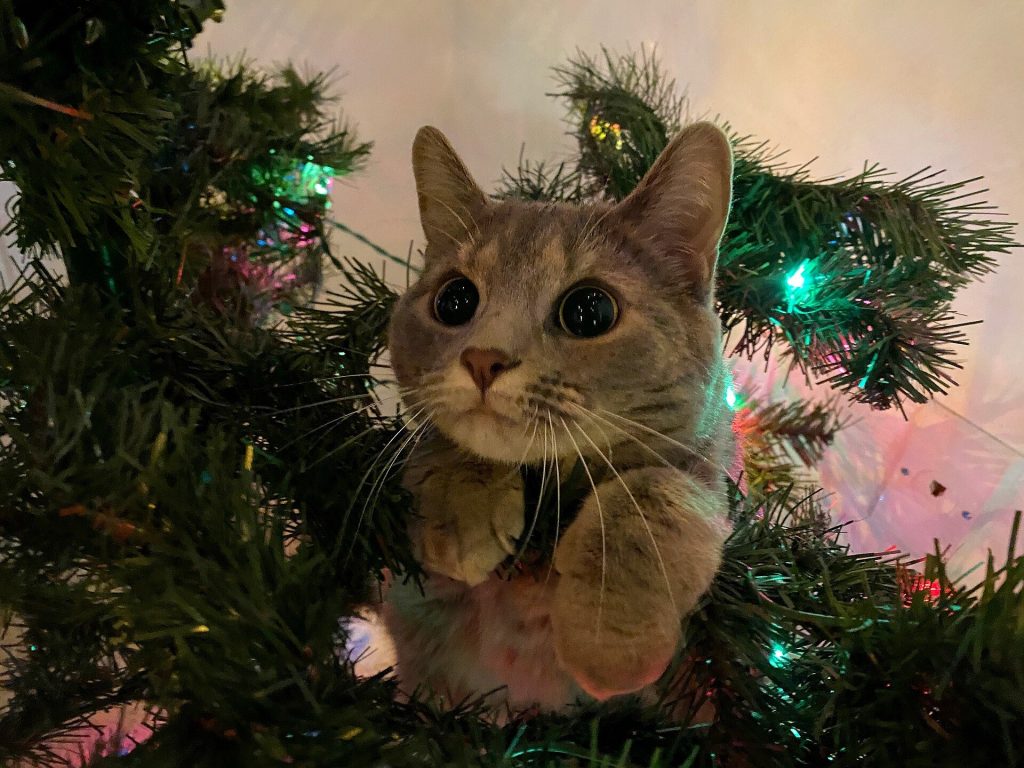
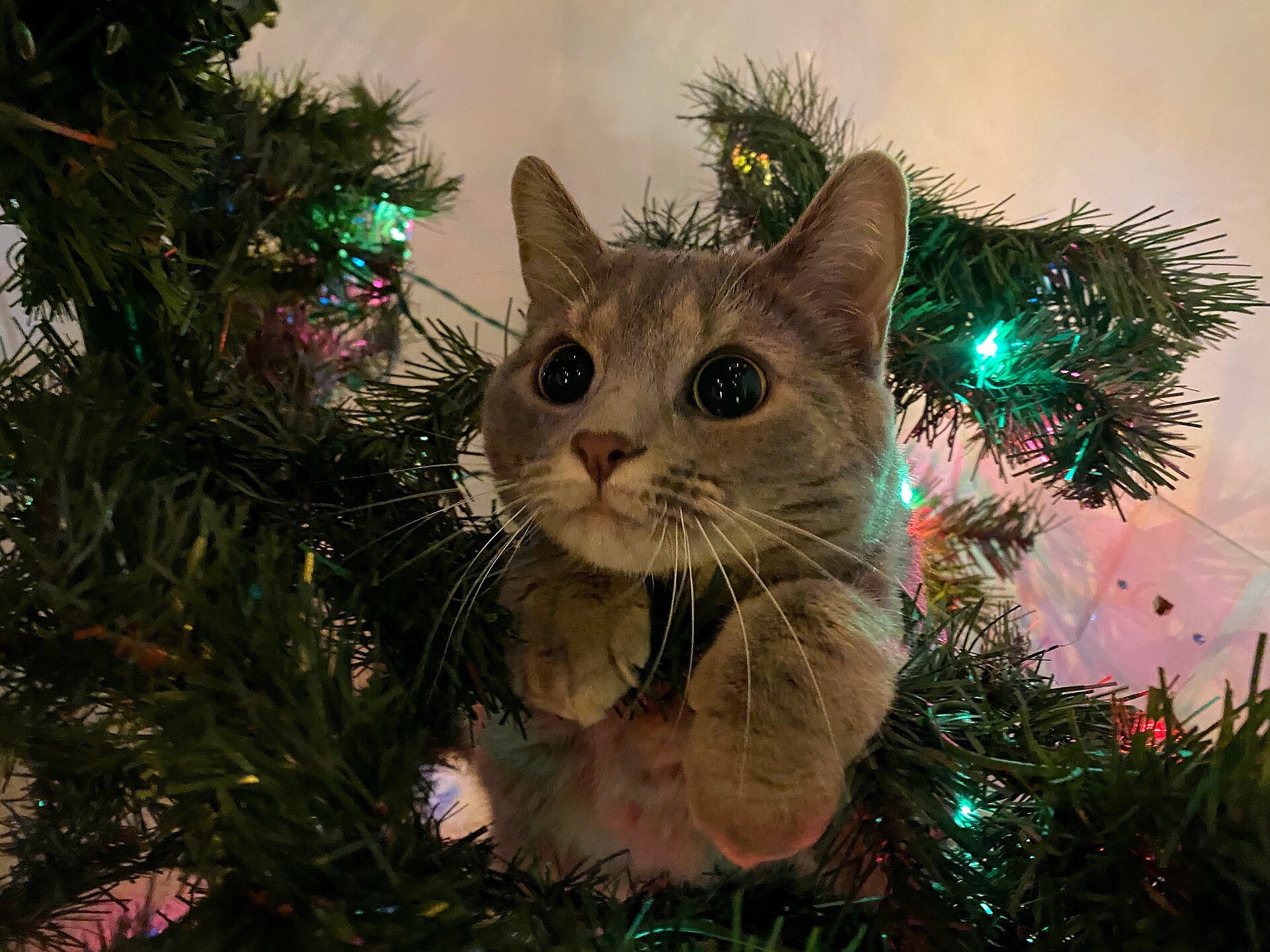

December fills the house with new plants: a poinsettia from a neighbor, a bunch of mistletoe in the hall, an amaryllis kit under the tree, a bouquet on the table. For a curious cat or dog, every one of them is something new to sniff, bat or chew. Some are harmless, some cause an upset stomach, and one common holiday flower can be deadly for cats.
This guide goes through the most popular Christmas plants one by one, using the ASPCA’s toxic and non-toxic plants database, advice from the US Food and Drug Administration (FDA) and Pet Poison Helpline, so you can decorate and give gifts without worrying. It is general information, not veterinary advice: if your pet has eaten a plant and seems unwell, call your vet.
Christmas plants and pets at a glance
- Listed as non-toxic by the ASPCA: Christmas cactus, moth orchids, the Christmas orchid (Cattleya trianaei), rosemary, African violets, blushing bromeliads and roses.
- Mildly toxic, and often overrated: poinsettias. They can irritate the mouth and stomach, but serious poisoning is not expected.
- Toxic, keep out of reach: mistletoe, holly, amaryllis, paperwhites, Christmas rose (hellebore), cyclamen, kalanchoe, Jerusalem cherry, English ivy, yew, boxwood and eucalyptus.
- Dangerous for cats: true lilies and daylilies, which often appear in winter bouquets. Even pollen or vase water can cause kidney failure.
- Christmas trees: needles and tree water usually cause only mild stomach upset, but needles, tinsel and ribbon can cause blockages.
Poinsettias: less dangerous than their reputation
The poinsettia (Euphorbia pulcherrima) is the plant people worry about most, and the one that deserves it least. The ASPCA lists it as toxic to dogs, cats and horses because of its irritant sap, but describes the effects as “irritating to the mouth and stomach, sometimes causing vomiting, but generally over-rated in toxicity.” Pet Poison Helpline calls the idea that poinsettias are highly toxic a myth: the milky sap can cause mild vomiting, drooling and diarrhea, but more serious toxicity is not expected.
So there is no need to give up your poinsettia, but do keep it on a shelf or table your pet cannot reach. If your pet does eat some leaves, the FDA suggests picking up the food and water dishes for a couple of hours to let your pet’s stomach settle, and calling your vet if the signs are severe or do not pass. For keeping the plant looking good all season, see how to care for a poinsettia, and for its symbolism, poinsettia meaning.
Lilies: the holiday flower to keep away from cats
Lilies are not a Christmas plant as such, but white and red lilies are common in winter bouquets and holiday arrangements, which is exactly why they cause problems at this time of year. The ASPCA lists true lilies (Lilium species) as toxic to cats, causing kidney failure, while listing them as non-toxic to dogs.
The FDA warns that for cats the entire plant is toxic, including the flowers, leaves, pollen and even the water in the vase. Eating a small piece of a leaf or petal, or licking a few pollen grains off its fur, can cause a cat to develop kidney failure in less than three days. Early veterinary treatment greatly improves the outlook, but the FDA says that if treatment is delayed by 18 hours or more, the cat will generally have irreversible kidney failure. The FDA’s list of highly toxic lilies includes Asiatic, Easter, Oriental, stargazer, tiger and rubrum lilies, as well as daylilies. Dogs that eat lilies may get only a minor stomach upset.
If you live with a cat, ask your florist to leave lilies out of any arrangement you order, check bouquets that arrive as gifts, and when you send flowers to a cat owner, choose something else. See flowers safe for cats for good alternatives, and lily meaning for more on which flowers count as true lilies.
Mistletoe and holly
Mistletoe. The ASPCA lists American mistletoe (Phoradendron flavescens) as toxic to dogs, cats and horses, with signs including vomiting, diarrhea, difficulty breathing, a low heart rate and, rarely, low blood pressure. The FDA notes that severe mistletoe poisoning is uncommon and usually happens only if a pet eats a large amount. Pet Poison Helpline adds that store-bought mistletoe often has its berries replaced with plastic ones, which could cause an intestinal blockage if swallowed. Hang mistletoe well out of reach and pick up any leaves or berries that fall. Read more in mistletoe meaning.
Holly. The ASPCA lists holly (Ilex, including American and English holly) as toxic to dogs, cats and horses, with vomiting, diarrhea and depression as the main signs, and notes that the leaves and berries are low toxicity. The FDA points out that the spiky leaves can also hurt a pet’s mouth. Holly is lovely on a mantel or front door, but keep sprigs and fallen berries off the floor. Holly is one of the December birth flowers.
Amaryllis and paperwhites: watch the bulbs
Amaryllis. The ASPCA lists amaryllis as toxic to dogs, cats and horses. Signs include vomiting, drooling, diarrhea, abdominal pain, loss of appetite, depression and tremors. Pet Poison Helpline says that eating the flowers and leaves most commonly causes vomiting, drooling and diarrhea, while the bulb is more toxic: eating a bulb, especially a large amount, can cause weakness, tremors, seizures and changes in blood pressure.
Paperwhites. Paperwhites are a type of narcissus, and the ASPCA lists daffodils, narcissus and paperwhites as toxic to dogs, cats and horses. The bulbs are the most poisonous part. Signs include vomiting, drooling and diarrhea, and large amounts can cause convulsions, low blood pressure, tremors and heart rhythm problems.
Both are often given as bulb kits, so keep unplanted bulbs in a closed cupboard, not in an open bag or box on the floor, and display the plants where pets cannot dig in the pot. For growing tips, see how to care for amaryllis and how to grow paperwhites.
Christmas cactus and other pet-safe picks
If you want holiday plants that are kinder to pets, these are all listed as non-toxic to dogs and cats by the ASPCA:
- Christmas cactus (Schlumbergera bridgesii). The ASPCA lists it, along with the Easter cactus, as non-toxic to dogs, cats and horses. Pet Poison Helpline says mild vomiting or diarrhea can happen if a pet eats some, but serious toxicity is not expected. Our Christmas cactus care guide explains how to tell Thanksgiving, Christmas and Easter cacti apart.
- Moth orchids (Phalaenopsis), which flower for weeks and make an elegant winter gift. See how to care for an orchid.
- Christmas orchid, also called winter cattleya (Cattleya trianaei).
- Rosemary, which is sometimes sold trimmed into a small cone shape as a tabletop tree.
- African violets and blushing bromeliads, both easy flowering houseplants.
- Roses, if you want a pet-friendly cut flower for the table. Red roses with evergreen foliage look just as festive as lilies.
Non-toxic does not mean your pet should eat it. Any plant material can cause a mild stomach upset, and the American Animal Hospital Association (AAHA) notes that some plants are treated with fertilizers or pesticides that can be harmful. Keep even safe plants out of reach of pets that like to chew.
Other holiday plants that are toxic
These are also common in December, and all are listed by the ASPCA as toxic to dogs and cats:
- Christmas rose (hellebore), Helleborus niger: drooling, abdominal pain, diarrhea and depression.
- Cyclamen: drooling, vomiting and diarrhea. The ASPCA warns that eating a large amount of the tubers can cause heart rhythm problems, seizures and death.
- Kalanchoe, a popular flowering succulent: vomiting, diarrhea and, rarely, abnormal heart rhythm.
- Jerusalem cherry, also called winter cherry, with its orange-red berries: stomach and intestinal problems, and in serious cases seizures, depression and breathing problems.
- English ivy, yew, boxwood and eucalyptus, which often turn up in wreaths, garlands and winter bouquets.
Christmas trees and tree water
Most real Christmas trees are spruce, fir or pine. Pet Poison Helpline says that eating the needles can irritate the mouth and stomach, causing vomiting, diarrhea and drooling, and that large amounts can block or even puncture the gut because the needles do not digest well. Chewing an artificial tree can also cause stomach upset or a blockage.
Tree water is another temptation. Pet Poison Helpline says drinking it can cause mild vomiting and diarrhea, and that tree preservatives usually add only mild stomach upset. The AAHA warns that standing tree water can contain bacteria, algae or fertilizers, and recommends keeping the stand covered. Poison Control (poison.org) notes that the National Christmas Tree Association recommends plain water only in the stand, which is also the safest choice for pets.
Decorations can be more dangerous than the tree itself. The FDA warns that tinsel, ribbon and string can cause serious stomach and intestinal damage if swallowed, and Pet Poison Helpline calls tinsel a common cause of bowel obstruction in cats and suggests securing the tree at the top and bottom so a climbing cat cannot pull it over.
How to decorate with plants when you have pets
- Put toxic plants such as amaryllis, mistletoe and holly on high shelves, or in rooms your pets cannot get into.
- Choose pet-safe plants for low tables and floor-level displays.
- Ask your florist to leave out lilies if you have a cat, and check gift bouquets before you put them out.
- Pick up fallen leaves, petals, berries and needles every day.
- Cover the tree stand and use plain water.
- Keep tinsel off the tree and gather up ribbons after presents are opened.
- When you give a plant to a friend with pets, choose one of the pet-safe picks above. Our Christmas flowers guide has more gift ideas.
If your pet eats a holiday plant
Stay calm and check that your pet is breathing and acting normally. Pet Poison Helpline advises not to give home remedies and not to make your pet vomit unless a vet or poison helpline tells you to. Note what was eaten and roughly how much and when, or take a photo of the plant, then call your vet or one of these 24-hour services:
- ASPCA Animal Poison Control Center: (888) 426-4435. The ASPCA notes that a consultation fee may apply.
- Pet Poison Helpline: (855) 764-7661.
If a cat has touched or chewed a lily, or drunk water from a vase with lilies, treat it as an emergency and call straight away. The FDA says early treatment greatly improves the outlook.
Keep exploring
For year-round advice, see flowers safe for cats and flowers safe for dogs. For the season itself, read our guides to Christmas flowers, how to make a Christmas flower arrangement, poinsettia meaning, mistletoe meaning and Christmas cactus care, or browse everything in Learn. For the story behind one toxic favorite, see Christmas rose meaning.
Frequently asked questions
The ASPCA lists poinsettias as toxic to dogs and cats, but says they are generally overrated in toxicity. The sap can irritate the mouth and stomach and cause drooling, vomiting or diarrhea, but Pet Poison Helpline says serious poisoning is not expected. Keep the plant out of reach and call your vet if signs are severe or do not pass.
Yes. The ASPCA lists the Christmas cactus as non-toxic to dogs, cats and horses. A pet that eats some may still get a mild stomach upset, but serious toxicity is not expected.
Yes. The ASPCA lists American mistletoe as toxic to dogs, cats and horses, with signs such as vomiting, diarrhea, breathing difficulty and a slow heart rate. The FDA says severe poisoning is uncommon and usually follows eating a large amount. Hang it high and pick up anything that falls.
Christmas cactus, moth orchids, the Christmas orchid, African violets and roses are all listed as non-toxic by the ASPCA. Avoid lilies completely if you have a cat, because the FDA warns that even pollen or vase water can cause fatal kidney failure.
It can cause a mild stomach upset. Pet Poison Helpline says vomiting and diarrhea are possible, and the AAHA warns that standing water can hold bacteria, algae or fertilizers. Use plain water and cover the tree stand so pets cannot drink from it.
Sources
- ASPCA: Toxic and non-toxic plants
- ASPCA: Poinsettia
- ASPCA: Lily
- ASPCA: American mistletoe
- ASPCA: Holly
- ASPCA: Amaryllis
- ASPCA: Daffodil (narcissus, paper white)
- ASPCA: Christmas cactus
- FDA: Keep your dogs and cats safe from holiday hazards
- FDA: Lovely lilies and curious cats, a dangerous combination
- Pet Poison Helpline: Deck the halls with holiday plants, but are they toxic?
- Pet Poison Helpline: Cats and Christmas trees
- Poison Control: Christmas tree preservatives
- AAHA: Holiday pet-health hazards and how to avoid them