

Alstroemeria Meaning: What Peruvian Lilies Symbolize
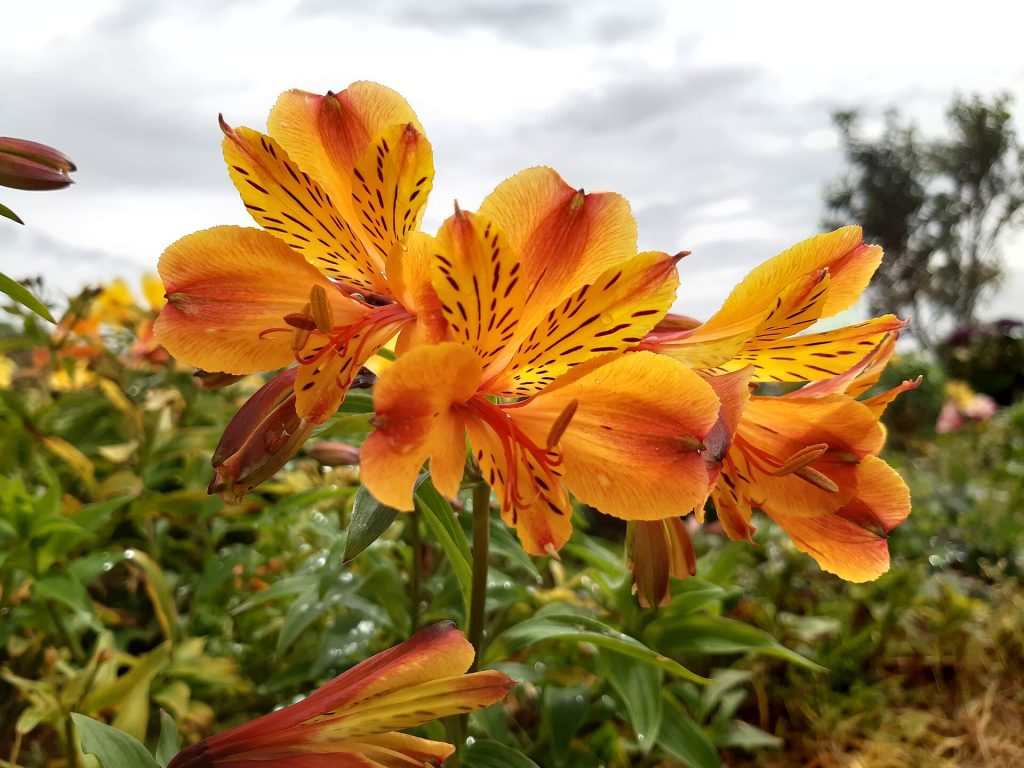
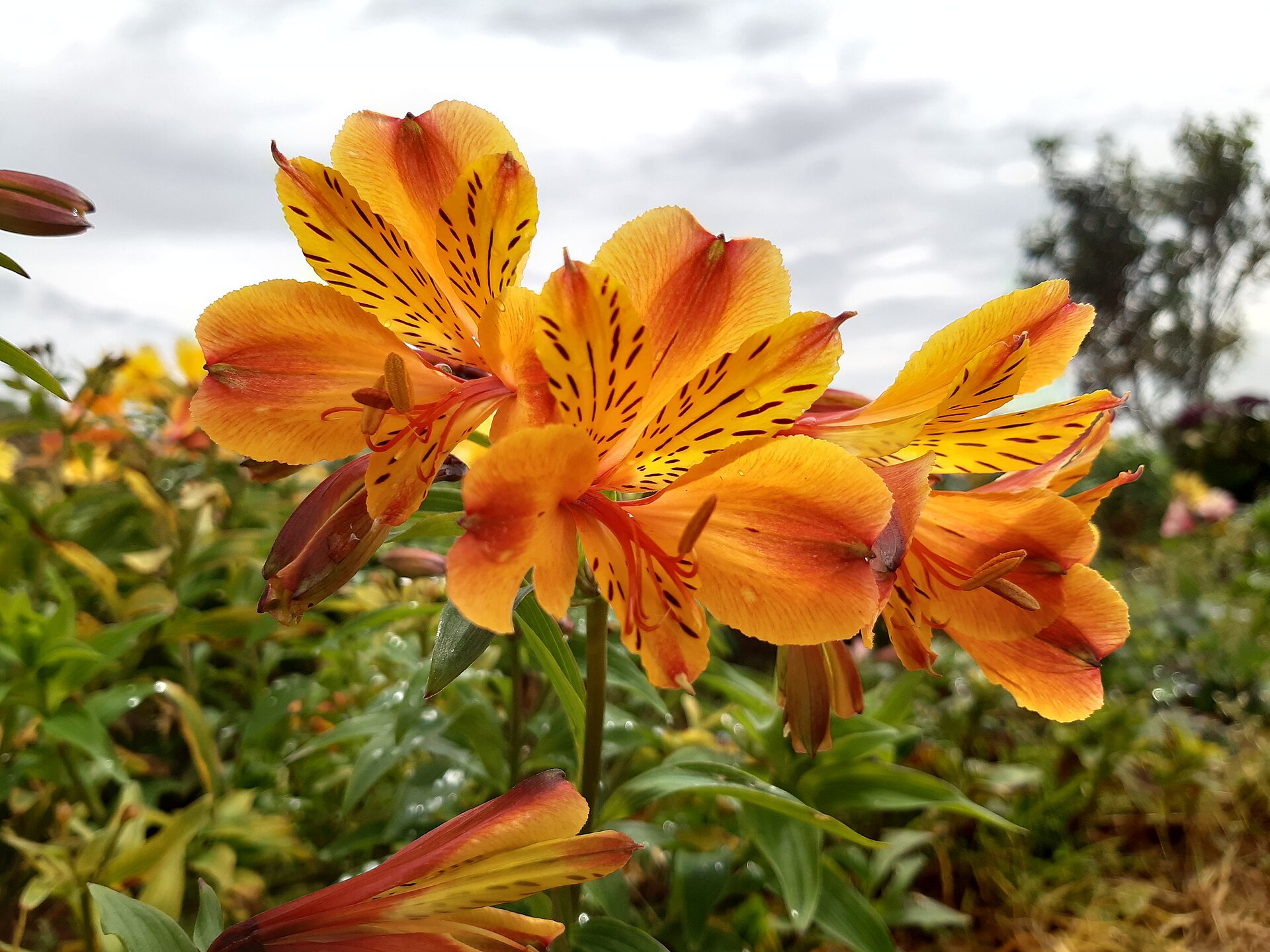

Alstroemeria is one of the hardest-working flowers in a florist’s bucket. Its trumpet-shaped blooms, with dark markings and yellow throats, come in almost every color and can last up to two weeks in a vase. It is often called the Peruvian lily, and its main meaning is a warm one: friendship and devotion.
This guide covers what alstroemeria means, its history, its colors, the best occasions, care and pet safety. It is part of our flower meanings guide.
Alstroemeria meaning at a glance
- Overall meaning: friendship and devotion; also grace, purity and honor.
- Birth month: none on the main US or UK birth flower lists.
- Best for: friends, thank yous, good luck wishes and sympathy.
- Vase life: about 7 to 14 days, according to Interflora.
- Pets: non-toxic to cats and dogs, according to the ASPCA.
What does alstroemeria symbolize?
Interflora lists alstroemeria as a symbol of friendship and devotion. Its alstroemeria guide adds the achievement of aspirations, which makes it a good-luck gift or a token of companionship, and says alstroemeria is typically seen as a symbol of grace, purity, majesty and honor.
Interflora also notes that, in the Victorian language of flowers, receiving a sweet-scented alstroemeria told you that you were beloved, and that its transient beauty makes it a thoughtful choice for condolence. Its flower meanings guide groups alstroemeria with freesias and sweet peas as flowers that express trust, appreciation and gratitude.
Is alstroemeria a lily?
No. Despite the common names Peruvian lily and Inca lily, alstroemeria is not a true lily. Interflora says it belongs to its own family, Alstroemeriaceae, and is sometimes mistaken for a miniature lily. True lilies belong to the genus Lilium; read more in our guide to lily meaning. One practical difference matters for pet owners: true lilies are dangerous for cats, but the ASPCA lists alstroemeria as non-toxic.
Alstroemeria history
Interflora explains that the names Peruvian lily and Inca lily refer to the plant’s natural habitat in the cool mountain regions of Chile, Brazil and Peru. It is named after the Swedish Baron Alströmer, who introduced it to Europe in the 18th century, and it soon became popular for its many colors and long vase life. Interflora notes that the leaves on the stem grow upside down, and nobody seems to have a definitive explanation why.
Alstroemeria color meanings
Interflora says alstroemeria comes in all colors except blue and green. Our sources don’t give separate meanings for each alstroemeria color, so go by the general flower color meanings Interflora lists:
- Yellow: friendship, happiness and optimism.
- Pink: admiration, affection and gratitude.
- Red: passion, desire and love.
- White: purity, peace and remembrance.
- Purple: admiration, dignity and mystery.
- Orange: enthusiasm, vibrancy and playfulness.
Birth month and best occasions
Alstroemeria is not a birth flower on the US list from The Old Farmer’s Almanac or Interflora’s UK list. See our birth flowers guide for each month’s official flowers.
Alstroemeria suits:
- Friends and thank yous, for friendship, devotion and gratitude.
- Good luck wishes, for the achievement of aspirations.
- Birthdays, as a long-lasting bouquet.
- Sympathy: Interflora notes its transient beauty makes it a thoughtful choice for condolence.
- Get well soon gifts for homes with cats, since it is a lily look-alike that the ASPCA lists as non-toxic.
- Weddings: Interflora notes that florists use it to fill out large arrangements. Because some people are allergic to it, Interflora suggests it may be better kept out of hand-tied bridal bouquets.
Season and availability
Interflora says alstroemeria is available all year round, and that florists favor it in the summer months, when the blooms are at their strongest.
How to care for cut alstroemeria
Interflora puts alstroemeria’s vase life at about 7 to 14 days. Its tips:
- Re-cut the stems at an angle and remove any leaves that would sit below the waterline.
- Fill a clean vase with cool water and add flower food.
- Change the water every 3 to 4 days, trimming the stems each time.
- Display it in a cool, shady spot, away from direct sunlight and ripening fruit.
Interflora also notes that alstroemeria can cause an allergic reaction in some people.
For more tips, read our guide to keeping flowers fresh longer.
Is alstroemeria safe for cats and dogs?
Yes. The ASPCA lists the Peruvian lily (Alstroemeria) as non-toxic to dogs, cats and horses. This makes it a useful alternative to true lilies, which the ASPCA lists as toxic to cats. As with any plant, eating it can still cause mild stomach upset, so keep bouquets out of reach. If your pet seems unwell, contact your vet or the ASPCA Animal Poison Control Center on (888) 426-4435 (a fee may apply).
Keep exploring
See all flower meanings, or read about the lily, the flower alstroemeria resembles but is not related to, and the freesia, another flower of friendship.
Frequently asked questions
Alstroemeria symbolizes friendship and devotion. Interflora adds grace, purity, majesty and honor, and the achievement of aspirations.
No. Alstroemeria is called the Peruvian lily, but it belongs to its own family, Alstroemeriaceae, not the true lily genus Lilium.
Interflora says about 7 to 14 days. Change the water every 3 to 4 days and trim the stems each time.
Interflora says it comes from the cool mountain regions of Chile, Brazil and Peru, which is why it is called the Peruvian or Inca lily.
Yes. The ASPCA lists the Peruvian lily (Alstroemeria) as non-toxic to dogs, cats and horses, unlike true lilies.