

Anemone Meaning: What Anemones Symbolize
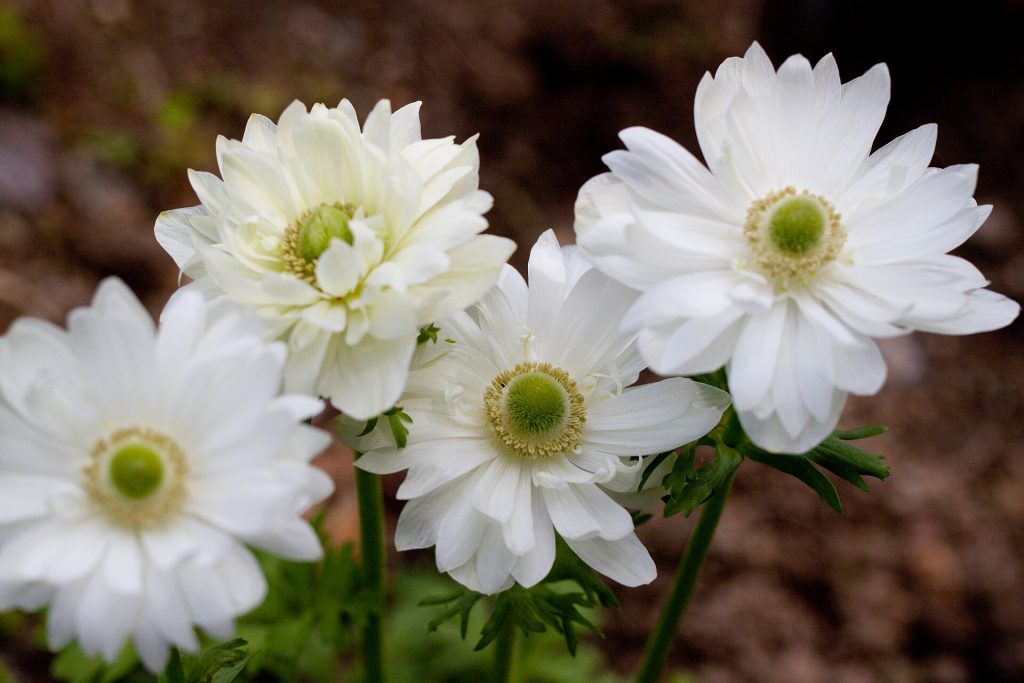
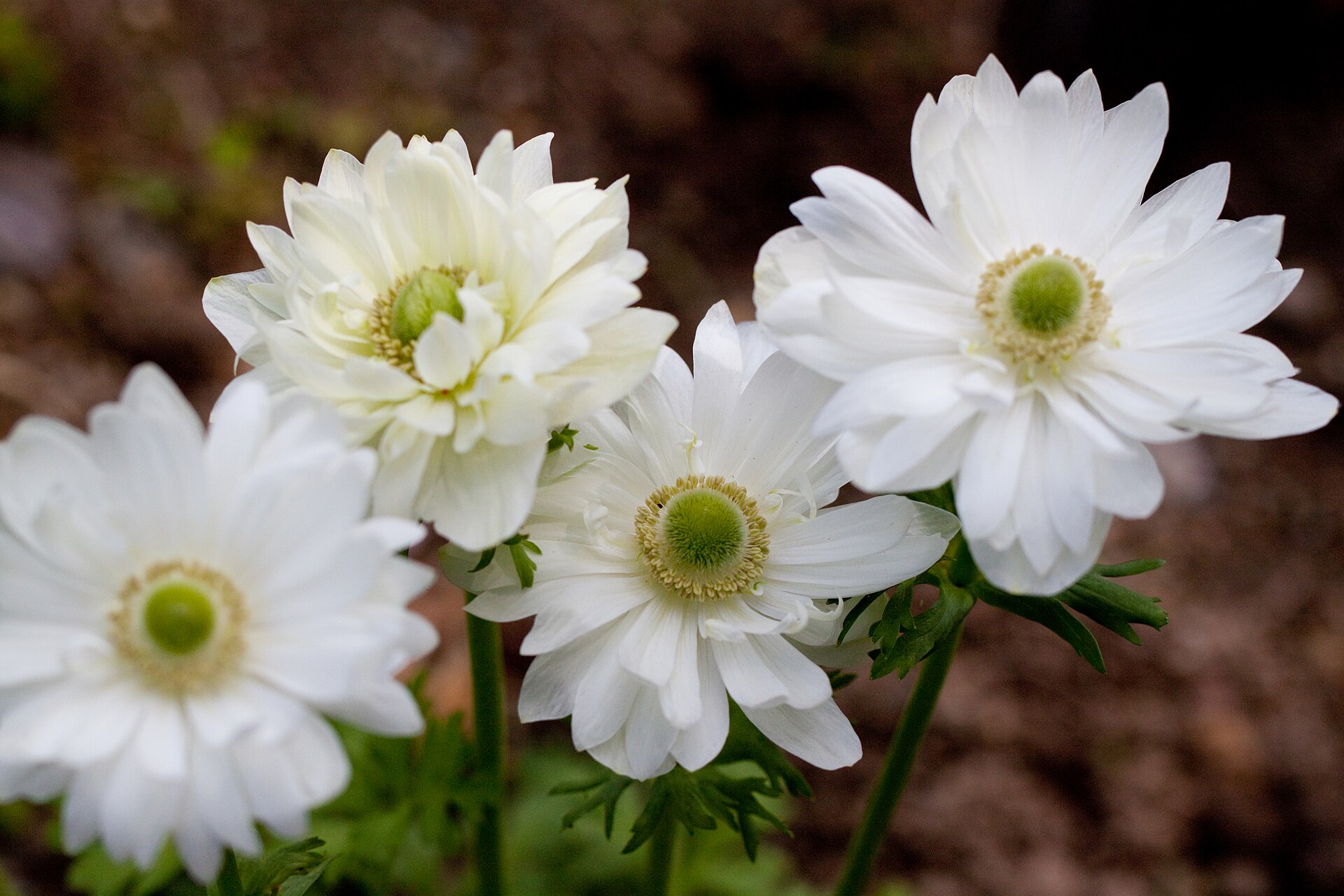

Anemones are the windflowers of the florist’s bucket: poppy-like flowers in white, red, pink, blue and purple, available through the cooler months from autumn to late spring. They also have a long history in myth and art.
Their meaning depends on who you ask and which color you choose. This guide covers what anemones mean, their color meanings, the myths behind them, the best occasions, care and pet safety. It is part of our flower meanings guide.
Anemone meaning at a glance
- Overall meaning: anticipation and protection today; “forsaken” in the Victorian language of flowers.
- Birth month: not a birth flower on the standard US or UK lists.
- Best for: winter and spring bouquets, sincere thank yous (white) and remembrance.
- Vase life: 2 to 3 days according to Interflora; a Kansas State University Extension table puts anemones in the 5 to 10 day group.
- Pets: anemones are not on the ASPCA’s toxic and non-toxic plants list.
What do anemones symbolize?
Interflora says anemones stand for anticipation and protection. The Old Farmer’s Almanac’s chart of Victorian flower meanings is much sadder: it gives the anemone the meaning “forsaken”. Interflora adds that because the petals close up at night and reopen in the morning, anemones can also represent relaxation.
Where the name comes from
Britannica explains that the common name windflower is the English version of the Greek-derived name anemone, and refers to the way the flowers seem to be blown open by the wind. Interflora notes that the name comes from the Greek word anemos, meaning “the wind”.
Anemones in myth and culture
Britannica records that, according to a Greek myth, red anemones sprang up from the blood of Adonis as he died, and in remembrance of this, red anemones are often known as Adonis flowers. Interflora adds that:
- In Christianity, red anemones symbolize the blood of Christ, and they often appear in paintings of the crucifixion.
- Europeans once thought anemones carried bad luck, and people would hold their breath while walking through fields of them.
- In English and Irish folk tales, fairies were said to sleep inside the petals when they closed at night.
- Anemones appear in paintings by Monet and Matisse.
Anemone botany
According to Britannica, the genus Anemone contains more than 100 species of perennial plants in the buttercup family (Ranunculaceae), the same family as the ranunculus. The colorful anemones grown for florists are varieties of the tuberous, poppy-like Anemone coronaria. Other species, such as the Japanese anemone, are popular garden plants for autumn flowering. Anemones occur most commonly in woodlands and meadows of the north temperate zone.
Anemone color meanings
Interflora says it’s all about the color with anemones:
- White: sincerity.
- Red and pink: traditionally associated with death or forsaken love.
- Purple: protection from evil.
- Blue: Interflora lists blue anemones among its blue flowers, which in general stand for calm, trust and sincerity.
Interflora’s spring flowers guide says the most common color is white, with scarlet, crimson, blue and purple also available.
Birth month and best occasions
The anemone is not a birth flower on the US list from The Old Farmer’s Almanac or Interflora’s UK list. See our birth flowers guide for each month’s flowers.
Anemones suit:
- Winter and spring bouquets, when they are in season.
- A sincere thank you, with white anemones.
- Sympathy, as Interflora lists white anemones among its white flowers of remembrance.
Because red and pink anemones have traditionally been linked with death and forsaken love, choose another color for a romantic gift if the recipient knows the language of flowers.
Season and availability
Interflora’s spring flowers guide says florist anemones are available from October to May. Britannica notes that many anemones flower in spring, while species such as the Japanese anemone flower in autumn.
How to care for cut anemones
Interflora gives anemones a short vase life of 2 to 3 days, while a Kansas State University Extension table, shared by the University of California, puts them in the 5 to 10 day group. Interflora’s care tips:
- Trim the stems on a diagonal and place them in cold water, which slows the buds’ opening.
- Change the water every few days.
- Keep them away from direct heat and sunlight.
For more tips, read our guide to keeping flowers fresh longer.
Are anemones safe for cats and dogs?
Anemones are not on the ASPCA’s toxic and non-toxic plants list. The ASPCA notes that its list is not complete, so an unlisted plant isn’t guaranteed to be safe, and that eating any plant material can cause stomach upset in pets. Britannica notes that the European wood anemone (Anemone nemorosa) causes blistering of the skin, so keep anemones out of reach. If your pet eats any and seems unwell, contact your vet or the ASPCA Animal Poison Control Center on (888) 426-4435 (a fee may apply).
Keep exploring
See all flower meanings, or read about the ranunculus, a cousin in the buttercup family, and the poppy, which anemones resemble.
Frequently asked questions
Interflora says anemones symbolize anticipation and protection. In the Victorian language of flowers, the anemone meant “forsaken”.
Interflora says white anemones symbolize sincerity. White is also the most common anemone color.
Windflower is the English version of the Greek-derived name anemone, from anemos, “wind”. It refers to the flowers seeming to be blown open by the wind.
Interflora says 2 to 3 days, while a Kansas State University Extension table gives 5 to 10 days. Cold water and a cool spot help.
Anemones are not on the ASPCA’s plant list, and the list is not complete. Keep them out of reach and contact your vet if your pet eats any.