

How to Press Flowers: A Simple Book or Press Method
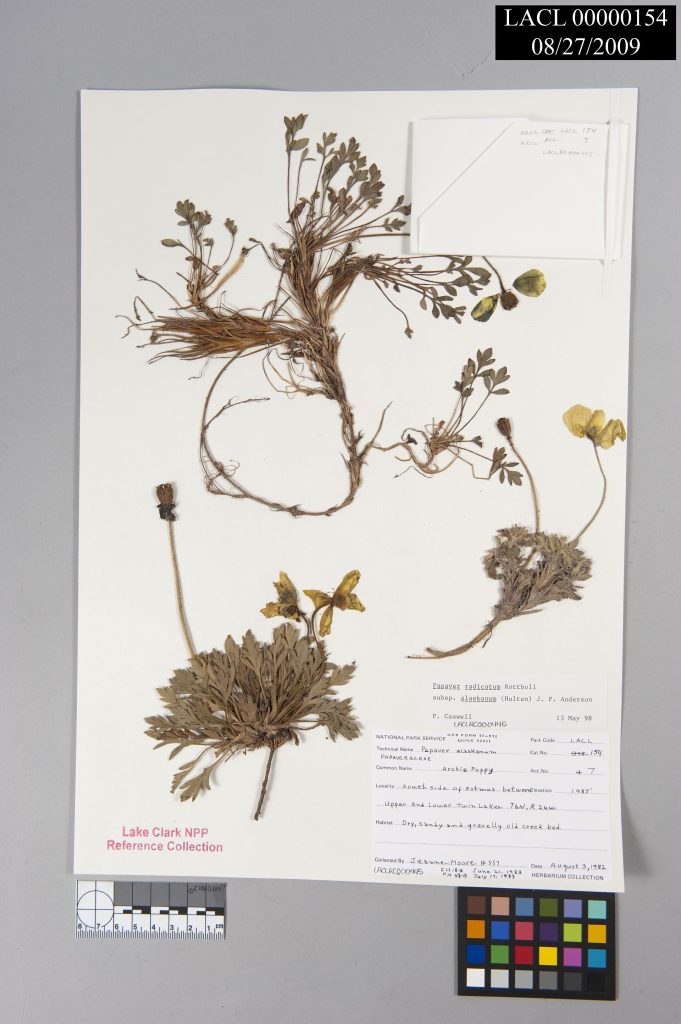
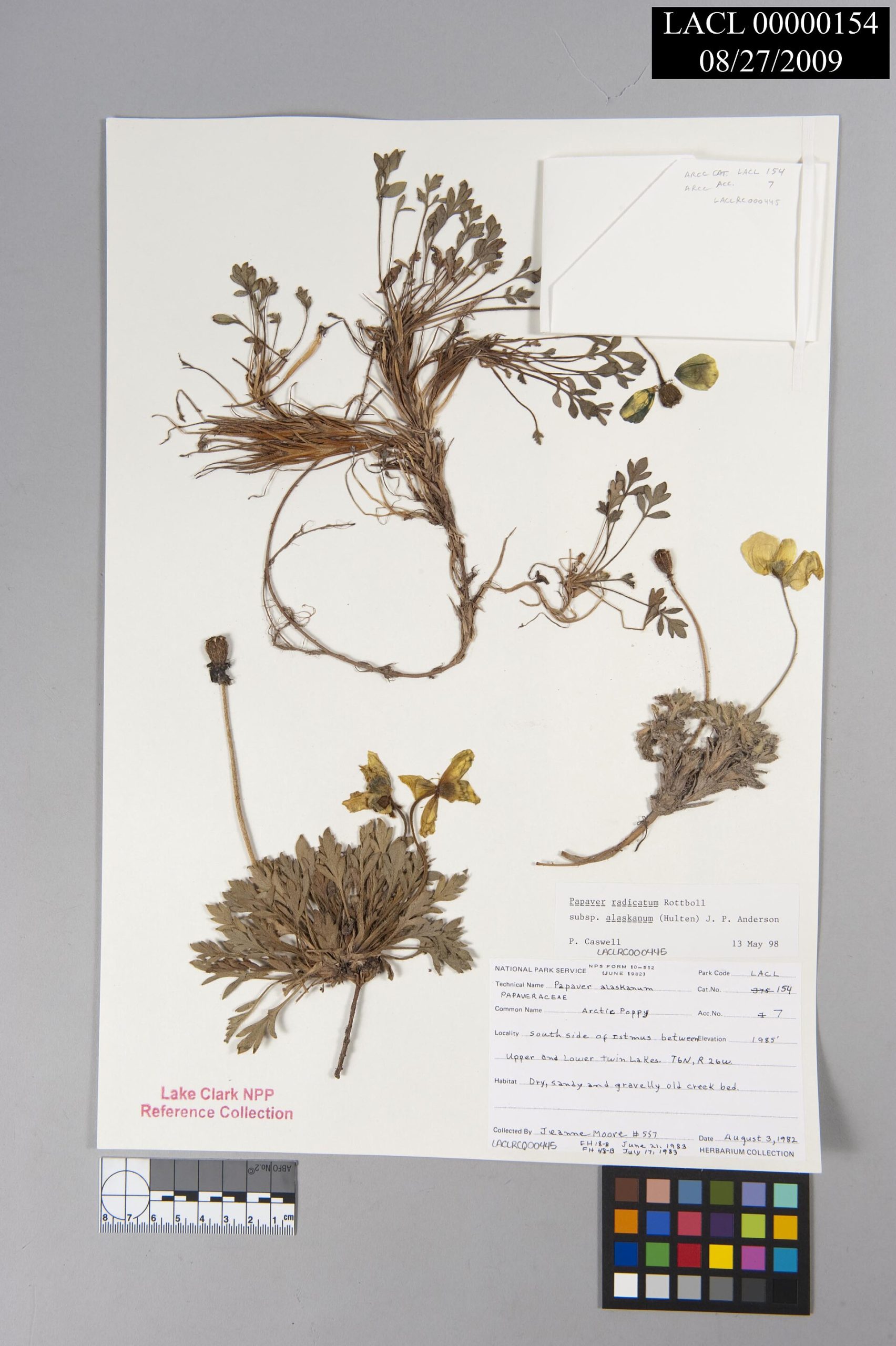

Pressed flowers keep a bloom’s outline and often much of its color, on a flat sheet you can frame, glue onto a card or file like a herbarium specimen. The method is slow but simple: absorbent paper, weight, warmth and time.
This guide combines steps from the Chicago Botanic Garden, University of Missouri Extension and the Natural History Museum in London. It is part of our flower care and learning guides. For three-dimensional dried bunches, see how to dry flowers.
Which flowers press well
- Choose blooms that lie flat easily. The Chicago Botanic Garden recommends bright, unblemished flowers that have just opened.
- Disc flowers with thick centers, such as sunflowers, are harder; you can press individual petals instead.
- MU Extension notes that porous, non-glossy paper helps moisture escape. Avoid shiny magazine pages, which Mississippi State Extension says can trap moisture and encourage mold.
- Collect when flowers are dry, not wet with dew or rain.
What you need
- Fresh flowers and a pair of scissors.
- Absorbent paper: newspaper, parchment or blotter paper. The Natural History Museum favors newspaper for its absorbency.
- Heavy books, or a simple flower press made of boards, cardboard and blotting paper.
- A warm, dry place with some air flow.
If you would rather use a press
A heavy book works. A wooden press is simply easier if you press often, or if you want several layers at once. Prices are on Amazon and change often, so we do not list them here.
- Aboofx Wooden Flower Pressing Kit, 11 x 11 inch, 10 layers
 A large wooden press with 10 layers, blotting paper and basic tools.
- Activa Flower Drying Art Silica Gel, 1.5 lb
 Use silica gel when you want a bloom to keep its three-dimensional shape instead of being pressed flat. See our guide on how to dry flowers for that method.
As an Amazon Associate, Flowerlyn earns from qualifying purchases.
How to press flowers in a book
Chicago Botanic Garden’s four-step method:
- Trim the bloom so it can lie flat.
- Open a heavy book and lay newspaper or parchment on the page.
- Place the flowers flat, with space between them, then cover with another sheet of paper and close the book. Add more books on top for weight.
- Leave the stack in a dry spot for about two weeks. The flowers are ready when they feel completely dry and papery; lift them with a spatula so they do not tear.
MU Extension adds a useful mid-process tip: at the end of the first week, replace damp tissues or papers with dry ones so moisture keeps leaving the bloom.
Using a flower press
A dedicated press sandwiches flowers between blotting paper and corrugated cardboard under even pressure. Mississippi State Extension says this combination dries materials under pressure and helps keep color. Tighten the press and leave it undisturbed for about a month for a full dry; opening early can tear petals that still stick to the paper.
The Natural History Museum suggests drying next to gentle warm air (for example near a radiator) so moisture leaves quickly without cooking the specimen, and warns against sticky tape when mounting; PVA glue holds better.
After the flowers are dry
- Mount with a small amount of glue on card or in a frame, out of strong sunlight.
- Label the sheet with the date, place and plant name if you know it, as herbarium practice recommends.
- Store extras flat in a dry box so they do not reabsorb humidity.
Keep exploring
Pressed flowers pair well with the design ideas in flower arranging for beginners. To identify what you picked before you press it, see how to identify flowers. Meanings for common garden blooms are in our flower meanings guide.
Frequently asked questions
Chicago Botanic Garden suggests about two weeks in a book until the flowers feel dry and papery. Mississippi State Extension allows about a month in a full press before opening.
Yes. MU Extension and Mississippi State Extension both recommend non-glossy paper such as newspaper or old phone books. Avoid shiny magazine pages that trap moisture.
Moisture was trapped. Use absorbent paper, replace damp layers after the first week, keep the stack warm and dry, and do not press wet blooms.
Blooms with thick, bulky centers. Chicago Botanic Garden notes disc flowers such as sunflowers are hard; press individual petals instead.
The Natural History Museum recommends glue (such as PVA), not sticky tape, which discolors and fails.