

Wedding Flowers: How to Choose Blooms, Colors and Meanings
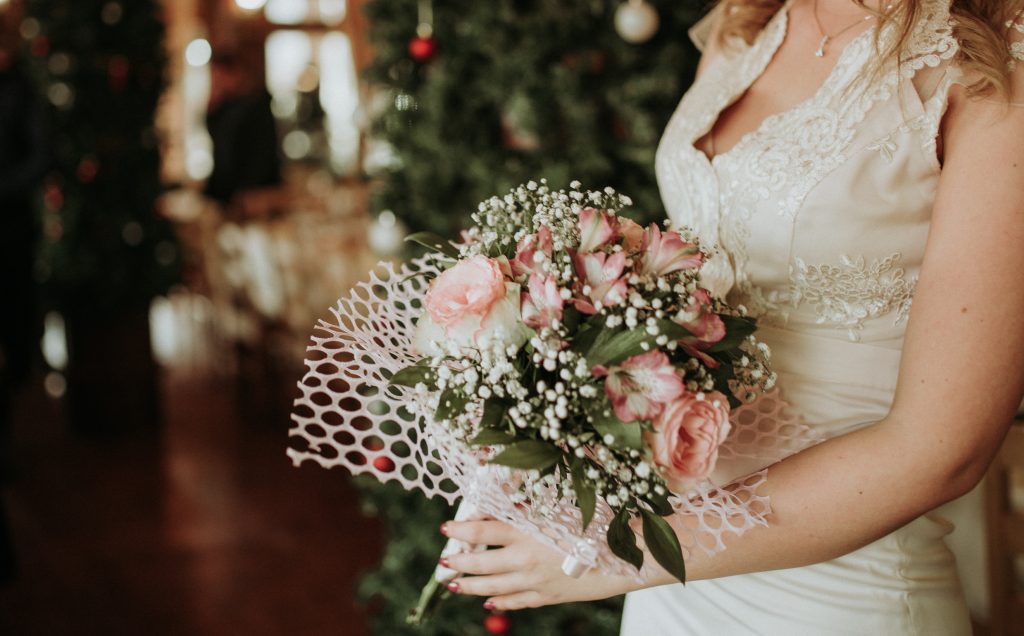
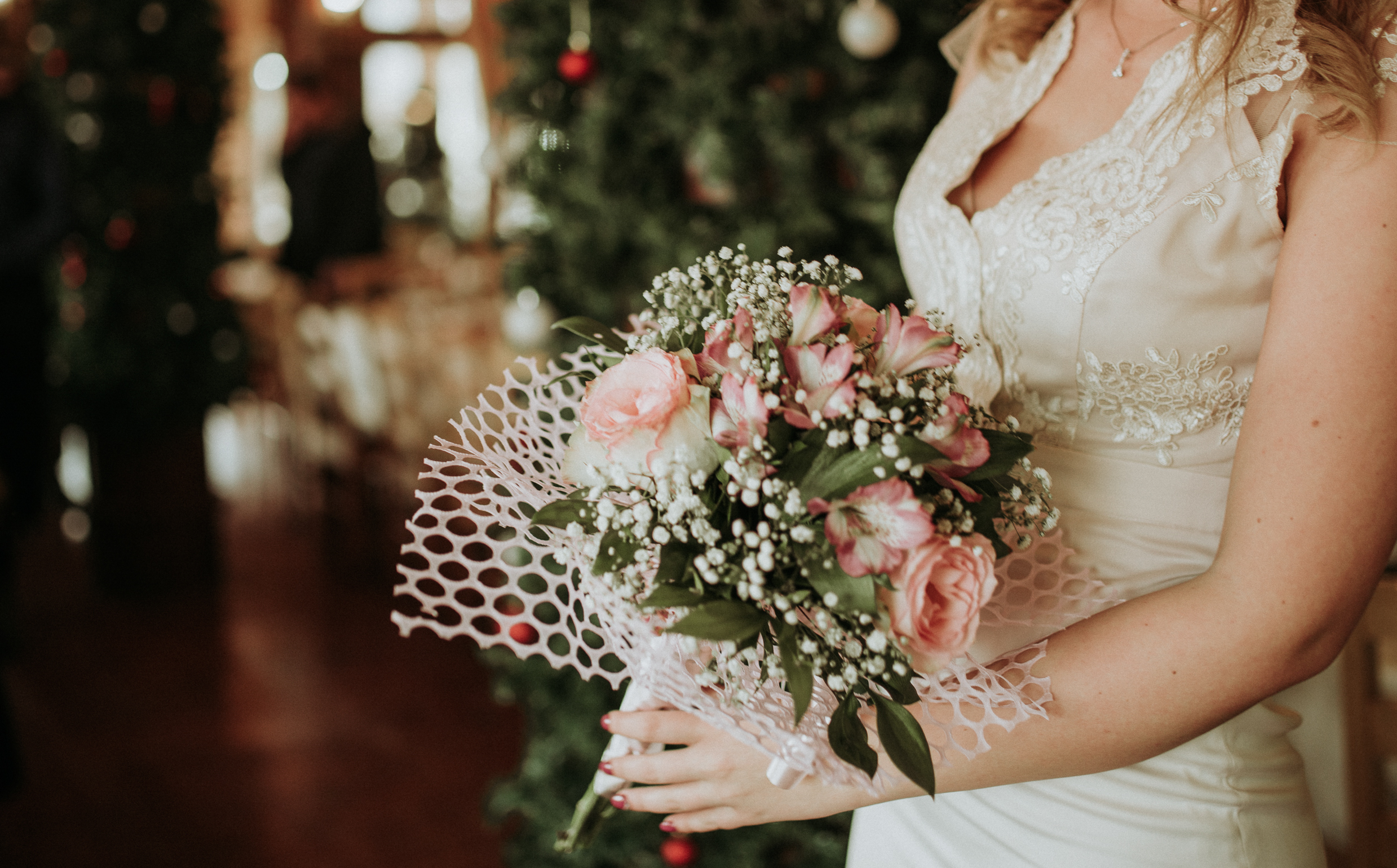

Wedding flowers set the tone for the day, from the bridal bouquet to the table arrangements guests remember in photos. Couples often start with favorite colors and season, then layer in meaning: roses for love, peonies for a happy marriage, baby’s breath for everlasting love, and lily of the valley for the return of happiness. You do not need every symbolic flower on the Victorian chart. A clear palette and a few personally meaningful blooms are enough.
This guide covers classic wedding flowers and meanings, color and season tips, bouquet and décor ideas, guest etiquette and pet safety. It is part of our what flowers to send guide.
Wedding flowers at a glance
- Classic choices: roses, peonies, ranunculus, hydrangeas, baby’s breath, orchids, lily of the valley and seasonal garden flowers.
- Colors: white and blush for timeless looks; bold color for modern celebrations; match season and venue.
- Avoid: heavily scented flowers if guests are sensitive, and true lilies around cats at home after the event.
- Most important: seasonality and a florist who understands your venue rules.
- For guests: send congratulatory flowers to the couple’s home, not usually to the ceremony seats, unless local custom says otherwise.
Classic wedding flowers and what they mean
- Roses: love in every color story; white for reverence and new beginnings, pink for grace, red for romance.
- Peonies: bashfulness and a happy life in Victorian lists, and a much-loved romantic spring-to-early-summer bloom.
- Baby’s breath: everlasting love, and a classic airy accent in bouquets and installations.
- Lily of the valley: sweetness, humility and the return of happiness. Beautiful and highly toxic if eaten, so handle with care around children and pets.
- Ranunculus: charm and “dazzled by your charms.”
- Hydrangeas: fullness for arrangements and heartfelt emotion.
- Orchids: refined beauty for modern and tropical weddings.
- Daisies and garden flowers: informal, joyful celebrations.
Color and season
White and soft blush remain the most timeless wedding palettes. Strong color works beautifully for evening and destination weddings. Peonies are peak in late spring; garden roses and dahlias shine later; orchids and tropicals are more season-proof. Ask your florist what is abundant on your date before locking a mood board that fights the calendar.
Bouquets, boutonnieres and décor
- Bridal bouquet: keep weight and temperature in mind. Cascade styles photograph dramatically; compact round bouquets are easier to hold all day.
- Bridesmaids: smaller versions of the bridal palette, or a single statement bloom.
- Boutonnieres and corsages: tough, less thirsty flowers such as spray roses, ranunculus or orchids.
- Ceremony and tables: repeat one or two flowers so the day feels cohesive rather than crowded.
- Dried accents: baby’s breath and grasses can extend installations and favors.
What guests should send
Guests usually send congratulations flowers or a gift to the couple’s home before or after the wedding, rather than arriving with a large personal bouquet. If you want to send blooms, a cheerful mixed arrangement or orchids work well. See also congratulations flowers. Check the registry and any “in lieu of flowers” notes for the ceremony itself.
Pet safety and leftovers
Many couples take leftover flowers home. Prefer roses, orchids (Phalaenopsis), gerberas and baby’s breath if pets will be nearby. Keep lily of the valley, true lilies, tulips and other toxic stems well out of reach. Our flower meanings guides note ASPCA status flower by flower.
Budget guidance
- Prioritize the bridal bouquet and ceremony focal points; simplify reception tables if needed.
- Seasonal, local flowers stretch the budget further than out-of-season imports.
- Statement greenery and a repeated hero flower often look more expensive than many mixed varieties.
- Silk or dried pieces can support installations where heat or logistics are hard on fresh stems.
Questions to ask your florist
- What will be in season and good quality on our date?
- How will flowers handle heat, air conditioning or outdoor wind?
- What is included in delivery, setup and breakdown?
- Can you work with a pet-safe or low-scent list?
Matching flowers to the dress and venue
Hold fabric swatches under daylight when you approve samples. Ballrooms with cool LED lighting can shift pinks toward lavender; outdoor noon sun can wash pale pastels. Ask your florist for a photo of the exact recipe, not only a mood board. Destination weddings may need local seasonal flowers rather than imported peonies out of season.
Preserving a few stems
If you want a keepsake, set aside a few sturdy blooms for pressing or drying on the wedding night. Baby’s breath and roses dry more reliably than very soft petals. Confirm who is responsible for packing leftovers so sentimental flowers do not end up in the venue trash.
Keep exploring
See all occasions in what flowers to send, or read rose, peony, baby’s breath and anniversary flowers, or read white flowers meaning
Frequently asked questions
Roses, peonies, baby’s breath, hydrangeas, orchids and lily of the valley are among the most classic choices, with many couples adding seasonal garden flowers.
Baby’s breath means everlasting love in Victorian flower language, according to The Old Farmer’s Almanac.
Usually to the couple’s home before or after the wedding, unless local custom or the invitation suggests otherwise.
Favor in-season blooms, repeat a hero flower, and put more budget into the bouquet and ceremony than into every table.
It depends on the flowers. Roses and Phalaenopsis orchids are safer choices; keep lilies and lily of the valley away from pets.