

Forget-Me-Not Meaning: What Forget-Me-Nots Symbolize
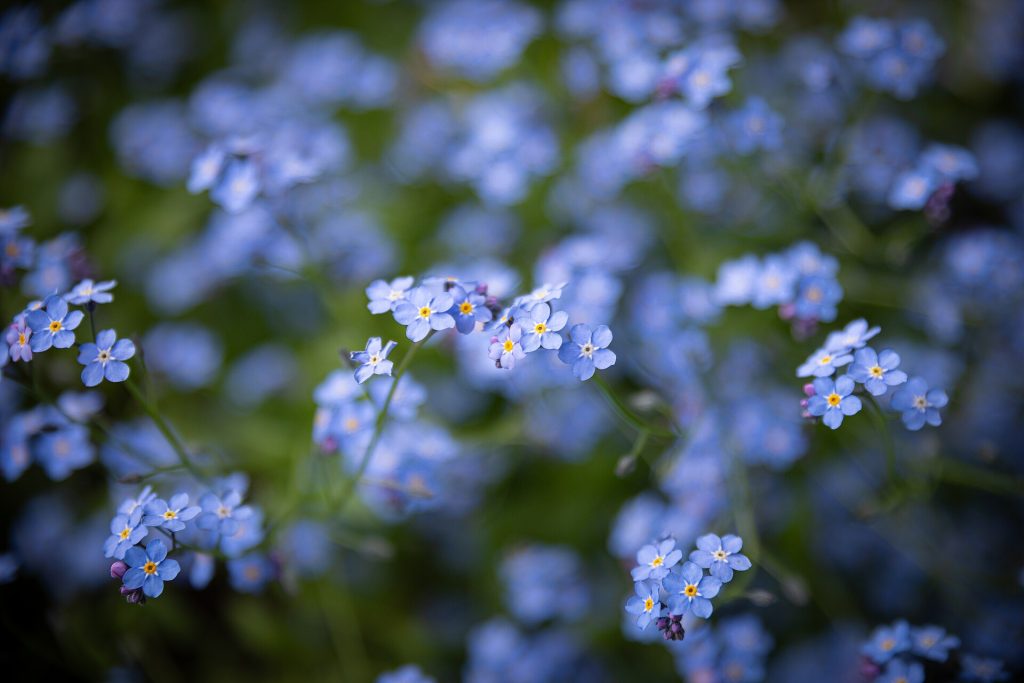
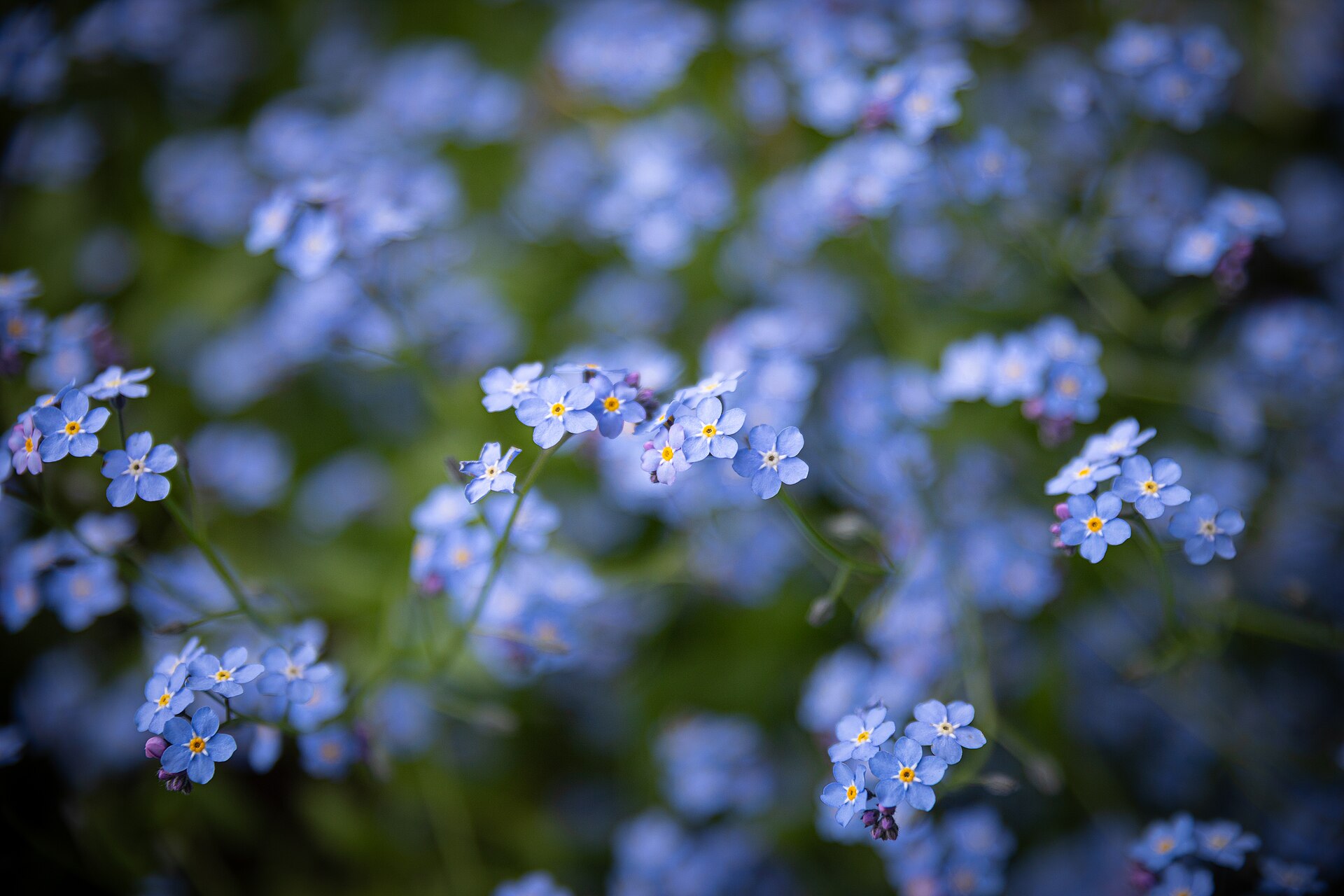

Some flowers carry their meaning right in their name. The forget-me-not, with its tiny sky-blue petals and bright yellow eye, has been a symbol of faithful love and remembrance for centuries. In the Victorian language of flowers, it meant “true love memories” and “do not forget me,” and it is still one of the best-loved flowers of remembrance today.
This guide covers what forget-me-nots mean, the legend behind the name, their colors, the best occasions, how to grow them and pet safety. It is part of our flower meanings guide.
Forget-me-not meaning at a glance
- Overall meaning: true love, remembrance and “do not forget me.”
- Birth month: none; the forget-me-not isn’t on the main US or UK birth flower lists.
- Best for: remembrance and sympathy, “thinking of you” messages and romantic devotion.
- Vase life: our sources don’t give a figure; forget-me-nots are usually grown or given as plants.
- Pets: not on the ASPCA’s toxic and non-toxic plants list.
What do forget-me-nots symbolize?
The Old Farmer’s Almanac’s chart of Victorian flower meanings gives the forget-me-not two meanings: “true love memories” and “do not forget me.” The Almanac lists it among flowers that symbolize love and among flowers that symbolize remembrance.
Interflora agrees. It says that, true to their name, these tiny blue blooms symbolize remembrance and true love, and that forget-me-nots, like delphiniums, symbolize romantic devotion. It also lists forget-me-nots among flowers linked with remembrance and thoughtfulness, for “I’m thinking of you” moments such as sympathy, recovery and other difficult times.
The legend of the drowning knight
The Almanac explains that the name comes from a tale about a 15th-century German knight. While picking the flowers for his beloved beside a river, he fell in and drowned, but not before throwing her the bouquet and crying, “Vergiss mich nicht!” (“Forget me not!”).
Forget-me-not botany
Forget-me-nots belong to the genus Myosotis. According to the Almanac, the name comes from two Greek words, mys, meaning mouse, and ous, meaning ear, a reference to the rounded shape of the petals. Britannica describes Myosotis as several dozen species in the borage family (Boraginaceae), native to temperate Eurasia, North America and the mountains of the Old World tropics.
Two species are most familiar. The woodland forget-me-not (Myosotis sylvatica), the common biennial type with hairy leaves, has flowers that change from pink to blue as they mature, Britannica says. The water forget-me-not (Myosotis scorpioides) grows in marshy places and, according to the Almanac, is a true perennial that blooms year after year. The Almanac adds that the forget-me-not is the state flower of Alaska.
Forget-me-not colors
Blue is the classic color, but not the only one:
- Blue: the traditional forget-me-not, and the color behind its meanings of true love and remembrance.
- Pink: Britannica notes that both main species have pink forms, and the Almanac names pink cultivars such as ‘Rosylva’ and ‘Victoria Rose’.
- White: white forms exist too, and the alpine forget-me-not (Myosotis alpestris) can be blue, pink or white.
Our sources don’t give separate traditional meanings for pink or white forget-me-nots.
Best occasions for forget-me-nots
The forget-me-not isn’t a birth month flower on the US or UK lists, so choose it for its message:
- Sympathy and remembrance. The Almanac notes that forget-me-not seed packets are popular handouts and giveaways at funeral services and memorials.
- “Thinking of you” messages, for someone going through a hard time.
- Romantic devotion and long-distance love, in keeping with “do not forget me.”
- Farewells and leaving gifts, such as a pot of forget-me-nots for a friend who is moving away.
Season and availability
Forget-me-nots are best known as spring flowers, but the Almanac says they may bloom from May through October, and that water forget-me-nots flower from late spring or early summer into late summer. Interflora describes them as fresh spring flowers.
How to grow forget-me-nots
The Almanac calls forget-me-nots very easy to grow, with two main needs: partial shade and moist soil. Its tips:
- In colder regions, sow seeds outdoors close to the last spring frost, or start them indoors 8 to 10 weeks earlier. In warmer regions, sow in fall for spring flowers.
- Mulch around seedlings and water regularly to keep the soil moist.
- Deadhead spent flowers for more blooms, or leave them on if you want the plants to reseed.
- Note that the Almanac warns forget-me-nots are invasive in some areas.
For a little posy of cut forget-me-nots, general advice from the University of California Cooperative Extension applies: use a sparkling clean vase, keep it away from heat and sunlight and change the water regularly. For more tips, read our guide to keeping flowers fresh longer.
Are forget-me-nots safe for cats and dogs?
Forget-me-nots (Myosotis) are not on the ASPCA’s toxic and non-toxic plants list. The ASPCA notes that its list is not complete, so an unlisted plant isn’t guaranteed to be safe, and that eating any plant material can cause stomach upset in pets. If your pet eats a plant and seems unwell, contact your vet or the ASPCA Animal Poison Control Center on (888) 426-4435 (a fee may apply).
Keep exploring
See all flower meanings, or read about other flowers of remembrance and blue blooms, the poppy, the hyacinth and the violet. For more blue blooms, see blue flowers meaning.
Frequently asked questions
Forget-me-nots symbolize true love and remembrance. In the Victorian language of flowers, they meant “true love memories” and “do not forget me.”
From a legend about a 15th-century German knight who drowned while picking the flowers for his beloved, crying “Vergiss mich nicht!” as he threw her the bouquet.
Yes. They are linked with remembrance, and forget-me-not seed packets are popular giveaways at funerals and memorials.
The forget-me-not is the state flower of Alaska.
Forget-me-nots are not on the ASPCA’s toxic and non-toxic plants list, which the ASPCA says is not complete, so ask your vet if your pet eats one.
Sources
- The Old Farmer’s Almanac: Flower meanings
- The Old Farmer’s Almanac: Forget-me-nots
- Britannica: Forget-me-not
- Interflora: Blue flowers
- Interflora: Flower meanings
- University of California Cooperative Extension: Tips for successful cut flower gardens and arrangements
- ASPCA: Toxic and non-toxic plants list