

Hibiscus Meaning: What Hibiscus Flowers Symbolize
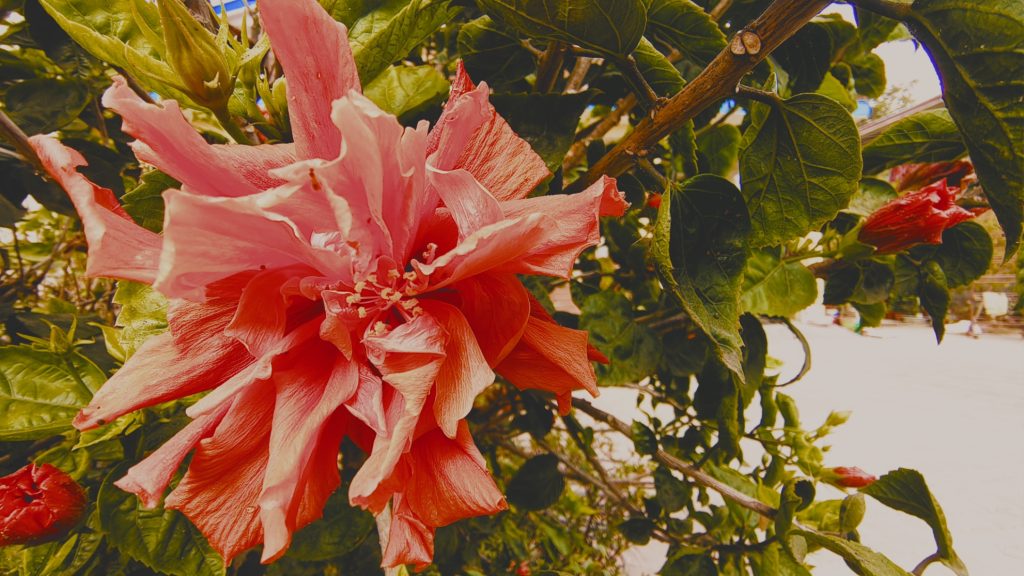
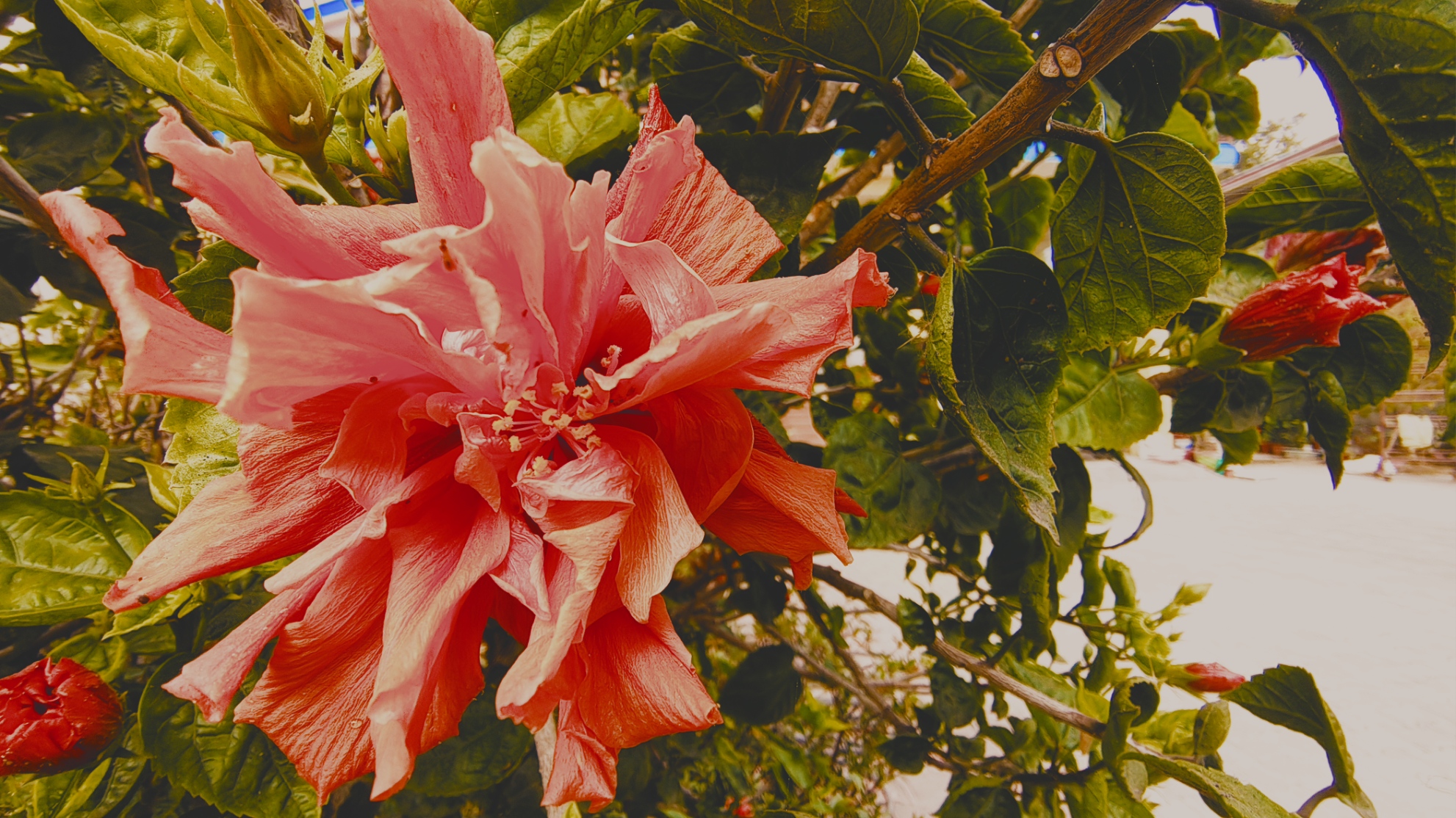

Hibiscus is the large, tropical-looking bloom with a prominent central column, familiar from gardens, bouquets and Hawaiian and Polynesian culture. In the Victorian language of flowers it means delicate beauty. Florists and cultural guides also treat it as a flower of invitation and summer celebration.
This guide covers what hibiscus means, color and cultural notes, occasions, care and pet safety. It is part of our flower meanings guide.
Hibiscus meaning at a glance
- Overall meaning: delicate beauty.
- Birth month: none on the main US or UK birth flower lists.
- Best for: summer celebrations, tropical-themed parties, host gifts and cheerful “thinking of you” messages.
- Vase life: individual blooms are short-lived; plants and hardy garden types are the longer display.
- Pets: the ASPCA lists rose of Sharon (Hibiscus syriacus) as non-toxic to dogs, cats and horses; Almanac growing notes mark perennial hibiscus as non-toxic.
What does hibiscus symbolize?
The Old Farmer’s Almanac flower meanings chart gives hibiscus the Victorian meaning “delicate beauty.” Society of American Florists uses the same phrase. That reading fits the flower’s thin, showy petals, which open boldly and often last only a day or two on the plant.
Interflora’s French flower-language guide notes a Polynesian custom: how a hibiscus is worn can signal availability, a reminder that hibiscus meanings are cultural as well as Victorian. In Hawaii, hibiscus flowers are closely tied to welcome and island identity, which is why they appear in leis and hospitality settings.
Botanically, hibiscus belongs to the mallow family (Malvaceae). Gardeners meet several groups: tropical Hibiscus rosa-sinensis, hardy rose of Sharon (H. syriacus), and the huge-flowered perennial rose mallows (H. moscheutos and related species). The Almanac’s hibiscus growing guide focuses on hardy perennial types with dinner-plate blooms in summer and fall.
Hibiscus color meanings
Hibiscus flowers range from red and pink to yellow, orange, white and bicolors. Our Victorian sources don’t split meanings by color beyond “delicate beauty,” so choose colors for mood:
- Red: bold tropical romance and celebration.
- Pink: softer affection and host gifts.
- Yellow and orange: sunshine and summer parties.
- White: a cooler, formal look.
Best occasions for hibiscus
- Summer birthdays and tropical-themed events.
- Host gifts and vacation homecomings.
- Cheerful get well and thank-you plants, especially as a potted tropical hibiscus.
- Outdoor parties where a flowering shrub or patio plant lasts longer than cut blooms.
Because single tropical blooms are short-lived as cut flowers, a potted plant is often the better gift.
Plants vs cut blooms
If you want hibiscus as a gift, a flowering plant usually outperforms cut blooms. Tropical flowers open and fade quickly, while a healthy patio hibiscus can flower for months in warm weather. That makes hibiscus one of the better “living bouquet” options for summer hosts.
Season and availability
Tropical hibiscus flower in warm weather and under glass year-round. Hardy perennial hibiscus bloom in summer and fall in many US zones, according to the Almanac. Florists and garden centers stock both cut tropical blooms (in season) and flowering plants.
How to care for hibiscus
Cut hibiscus blooms are best floated in a shallow bowl and enjoyed the same day. For plants, give full sun to partial sun, consistent moisture and a frost-free spot for tropical types. Deadhead spent flowers on hardy perennial types. For general cut-flower advice when hibiscus is used in mixed designs, see our guide to keeping flowers fresh longer.
Is hibiscus safe for cats and dogs?
The ASPCA lists rose of Sharon (Hibiscus syriacus) as non-toxic to dogs, cats and horses. The Almanac marks the perennial hibiscus it covers as non-toxic. The ASPCA notes that its plant lists are not complete, so confirm the exact species if your pet chews a plant, and contact your vet or the ASPCA Animal Poison Control Center on (888) 426-4435 if anything seems wrong (a fee may apply).
Hibiscus in cultural and tropical design
Hibiscus shows up in tropical weddings, Hawaiian-inspired tables and summer host gifts more often than in northern winter bouquets. Florists sometimes use related tropical blooms when true hibiscus cut stems are scarce. If symbolism matters more than the exact species, pair hibiscus-inspired color with orchids for a lasting plant gift. Broader lists live in the secret meaning of flowers and 85 types of flowers guides.
Growing vs gifting
A potted tropical hibiscus needs bright light and consistent warmth. Warn recipients in cold climates to bring plants indoors before frost. For apartment dwellers, a single flowering stem in a bud vase can still carry the delicate-beauty message without the plant-care commitment.
Keep exploring
See all flower meanings, or browse other summer show flowers, the sunflower, the orchid and the magnolia.
Frequently asked questions
Hibiscus symbolizes delicate beauty in the Victorian language of flowers, according to The Old Farmer’s Almanac and Society of American Florists.
Individual tropical blooms often last only a day or two. A potted plant or hardy garden hibiscus gives a much longer show.
Cut blooms are short-lived and are often floated in water for same-day display. Plants are usually the better gift.
Tropical hibiscus (often Hibiscus rosa-sinensis) needs warmth. Rose of Sharon (H. syriacus) is a hardy shrub in many temperate gardens.
The ASPCA lists Hibiscus syriacus as non-toxic to dogs, cats and horses.