

Delphinium Meaning: What Delphiniums and Larkspur Symbolize
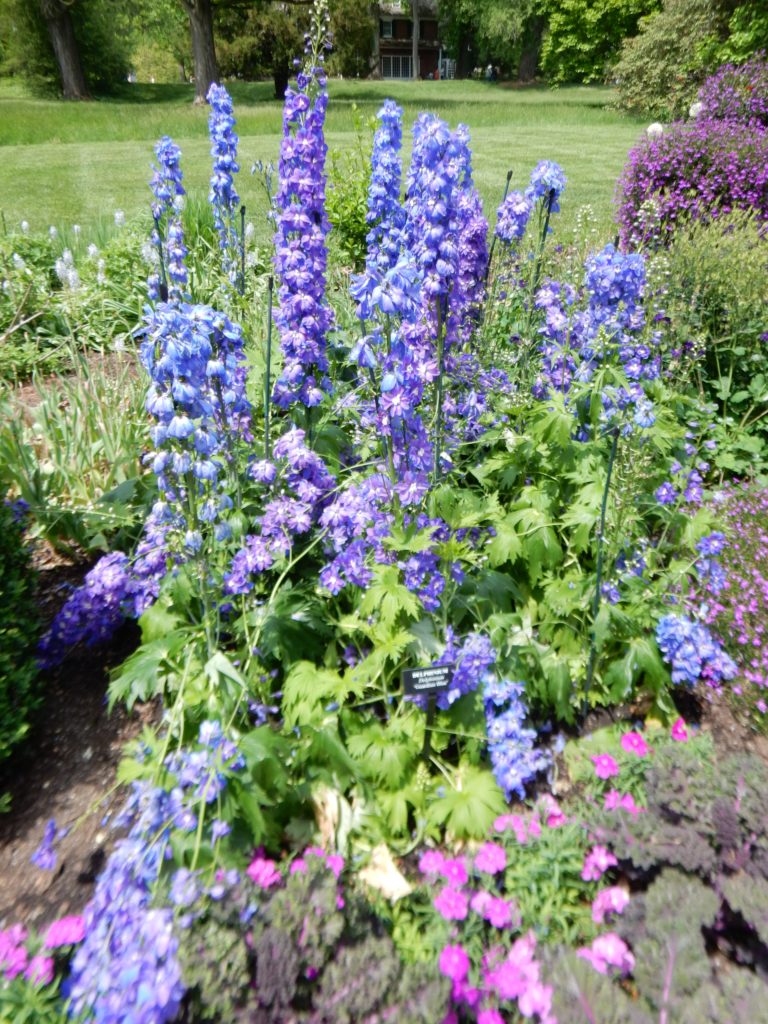
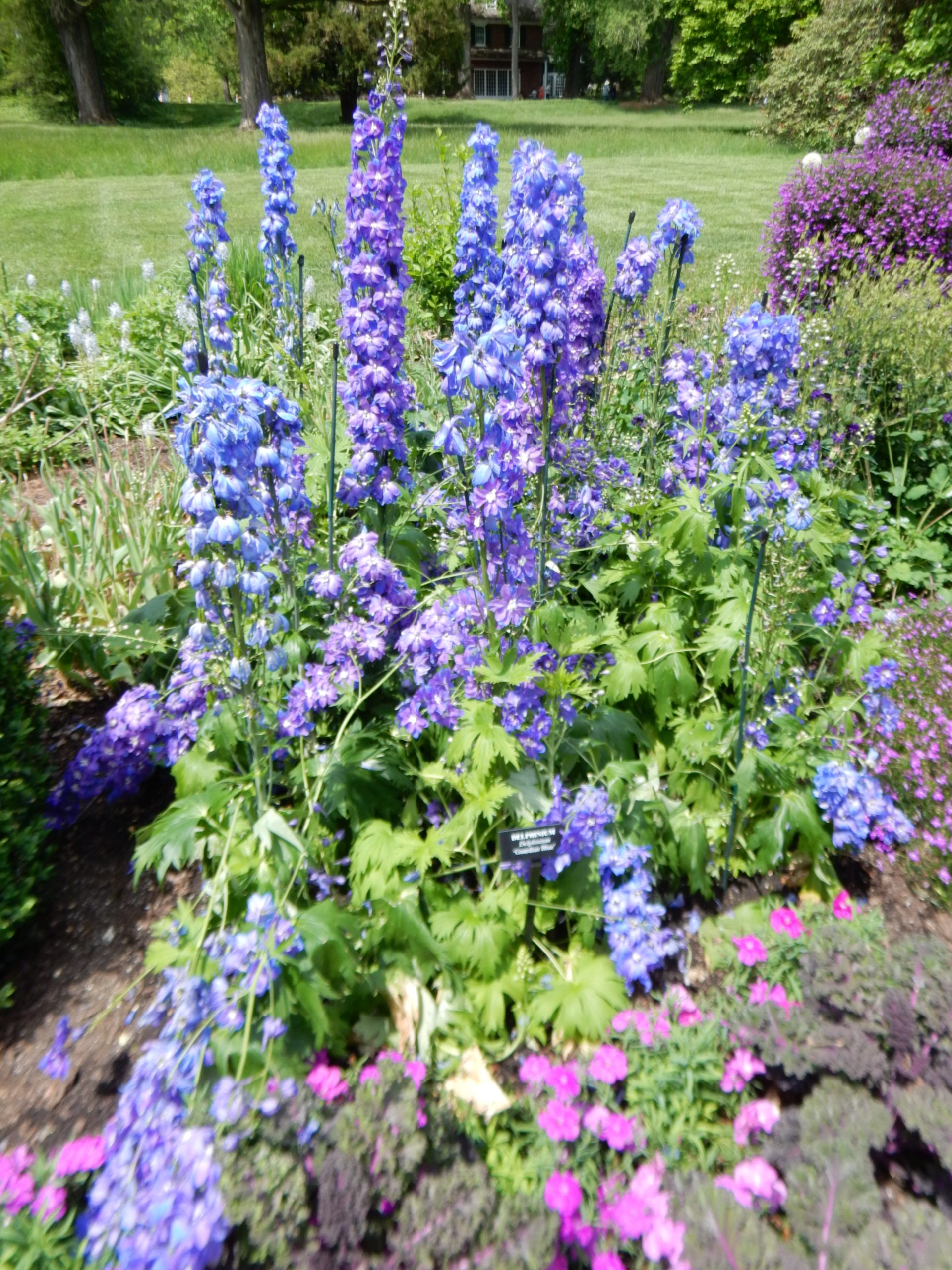

Delphiniums are the tall blue spires of the summer border, related to larkspur and famous for their height and rich color. In the Victorian language of flowers, larkspur means an open heart, levity and lightness, with fickleness attached to some pink or simple forms. Florists and birth-flower lists often treat delphinium and larkspur as a shared summer message of positivity and big-hearted cheer.
This guide covers what delphiniums mean, how they relate to larkspur and July birth flowers, care tips and pet safety. It is part of our flower meanings guide.
Delphinium meaning at a glance
- Overall meaning: open heart, levity and lightness (Victorian larkspur); boldness and a beautiful spirit in modern florist lists.
- Birth month: July, where larkspur / delphinium appear on US birth flower lists (see July birth flowers).
- Best for: July birthdays, summer celebrations, congratulations and grand statement bouquets.
- Vase life: about 6 to 8 days, according to The Old Farmer’s Almanac.
- Pets: toxic. The ASPCA lists larkspur (Delphinium species) as toxic to dogs, cats and horses.
What do delphiniums symbolize?
The Old Farmer’s Almanac chart lists larkspur with the meanings “open heart, levity, lightness,” and notes fickleness for pink or simple varieties. Garden delphiniums and annual larkspur are close relatives in the buttercup family, and birth-flower guides often group them. Society of American Florists lists delphinium for boldness and larkspur for a beautiful spirit, which matches the tall, confident look of the flower.
The Almanac’s delphinium growing guide explains that the name comes from the Greek delphis, “dolphin,” because the closed buds were said to resemble a dolphin’s nose. The centers of the flowers are called “bees.” There are more than 300 delphinium species, and the familiar garden hybrids are often sold as Delphinium elatum types.
Delphinium color meanings
Blue is the color most people picture, but delphiniums also flower in purple, pink, white and bicolors. Victorian lists focus on the overall larkspur meanings rather than a full color chart. In practice:
- Blue and purple: classic summer statement stems for celebrations.
- Pink: softer arrangements; note the Almanac’s “fickleness” tag for some pink or simple larkspur forms if you are choosing by old floriography.
- White: elegant wedding and formal work.
Best occasions for delphiniums
- July birthdays, as a traditional birth flower.
- Congratulations and graduation bouquets that need height and drama.
- Summer wedding work, especially loose garden-style designs.
- Grand thank-yous and anniversary arrangements when you want vertical lines rather than a round rose bouquet.
Height in a bouquet
Delphiniums change the silhouette of an arrangement. Used as vertical line flowers, they give congratulations and wedding designs a garden-border look that round rose bouquets cannot. Ask your florist to stake or support tall spikes if the arrangement will travel.
Season and availability
The Almanac lists bloom time as summer for garden delphiniums, with plants typically 3 to 6 feet tall. Cut stems are sold in season and through specialty growers. They prefer cool summers and can struggle in hot climates.
How to care for cut delphiniums
Cut when at least one bud is starting to open. The Almanac gives a vase life of 6 to 8 days. Use a tall vase, clean water and flower food, and keep stems upright so the heavy spikes don’t bend. Recut stems and change water regularly. For more tips, read our guide to keeping flowers fresh longer.
Are delphiniums safe for cats and dogs?
No. The ASPCA lists larkspur (Delphinium species) as toxic to dogs, cats and horses. Toxic principles include diterpene alkaloids. Keep cut delphiniums and garden plants well out of reach of pets, and never let pets chew stems or leaves. If you think a pet has eaten delphinium or larkspur, contact your vet or the ASPCA Animal Poison Control Center on (888) 426-4435 immediately (a fee may apply).
Delphinium vs larkspur and gladiolus
Gardeners and florists sometimes use “delphinium” and “larkspur” loosely. True delphiniums are often perennial border plants; annual larkspur is lighter. Both give vertical color. Gladiolus is another tall spike with a victory/strength reading, useful when delphinium is out of season. Compare meanings in the secret meaning of flowers and 85 types of flowers guides.
Design notes
Use delphinium as the tallest line in an arrangement and keep heavier blooms lower so the design does not topple. Blues and purples photograph beautifully against white tablecloths; softer pinks suit romantic gardens and wedding work.
Container and support
Tall delphinium spikes need a deep, heavy vase. Recut stems underwater if tips flop, and refresh water daily. In hot venues, keep arrangements away from direct sun so blue pigments do not fade unevenly.
Keep exploring
See all flower meanings, read July birth flowers, or compare other tall summer spikes, the gladiolus, the iris and the hyacinth. For more blue blooms, see blue flowers meaning.
Frequently asked questions
Victorian lists give larkspur the meanings open heart, levity and lightness. Modern florist lists describe delphinium as bold and larkspur as a beautiful spirit.
They are closely related plants in the same family. Birth-flower and florist guides often treat them together, though gardeners usually distinguish perennial delphiniums from annual larkspur.
Yes. Larkspur / delphinium appear on July birth flower lists in the US.
About 6 to 8 days, according to The Old Farmer’s Almanac.
Yes. The ASPCA lists Delphinium species (larkspur) as toxic to dogs, cats and horses.